Southern Gas: Can It Lead Green Initiatives?
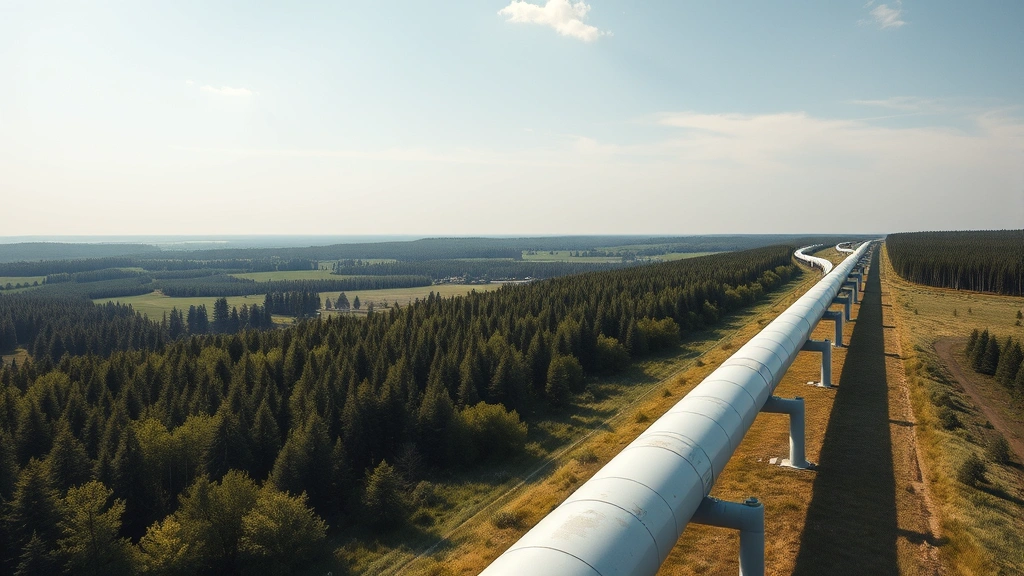
The Southern Gas Association represents a significant portion of North America’s natural gas distribution infrastructure, serving millions of customers across the southern United States. As climate concerns intensify and regulatory pressures mount, the question of whether traditional gas utilities can genuinely champion green initiatives has become increasingly relevant. This exploration examines the Southern Gas Association’s current sustainability efforts, technological innovations, and potential pathways toward a lower-carbon future.
Natural gas has long positioned itself as a transitional fuel—cleaner than coal but still a fossil fuel. However, the industry’s ability to evolve beyond conventional practices will determine its relevance in our decarbonized future. Understanding the Southern Gas Association’s capacity to lead meaningful environmental progress requires examining both its commitments and the structural challenges it faces.
Understanding the Southern Gas Association’s Role
The Southern Gas Association serves as a trade organization representing natural gas utilities operating throughout the southern United States. These utilities deliver natural gas to residential, commercial, and industrial customers, playing a critical infrastructure role in regional energy systems. With over 200 member companies, the association influences policy discussions, technical standards, and industry practices across a vast geographic area.
The organization’s influence extends beyond mere service provision. As a representative body, the Southern Gas Association shapes narratives around energy transition, sustainability, and climate responsibility within the natural gas sector. Understanding this role is essential when evaluating whether the association can authentically lead green initiatives or whether structural conflicts of interest limit its environmental commitments.
The gas industry’s transition narrative centers on natural gas as a bridge fuel. This positioning acknowledges the need to move away from coal while suggesting that natural gas infrastructure can support renewable energy integration. However, critics argue this narrative may delay necessary investments in truly renewable alternatives like solar, wind, and geothermal energy sources.
Current Green Initiatives and Commitments
The Southern Gas Association has announced several sustainability-focused programs aimed at demonstrating environmental responsibility. These initiatives include workforce development in green technologies, support for energy efficiency improvements, and participation in sustainable energy solutions discussions. Member companies have committed to various emissions reduction targets, though the scope and timeline of these commitments vary considerably.
One notable initiative involves promoting natural gas as a cleaner alternative to coal and petroleum products in specific applications. The association emphasizes that natural gas combustion produces fewer carbon emissions than coal, positioning the fuel as part of a pragmatic transition strategy. Additionally, member utilities have invested in infrastructure modernization to reduce leakage and improve system efficiency.
Customer education programs represent another component of the association’s green initiatives. These programs encourage consumers to adopt energy-efficient practices, upgrade appliances, and understand their energy consumption patterns. By improving customer awareness, utilities aim to reduce overall demand while maintaining market relevance.
However, these initiatives must be contextualized within broader industry dynamics. The Southern Gas Association simultaneously invests substantial resources in protecting natural gas market share against renewable energy expansion and electrification trends. This dual approach raises questions about the authenticity and prioritization of green commitments.
Renewable Gas and Biomethane Solutions
One of the most promising avenues for the natural gas industry’s green transformation involves renewable gas production, including biomethane and synthetic methane. These fuels can be distributed through existing natural gas infrastructure, theoretically enabling a transition without massive system overhauls. The Southern Gas Association has increasingly promoted renewable gas as a cornerstone of its sustainability strategy.
Biomethane, produced from organic waste through anaerobic digestion or other biological processes, can be injected directly into existing gas pipelines. This approach offers several advantages: it utilizes waste materials, reduces methane emissions from landfills, and leverages established distribution networks. Progressive utilities have begun pilot projects to integrate renewable gas into their systems, demonstrating technical feasibility.
Synthetic methane, or e-gas, produced through power-to-gas technologies represents another frontier. This process uses renewable electricity to convert carbon dioxide and hydrogen into methane, potentially creating a closed-loop system. While still in early commercialization stages, synthetic methane could theoretically enable complete decarbonization of existing gas infrastructure.
Despite these possibilities, renewable gas faces significant challenges. Production capacity remains limited, costs exceed conventional natural gas, and questions persist about the overall lifecycle carbon footprint when accounting for production energy requirements. The Southern Gas Association’s emphasis on renewable gas, while promising, should not distract from the reality that these solutions cannot scale quickly enough to meet aggressive climate targets without substantial technological breakthroughs and investment.
Methane Emissions Reduction Strategies
Methane emissions represent a critical environmental concern in natural gas operations. Though methane comprises a smaller percentage of emissions by volume compared to carbon dioxide, its global warming potential is substantially higher over a 20-year timeframe. The Southern Gas Association has implemented various strategies to reduce methane leakage throughout the distribution network.
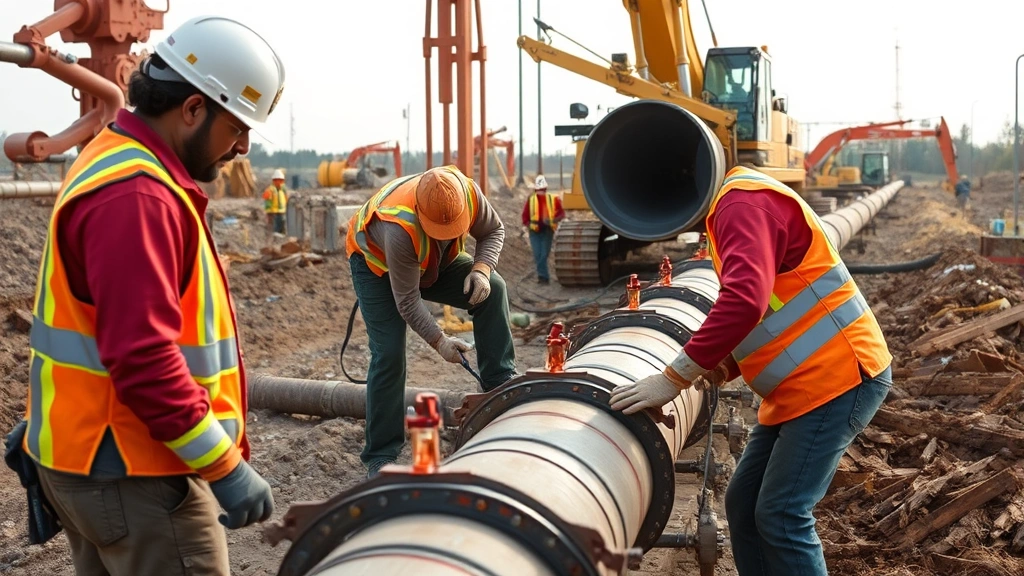
Infrastructure modernization forms the backbone of methane reduction efforts. Aging cast iron and bare steel pipelines, common in older systems, are particularly prone to leakage. Replacement programs prioritizing high-leak-rate segments can significantly reduce fugitive emissions. Member utilities have accelerated these replacement schedules in recent years, though the pace varies considerably across different systems.
Detection and repair programs represent another essential component. Advanced leak detection technologies, including infrared cameras and optical gas imaging, enable utilities to identify and repair leaks more efficiently than traditional methods. Some utilities have partnered with research institutions to deploy emerging technologies like drone-based methane detection systems.
The Environmental Protection Agency provides guidelines and incentives for methane reduction. The EPA’s Natural Gas STAR Program recognizes utilities demonstrating exceptional emissions reduction performance. Participation in such programs indicates genuine commitment, though critics note that voluntary programs may lack the stringency necessary to achieve climate targets.
Despite these efforts, questions remain about measurement accuracy and reporting transparency. Some environmental advocates argue that industry-reported emissions figures underestimate actual leakage rates. Independent studies using atmospheric measurements occasionally reveal discrepancies with utility-reported data, suggesting that continued verification improvements are necessary.
Energy Efficiency Programs and Customer Support
The Southern Gas Association actively promotes energy efficiency as a mechanism for reducing overall energy consumption and customer costs. Member utilities offer weatherization assistance programs, appliance rebates, and energy audits to help customers improve their home’s thermal efficiency. These programs serve dual purposes: reducing customer expenses while maintaining utility customer bases despite declining per-capita consumption.
Residential energy efficiency improvements directly support customers’ ability to reduce their environmental footprint. When combined with renewable energy adoption, efficiency improvements create meaningful emissions reductions. The association provides educational resources and technical guidance to help customers understand their energy use patterns.
Commercial and industrial efficiency programs address larger-scale energy consumers. Utilities work with businesses to identify optimization opportunities, upgrade heating systems, and implement demand management strategies. These programs often generate significant savings, creating economic incentives that align environmental and financial benefits.
However, energy efficiency programs present an inherent paradox for utilities. Reduced consumption directly decreases revenue from energy sales. While utilities have implemented decoupling mechanisms in some jurisdictions—allowing them to earn returns on efficiency investments despite reduced throughput—structural conflicts remain. This economic tension may limit the aggressiveness with which utilities pursue maximum efficiency gains.
Technological Innovations in Gas Distribution
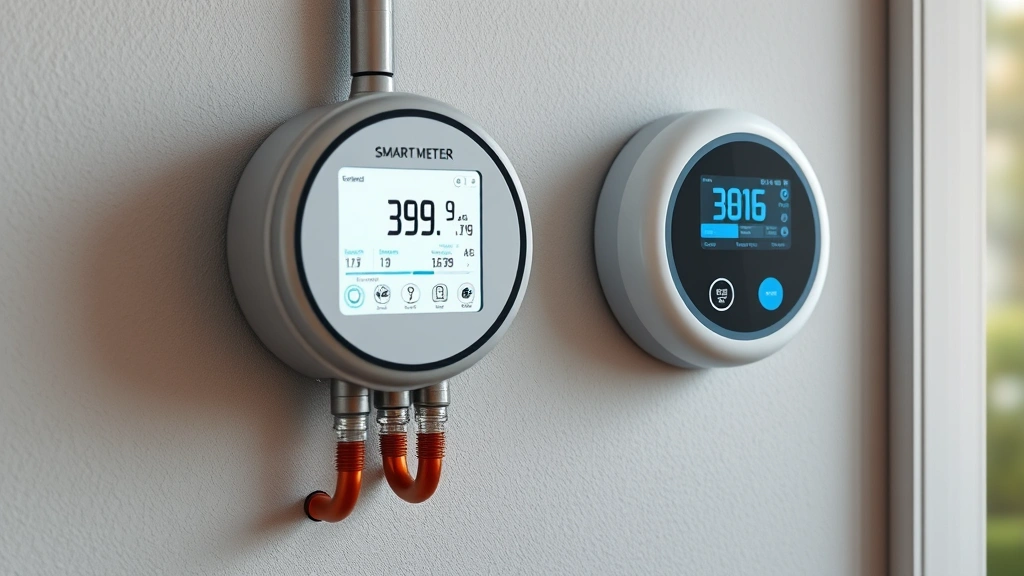
The Southern Gas Association supports technological innovations aimed at improving system efficiency and reducing environmental impacts. Smart metering technology enables better consumption monitoring and demand management. Advanced pressure management systems optimize flow characteristics, reducing energy waste and leakage risks.
Hydrogen blending represents an emerging technology that the association views as potentially transformative. By blending hydrogen with natural gas, utilities can reduce carbon intensity without requiring complete infrastructure replacement. Hydrogen, when produced from renewable electricity through electrolysis, offers zero-carbon fuel delivery through existing pipelines.
However, hydrogen blending faces technical and economic challenges. Current pipeline materials and appliances may require modifications to safely handle hydrogen-enriched gas. Production costs for green hydrogen remain high, and questions persist about hydrogen’s role in a truly sustainable energy system. The association’s promotion of hydrogen blending should be evaluated alongside competing pathways like direct electrification.
Digital technologies, including artificial intelligence and machine learning, enable more sophisticated system management and predictive maintenance. These tools can optimize network operations, identify potential failures before they occur, and enhance safety while reducing operational emissions. Investment in these technologies demonstrates commitment to operational excellence and environmental stewardship.
The association also supports research into green technology innovations transforming our future. Participation in research partnerships with universities and technology companies positions member utilities as forward-thinking organizations engaged in solving energy transition challenges.
Challenges and Limitations
Despite genuine efforts toward sustainability, the Southern Gas Association faces fundamental structural challenges that limit its capacity to lead transformative green initiatives. The most significant constraint stems from the nature of its membership and mission: member utilities depend on natural gas throughput for revenue generation. This creates an inherent conflict between genuine decarbonization and business model preservation.
The energy transition toward electrification and renewable sources directly threatens traditional natural gas utility revenue models. Heat pumps, induction cooktops, and electric water heaters replace natural gas appliances. Renewable electricity and battery storage reduce demand for gas-fired generation. These trends are inevitable components of climate stabilization, yet they conflict with utility financial interests.
Regulatory frameworks present another challenge. Many jurisdictions still base utility revenue models on volumetric throughput—utilities earn more when customers consume more energy. This incentive structure discourages aggressive efficiency promotion and creates pressure to maintain or grow gas consumption. While some jurisdictions have implemented alternative regulatory models, widespread adoption remains limited.
The association’s advocacy efforts sometimes conflict with genuine climate action. Industry lobbying against aggressive electrification policies, carbon pricing mechanisms, and renewable energy mandates demonstrates that the organization’s green initiatives coexist with resistance to policies that would accelerate energy transition. This ambivalence undermines claims of authentic climate leadership.
Stranded asset risks also complicate the picture. Extensive natural gas infrastructure—pipelines, distribution networks, storage facilities—represents enormous capital investment. Rapid transition away from natural gas threatens these assets’ economic viability. The Southern Gas Association’s cautious approach to transition timelines reflects legitimate concerns about economic disruption, yet this conservatism may slow necessary climate action.
The Path Forward for Gas Utilities
The Southern Gas Association and its member utilities face a critical inflection point. The question is not whether the natural gas industry will eventually decline—climate physics and energy economics suggest it will—but rather how quickly and thoughtfully that transition occurs.
Authentic green leadership from the Southern Gas Association would require several fundamental shifts. First, the organization should explicitly acknowledge that natural gas demand must decline substantially in a decarbonized economy. Rather than fighting this reality, member utilities could position themselves as transition managers, helping communities and customers navigate toward electrified, renewable-powered systems.
Second, the association should support regulatory frameworks that align utility incentives with genuine decarbonization goals. This might include advocating for performance-based regulation that rewards emissions reductions rather than volumetric sales, supporting carbon pricing mechanisms, and promoting electrification where technically feasible.
Third, member utilities should diversify business models beyond energy delivery. Many utilities are exploring roles as distributed energy resource managers, electric vehicle charging network operators, and renewable energy project developers. Embracing these opportunities enables utilities to maintain relevance and profitability while advancing genuine sustainability.
Fourth, the association should champion workforce transition programs that protect workers and communities dependent on natural gas infrastructure. Just transition principles require that climate action not unfairly burden workers or vulnerable populations. Proactive retraining and economic diversification programs demonstrate authentic commitment to sustainable development.
Finally, the Southern Gas Association should engage transparently with climate science and environmental stakeholders. Dismissing legitimate concerns about natural gas’s role in climate change or overstating renewable gas’s near-term potential undermines credibility. Honest acknowledgment of both opportunities and limitations builds trust and enables more productive collaboration.
The Intergovernmental Panel on Climate Change provides clear guidance that limiting warming to 1.5°C requires rapid decarbonization across all sectors. Natural gas, while cleaner than coal, cannot support this trajectory as a primary energy source. The Southern Gas Association’s role in green initiatives should reflect this reality while supporting practical pathways for communities and workers currently dependent on natural gas infrastructure.
Explore our comprehensive guide on sustainability topics on the SustainWise Hub Blog for deeper insights into energy transition strategies and environmental responsibility. Additionally, learn about advantages of electric vehicles as a complementary decarbonization pathway.
FAQ
Can natural gas truly be a green fuel?
Natural gas produces fewer emissions than coal but remains a fossil fuel with significant carbon footprint. It can serve as a transition fuel, but achieving climate targets requires eventual transition beyond natural gas to renewable energy sources.
What is renewable gas and how viable is it?
Renewable gas, including biomethane from organic waste and synthetic methane from renewable electricity, can be distributed through existing infrastructure. However, production capacity is currently limited and costs remain higher than conventional gas. It may support partial decarbonization but cannot alone solve energy transition challenges.
How significant is methane leakage from natural gas systems?
Methane leakage from distribution networks represents a meaningful climate impact. Though percentages vary, studies suggest 1-3% of distributed gas escapes through leaks. Given methane’s high global warming potential, even small percentage leakage creates substantial climate impact. Reduction efforts are important but require aggressive infrastructure modernization.
Are energy efficiency programs from gas utilities genuinely helpful?
Yes, efficiency programs reduce consumption and costs for participants. However, utilities may lack strong incentives to maximize efficiency given revenue implications. Most impactful when combined with renewable energy adoption and supported by regulatory frameworks that reward utilities for efficiency outcomes.
What is the Southern Gas Association’s official climate position?
The association supports natural gas as a transition fuel, promotes renewable gas development, and emphasizes efficiency improvements. However, it simultaneously resists policies that would accelerate electrification or carbon pricing, reflecting the tension between member interests and climate action requirements.


