
Can Renewable Gas Replace Fossil Fuels? SGA Insights on the Energy Transition
The energy landscape is undergoing a profound transformation, and renewable gas has emerged as a compelling alternative to traditional fossil fuels. The Southern Gas Association (SGA) and industry experts are increasingly examining whether renewable gas can serve as a viable replacement for the natural gas and petroleum products that have powered our economy for over a century. This question sits at the heart of global sustainability efforts and climate action strategies.
Renewable gas, also known as biogas or biomethane, is produced from organic waste materials, agricultural byproducts, and wastewater treatment processes. Unlike fossil fuels extracted from deep underground reserves, renewable gas represents a circular economy approach where waste becomes a valuable energy resource. The potential for renewable gas to replace fossil fuels depends on technological advancement, infrastructure investment, regulatory frameworks, and economic viability across regional markets served by organizations like the SGA.

Understanding Renewable Gas and Its Sources
Renewable gas encompasses several production methods, each converting organic materials into methane-rich fuel suitable for existing natural gas infrastructure. The primary sources include anaerobic digestion of agricultural waste, food processing byproducts, municipal solid waste, and wastewater sludge. Advanced thermal conversion processes can also produce renewable gas from biomass through gasification and pyrolysis techniques.
Anaerobic digestion remains the most established method for renewable gas production. This biological process occurs in oxygen-free environments where microorganisms break down organic matter, producing biogas containing approximately 50-70% methane and 30-40% carbon dioxide. After purification and upgrading, this biogas becomes biomethane, which meets pipeline quality standards and can integrate seamlessly with existing sustainable energy solutions infrastructure.
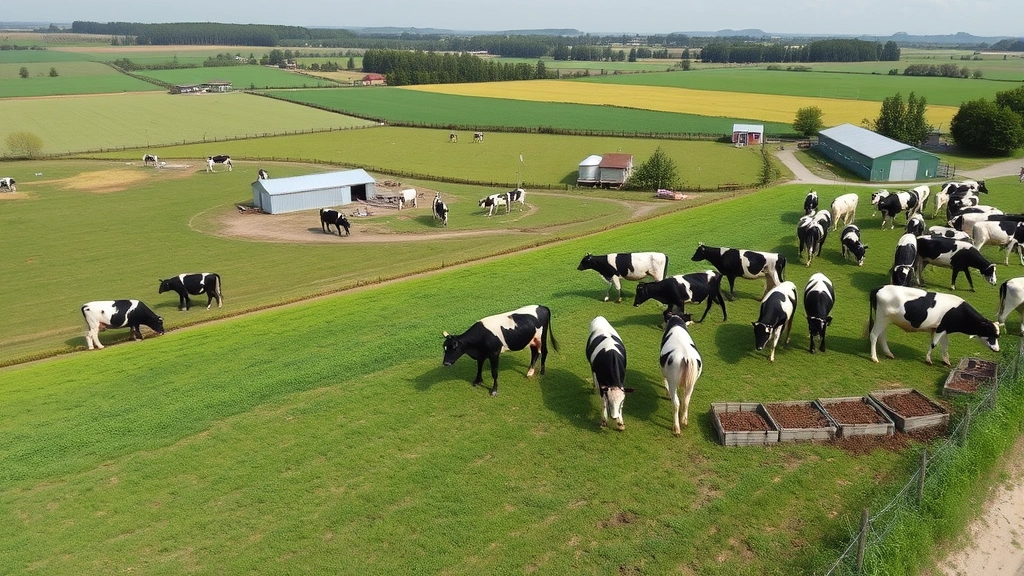
Agricultural operations generate substantial feedstock potential through manure management systems. Livestock farming produces millions of tons of animal waste annually, particularly in regions where the SGA operates. Converting this waste into renewable gas simultaneously addresses environmental pollution, reduces methane emissions from decomposition, and generates valuable energy. Similarly, food processing facilities, breweries, and other industrial operations produce organic waste streams ideal for renewable gas generation.
Current Fossil Fuel Dependence in the Southern U.S.
The Southern United States remains heavily dependent on fossil fuels, with natural gas serving as a critical energy source for electricity generation, heating, and industrial processes. The SGA represents member companies throughout the South, where natural gas infrastructure is deeply embedded in regional energy systems. Current statistics show that natural gas accounts for approximately 40% of electricity generation in many Southern states, with additional consumption for residential and commercial heating.
This fossil fuel reliance extends beyond electricity generation. The petrochemical industry, a cornerstone of Southern economic development, depends entirely on fossil fuel feedstocks and energy inputs. Transportation infrastructure remains almost exclusively dependent on gasoline and diesel fuels derived from crude oil. These deep structural dependencies create both challenges and opportunities for renewable gas integration.
The SGA has acknowledged that transitioning away from fossil fuels requires pragmatic approaches that work within existing infrastructure constraints. Renewable gas presents a particularly attractive option because it can utilize current natural gas distribution networks, potentially reducing transition costs compared to complete infrastructure replacement required for other renewable alternatives.
Technological Feasibility of Renewable Gas Replacement
From a purely technological standpoint, renewable gas can replace fossil fuels in most applications. The chemical properties of upgraded biogas closely match conventional natural gas, enabling use in existing appliances, furnaces, boilers, and power generation equipment without significant modifications. This technological compatibility represents a major advantage over other renewable alternatives requiring complete system redesigns.
However, complete replacement faces significant technical challenges. Current renewable gas production capacity remains modest compared to fossil fuel consumption. The United States produces approximately 0.5 quadrillion BTUs of renewable gas annually, while consuming roughly 30 quadrillion BTUs total. Scaling renewable gas production to meaningful replacement levels would require exponential increases in feedstock collection, processing facility construction, and pipeline integration.
Advanced production technologies offer promise for expansion. Thermochemical conversion processes, including gasification and pyrolysis, can process a wider range of biomass materials, including forestry residues, agricultural residues, and even certain waste plastics. Power-to-gas technology, which converts renewable electricity into synthetic methane through hydrogen production and carbon dioxide combination, represents an emerging frontier. These technologies remain largely in pilot or early commercial phases but demonstrate technical viability.
Integrating renewable gas into existing natural gas networks requires quality standards compliance. The Environmental Protection Agency (EPA) and state regulatory bodies establish pipeline specifications ensuring renewable gas meets conventional natural gas quality parameters. Most upgraded biogas successfully meets these standards, facilitating network integration without extensive infrastructure modifications.
Infrastructure and Distribution Challenges
While renewable gas can utilize existing natural gas infrastructure, significant distribution and collection challenges remain. Unlike fossil fuel extraction at concentrated geographic locations, renewable gas feedstock is dispersed across agricultural areas, food processing facilities, and waste management sites. Establishing collection networks for these distributed resources requires substantial logistical investment.
Current natural gas pipeline infrastructure was designed for centralized production and long-distance transmission. Adapting this system to accommodate multiple small-scale renewable gas producers requires new interconnection points, pressure regulation equipment, and monitoring systems. The SGA’s member companies have begun evaluating these modifications, but implementation remains capital-intensive.
Gas quality variability presents another technical challenge. Unlike conventional natural gas with consistent composition, renewable gas from different sources exhibits varying methane content, trace contaminant levels, and energy density. Processing and upgrading facilities must accommodate this variability while meeting pipeline standards. Distributed processing networks offer potential solutions but increase infrastructure complexity.
Storage infrastructure also requires attention. Natural gas storage facilities provide crucial flexibility, allowing supply management across seasonal demand variations. Renewable gas production rates depend on feedstock availability and seasonal agricultural cycles, potentially creating supply-demand mismatches. Expanding storage capacity or developing alternative load-balancing solutions becomes necessary for reliable renewable gas integration.
Economic Viability and Cost Comparison
Economic analysis reveals that renewable gas production costs have declined significantly but remain competitive with fossil fuels only under specific circumstances. Current renewable gas production costs range from $15-25 per million BTUs, compared to natural gas prices fluctuating between $3-10 per million BTUs historically. This cost differential reflects current production scale, technology maturity levels, and feedstock availability.
However, comprehensive cost analysis must include externalities. Fossil fuel production and combustion impose environmental and health costs not reflected in market prices. Air pollution from natural gas combustion contributes to respiratory disease, cardiovascular problems, and premature mortality. Methane leakage from natural gas infrastructure exacerbates climate change. Renewable gas eliminates these external costs while potentially generating additional value through waste management solutions.
Government incentives significantly impact renewable gas economics. The federal Renewable Fuel Standard, state renewable portfolio standards, and tax credits for renewable energy production improve renewable gas competitiveness. The Department of Energy supports research and demonstration projects advancing renewable gas technologies. These policy mechanisms increasingly level the economic playing field.
Economies of scale offer substantial cost reduction potential. As production capacity expands and processing technology matures, per-unit production costs should decline substantially. Early-stage renewable energy technologies typically experience 10-15% cost reductions with each doubling of cumulative production capacity. Renewable gas may follow similar learning curves, eventually achieving fossil fuel cost parity.
Regional variations in feedstock availability and production costs create geographic viability differences. Agricultural regions with concentrated livestock operations, such as areas served by the SGA, benefit from abundant low-cost feedstock. Conversely, urban areas with limited agricultural activity may find renewable gas production less economically attractive without imported feedstock.
Environmental Benefits of the Transition
Transitioning from fossil fuels to renewable gas offers substantial environmental advantages extending beyond direct carbon emissions reduction. Renewable gas production from agricultural waste addresses multiple environmental challenges simultaneously, demonstrating the holistic benefits of circular economy approaches.
Lifecycle carbon analysis reveals that renewable gas from livestock manure achieves carbon neutrality or carbon negativity when accounting for avoided methane emissions from manure decomposition. Methane possesses approximately 28 times the global warming potential of carbon dioxide over a 100-year period. Capturing methane during anaerobic digestion prevents atmospheric release while generating usable energy, creating dual environmental benefits.
Renewable gas production from food waste and municipal solid waste reduces landfill dependency and associated environmental problems. Landfills generate methane emissions and leachate contamination affecting groundwater quality. Diverting these materials to anaerobic digesters eliminates these problems while producing energy. This approach aligns with broader green technology innovations transforming waste management systems.
Air quality improvements represent another significant environmental benefit. Unlike fossil fuel combustion, renewable gas production from biological processes generates no air pollutants during the production phase. While renewable gas combustion produces carbon dioxide similar to natural gas, the carbon originates from recently-fixed atmospheric carbon rather than ancient sequestered carbon, maintaining carbon cycle balance.
Water resource protection benefits emerge through agricultural waste utilization. Proper manure management through anaerobic digestion reduces nutrient runoff contaminating waterways and causing harmful algal blooms. Digestate from the process provides nutrient-rich fertilizer, reducing synthetic fertilizer demand and associated water contamination risks.
Soil health improvements accompany renewable gas production from agricultural feedstock. Digestate application enhances soil organic matter content, improving water retention, microbial activity, and long-term productivity. This circular approach regenerates agricultural land while producing renewable energy.
Policy and Regulatory Framework
Government policies profoundly influence renewable gas viability and adoption rates. The federal Renewable Fuel Standard mandates increasing renewable fuel incorporation into transportation fuels, creating market demand for renewable gases. State-level policies vary considerably, with some jurisdictions providing substantial incentives while others maintain fossil fuel-favorable regulations.
The SGA operates within a complex regulatory environment encompassing federal energy policies, state utility regulations, and local environmental standards. Natural gas utilities historically operated as regulated monopolies with guaranteed returns, creating disincentives for disruptive renewable gas adoption. Regulatory reform enabling utilities to profit from renewable gas distribution and production represents a critical policy need.
Pipeline safety regulations establish standards for renewable gas integration into existing infrastructure. These regulations ensure system reliability and safety but may create barriers for small-scale renewable gas producers seeking network access. Streamlining interconnection procedures while maintaining safety standards represents an important policy balance.
Tax incentives substantially improve renewable gas economics. The Production Tax Credit for renewable electricity generation, investment tax credits for renewable energy equipment, and accelerated depreciation for renewable energy assets reduce project costs. Expanding these incentives specifically for renewable gas production could accelerate deployment.
Carbon pricing mechanisms, whether through cap-and-trade systems or carbon taxes, would dramatically improve renewable gas competitiveness by increasing fossil fuel costs. The World Resources Institute has documented that carbon pricing represents one of the most effective policy mechanisms for renewable energy transition.
International policy frameworks also influence renewable gas development. European Union directives promoting renewable gas adoption have accelerated development in member states. Climate commitments under international agreements create policy pressure for renewable energy expansion across jurisdictions.
Real-World Implementation Examples
Several successful renewable gas projects demonstrate practical feasibility and economic viability. The Dairy Power project in California captures biogas from dairy operations, generating electricity serving grid needs. Similar projects throughout the United States prove that agricultural renewable gas production functions at commercial scale.
European countries have advanced renewable gas development further than the United States. Germany produces approximately 8 terawatt-hours of renewable gas annually, with substantial growth projected. Swedish programs have achieved remarkable success, with renewable gas comprising approximately 1% of total energy consumption and growing rapidly. These international examples provide valuable lessons for American implementation.
Municipal wastewater treatment facilities represent another successful renewable gas source. Hundreds of U.S. facilities operate anaerobic digesters producing biogas for onsite electricity generation or pipeline injection. These established operations demonstrate technical reliability and operational maturity in renewable gas production and utilization.
Food processing companies including breweries, dairy processors, and vegetable canneries have implemented renewable gas production systems recovering waste energy. These projects typically achieve attractive financial returns through avoided waste disposal costs, energy savings, and revenue from renewable energy credits.
Landfill gas recovery projects represent the most mature renewable gas technology in the United States. Hundreds of landfills capture biogas preventing atmospheric release while generating electricity. This proven technology demonstrates long-term reliability and economic viability in diverse geographic conditions.
Future Outlook and Industry Trends
Industry trends suggest renewable gas will play an increasingly significant role in future energy systems, though likely as a complementary fuel rather than a complete fossil fuel replacement. The SGA and natural gas industry participants recognize renewable gas integration as inevitable and are positioning accordingly.
Technological developments in power-to-gas conversion offer transformative potential. This technology converts excess renewable electricity into synthetic methane, addressing renewable energy intermittency challenges while producing storable fuel. As renewable electricity generation expands, power-to-gas could become economically attractive, creating new renewable gas supplies independent of biological feedstock limitations.
Hydrogen production from renewable electricity represents another emerging pathway. Green hydrogen can substitute for natural gas in many applications while offering advantages for industrial processes and transportation. Hydrogen and renewable gas likely represent complementary solutions rather than competing alternatives in future energy systems.
Continued cost reductions in renewable energy technologies improve renewable gas economics. As solar and wind electricity costs decline, power-to-gas processes become increasingly cost-competitive. Simultaneously, increasing carbon prices and climate policies improve renewable gas competitiveness relative to fossil fuels.
Digital technologies enable improved renewable gas system optimization. Advanced monitoring, control systems, and artificial intelligence applications can optimize feedstock collection, processing efficiency, and pipeline integration. These technologies improve system economics while enabling greater scale.
The broader energy transition context suggests renewable gas will occupy an important niche within diversified renewable energy portfolios. Rather than replacing all fossil fuel consumption, renewable gas likely serves critical roles in applications where direct electrification proves impractical, such as long-distance industrial heat, aviation fuel applications, and seasonal energy storage.
Industry investment trends confirm growing confidence in renewable gas futures. Major energy companies are establishing renewable gas divisions and investing in production capacity. Venture capital funding for renewable gas technologies has increased substantially. These financial signals suggest industry participants believe renewable gas represents viable long-term business opportunities.
The SGA’s evolving perspective reflects broader industry recognition that natural gas infrastructure can facilitate renewable energy transition rather than impede it. This pragmatic approach acknowledges that complete fossil fuel elimination within decades proves impractical while renewable gas offers meaningful emissions reduction pathways using existing infrastructure investments.
Frequently Asked Questions
What is renewable gas exactly?
Renewable gas, also called biogas or biomethane, is methane-rich fuel produced from organic materials through anaerobic digestion or thermochemical conversion. Sources include livestock manure, food waste, wastewater sludge, and agricultural residues. After upgrading to remove impurities, it matches natural gas quality standards and functions identically in existing appliances and infrastructure.
Can renewable gas completely replace natural gas?
Complete replacement remains technically possible but economically and logistically challenging at current technology levels. Renewable gas can likely supply 10-20% of future natural gas demand through agricultural and waste feedstock. Full replacement would require massive feedstock expansion, advanced production technologies, and substantial infrastructure investment. More realistically, renewable gas serves as a significant but partial fossil fuel replacement within diversified energy portfolios.
How does renewable gas cost compare to natural gas?
Current renewable gas production costs approximately $15-25 per million BTUs versus natural gas at $3-10 per million BTUs. However, comprehensive cost analysis including environmental externalities, government incentives, and avoided waste disposal costs improves renewable gas competitiveness. As production scales and technology matures, costs should decline substantially, potentially achieving fossil fuel price parity.
What are the main barriers to renewable gas adoption?
Primary barriers include capital costs for production and processing infrastructure, distributed feedstock collection logistics, regulatory frameworks favoring established fossil fuels, and lack of market demand mechanisms. Infrastructure limitations, gas quality variability, and competition for biomass resources also present challenges. Policy reforms and continued technological advancement are progressively addressing these barriers.
How does the Southern Gas Association view renewable gas?
The SGA acknowledges renewable gas as a viable pathway for sustainable energy transition that leverages existing natural gas infrastructure. While traditionally representing conventional natural gas interests, the SGA recognizes that renewable gas integration offers business opportunities and aligns with evolving climate and sustainability imperatives. Member companies increasingly evaluate renewable gas opportunities within their service territories.
Which regions are best suited for renewable gas production?
Agricultural regions with concentrated livestock operations offer abundant low-cost feedstock, making them ideal for renewable gas production. Food processing regions similarly benefit from substantial organic waste streams. The Southern United States, particularly areas with significant dairy and poultry operations, represents particularly promising territory for renewable gas development. Urban areas can develop renewable gas from municipal waste and wastewater treatment.
What role does renewable gas play in climate change solutions?
Renewable gas contributes to climate change mitigation through avoided fossil fuel consumption, methane emissions prevention from waste decomposition, and carbon-neutral or carbon-negative lifecycle profiles. While renewable gas cannot independently solve climate challenges, it represents an important tool within comprehensive climate strategies that also include direct electrification, energy efficiency, and other renewable technologies. Understanding advantages of electric vehicles and other transportation alternatives provides important context for renewable gas’s complementary role.
How long until renewable gas reaches cost parity with fossil fuels?
Cost parity timelines depend on multiple variables including policy support, carbon pricing implementation, technological advancement rates, and feedstock availability. Optimistic scenarios suggest cost parity within 10-15 years for certain applications and regions. Pessimistic scenarios extend timelines to 20-30 years. Accelerated policy support and investment could compress these timelines significantly.


