
Are Stainless Steel Grates Eco-Friendly? Facts Inside
When you’re considering upgrading your outdoor cooking setup, the choice of grill grates might seem like a minor detail. However, the material composition of your stainless steel grates gas grill components carries significant environmental implications that extend far beyond the backyard. Understanding whether stainless steel grates truly align with eco-conscious living requires examining their lifecycle impact, durability, recyclability, and how they compare to alternative materials.
The sustainability conversation around stainless steel is nuanced. While this material offers impressive longevity and recyclability credentials, the extraction and processing involved in its production demands considerable energy. This comprehensive guide explores the environmental reality of stainless steel grates, helping you make informed decisions that balance performance with planetary responsibility.
Understanding Stainless Steel Composition and Production
Stainless steel represents an iron-based alloy enhanced with chromium, nickel, molybdenum, and other elements that provide corrosion resistance and durability. The chromium content—typically between 10.5% and 30%—creates a protective oxide layer that prevents rust and degradation. This fundamental characteristic directly influences its environmental profile, as materials requiring replacement less frequently generate lower cumulative waste.
The production of stainless steel involves several energy-intensive stages. Mining operations extract iron ore, chromium, and nickel from the earth, requiring substantial fossil fuel consumption and habitat disruption. The refining process, where raw materials transform into usable alloys, demands high-temperature furnaces operating at temperatures exceeding 1600 degrees Celsius. According to EPA environmental assessments, steel production accounts for approximately 7% of global CO2 emissions, though stainless steel production specifically carries higher energy demands than carbon steel due to additional alloying elements.
However, this production-phase environmental cost must be contextualized within the material’s functional lifespan. A gas grill with stainless steel grates designed to last 15-20 years distributes its manufacturing impact across decades of use, fundamentally altering its environmental calculus compared to materials requiring frequent replacement.
Lifecycle Environmental Impact Analysis
True sustainability assessment requires examining the complete product lifecycle: extraction, manufacturing, transportation, use phase, and end-of-life management. For stainless steel grates, the use phase presents a critical advantage unavailable to less durable materials.
During the operational years, stainless steel grates require minimal maintenance intervention. Unlike cast iron grates that demand regular seasoning with oils or carbon steel surfaces vulnerable to rust formation, stainless steel naturally resists corrosion. This resistance means fewer replacement cycles, reduced transportation emissions from shipping replacement parts, and diminished waste generation. When you reduce your environmental footprint through product longevity choices, you’re addressing one of the most effective sustainability strategies available to consumers.
The manufacturing phase represents approximately 60-80% of stainless steel’s total lifecycle environmental impact when evaluated across a 20-year product lifespan. The remaining impact distributes across transportation (typically 5-10%), use phase (5-15%), and end-of-life processing (5-10%). This distribution pattern emphasizes why durability becomes the primary sustainability metric for grate materials. A grate lasting twice as long as its competitor effectively halves the per-year manufacturing impact.
When evaluating whether stainless steel grates for gas grills qualify as eco-friendly, the comparison baseline matters significantly. Relative to materials requiring replacement every 3-5 years, stainless steel demonstrates substantial environmental advantages. Relative to properly maintained cast iron passed through generations, the comparison becomes more complex.
Durability and Longevity Benefits
The relationship between material durability and environmental sustainability operates as one of the most straightforward environmental equations. Products lasting longer generate less waste and require fewer manufacturing cycles, directly reducing cumulative resource consumption and emissions.
Quality stainless steel grates exhibit exceptional longevity characteristics. The chromium-rich oxide layer continuously self-repairs microscopic damage, preventing rust initiation that would compromise structural integrity. In contrast, cast iron requires consistent seasoning maintenance, and untreated carbon steel develops rust spots that expand without intervention. Galvanized steel grates, coated with zinc for corrosion protection, eventually experience zinc layer degradation, exposing underlying steel to oxidation.
Real-world durability data supports stainless steel’s longevity advantage. Properly maintained stainless steel grates consistently function for 15-25 years, with some premium grades lasting 30+ years. Cast iron grates, while capable of extreme longevity when meticulously maintained, frequently require replacement within 10 years when subjected to typical backyard conditions. This functional longevity difference translates directly into environmental impact reduction.
The durability advantage extends beyond simple replacement cycles. Each replacement event generates transportation emissions, packaging waste, and manufacturing energy. A grate lasting 20 years versus one lasting 5 years requires 75% fewer replacement manufacturing events, representing substantial cumulative environmental savings. When considering your green technology innovations and product choices, durability should rank among your highest priorities.
Recyclability and End-of-Life Considerations
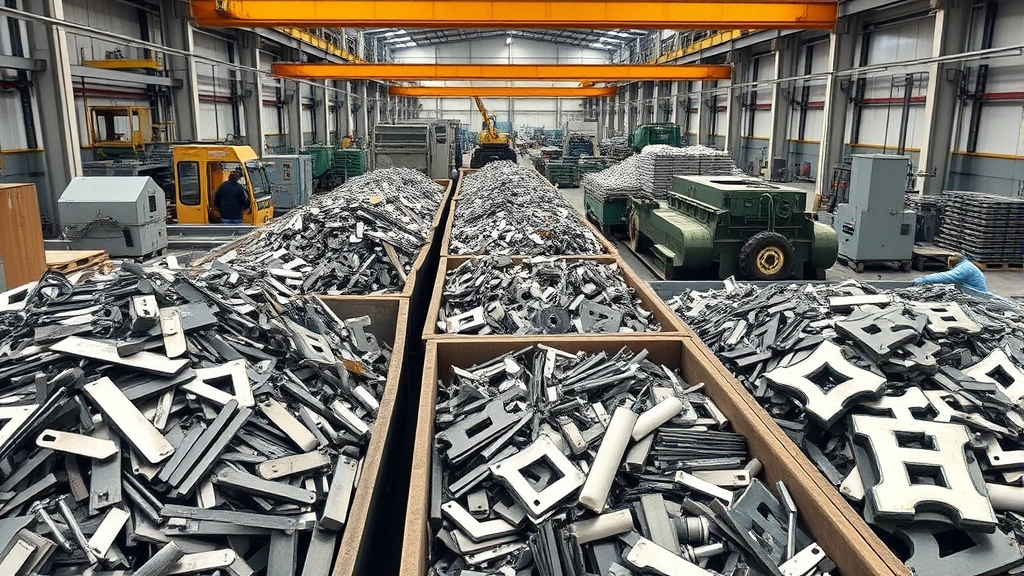
At the conclusion of a stainless steel grate’s functional life, its material composition enables comprehensive recycling. Unlike composite materials or coated surfaces that contaminate recycling streams, stainless steel enters established recycling infrastructure as a valuable material. The global stainless steel recycling rate exceeds 85%, among the highest for any engineered material, according to industry sustainability reports.
When stainless steel grates reach end-of-life, recycling facilities separate them from other materials and reprocess the metal into new products. This recycling process requires substantially less energy than primary production—approximately 60% less energy than smelting virgin stainless steel from ore. The recycled material maintains full material properties, enabling indefinite recycling cycles without degradation.
The environmental benefit of stainless steel recyclability becomes particularly significant when contrasted with alternative grate materials. Coated steel grates with non-stick surfaces often combine steel substrates with polymer or ceramic coatings that contaminate recycling streams, forcing disposal into landfills. Cast iron grates, while theoretically recyclable, often contain surface contamination and seasoning residues that complicate recycling processes, reducing their practical recyclability rates.
However, recyclability only delivers environmental benefits when infrastructure exists and consumers actually participate in recycling programs. Many stainless steel grates end up in landfills because users lack convenient recycling access or awareness of recycling possibilities. Maximizing this environmental advantage requires actively seeking recycling options through local metal recyclers or specialty scrap facilities rather than defaulting to conventional waste disposal.
Comparing Stainless Steel to Alternative Grate Materials
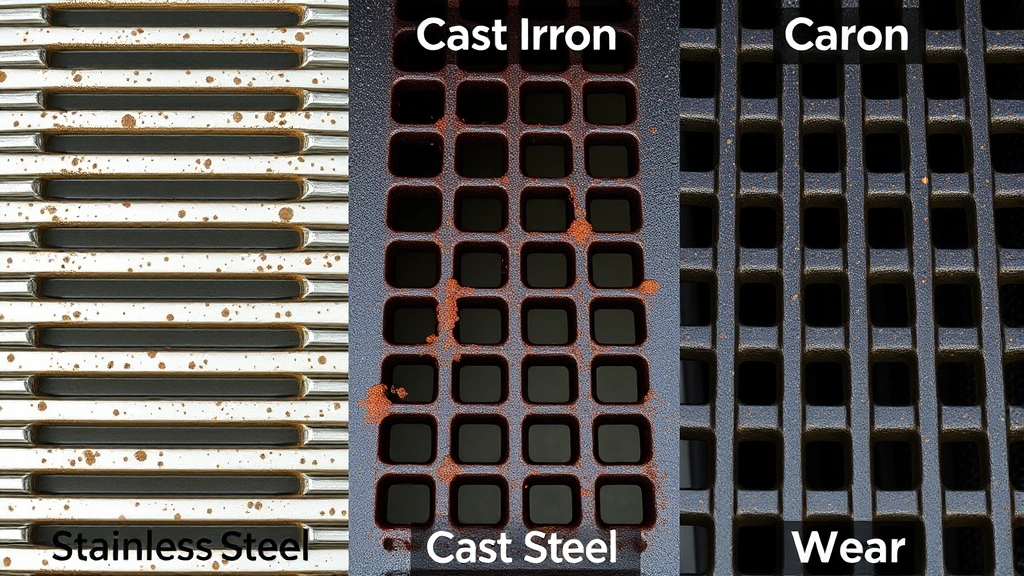
Evaluating stainless steel’s eco-friendliness requires direct comparison with available alternatives, each presenting distinct environmental tradeoffs.
Cast Iron Grates: Cast iron represents the traditional grate material, offering exceptional heat retention and durability when properly maintained. The environmental advantage of cast iron lies in its longevity potential—cast iron grates can function for generations with appropriate care. However, cast iron’s practical environmental performance depends heavily on user maintenance commitment. Neglected cast iron develops rust requiring either replacement or intensive restoration. When maintained meticulously, cast iron’s per-year environmental impact becomes competitive with stainless steel; when neglected, replacement cycles neutralize its theoretical advantages.
Carbon Steel Grates: Carbon steel offers lower cost than stainless alternatives but sacrifices corrosion resistance. These grates typically require replacement every 5-8 years, generating higher cumulative manufacturing impacts than stainless steel. The material is recyclable, but the frequent replacement cycles offset this advantage. Carbon steel represents the least sustainable option among common grate materials when evaluated across complete product lifecycles.
Porcelain-Coated Steel: Porcelain coating provides non-stick characteristics and rust resistance without stainless steel’s cost premium. However, the coating degrades with use, exposing underlying steel to corrosion. Once porcelain coating chips or cracks, the grate experiences accelerated deterioration, typically requiring replacement within 8-12 years. The coating also complicates recycling, as porcelain-coated grates cannot enter standard steel recycling streams.
Titanium Grates: Titanium offers superior corrosion resistance and extreme durability, potentially lasting 25-30+ years. However, titanium production demands significantly more energy than stainless steel, and the material costs limit accessibility. From a definition of sustainability perspective that emphasizes accessibility and practical implementation, titanium’s environmental advantages become primarily theoretical rather than achievable for most consumers.
Across this comparative analysis, stainless steel grates emerge as the optimal balance between durability, recyclability, environmental impact, and accessibility. They don’t represent the absolute lowest environmental impact option, but they offer the most practical and achievable sustainability profile for mainstream consumers.
Health and Safety Environmental Factors
Beyond material durability and recyclability, the health implications of grate materials carry environmental significance. Some grate coatings and treatments introduce chemical compounds that raise health concerns and environmental questions.
Stainless steel’s inherent corrosion resistance eliminates the need for protective coatings that might contain harmful chemicals. Non-stick coatings on some grates contain perfluorinated compounds (PFCs) or similar chemicals that persist in the environment and accumulate in human tissues. When these coated grates degrade or break down, coating particles can contaminate food or environmental systems. Stainless steel avoids these concerns entirely, requiring no chemical coatings or treatments for safe food contact.
The material’s inert nature means stainless steel doesn’t leach harmful substances into grilled food, even when exposed to high heat. This safety profile contributes to stainless steel’s overall environmental advantage, as it eliminates the health-related environmental costs associated with chemical contamination and bioaccumulation in ecosystems.
Maximizing Eco-Friendly Grate Performance
Selecting stainless steel grates represents only the initial step toward eco-conscious grilling. Maximizing environmental benefits requires intentional use and maintenance practices that extend product lifespan and optimize resource efficiency.
Proper Maintenance Practices: Regular cleaning prevents buildup that can accelerate surface degradation. Cleaning with warm soapy water and non-abrasive cloths removes food residue without damaging the protective oxide layer. Avoiding harsh chemicals and chlorine-based cleaners prevents potential corrosion that might compromise the material’s longevity advantage.
Appropriate Storage Conditions: Protecting grates from prolonged exposure to salt spray, excessive moisture, and harsh weather extends functional lifespan. Even stainless steel experiences degradation under extreme environmental conditions, particularly salt-spray exposure in coastal regions. Proper seasonal storage or protective covers maximize durability.
Conscious Purchasing Decisions: Selecting higher-grade stainless steel (316-grade versus 304-grade) provides enhanced corrosion resistance, particularly for coastal or challenging environments. Premium grates with superior craftsmanship typically last longer than budget alternatives, justifying higher initial investment through extended functional life.
These practices align with the broader sustainable energy solutions and resource management philosophy that prioritizes longevity and efficiency. When combined with advantages of electric vehicles and other low-impact choices, intentional grate maintenance contributes to comprehensive lifestyle sustainability.
Additionally, consider the grill itself when evaluating overall environmental impact. Natural gas grills present environmental tradeoffs related to fossil fuel consumption, though they typically exhibit lower lifecycle emissions than charcoal grills when evaluated across their functional lifespan. Pairing quality stainless steel grates with efficient grill design optimizes the environmental profile of your outdoor cooking setup.
For comprehensive sustainability guidance, explore SustainWise Hub Blog resources that address integrated approaches to eco-conscious living. The intersection of material choices, product durability, and usage patterns creates the foundation for meaningful environmental impact reduction.
FAQ
Are stainless steel grates better for the environment than cast iron?
Stainless steel grates offer superior environmental performance compared to cast iron when accounting for realistic maintenance patterns. While cast iron can theoretically last indefinitely with meticulous care, most users experience degradation within 10-15 years, requiring replacement. Stainless steel typically functions 15-25 years with minimal maintenance, reducing cumulative manufacturing impacts and replacement cycles. The environmental advantage depends on actual usage patterns rather than theoretical potential.
Can stainless steel grates be recycled?
Yes, stainless steel grates are fully recyclable through metal recycling facilities. The material maintains its properties through infinite recycling cycles, and recycling requires 60% less energy than primary production. However, recycling benefits only materialize when grates actually reach recycling infrastructure rather than landfills. Contact local metal recyclers or scrap facilities to identify convenient recycling options.
What grade of stainless steel is most eco-friendly?
Grade 304 stainless steel offers excellent environmental balance, providing durability and corrosion resistance suitable for most grilling applications while requiring moderate energy for production. Grade 316 stainless steel provides enhanced corrosion resistance, particularly in coastal or harsh environments, justifying higher production energy through extended functional lifespan. The most eco-friendly choice depends on your specific environmental conditions—selecting the appropriate grade for your climate maximizes durability and minimizes replacement cycles.
How long do stainless steel grates typically last?
Quality stainless steel grates typically function 15-25 years with proper maintenance, with premium grades potentially lasting 30+ years. Lifespan depends on material grade, maintenance practices, environmental exposure, and usage frequency. Coastal regions with salt spray exposure may experience reduced lifespan compared to inland areas, though 316-grade stainless steel resists such conditions more effectively than 304-grade.
Do stainless steel grates require special cleaning products?
Stainless steel grates require only warm soapy water and non-abrasive cleaning cloths for routine maintenance. Harsh chemicals, chlorine-based cleaners, and abrasive scrubbing can damage the protective oxide layer. Specialized stainless steel cleaners exist but aren’t necessary for basic maintenance. Avoiding aggressive cleaning methods extends the material’s lifespan and maintains its corrosion-resistant properties.
Are there eco-friendly alternatives to stainless steel grates?
Cast iron represents the primary alternative, offering longevity potential when meticulously maintained but requiring consistent seasoning and care. Titanium grates provide superior durability but demand significantly more production energy and carry higher costs. Porcelain-coated steel offers cost advantages but exhibits reduced lifespan and complicates recycling. Stainless steel remains the optimal balance for most consumers seeking practical sustainability alongside performance and accessibility.


