
Are Stainless Steel Grates Eco-Friendly? Expert View
When considering outdoor cooking equipment, stainless steel grates for gas grills represent a significant investment in both your backyard and the environment. As sustainability becomes increasingly important to consumers, understanding the ecological impact of materials we use daily matters more than ever. Stainless steel grates offer durability and longevity that can reduce waste, but their production process and lifecycle deserve careful examination.
This comprehensive guide explores whether stainless steel grates truly align with eco-friendly principles. We’ll analyze the manufacturing process, compare them to alternative materials, evaluate their durability benefits, and help you make an informed decision that balances performance with environmental responsibility. Whether you’re upgrading your grill or building a new outdoor kitchen, understanding the sustainability angle of stainless steel grates will enhance your decision-making process.
What Are Stainless Steel Grates and Why They Matter
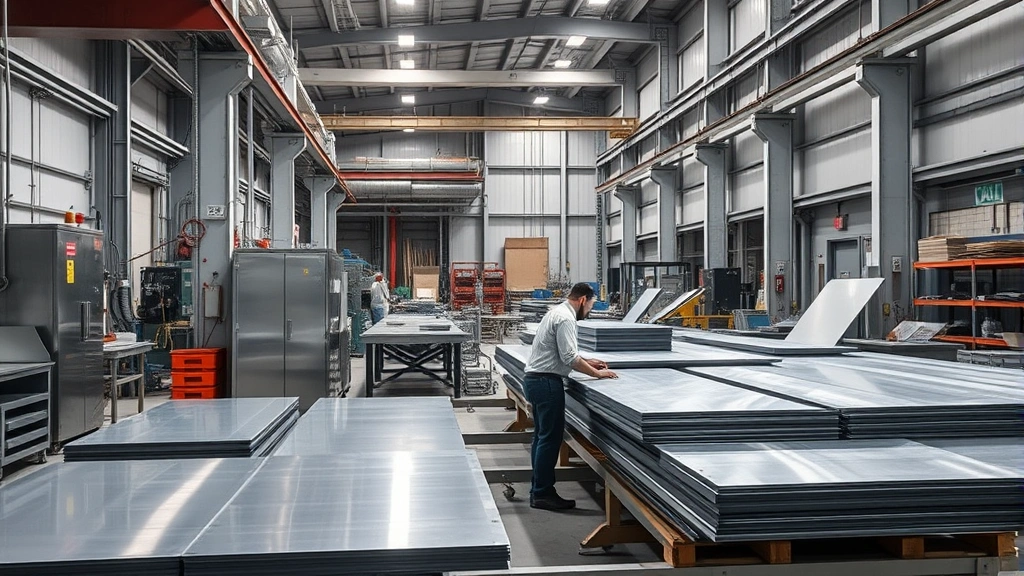
Stainless steel grates are metal cooking surfaces used in gas grills, designed to hold food during the cooking process while allowing heat circulation from below. These grates typically consist of 300-series stainless steel, which includes chromium and nickel alloys that provide corrosion resistance and durability. The material’s popularity in outdoor cooking stems from its ability to withstand extreme temperatures, moisture, and frequent use without degrading quickly.
Understanding why stainless steel grates matter in the sustainability conversation requires examining their role in the broader context of definition of sustainability. When a product lasts longer, it reduces the need for replacement, which directly decreases overall resource consumption and waste generation. This principle of durability-driven sustainability makes material selection for frequently-used items particularly important.
The grates serve as a critical component of any gas grill system, affecting cooking quality, heat distribution, and equipment longevity. Their material composition influences not only performance but also the environmental footprint of your entire outdoor cooking setup. Choosing high-quality stainless steel grates can mean the difference between replacing your grill every few years or enjoying reliable performance for a decade or more.
Manufacturing Process and Environmental Impact
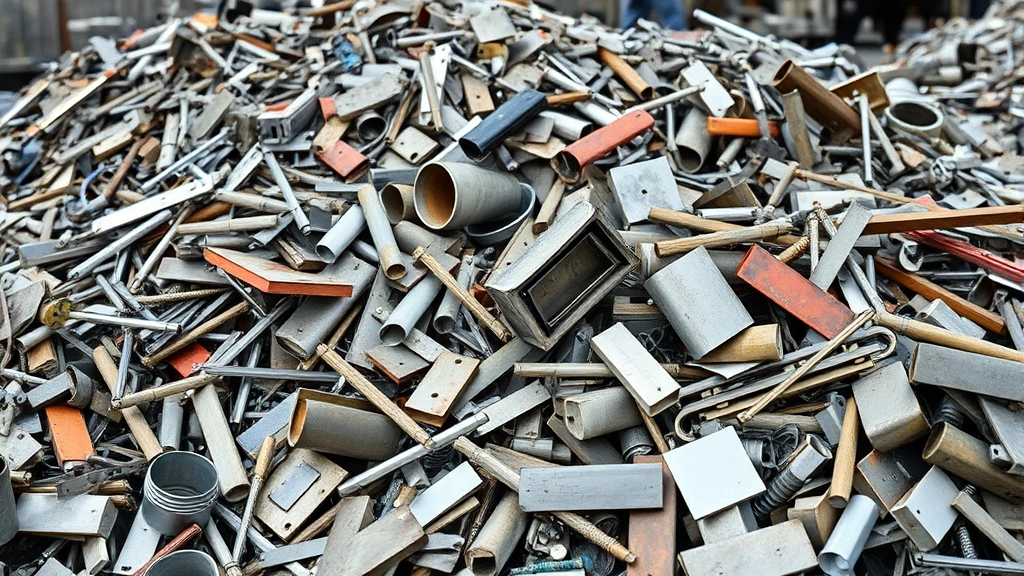
The production of stainless steel involves mining iron ore, nickel, and chromium, followed by intensive processing that requires significant energy input. Steel mills use electric arc furnaces or blast furnaces that consume considerable electricity and fossil fuels, contributing to greenhouse gas emissions. According to the EPA’s greenhouse gas emissions data, metal production accounts for roughly 7-9% of global industrial emissions.
However, the stainless steel industry has made substantial progress in reducing its environmental footprint. Many manufacturers now incorporate recycled content into their production processes, with some facilities using 60% recycled material. This practice significantly reduces the energy required compared to producing stainless steel entirely from virgin ore. When evaluating stainless steel grates, look for manufacturers committed to green technology innovations and transparent reporting of their production methods.
The chromium and nickel alloying process itself requires careful environmental management. These elements must be extracted responsibly to prevent soil and water contamination at mining sites. Reputable manufacturers partner with suppliers who follow strict environmental regulations and implement water treatment systems to minimize ecological damage. The finishing and polishing of grates also generates waste that must be properly managed to prevent environmental harm.
Modern stainless steel production facilities increasingly implement closed-loop systems where water is recycled and waste is minimized. Energy efficiency improvements in recent years have reduced production emissions by 20-30% at leading manufacturers. When selecting stainless steel grates, prioritizing products from certified manufacturers ensures your purchase supports responsible production practices.
Durability and Longevity Benefits
The most compelling sustainability argument for stainless steel grates lies in their exceptional durability. Quality stainless steel grates can last 10-15 years or longer with proper maintenance, compared to cast iron grates that may require replacement every 3-5 years, or cheap steel options lasting only 1-2 years. This extended lifespan directly translates to reduced consumption of raw materials and manufacturing resources.
From a lifecycle perspective, one set of stainless steel grates prevents the need for multiple replacements over a decade. This means fewer manufacturing processes, less transportation emissions, reduced packaging waste, and decreased landfill burden. The concept aligns perfectly with how to reduce your environmental footprint through mindful purchasing decisions that prioritize longevity.
Stainless steel’s resistance to rust and corrosion means grates maintain their integrity even in harsh outdoor conditions. Unlike materials that degrade under UV exposure, moisture, and temperature fluctuations, stainless steel remains structurally sound for decades. This reliability ensures consistent cooking performance and safety, eliminating the need for premature replacement due to material failure.
The cost-per-use calculation for stainless steel grates becomes increasingly favorable over time. While initial investment may be higher than cheaper alternatives, the extended lifespan dramatically reduces the annual cost of ownership. This economic benefit encourages consumers to invest in quality products that simultaneously serve environmental goals, creating a win-win scenario for both wallet and planet.
Comparison with Alternative Grate Materials
Cast Iron Grates: Cast iron offers excellent heat retention and cooking characteristics but requires regular seasoning and maintenance to prevent rust. While cast iron is recyclable and can last generations with care, many users replace cast iron grates every 3-5 years due to surface degradation. The manufacturing process for cast iron uses less alloying material than stainless steel, but lower lifespan negates this advantage over time.
Porcelain-Coated Steel: These grates feature a ceramic coating over steel, providing non-stick benefits and corrosion resistance. However, the coating chips and peels with regular use, exposing underlying steel to rust. Porcelain-coated grates typically last 2-4 years before requiring replacement, making them less sustainable than stainless steel despite lower initial manufacturing impact.
Nickel-Plated Steel: Nickel plating provides corrosion resistance but eventually wears through, exposing base metal to oxidation. These grates rarely last beyond 3-5 years, and the nickel plating process involves hazardous chemicals that can harm workers and environment if not properly managed. The frequent replacement cycle makes nickel-plated options less eco-friendly long-term.
Titanium Alloy Grates: While titanium offers superior durability and lightweight properties, its mining and processing require intensive energy input and create significant environmental disruption. Titanium grates cost substantially more than stainless steel with marginal performance benefits for most users, making them less practical from an environmental standpoint despite excellent durability.
Stainless steel emerges as the optimal balance between durability, environmental impact, and cost-effectiveness. Its 10-15 year lifespan outperforms most alternatives, and its 100% recyclability at end-of-life provides additional environmental benefits. For consumers serious about sustainable energy solutions and responsible resource management, stainless steel grates represent the most defensible choice.
When comparing materials, consider the total lifecycle impact rather than focusing solely on manufacturing emissions. A product that requires replacement every few years creates cumulative environmental damage that often exceeds the initial production impact of more durable alternatives. This principle applies across all consumer goods and encourages thoughtful evaluation of true sustainability.
Recycling and End-of-Life Considerations
One of stainless steel’s greatest environmental advantages emerges at the end of product life. Stainless steel is infinitely recyclable without degradation of material properties, meaning old grates can be melted down and reformed into new products indefinitely. This closed-loop potential makes stainless steel one of the most recycled materials globally, with recovery rates exceeding 85% in developed countries.
The recycling process for stainless steel requires significantly less energy than primary production, reducing emissions by approximately 60%. Scrap stainless steel has genuine market value, incentivizing collection and processing. Many recycling facilities actively seek stainless steel materials because they can sell recovered material at profitable rates, ensuring grates don’t end up in landfills.
When your stainless steel grates finally reach end-of-life, contacting local metal recycling centers ensures proper processing. Many recycling programs accept stainless steel cookware and appliance components without charge or for minimal fees. Some grill manufacturers even offer take-back programs for old equipment, ensuring responsible recycling of all components including grates.
Cast iron and other materials lack stainless steel’s recyclability advantage. While cast iron can technically be recycled, contamination from coatings and corrosion complicates the process. Porcelain-coated grates are particularly problematic because ceramic coatings cannot be easily separated from metal, reducing recycling viability. Stainless steel’s clean, homogeneous composition makes it ideal for circular economy principles.
The environmental benefit of recyclability extends beyond individual products to broader industrial sustainability. Increased demand for recycled stainless steel reduces mining pressure on virgin resources, protecting ecosystems and reducing water contamination risks. By choosing stainless steel grates and properly recycling them, you support an entire system designed for environmental responsibility.
Maintenance and Sustainability Practices
Proper maintenance of stainless steel grates extends their lifespan and maximizes their sustainability benefits. Regular cleaning after each use prevents buildup that can cause corrosion and material degradation. Simple maintenance with warm soapy water and a soft brush keeps grates in optimal condition without requiring harsh chemicals that harm the environment.
For stubborn buildup, avoid abrasive scrubbing pads that can scratch the protective oxide layer on stainless steel. Instead, use specialized stainless steel cleaners formulated with biodegradable ingredients that break down naturally without accumulating in soil or waterways. These eco-friendly cleaning products maintain grate appearance while supporting sustainable living practices across all household activities.
Seasonal storage and weather protection significantly impact grate longevity. Using a high-quality grill cover during off-season prevents unnecessary exposure to harsh elements. Covering your grill when not in use protects stainless steel from salt spray in coastal areas and UV damage in intense sunlight, both of which accelerate material degradation. This simple practice can extend grate lifespan by several years.
Avoid using harsh chemicals or abrasive materials that damage the surface finish. Products containing chlorine bleach or steel wool can create pitting that compromises corrosion resistance. Sustainable maintenance means working with the material’s natural properties rather than against them, using gentle methods that preserve integrity over decades of use.
Regular inspection for any signs of damage allows for prompt repair or replacement of specific grates rather than entire sets. Many quality grates are sold individually or in pairs, enabling targeted replacement that reduces waste. This modular approach to grate replacement supports circular economy principles while extending the overall lifespan of your grilling equipment.
Making an Eco-Conscious Choice
Selecting eco-friendly stainless steel grates requires evaluating several key factors beyond material composition. Research manufacturer sustainability practices, certifications, and transparency reports. Companies committed to environmental responsibility typically publish detailed information about energy use, waste reduction, and supply chain management. Look for third-party certifications like ISO 14001 Environmental Management System certification.
Consider the grates’ origin and transportation distance. Locally-manufactured grates reduce transportation emissions compared to products shipped internationally. Supporting regional manufacturers who employ responsible practices strengthens local sustainability initiatives and reduces your purchase’s carbon footprint. Many quality stainless steel grate producers operate in North America and Europe with established environmental standards.
Evaluate the warranty and availability of replacement parts. A product backed by strong warranty coverage demonstrates manufacturer confidence in durability. Availability of individual grates for replacement means you can maintain equipment longer without replacing entire sets. This design philosophy supports sustainability by reducing unnecessary waste.
Compare total cost of ownership rather than initial purchase price. A higher-quality stainless steel grate may cost more upfront but delivers superior value over its lifespan. Calculate annual cost by dividing total price by expected years of service. Stainless steel typically offers the lowest cost-per-year among all grate materials, making it both economically and environmentally sensible.
Explore certifications from environmental organizations like EPA’s Safer Choice Program or similar bodies that verify environmental claims. Be cautious of vague “eco-friendly” marketing language without supporting documentation. Genuine sustainability comes from measurable practices and transparent reporting, not marketing buzzwords.
When you’re ready to upgrade, properly dispose of old grates through metal recycling programs rather than discarding them. Contact local waste management facilities to locate stainless steel recycling options. Many communities offer free metal recycling, making responsible disposal convenient and cost-effective. This final step completes the sustainability cycle and prevents valuable material from ending up in landfills.
Consider the broader context of advantages of electric vehicles and other sustainable technologies. While electric grills represent an alternative, they require electrical infrastructure and ongoing energy consumption. Gas grills with durable stainless steel grates offer a practical middle ground for consumers seeking to balance performance with environmental responsibility in outdoor cooking.
FAQ
Are stainless steel grates completely rust-proof?
Stainless steel grates resist rust far better than other materials due to their chromium content, which forms a protective oxide layer. However, they’re not technically “rust-proof.” Exposure to salt water, chlorine, or continuous moisture without proper maintenance can eventually cause corrosion. Regular cleaning and seasonal protection maintain the protective layer and prevent rust development.
How often should stainless steel grates be replaced?
Quality stainless steel grates typically last 10-15 years with proper maintenance. Some premium grates last 20+ years. Replace grates only when visible damage, warping, or corrosion compromises cooking surface integrity or safety. This extended lifespan significantly reduces environmental impact compared to materials requiring replacement every few years.
Can stainless steel grates be recycled?
Yes, stainless steel grates are infinitely recyclable. Contact local metal recycling facilities to determine drop-off options. Most recycling centers accept stainless steel cookware and appliance components. Recycling stainless steel requires 60% less energy than primary production, making it an environmentally responsible end-of-life option.
What grade of stainless steel is best for grates?
300-series stainless steel (typically 304 or 316) is ideal for grates. These grades offer excellent corrosion resistance and durability. 316-grade provides superior salt-water resistance, making it preferable for coastal areas. Verify the specific grade when purchasing to ensure you’re investing in appropriate material for your climate conditions.
Are expensive stainless steel grates worth the investment?
Higher-priced stainless steel grates from reputable manufacturers typically use superior material quality, better manufacturing processes, and stronger warranties. The extended lifespan and reliability of premium grates reduce long-term costs and environmental impact. Calculate cost-per-year over expected lifespan to determine true value rather than comparing initial prices alone.
How do stainless steel grates compare environmentally to cast iron?
While cast iron manufacturing uses less alloying material, its shorter lifespan (3-5 years) requires more frequent replacement cycles. Stainless steel’s 10-15 year lifespan means fewer manufacturing processes overall, reducing cumulative environmental impact. Both materials are recyclable, but stainless steel’s superior durability makes it more sustainable long-term.


