
Is Renewable Energy the Future? Analyst Insights
The global energy landscape stands at a critical crossroads. As climate change accelerates and fossil fuel reserves dwindle, renewable energy sources have transitioned from niche solutions to mainstream necessities. Industry analysts, energy economists, and environmental scientists increasingly agree: renewable energy isn’t just the future—it’s becoming the present. This comprehensive analysis explores what experts predict about renewable energy adoption, technological breakthroughs, economic viability, and the real-world implications for businesses and consumers alike.
Understanding whether renewable energy represents our energy future requires examining current trends, technological innovations, policy frameworks, and economic data. The evidence is compelling. Global renewable energy capacity has grown exponentially, costs have plummeted, and major corporations are committing to carbon-neutral operations. Yet challenges remain, including grid integration, energy storage, and the transition away from established fossil fuel infrastructure. Let’s dive deep into what analysts say about renewable energy’s trajectory and what it means for sustainability worldwide.
Current State of Renewable Energy Global Growth
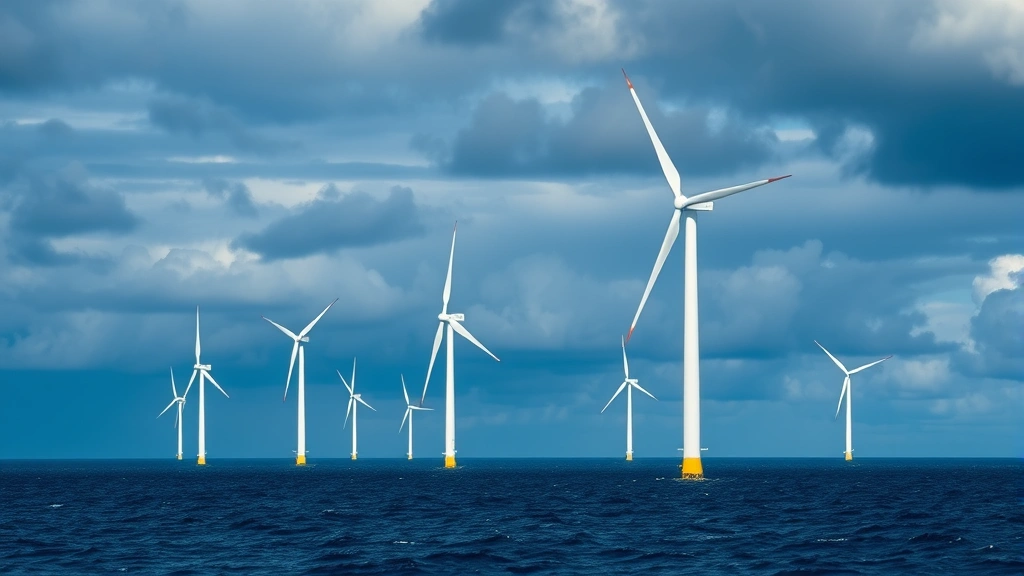
Renewable energy capacity has experienced unprecedented growth over the past decade. According to the International Renewable Energy Agency (IRENA), global renewable electricity capacity surpassed 4,400 gigawatts in 2023, with solar and wind leading the charge. Solar photovoltaic installations alone have grown by approximately 20-25% annually, while wind energy capacity continues expanding across onshore and offshore installations.
The shift is particularly evident in developed nations where renewable energy now comprises significant portions of national electricity grids. Denmark generates over 80% of its electricity from wind power, while countries like Costa Rica regularly achieve weeks powered entirely by renewable sources. Even traditionally fossil-fuel-dependent nations are pivoting toward renewables, recognizing both environmental imperatives and economic opportunities.
Emerging markets present particularly promising growth opportunities. India, Brazil, and Southeast Asian nations are investing heavily in solar and wind infrastructure, driven by both climate commitments and the economic advantage of renewable energy over expensive imported fossil fuels. This democratization of clean energy access represents a fundamental shift in global energy dynamics.
Battery storage technology improvements have been equally transformative. The cost of lithium-ion batteries has declined by over 90% since 2010, making energy storage increasingly economically viable. This development addresses one of renewable energy’s historical limitations: intermittency and the need for reliable backup power.
Why Analysts Believe Renewables Are the Future
Energy analysts and climate scientists cite several compelling reasons why renewable energy represents our inevitable future. First, the Environmental Protection Agency (EPA) emphasizes that fossil fuels remain the primary driver of climate change. Transitioning to renewables is essential for meeting international climate goals, including the Paris Agreement’s target of limiting global warming to 1.5-2°C above pre-industrial levels.
Second, the economic case has become irrefutable. Renewable energy now costs less than fossil fuels in most markets. The levelized cost of electricity (LCOE) from solar and wind installations has become cheaper than coal and natural gas in numerous regions. This cost advantage will only expand as technology improves and manufacturing scales up globally.
Third, resource scarcity presents a practical argument. Fossil fuel reserves are finite and increasingly expensive to extract. Renewable resources—sunlight, wind, water, and geothermal heat—are abundant and inexhaustible. This fundamental advantage ensures long-term energy security and price stability, critical factors for economic planning and development.
Fourth, public health considerations are substantial. Air pollution from fossil fuel combustion causes millions of premature deaths annually. The World Health Organization links outdoor air pollution to cardiovascular disease, respiratory illness, and cancer. Transitioning to clean energy directly improves public health outcomes and reduces healthcare system burdens.
Additionally, technological momentum is accelerating. Breakthroughs in battery chemistry, grid management systems, and renewable energy conversion efficiency create a virtuous cycle where improvements reduce costs, increase adoption, and fund further innovation. This trajectory suggests renewable energy will continue dominating investment and deployment decisions.
Technological Innovations Driving Renewable Adoption
Recent innovations have fundamentally altered renewable energy’s practical viability. Advanced battery systems now enable long-duration energy storage, addressing the intermittency challenge that historically limited renewable adoption. Flow batteries, solid-state batteries, and other emerging technologies promise even greater storage capacity and duration.
Smart grid technology represents another crucial innovation. Artificial intelligence and machine learning algorithms optimize energy distribution in real-time, matching supply with demand and minimizing waste. These systems enable grids to incorporate increasing percentages of variable renewable sources without sacrificing reliability or stability.
Solar efficiency improvements continue advancing. Perovskite solar cells, tandem solar panels, and other next-generation photovoltaic technologies promise conversion efficiencies exceeding 30%, compared to typical silicon panels at 15-20%. These improvements mean smaller installations can generate equivalent power, reducing land use concerns.
Wind energy technology has similarly advanced. Offshore wind turbines now exceed 15 megawatts capacity per unit, with prototypes reaching 20+ megawatts. Floating offshore platforms enable installation in deeper waters, accessing stronger, more consistent winds and reducing visual impact concerns.
Green hydrogen production through electrolysis powered by renewable energy offers transformative potential for hard-to-decarbonize sectors like aviation, shipping, and heavy industry. Several countries are investing billions in hydrogen infrastructure, viewing it as essential for complete energy system decarbonization.
Digital monitoring systems and predictive maintenance using Internet of Things (IoT) sensors maximize renewable installation uptime and efficiency. These technologies reduce operational costs and extend asset lifespans, improving overall return on investment for renewable projects.
Learn more about sustainable energy solutions that incorporate these cutting-edge technologies.
Economic Case for Renewable Energy Investment
The financial argument for renewable energy has become overwhelmingly compelling. Global renewable energy investments reached record levels, with analysts projecting continued growth despite economic uncertainties. Institutional investors, including pension funds and insurance companies, increasingly view renewable energy as essential for portfolio stability and long-term returns.
Job creation represents significant economic benefit. The renewable energy sector now employs more workers than fossil fuel industries in many developed nations. Solar installation, wind turbine maintenance, battery manufacturing, and grid modernization create skilled, well-paying jobs that cannot be outsourced. These employment opportunities exist in rural and urban areas, supporting community development across diverse regions.
Energy independence and price stability provide substantial economic security. Countries investing in domestic renewable resources reduce vulnerability to volatile global fossil fuel markets and geopolitical supply disruptions. This economic resilience benefits both national governments and individual consumers through more predictable energy costs.
Grid modernization investments, while substantial, generate broader economic benefits. Smart grids, distributed energy systems, and microgrid technology create resilience against outages and natural disasters. Enhanced grid reliability reduces economic losses from power interruptions, which cost businesses and consumers billions annually.
Manufacturing opportunities abound as renewable technology demand grows. Countries establishing solar panel, wind turbine, and battery manufacturing facilities gain significant economic advantages. This industrial development creates supply chain opportunities and attracts ancillary businesses, stimulating regional economic growth.
Real estate values benefit from renewable energy investments. Properties with solar installations, wind rights, or proximity to renewable energy infrastructure often command premium valuations. Homeowners and agricultural operators can generate revenue through energy production, improving financial sustainability.
Cost reductions continue accelerating. Economies of scale, manufacturing improvements, and competitive markets ensure renewable energy costs will remain lower than fossil fuel alternatives. This economic advantage becomes more pronounced as fossil fuel extraction becomes increasingly expensive and carbon pricing mechanisms expand globally.
Challenges and Barriers to Renewable Energy Transition
Despite compelling advantages, substantial challenges complicate renewable energy adoption. Intermittency and energy storage remain significant technical hurdles. Solar generation varies with weather and time of day, while wind output fluctuates seasonally. Current battery technology, while improving, cannot yet economically store weeks or months of energy needed during seasonal variations in some climates.
Grid infrastructure requires substantial modernization. Electrical grids designed for centralized fossil fuel generation must be rebuilt for distributed renewable sources. This transformation involves massive capital investment, regulatory changes, and technical innovations. Many regions lack adequate grid capacity to accommodate rapid renewable deployment.
Manufacturing bottlenecks currently constrain renewable energy growth. Solar panel, wind turbine, and battery production cannot yet meet global demand. Supply chain disruptions, semiconductor shortages, and limited rare earth mineral access create deployment delays. Expanding manufacturing capacity requires years of investment and infrastructure development.
Political and regulatory barriers persist despite growing momentum. Fossil fuel industries maintain significant political influence, funding campaigns against renewable energy policies. Some jurisdictions maintain outdated regulations that favor conventional energy sources or impose unreasonable restrictions on renewable installations.
Land use concerns, while often overstated, require thoughtful consideration. Large-scale solar and wind farms require significant land areas. Balancing energy production with agricultural use, conservation, and biodiversity protection demands careful planning and community engagement. Offshore wind development faces maritime stakeholder concerns and regulatory complexity.
Economic stranded assets create transition friction. Existing fossil fuel infrastructure—power plants, coal mines, refineries—represents trillions in invested capital. Accelerated retirement of these assets creates economic disruption for workers and communities dependent on fossil fuel industries. Just transition policies must address these legitimate concerns while advancing renewable adoption.
Technical grid stability challenges emerge as renewable penetration increases. Managing frequency and voltage with variable generation sources requires advanced control systems and sometimes conventional backup generation. Solving these technical problems involves ongoing research and infrastructure investment.
Material constraints warrant attention. Lithium, cobalt, and other materials essential for batteries and some renewable technologies have limited global supplies. Developing sustainable extraction practices, improving recycling, and researching alternative materials are crucial for long-term renewable energy sustainability.
Policy and Regulatory Frameworks Supporting Renewables
Government policies fundamentally shape renewable energy adoption rates. Feed-in tariffs, which guarantee renewable energy producers favorable electricity prices, have driven deployment in Europe and other regions. Renewable portfolio standards mandate that utilities source increasing percentages of electricity from clean sources, creating stable demand for renewable energy.
Tax credits and investment subsidies reduce renewable energy project costs, improving financial returns and accelerating deployment. Investment tax credits for solar and wind installations have proven particularly effective in the United States, spurring billions in clean energy investment.
Carbon pricing mechanisms—carbon taxes and cap-and-trade systems—make fossil fuels more expensive while leveling the economic playing field. The United Nations Climate Change initiative has encouraged carbon pricing adoption globally, recognizing its essential role in energy transition.
Net metering policies allow residential and commercial solar users to receive credits for excess electricity fed into the grid. These policies dramatically improve solar adoption rates by ensuring customers benefit from their renewable investments, supporting the how to reduce your environmental footprint at individual levels.
Renewable energy mandates and targets establish clear expectations for utility companies and governments. These commitments drive long-term planning, infrastructure investment, and technology development necessary for large-scale renewable deployment.
Grid modernization standards and interconnection regulations facilitate renewable energy integration. Streamlined permitting processes, standardized interconnection procedures, and updated grid codes remove bureaucratic barriers that previously delayed renewable energy projects.
Research and development funding accelerates technological innovation. Government investments in battery research, next-generation solar technologies, and grid management systems create breakthroughs that reduce costs and improve performance. Public-private partnerships leverage both government resources and private sector efficiency.
Just transition policies address workforce and community impacts of fossil fuel industry decline. Retraining programs, economic development assistance, and pension guarantees help workers and communities adapt to energy system transformation, building social consensus for renewable energy adoption.
Integration with Sustainable Transportation
Renewable energy’s future increasingly intertwines with transportation electrification. Advantages of electric vehicles extend beyond reducing transportation emissions—they create massive new electricity demand that renewable energy can efficiently supply. As electric vehicle adoption accelerates, electricity grids powered by renewables ensure truly sustainable transportation.
Vehicle-to-grid technology enables electric vehicles to support grid stability. When plugged in, vehicle batteries can discharge electricity during peak demand periods, providing flexible energy storage that complements variable renewable generation. This bidirectional relationship strengthens grid resilience while benefiting vehicle owners.
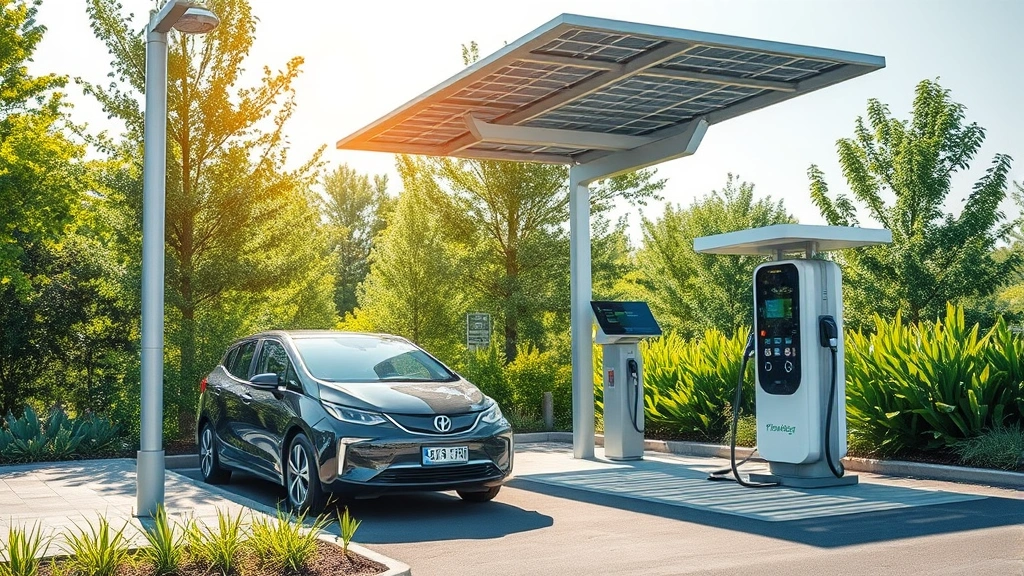
Charging infrastructure powered by renewable energy creates authentic sustainability. Solar-powered charging stations and wind-powered charging hubs ensure that electric vehicles operate on truly clean energy. Home solar installations with vehicle charging capabilities represent integrated energy systems optimizing self-consumption and energy independence.
Public transportation electrification, particularly buses and trains, represents high-impact renewable energy applications. Electrified public transit systems powered by clean electricity dramatically reduce urban air pollution and transportation emissions. Cities worldwide are investing in electric bus fleets and rail electrification, accelerating renewable energy demand.
Hydrogen fuel cell vehicles, powered by green hydrogen produced from renewable electricity, offer another sustainable transportation pathway. While currently limited, hydrogen vehicle technology continues advancing, potentially serving long-haul transportation applications where battery electric vehicles face practical limitations.
The convergence of renewable energy and sustainable transportation creates virtuous cycles. Increased renewable electricity supply supports growing vehicle electrification, while electric vehicles enable more flexible renewable energy integration through smart charging and vehicle-to-grid capabilities. This synergy accelerates decarbonization across both energy and transportation sectors.
Understanding definition of sustainability requires recognizing these integrated energy systems working together toward comprehensive environmental goals.
FAQ
Will renewable energy completely replace fossil fuels?
Industry analysts increasingly suggest complete fossil fuel replacement is possible, though timelines vary. Most projections indicate that renewable energy will supply 70-90% of global electricity by 2050. Remaining fossil fuel use will likely concentrate in hard-to-decarbonize sectors like aviation and heavy industry, where renewable alternatives are still developing. Carbon capture technologies may address residual emissions from these sectors.
What’s the biggest barrier to renewable energy adoption?
Analysts identify energy storage as the primary technical barrier. While improving rapidly, current battery technology cannot economically store seasonal energy variations in all climates. Additionally, political and regulatory barriers perpetuate fossil fuel advantages through subsidies and favorable regulations. Overcoming these barriers requires technological breakthroughs, policy reform, and sustained investment.
Are renewable energy jobs sustainable long-term?
Yes, renewable energy employment offers genuine long-term opportunity. Unlike fossil fuel extraction, which depletes resources, renewable energy industries expand indefinitely. Installation, maintenance, manufacturing, and grid management create permanent, skilled positions. As renewable penetration increases, job opportunities continue growing, particularly in emerging markets developing renewable infrastructure.
How do renewable energy costs compare to fossil fuels?
Renewable energy now costs less than fossil fuels in most global markets. Solar and wind electricity is cheaper than coal and natural gas in numerous regions, with costs continuing to decline. When accounting for environmental and health costs of fossil fuels, renewable energy’s economic advantage becomes even more pronounced. This cost advantage will expand as technology improves and manufacturing scales.
Can grids operate on 100% renewable energy?
Technical analyses suggest grids can operate on very high renewable percentages (80-95%) with current technology. Achieving 100% requires combining renewables with energy storage, demand management, grid interconnection, and potentially some flexible backup generation. Several regions are actively demonstrating high-renewable grids, proving technical feasibility.
What role does nuclear energy play in renewable energy futures?
While nuclear provides clean electricity, most analysts consider it complementary rather than primary. Nuclear plants require decades to build, face waste disposal challenges, and cannot scale as rapidly as renewables. However, next-generation nuclear technologies and small modular reactors may play supporting roles in decarbonized energy systems, particularly in regions with limited renewable resources.


