
STP Gas Treatment: Eco-Friendly or Not?
STP gas treatment has become a household name for drivers looking to improve fuel efficiency and engine performance. But as environmental consciousness grows, many car owners are asking whether this popular fuel additive aligns with sustainable practices. Understanding the true environmental impact of STP gas treatment requires examining its chemical composition, effectiveness claims, and how it fits into broader sustainability principles.
The automotive industry generates significant environmental challenges, from tailpipe emissions to manufacturing waste. Fuel additives like STP promise to optimize engine efficiency and reduce harmful emissions, but the reality is more nuanced. This comprehensive guide explores whether STP gas treatment deserves a place in your eco-conscious vehicle maintenance routine.
What Is STP Gas Treatment?
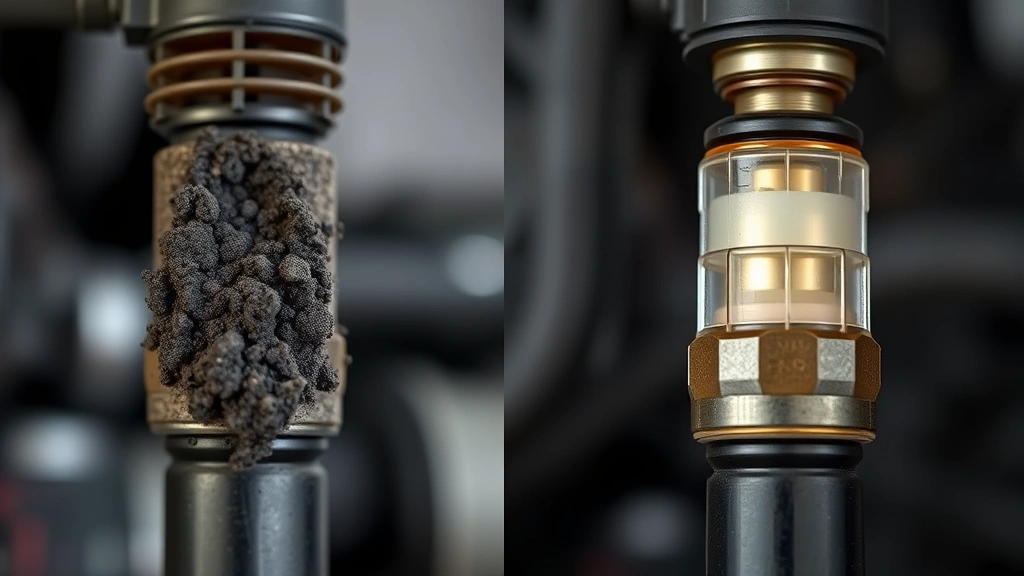
STP (Scientifically Treated Petroleum) is a fuel system cleaner and engine treatment product designed to maintain and improve vehicle performance. The product works by dissolving carbon deposits that accumulate inside fuel injectors, intake valves, and combustion chambers over time. These deposits form naturally as gasoline burns, and they can reduce fuel economy, increase emissions, and cause rough idling or hesitation during acceleration.
The primary active ingredient in STP gas treatment is a detergent package formulated to break down stubborn carbon buildup. When added to your fuel tank, the product circulates through the fuel system with every gallon of gasoline, targeting problem areas where deposits accumulate most heavily. Manufacturers claim this process restores lost fuel efficiency and engine responsiveness while potentially lowering harmful emissions.
STP has marketed itself as a solution to modern engine problems for decades, with the product available at virtually every gas station and automotive retailer. The convenience and affordability of STP make it an attractive option for budget-conscious drivers, but convenience doesn’t necessarily translate to environmental responsibility.

Chemical Composition and Safety
Understanding what’s actually in STP gas treatment is crucial for evaluating its environmental footprint. The product contains several key components: detergents, solvents, and corrosion inhibitors. These chemicals are designed to work synergistically to clean fuel system deposits and protect engine components from rust and wear.
The detergent package typically includes polyisobutylene amine (PIBA) or other polymeric detergents that suspend carbon particles and prevent them from redepositing on engine surfaces. Solvents help dissolve stubborn deposits, while anti-corrosion agents protect fuel injectors and metal components from oxidation and degradation. STP also contains dyes for visibility and identification purposes.
From a toxicological standpoint, STP gas treatment is generally recognized as safe for use in gasoline vehicles when used according to directions. The product meets EPA standards and doesn’t require hazardous material labeling. However, the environmental safety of these chemicals extends beyond simple toxicity assessments. Manufacturing these synthetic compounds requires energy and raw materials, contributing to the product’s overall environmental footprint.
Manufacturing Impact: The production of STP involves petroleum extraction, chemical synthesis, and packaging. Each of these stages consumes energy and generates waste. The plastic bottles used for STP packaging represent single-use plastics that may end up in landfills or oceans, adding to the growing plastic pollution crisis.
Environmental Impact Assessment
Evaluating the environmental impact of STP gas treatment requires examining multiple dimensions: manufacturing emissions, packaging waste, chemical persistence in the environment, and actual emissions reductions achieved through use.
Manufacturing and Distribution: Like all chemical products, STP gas treatment generates carbon emissions during manufacturing, transportation, and retail distribution. The petroleum-based formulation means the product itself is derived from fossil fuels, creating an inherent contradiction for environmentally conscious consumers. Producing and shipping millions of bottles annually contributes measurably to global carbon emissions.
Packaging Concerns: Most STP products come in plastic bottles that are used once and discarded. While some bottles may be recycled, many end up in landfills. The production of plastic packaging requires fossil fuel extraction and processing, generating greenhouse gases and contributing to microplastic pollution. This single-use packaging model conflicts fundamentally with circular economy principles that define true sustainability.
Water and Soil Contamination: When fuel additives are burned in engines, their byproducts enter the atmosphere and eventually deposit on soil and water surfaces. While STP is formulated to burn cleanly, the long-term environmental persistence of its chemical components remains incompletely studied. Some detergent residues can accumulate in aquatic ecosystems, potentially affecting water quality.
The sustainable energy solutions movement increasingly questions whether incremental improvements in fuel efficiency justify the broader environmental costs of chemical additives. This critical perspective challenges manufacturers to demonstrate net environmental benefits.
Does It Actually Reduce Emissions?
Perhaps the most important question is whether STP gas treatment actually delivers on its central promise: reducing harmful emissions. The answer depends on your vehicle’s condition and your specific driving patterns.
Effectiveness on Clean Engines: For vehicles with minimal carbon buildup, STP provides minimal benefit. Modern gasoline contains detergents mandated by the EPA, and well-maintained fuel systems in newer vehicles don’t accumulate dangerous deposits. Adding STP to a car that doesn’t need it wastes money and generates unnecessary environmental impact for no tangible return.
Effectiveness on Dirty Engines: Older vehicles or those with high mileage may have significant carbon deposits that reduce efficiency. In these cases, STP can provide measurable improvements in fuel economy—sometimes 2-5% increases—which translates to modest emissions reductions. However, this benefit is temporary and vehicle-specific.
The Efficiency Paradox: While improved fuel efficiency does reduce emissions per gallon burned, this creates a subtle sustainability trap. Better fuel economy can encourage more driving, offsetting efficiency gains in a phenomenon called the rebound effect. Additionally, relying on chemical treatments instead of addressing root causes—like engine maintenance or driving behavior changes—perpetuates dependence on fossil fuels.
Research from the EPA’s fuel economy resources indicates that proper engine maintenance, tire pressure optimization, and reduced driving speed deliver more consistent and lasting emissions reductions than fuel additives. These behavioral and maintenance approaches cost less and generate zero additional environmental impact.
Eco-Friendly Alternatives
If you’re concerned about engine cleanliness and fuel efficiency without embracing chemical additives, several alternatives deserve consideration.
Regular Maintenance: The most effective and environmentally responsible approach is consistent vehicle maintenance. Regular oil changes, air filter replacement, and fuel filter maintenance prevent the buildup that STP claims to address. Preventive maintenance costs less than treating problems after they develop and eliminates the need for chemical interventions.
Premium Gasoline: Top-tier gasoline brands (Shell, Chevron, Mobil) contain higher detergent concentrations mandated by EPA standards. Switching to premium fuel provides continuous deposit prevention without purchasing separate additives. While premium gasoline costs more per gallon, you avoid plastic waste and manufacturing impacts of separate treatments.
Professional Fuel System Cleaning: For vehicles with severe carbon buildup, professional fuel system cleaning services provide thorough results without ongoing chemical dependency. Mechanics use specialized equipment to flush deposits and restore optimal function, offering a one-time solution rather than repeated treatments.
Driving Behavior Optimization: How you drive affects deposit formation more than most drivers realize. Aggressive acceleration, extended idling, and short trips that prevent engine warm-up all contribute to carbon buildup. Smooth, steady driving patterns and longer trips allow complete combustion and minimize deposit formation naturally.
Exploring advantages of electric vehicles provides the most comprehensive solution. Electric vehicles eliminate fuel system deposits entirely while reducing overall emissions by 50-70% depending on grid electricity sources. For those committed to environmental responsibility, transitioning away from gasoline vehicles represents a more meaningful solution than optimizing their efficiency.
Better Sustainability Practices for Your Vehicle
Rather than relying on STP gas treatment, adopt comprehensive sustainability practices that deliver genuine environmental benefits.
Reduce Driving Frequency: The most effective emissions reduction strategy is driving less. Combining trips, using public transportation, cycling, or working remotely reduces fuel consumption far more dramatically than any additive. This behavioral change costs nothing and provides immediate environmental benefits.
Maintain Optimal Tire Pressure: Under-inflated tires increase rolling resistance, reducing fuel economy by 3% for every pound per square inch below recommended pressure. Checking tire pressure monthly takes minutes and consistently improves efficiency without environmental costs.
Reduce Vehicle Weight: Remove unnecessary cargo, roof racks, and excess items from your vehicle. Every 100 pounds of additional weight reduces fuel economy by approximately 1%. This simple practice costs nothing and immediately improves efficiency.
Plan Efficient Routes: Using GPS to minimize distance and avoid traffic congestion reduces fuel consumption significantly. Route optimization is free and eliminates wasted driving that generates unnecessary emissions.
Consider Vehicle Replacement: Older vehicles produce dramatically higher emissions than modern cars. If your vehicle is 15+ years old, replacing it with a newer model—whether conventional, hybrid, or electric—provides substantial emissions reductions. Modern vehicles are 40-50% more fuel-efficient than vehicles from the 1990s.
The green technology innovations transforming our future increasingly point toward electrification rather than incremental improvements to combustion engines. Fuel additives represent a last-generation approach to an outdated technology.
Monitor Emissions: Modern vehicles include onboard diagnostics that alert you to emission system problems. Addressing check engine lights immediately prevents emissions from increasing. Many auto parts retailers offer free diagnostic scanning that identifies issues before they worsen.
FAQ
Is STP gas treatment safe for my engine?
Yes, STP is safe for gasoline engines when used according to directions. The product meets EPA standards and is compatible with modern fuel systems. However, safety doesn’t equate to necessity—most vehicles don’t require additional fuel treatments beyond what modern gasoline provides.
How often should I use STP gas treatment?
STP recommends using their product every 3,000 miles or with every oil change. This frequent usage pattern generates significant plastic waste and environmental impact. Most vehicles benefit from occasional use only if they show symptoms of fuel system deposits.
Can STP damage my catalytic converter?
No, STP is formulated to be compatible with catalytic converters and other emission control systems. However, using unnecessary additives in vehicles that don’t need them wastes resources and creates unnecessary environmental impact.
Does STP work better than Techron or other brands?
All major fuel system cleaners contain similar detergent packages and deliver comparable results. Brand choice matters less than whether your vehicle actually needs treatment. If you do use additives, brand selection is primarily a cost consideration rather than an environmental one.
Will STP improve my fuel economy?
STP may improve fuel economy by 2-5% in vehicles with significant carbon deposits. Results vary widely depending on vehicle condition, driving patterns, and fuel quality. For vehicles already in good condition, improvements are negligible.
Is STP gas treatment better than switching to electric vehicles?
No. Electric vehicles reduce emissions by 50-70% compared to gasoline vehicles, providing far more environmental benefit than any fuel additive. If environmental impact is your concern, transitioning to electric vehicles represents the most meaningful solution.
What should I do instead of using STP?
Prioritize regular maintenance, use premium gasoline with higher detergent levels, optimize driving behavior, and consider vehicle replacement if your car is aging. These approaches deliver superior environmental results compared to chemical additives.
Are there eco-friendly fuel additives?
Some manufacturers offer plant-based or bio-derived fuel treatments, but these still generate manufacturing emissions and packaging waste. The most eco-friendly approach is avoiding additives entirely by maintaining your vehicle properly and using quality gasoline.
Does STP affect emissions testing?
STP may slightly improve emissions test results by cleaning fuel system deposits, potentially helping older vehicles pass testing. However, this temporary improvement doesn’t address underlying emission system problems that will resurface.


