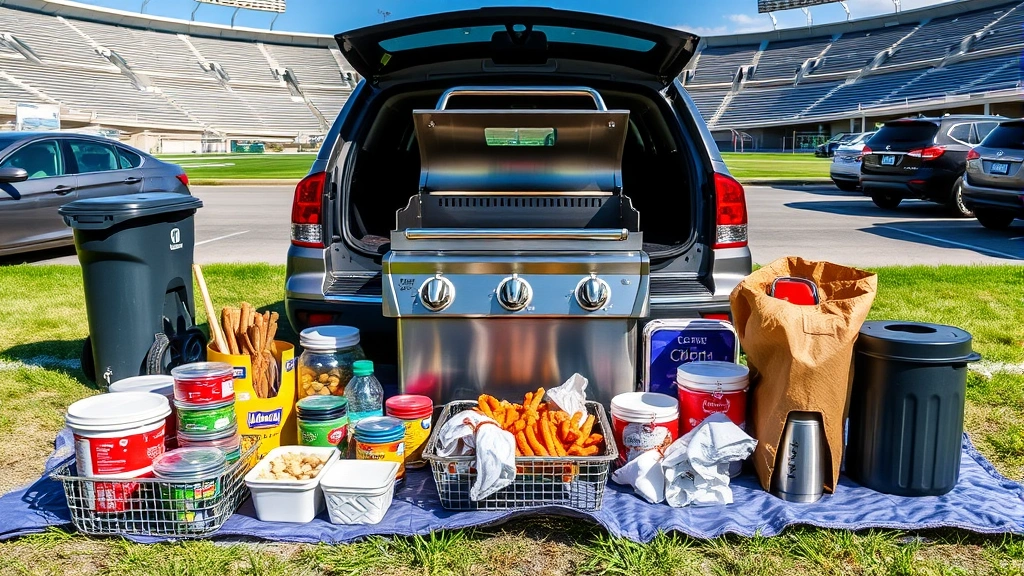
Eco-Friendly Tailgating: Expert Gas Grill Tips for Sustainable Outdoor Entertaining
Tailgating season brings friends, family, and delicious food together, but traditional outdoor grilling often comes with a significant environmental cost. From propane waste to single-use packaging and food spoilage, the average tailgate event generates considerable carbon emissions and waste. However, with thoughtful planning and expert-approved strategies, you can enjoy memorable tailgating experiences while minimizing your ecological impact.
The good news? Making your tailgate gas grill setup more sustainable doesn’t require sacrificing flavor, convenience, or the fun of game day. By adopting eco-conscious grilling practices, choosing efficient equipment, and implementing waste-reduction strategies, you can transform your tailgating tradition into an environmentally responsible celebration. This comprehensive guide shares expert insights on how to optimize your sustainable energy solutions for outdoor cooking while maintaining the perfect grilled experience.
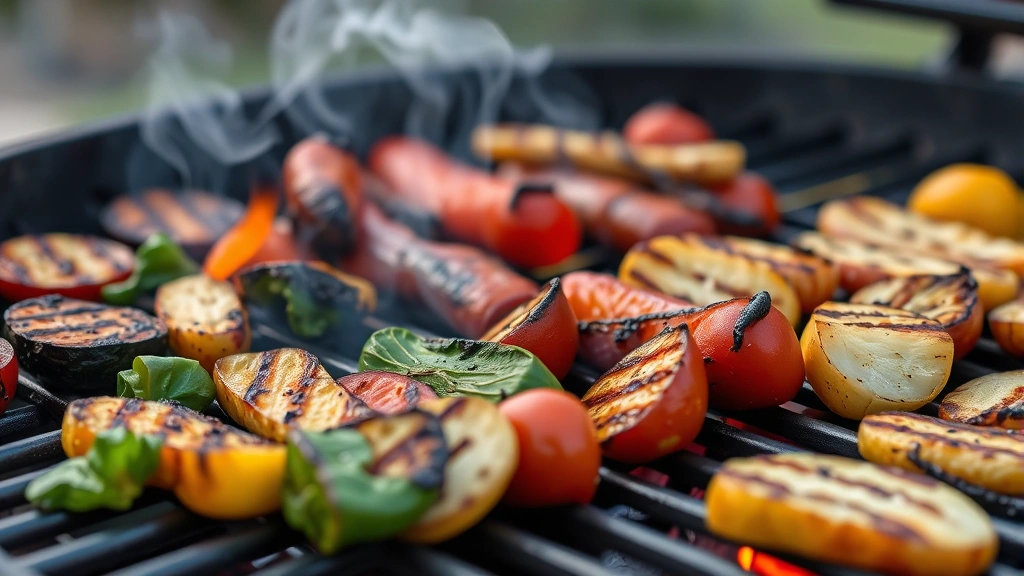
Choosing the Right Tailgate Gas Grill
Selecting an appropriate tailgate gas grill is the foundation of eco-friendly outdoor cooking. Not all grills are created equal when it comes to environmental impact and efficiency. Experts recommend investing in a high-quality, properly-sized grill that matches your typical tailgating group, as oversized equipment wastes fuel while undersized grills require longer cooking times.
Key features to prioritize:
- Insulated construction: Better insulation retains heat more effectively, reducing the propane needed to maintain cooking temperatures
- Efficient burner design: Look for grills with stainless steel burners that distribute heat evenly and minimize fuel waste
- Durable materials: Investing in long-lasting equipment reduces the environmental cost of manufacturing and disposal
- Portable design: Lightweight, compact models reduce fuel consumption during transportation
- Grill size optimization: Choose dimensions that accommodate your typical party size without excessive heat loss
When evaluating tailgate gas grill options, consider the strategies to reduce your environmental footprint through equipment selection. According to the U.S. Environmental Protection Agency, residential outdoor cooking accounts for approximately 5% of residential fuel consumption, making grill efficiency a meaningful sustainability factor.
Experts also suggest choosing grills with removable, cleanable grates and accessible components, as proper maintenance extends equipment lifespan and ensures consistent fuel efficiency. Stainless steel construction, while slightly more expensive initially, outlasts painted steel by many years, reducing the embodied carbon of replacement purchases.
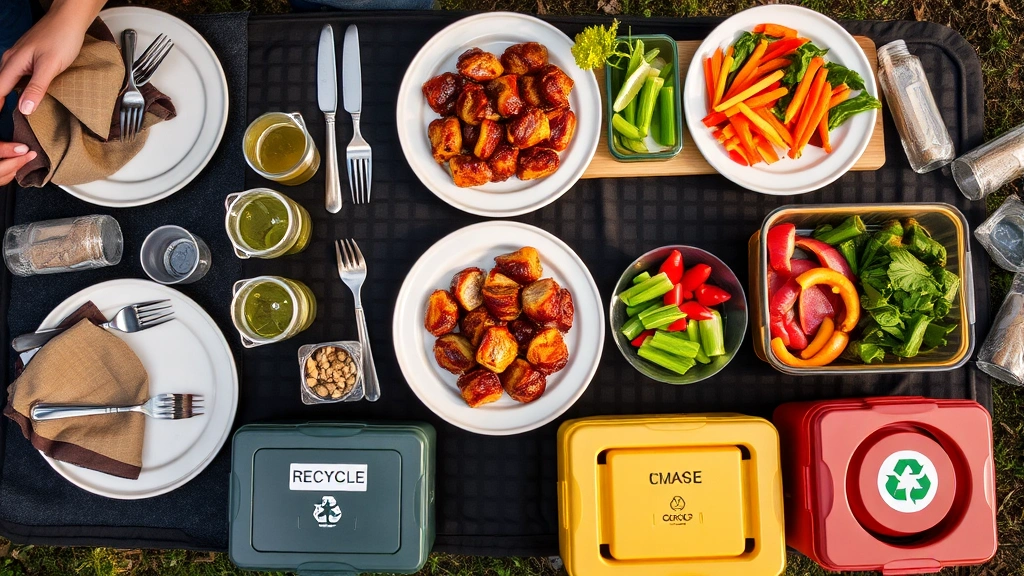
Optimizing Propane Efficiency
Propane is a fossil fuel, and while it burns cleaner than charcoal, minimizing consumption directly reduces your tailgating carbon footprint. Expert grillmasters emphasize that propane efficiency improvements can reduce fuel consumption by 20-30% without compromising cooking quality.
Evidence-based efficiency strategies:
- Preheat strategically: Only preheat for 10-15 minutes rather than 20-30. Modern grills reach optimal temperature quickly, and extended preheating wastes fuel unnecessarily
- Use zone cooking: Create high-heat and medium-heat zones by only igniting necessary burners. This approach concentrates heat where needed and reduces overall fuel consumption
- Keep the lid closed: Opening the grill door releases 25-30% of accumulated heat. Minimize lid opening to maintain temperature stability
- Match burner output to food: Delicate foods like fish require lower temperatures; using full burner capacity wastes propane
- Maintain proper grill temperature: Aim for 375-400°F for most grilling. Overheating above this range provides no cooking benefit while consuming excess fuel
Regular maintenance dramatically impacts propane efficiency. Inspect burner ports quarterly to ensure they’re clear of debris and food residue. Clogged burners create uneven flame patterns and require higher gas flow to achieve target temperatures. Cleaning your tailgate gas grill thoroughly before each season removes buildup that impedes heat transfer.
Consider upgrading to a natural gas connection if you frequently tailgate at the same location. While propane is portable, natural gas connections eliminate the embodied carbon of propane tank manufacturing and transportation. For permanent tailgating setups at stadiums or venues with infrastructure, this represents a meaningful sustainability improvement.
Temperature monitoring technology has advanced significantly. Digital thermometers with wireless connectivity allow you to track grill temperature without opening the lid, preventing heat loss and fuel waste. This simple technology upgrade pays dividends across multiple tailgating seasons.
Sustainable Food Preparation Practices
The food you grill represents another significant environmental component of tailgating. Sourcing decisions, portion planning, and preparation methods collectively impact the total carbon footprint of your event.
Sustainable sourcing recommendations:
- Prioritize local, seasonal proteins: Beef production generates approximately 20 kg of CO2 per kilogram of meat, while locally-sourced chicken produces roughly 6 kg CO2 per kilogram. Choosing regional suppliers reduces transportation emissions
- Consider alternative proteins: Plant-based grilling options like portobello mushrooms, vegetable skewers, and legume-based patties reduce carbon intensity by 50-90% compared to conventional meat
- Buy from sustainable sources: Look for Marine Stewardship Council certified seafood and Rainforest Alliance certified proteins
- Plan precise quantities: Food waste represents wasted resources and emissions. Calculate portions based on actual attendance rather than overestimating
- Prep ingredients at home: Pre-cutting vegetables and marinating proteins at home reduces on-site waste and requires less cooler space, lowering transportation emissions
Marinating proteins before your tailgate offers dual benefits: enhanced flavor reduces reliance on high heat for cooking, and pre-prepared items decrease grill time. Many expert pitmasters recommend marinating for 4-24 hours before grilling, which improves tenderness and flavor while reducing actual cooking duration by 15-20%.
Invest in reusable food containers and serving dishes rather than disposable aluminum and plastic. Bringing from home eliminates packaging waste and reduces the weight transported to your tailgate location, lowering fuel consumption for your journey.
Waste Reduction Strategies
Comprehensive waste management transforms tailgating from an environmentally intensive activity into a responsible celebration. Expert event planners emphasize that waste reduction requires planning before you arrive at your tailgate location.
Multi-stream waste management system:
- Composting containers: Bring designated bins for food scraps, napkins, and compostable serving items. Many municipalities offer drop-off composting facilities
- Recycling stations: Clearly labeled bins for aluminum cans, plastic bottles, and cardboard encourage proper sorting. Aluminum recycling saves 95% of the energy required to produce new aluminum
- Reusable dishware: Pack washable plates, utensils, cups, and napkins instead of single-use alternatives. Modern portable wash stations make cleanup convenient
- Cooler optimization: Use reusable ice packs or frozen water bottles instead of disposable ice, which melts into waste
- Donation planning: Coordinate with local food banks to donate unopened, non-perishable items rather than discarding them
The EPA’s waste reduction guidance indicates that proper waste management can divert 50-75% of tailgate materials from landfills. This represents meaningful environmental impact multiplied across thousands of annual events.
Consider implementing a “leave no trace” philosophy for your tailgating tradition. This approach, borrowed from outdoor recreation ethics, means removing all waste—including small items like bottle caps and food packaging—and leaving your tailgate location cleaner than you found it.
Energy-Efficient Grilling Techniques
Beyond equipment selection and fuel management, specific grilling techniques significantly impact overall energy consumption and environmental footprint.
Expert-recommended efficient cooking methods:
- Batch cooking: Grill all proteins consecutively while maintaining consistent temperature, then transition to vegetables. This approach minimizes temperature fluctuations and fuel adjustments
- Indirect heat cooking: For larger items or longer cooking times, use indirect heat by positioning food away from active burners. This method reduces fuel consumption while preventing burning
- Cooking duration optimization: Bring proteins to room temperature before grilling (30-45 minutes), which reduces required cooking time by 20-30% and fuel consumption proportionally
- Grill covering: Invest in a high-quality grill cover to retain residual heat and reduce preheating requirements for subsequent tailgates
- Thermometer accuracy: Instant-read thermometers eliminate guesswork and prevent overcooking, which wastes fuel and food resources
Many expert grillmasters recommend mastering the “reverse sear” technique for thick steaks and proteins. This method involves cooking at lower temperatures initially, then finishing with high heat for crust development. The approach uses less total fuel while producing superior results compared to conventional high-heat grilling throughout.
Explore green technology innovations in outdoor cooking equipment. Newer grill models feature infrared burners, heat retention technology, and smart temperature controls that optimize fuel efficiency across varying conditions and cooking styles.
Transportation and Carbon Offset
The journey to and from your tailgate location contributes meaningfully to the total carbon footprint of the event. Transportation emissions often exceed the cooking-related impact when multiple trips or long distances are involved.
Transportation optimization strategies:
- Carpool coordination: Combine multiple tailgating groups into fewer vehicles. Sharing transportation reduces per-person emissions by 50-75%
- Vehicle selection: If choosing between personal vehicles, opt for fuel-efficient cars over large SUVs or trucks. Electric vehicles eliminate tailgate-related transportation emissions entirely
- Route planning: Calculate the most direct route to your tailgate location. GPS optimization can reduce driving distance and fuel consumption by 10-15%
- Single-trip packing: Consolidate all tailgating equipment, food, and supplies into one journey rather than making multiple trips
- Carbon offset programs: Calculate your event’s transportation emissions and invest in verified carbon offset projects through platforms like Carbonfund
The EPA’s green vehicle resources provide detailed information on vehicle efficiency ratings and emissions calculations. Using these tools, you can quantify your tailgate transportation impact and identify reduction opportunities.
Consider establishing a tailgating group sustainability commitment. When multiple friends or family members agree to shared environmental goals, individual accountability increases and collective impact multiplies. Many groups find that sustainable tailgating becomes more enjoyable as participants connect over shared values.
Some stadiums and venues have implemented sustainability programs offering incentives for carpooling and public transportation use. Research your specific tailgate location to determine available programs and take advantage of any emissions-reduction initiatives.
FAQ
What propane consumption should I expect from a typical tailgate gas grill?
A standard tailgate gas grill consumes approximately 0.5-1.5 pounds of propane per hour, depending on burner size and heat setting. Efficient operation using the strategies outlined above can reduce consumption toward the lower end of this range. A typical 4-6 hour tailgate event uses 2-6 pounds of propane.
Can I use renewable energy to power my tailgate grilling setup?
While propane grills themselves aren’t powered by electricity, you can use solar power or portable battery systems to run accessories like LED lighting, speakers, and coolers. This approach reduces overall tailgate energy consumption and complements your sustainable energy practices.
How often should I replace my tailgate gas grill for optimal efficiency?
Well-maintained quality grills last 10-15 years or longer. From an environmental perspective, maximizing equipment lifespan is preferable to frequent replacement. Invest in proper maintenance and repairs rather than upgrading unnecessarily.
What’s the most sustainable protein option for tailgating?
Plant-based options like portobello mushrooms, veggie burgers, and legume-based proteins have the lowest environmental impact. If serving meat, locally-sourced chicken and seafood with sustainable certifications represent better choices than conventional beef.
Are charcoal grills more sustainable than gas grills?
This depends on specific circumstances. Charcoal production can involve deforestation, but efficient charcoal from sustainable sources may compete with propane in environmental impact. Gas grills generally offer better efficiency and emissions control, making them the preferable choice for most tailgating scenarios.
How can I make my tailgate gathering completely zero-waste?
Achieving true zero-waste requires comprehensive planning: compostable serving items, reusable dishware, careful portion planning, and arrangements for food donation or composting. While complete zero-waste is challenging, targeting 75-90% waste diversion is realistic and meaningful.


