
Texas Gas Service Sustainability Tips: Expert Insights for Eco-Conscious Consumers
Natural gas remains a significant energy source for millions of Texans, powering everything from home heating to cooking appliances. However, as climate awareness grows, many households are seeking ways to use gas more efficiently while reducing their environmental impact. Whether you’re a long-time Texas Gas Service customer or considering switching providers, understanding how to optimize your gas consumption is essential for both your wallet and the planet. This guide explores practical sustainability strategies that align with modern environmental standards and help you make informed decisions about your energy usage.
Texas, with its diverse climate zones and sprawling geography, presents unique challenges and opportunities for sustainable energy management. From the humid Gulf Coast to the arid West Texas regions, residents face different heating and cooling demands throughout the year. By implementing strategic conservation practices and staying informed about available resources, you can significantly reduce your household’s carbon footprint while maintaining comfort and convenience. Let’s explore evidence-based approaches to sustainable gas service management that experts recommend for Texas residents.
Understanding Your Gas Consumption Patterns
The first step toward sustainable gas service management is understanding how and when you consume natural gas. Most Texas households use gas for space heating, water heating, and cooking. By analyzing your consumption patterns, you can identify opportunities for reduction and efficiency improvements. Request a detailed energy audit from your provider—many utility companies offer these services free or at reduced rates to help customers understand their usage better.
Seasonal variations significantly impact gas consumption in Texas. Winter months typically see higher usage for heating, while summer demand decreases substantially. However, even during warmer months, gas-powered water heaters and cooking appliances contribute to your overall consumption. Tracking monthly bills over a full year helps you understand these patterns and set realistic reduction goals. Many providers now offer detailed consumption insights through online portals, allowing you to monitor usage in real-time.
Understanding peak demand hours is equally important. Gas companies often charge higher rates during peak usage times, typically early morning and evening hours when heating or cooking demands surge. By shifting non-essential gas usage to off-peak hours, you can reduce both your environmental impact and utility costs. For example, running your dishwasher or doing laundry during off-peak times contributes to grid stability while lowering your expenses.
Smart Thermostat Technology and Efficiency
Smart thermostats represent one of the most effective tools for reducing gas consumption while maintaining comfort. These devices learn your heating preferences, adjust temperatures automatically based on occupancy, and provide detailed usage reports. According to the U.S. Environmental Protection Agency’s Energy Star program, programmable and smart thermostats can reduce heating-related energy consumption by 10-15% annually.
Modern smart thermostats offer features like geofencing, which detects when you leave home and automatically adjusts temperature settings to save energy. Some models integrate with weather forecasts to optimize heating schedules based on upcoming temperature changes. By combining these technologies with sustainable energy solutions, Texas residents can achieve significant efficiency gains.
Setting appropriate temperature schedules is crucial for maximizing savings. The U.S. Department of Energy recommends setting your thermostat to 68°F (20°C) when home and awake, and lowering it by 7-10 degrees when asleep or away. Each degree reduction for 8 hours daily can reduce heating costs by approximately 1-3%. In Texas’s milder winters, even modest temperature reductions yield substantial energy savings.
Professional installation ensures your smart thermostat communicates properly with your gas heating system. Improper setup can lead to inefficient operation or missed optimization opportunities. Many utility companies offer rebates for smart thermostat purchases, making these investments more affordable while encouraging adoption of energy-efficient technologies.
Insulation and Weatherization Improvements
Your home’s thermal envelope—the barrier between conditioned and unconditioned spaces—directly impacts gas consumption. Poor insulation, air leaks, and inadequate weatherization force your heating system to work harder, consuming more gas and increasing emissions. Weatherization improvements represent one of the most cost-effective sustainability investments available to Texas homeowners.
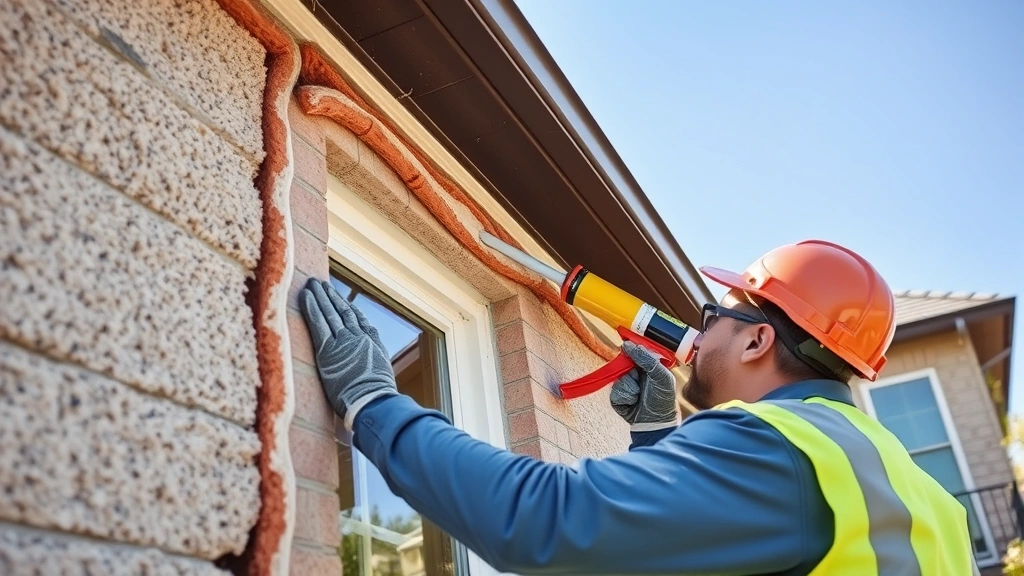
Air sealing is the first priority in any weatherization project. Common air leak locations include window and door frames, electrical outlets, basement rim joists, and where utilities enter your home. Caulking and weatherstripping these areas can reduce heating energy loss by 10-20%. The U.S. Department of Energy’s Weatherization Assistance Program provides funding and technical assistance for low-income households seeking to improve home efficiency.
Attic insulation is particularly important in Texas, where temperature extremes demand robust thermal protection. Most homes built before 2000 have inadequate attic insulation by modern standards. Upgrading to R-38 or higher insulation levels (recommended for most Texas climates) significantly reduces heating losses during winter and cooling loads during summer. This improvement benefits both gas consumption and air conditioning efficiency.
Window upgrades deserve consideration, particularly for older homes. While full window replacement represents a substantial investment, focusing on the most exposed windows or considering secondary glazing options provides meaningful improvements. Energy-efficient windows with low-emissivity coatings reduce heat transfer while maintaining natural light and views.
Door improvements, especially for exterior doors and garage entries, should not be overlooked. Weatherstripping, threshold seals, and door sweeps are inexpensive upgrades that prevent conditioned air from escaping. Garage doors particularly benefit from insulation improvements, as garages often serve as thermal buffers between living spaces and outdoor elements.
Appliance Optimization and Upgrades
Gas-powered appliances—water heaters, furnaces, stoves, and dryers—account for substantial portions of residential gas consumption. Optimizing these appliances and considering strategic upgrades can significantly reduce your environmental footprint while improving performance and safety.
Water heaters deserve special attention, as they typically represent 15-20% of household energy consumption. Lowering your water heater temperature from 140°F to 120°F reduces energy consumption while preventing scalding injuries. Insulating exposed hot water pipes minimizes heat loss as water travels from heater to fixtures. For older water heaters (typically over 10-15 years), replacement with high-efficiency models can reduce energy consumption by 20-30%.
Tankless water heaters eliminate standby losses associated with traditional storage tanks, providing hot water on demand while consuming less gas. While installation costs are higher, long-term energy savings and extended lifespan often justify the investment. Hybrid heat pump water heaters offer even greater efficiency, though they may require electrical upgrades.
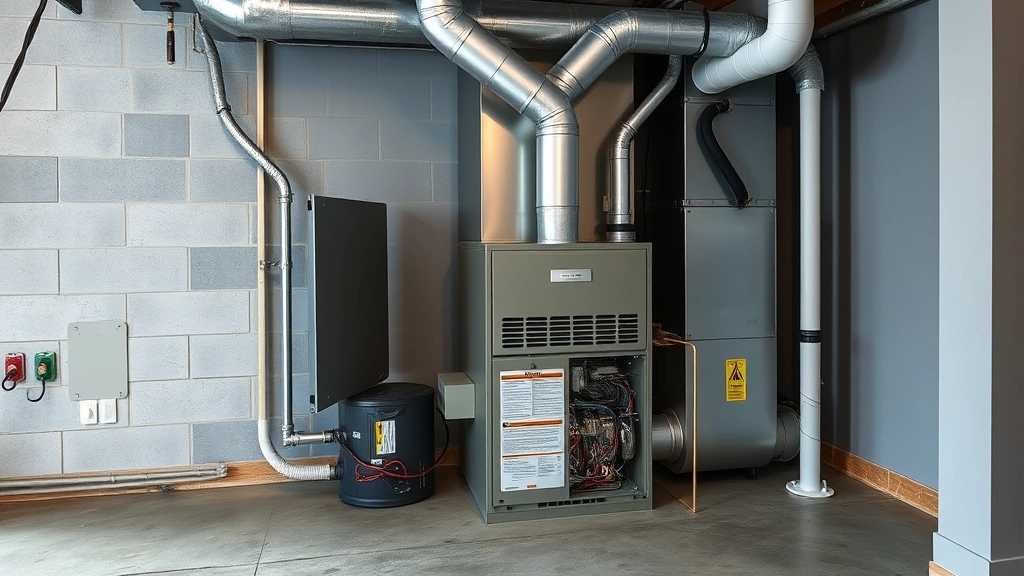
Gas furnaces should be professionally maintained annually to ensure optimal efficiency. A well-maintained furnace operates at peak performance, consuming less gas while providing consistent heating. Cleaning or replacing air filters monthly improves airflow and efficiency. Modern high-efficiency furnaces (AFUE ratings of 90% or higher) consume significantly less gas than older models, making replacement attractive for units over 15 years old.
Gas stoves and cooktops present opportunities for behavioral improvements. Using lids on pots, matching burner size to cookware, and keeping burner ports clean optimize cooking efficiency. When upgrading appliances, consider induction cooktops powered by electricity, which offer superior efficiency and safety benefits while reducing direct gas consumption.
Gas dryers consume substantial energy, particularly in larger households. Air drying clothes when weather permits eliminates this consumption entirely. For situations requiring mechanical drying, heat pump dryers powered by electricity provide superior efficiency compared to gas dryers, though they require longer drying times.
Renewable Energy Integration
While natural gas will likely remain part of Texas’s energy mix, integrating renewable energy sources reduces overall fossil fuel dependence and environmental impact. Solar energy, abundant throughout Texas, pairs effectively with gas service to create hybrid systems that minimize consumption from both sources.
Rooftop solar photovoltaic systems generate electricity that powers heat pumps, smart thermostats, and other electrical loads, reducing your home’s overall energy consumption. While solar doesn’t directly replace gas heating, it reduces total household energy purchases from grid sources powered partially by fossil fuels. Texas’s excellent solar resources make solar investment particularly attractive, with potential returns on investment within 5-10 years.
Solar water heating systems use sunlight to heat water directly, reducing gas water heater loads. These systems work particularly well in Texas’s sunny climate, providing substantial hot water even during cooler months. Combining solar water heating with gas backup ensures reliable hot water year-round while minimizing gas consumption.
Battery storage systems paired with solar installations increase energy independence and resilience. Storing excess solar generation for use during evening peak hours reduces reliance on grid electricity generated from fossil fuels. This integration strategy aligns with green technology innovations transforming our future, positioning your home as part of Texas’s clean energy transition.
Community solar programs allow renters and homeowners without suitable roof space to benefit from solar energy. These shared installations generate credits that reduce electricity consumption and associated fossil fuel reliance, contributing to broader sustainability goals even without rooftop systems.
Monitoring and Bill Management
Effective sustainability requires ongoing monitoring and adjustment. Modern utility billing systems provide detailed consumption data that enables informed decision-making about gas usage. Understanding your bill structure helps identify savings opportunities and track improvement progress.
Most Texas gas utilities offer online account portals with hourly or daily consumption data. Regularly reviewing this information helps identify unusual usage patterns that may indicate equipment malfunctions or leaks. Sudden consumption spikes warrant investigation—they might signal thermostat malfunction, furnace inefficiency, or gas leaks requiring immediate attention.
Establishing baseline consumption measurements before implementing efficiency improvements allows you to quantify savings from each action. Comparing year-over-year consumption during similar weather conditions provides the most accurate assessment of improvement effectiveness. Many utilities offer guidance on reducing your environmental footprint through consumption reduction programs.
Budget billing programs can stabilize monthly expenses while encouraging conservation. By spreading annual consumption costs across equal monthly payments, budget billing removes seasonal bill fluctuations and creates accountability for consumption management. Some programs include incentives for customers who reduce consumption below historical averages.
Utility rebate programs deserve careful attention. Many Texas gas companies offer rebates for thermostat upgrades, furnace replacements, water heater improvements, and weatherization projects. These programs effectively reduce the cost of efficiency investments while supporting broader sustainability goals. Check with your specific provider about available programs—understanding the definition of sustainability includes recognizing how utility incentives support environmental goals.
Time-of-use rate programs, available in some Texas areas, charge different rates based on consumption timing. By shifting flexible gas usage to off-peak hours, customers can reduce both consumption costs and environmental impact. These programs create market incentives for sustainable behavior while rewarding conservation-minded consumers.
For immediate assistance with your Texas Gas Service account, contact their customer service team. Having your account information readily available when calling enables faster service resolution and more personalized efficiency recommendations. Many representatives can discuss sustainability programs, answer billing questions, and schedule efficiency audits.
FAQ
What is the most effective way to reduce gas consumption in Texas homes?
Smart thermostat installation combined with weatherization improvements typically yields the fastest, most substantial consumption reductions. These complementary measures address both behavioral optimization and physical home efficiency, often reducing gas consumption by 15-25% combined. Following this foundation, appliance upgrades and renewable energy integration provide additional benefits.
How do I find my Texas Gas Service phone number for efficiency inquiries?
Your Texas Gas Service phone number appears on your monthly billing statement, typically on the first page in the customer service section. You can also find contact information through their official website or by searching “Texas Gas Service customer service.” Having your account number ready when calling enables faster service and more personalized recommendations.
Are smart thermostats worth the investment for Texas homes?
Yes, smart thermostats typically pay for themselves within 1-2 years through energy savings, with many lasting 10+ years. The 10-15% annual heating efficiency improvement, combined with improved cooling control, makes smart thermostats one of the highest-return efficiency investments available. Many utility companies offer rebates that further improve the financial case.
What weatherization improvements should I prioritize?
Start with air sealing (caulking and weatherstripping), which is inexpensive and delivers immediate results. Follow with attic insulation upgrades if your home has inadequate levels. Then address water heater insulation and window improvements. This prioritization sequence maximizes cost-effectiveness while delivering meaningful consumption reductions.
Can I combine gas service with renewable energy sources?
Absolutely. Solar photovoltaic systems, solar water heating, and other renewables reduce overall household energy consumption and fossil fuel reliance. While these systems don’t directly replace gas heating, they reduce total energy purchases and environmental impact. This hybrid approach represents the most practical path forward for most Texas homeowners during the energy transition.
How often should I service my gas furnace?
Professional furnace maintenance should occur annually, ideally before the heating season begins. Regular maintenance ensures optimal efficiency, extends equipment lifespan, and identifies potential safety issues like gas leaks. Clean air filters (changed monthly during heating season) also contribute to efficient operation.
What temperature should I set my thermostat for optimal efficiency?
The U.S. Department of Energy recommends 68°F when home and awake, with 7-10 degree reductions when sleeping or away. In Texas’s milder climate, even lower temperatures may be comfortable during winter. Smart thermostats automate these adjustments, ensuring you achieve optimal efficiency without manual intervention or comfort sacrifices.


