
TIG Welding Gas: Expert Tips for Eco-Friendly Choices
TIG (Tungsten Inert Gas) welding stands as one of the most precise and versatile welding processes available today, widely used in aerospace, automotive, and manufacturing sectors. However, the environmental impact of TIG welding gas selection often goes overlooked by professionals focused primarily on performance metrics. The shielding gases used in TIG welding—primarily argon, helium, and their mixtures—represent a significant aspect of your operation’s carbon footprint and environmental responsibility. Understanding how to make eco-friendly TIG welding gas choices allows you to maintain superior weld quality while aligning with broader sustainability objectives.
The industrial welding sector consumes millions of cubic feet of inert gases annually, yet many operators remain unaware that their gas sourcing and usage practices directly influence greenhouse gas emissions, energy consumption, and resource depletion. By implementing informed decisions about TIG welding gas procurement, purity levels, and application techniques, manufacturers can substantially reduce environmental impact without compromising weld integrity or production efficiency. This comprehensive guide explores practical strategies for selecting, sourcing, and optimizing TIG welding gases through an eco-conscious lens.
Understanding TIG Welding Gas Fundamentals
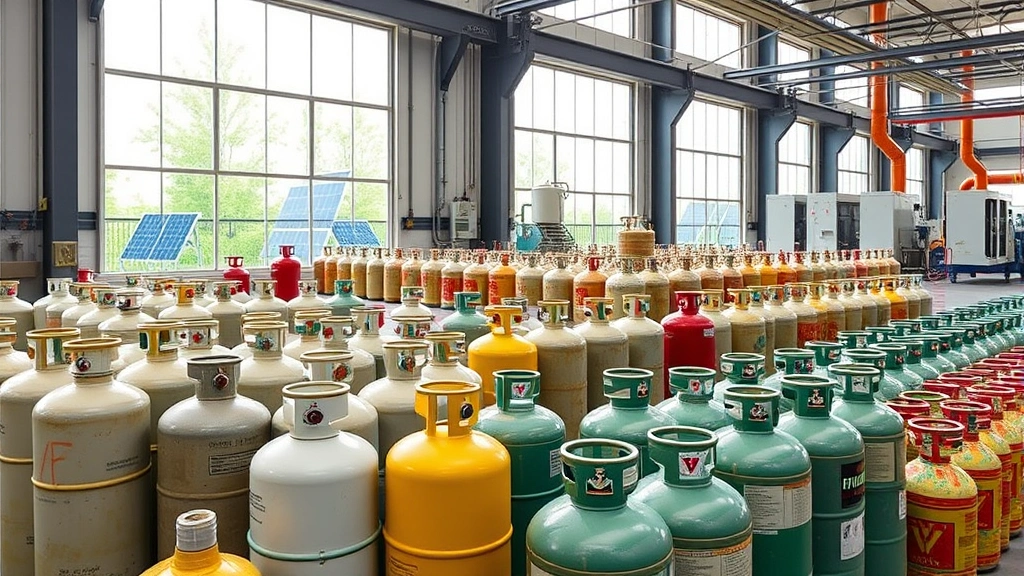
TIG welding requires inert shielding gases that prevent atmospheric contamination during the welding process. Unlike MIG welding or stick welding, TIG processes depend entirely on non-reactive gases to protect the weld puddle, electrode, and surrounding material. The primary gases used include:
- Argon: The most commonly used TIG welding gas, accounting for approximately 80% of all inert gas welding applications. Argon provides excellent shielding for most materials and offers cost-effective performance.
- Helium: Often mixed with argon to increase heat input and penetration in thick materials. Pure helium welding remains rare due to cost and specific application requirements.
- Argon-Helium Blends: Combining both gases optimizes performance for particular material thicknesses and joint configurations.
The selection between these gases profoundly affects not only weld quality but also resource consumption and environmental footprint. When you learn about definition of sustainability, you realize that TIG welding gas choices represent a practical application of sustainable decision-making in industrial operations.
Argon, derived primarily from atmospheric separation through cryogenic processes, exists abundantly in our atmosphere at approximately 0.93% concentration. This abundance makes it theoretically renewable, though the extraction and purification processes consume considerable energy. Helium, conversely, remains a finite resource extracted from underground reserves, making its conservation increasingly important as global reserves diminish.
Environmental Impact of Inert Gases
While inert gases themselves don’t directly contribute to ozone depletion or greenhouse gas accumulation, their production, transportation, and use carry substantial environmental consequences. Understanding these impacts enables informed decision-making about your TIG welding gas procurement strategy.
Production and Energy Consumption: Extracting and purifying argon requires cryogenic separation of liquefied air, an energy-intensive process. Helium extraction involves drilling, pressurization, and purification stages consuming significant electrical power. Facilities powered by renewable energy demonstrate markedly lower carbon emissions compared to those relying on fossil fuels. When sourcing TIG welding gas, inquire about your supplier’s energy sources and production methodologies.
Transportation and Logistics: Gas delivery via truck, rail, or pipeline incurs carbon emissions proportional to distance and vehicle type. Consolidating orders, choosing local suppliers, and utilizing bulk delivery systems rather than individual cylinders substantially reduces transportation-related environmental impact. The logistics chain from production facility to your welding station represents a frequently overlooked sustainability consideration.
Cylinder Management and Waste: Pressurized cylinders require manufacturing, testing, maintenance, and eventual recycling or repurposing. Many facilities waste gas through improper storage, inadequate flow control, or incomplete cylinder utilization. Implementing proper how to reduce your environmental footprint practices in welding operations includes optimizing cylinder management and minimizing waste.
Research from the EPA’s Greenhouse Gas Emissions Sources indicates that industrial gas production contributes measurably to manufacturing sector emissions, though improvements in production efficiency continue reducing this impact.
Choosing Low-Carbon Gas Suppliers
Your TIG welding gas supplier significantly influences your operation’s overall environmental footprint. Not all suppliers prioritize sustainability equally, and selecting environmentally conscious vendors represents a powerful sustainability lever.
Evaluating Supplier Credentials: Request documentation regarding supplier energy sources, production facility certifications, and carbon accounting practices. Leading industrial gas companies increasingly publish sustainability reports detailing their environmental performance metrics. Look for suppliers holding ISO 14001 environmental management certifications, indicating systematic commitment to environmental responsibility.
Carbon-Neutral and Renewable-Powered Production: Some advanced facilities now operate on renewable energy sources including wind, solar, and hydroelectric power. These suppliers produce TIG welding gas with dramatically reduced carbon footprints compared to conventional facilities. While potentially commanding premium pricing, the long-term cost-benefit analysis often favors renewable-powered gas production, particularly for large-volume users.
Local and Regional Sourcing: Selecting nearby suppliers reduces transportation distances and associated emissions. Building relationships with regional gas producers also supports local economic development and reduces supply chain complexity. Many regions have multiple qualified suppliers; comparing their environmental credentials helps identify optimal partners aligned with your sustainability values.
Supplier Transparency and Accountability: Request specific information about production emissions, energy efficiency improvements, and environmental initiatives. Suppliers demonstrating transparency and continuous improvement merit preference over those resistant to sustainability inquiries. This engagement also signals market demand for eco-friendly practices, encouraging broader industry transformation.
Connecting TIG welding gas selection to broader sustainable energy solutions demonstrates how individual procurement decisions accumulate into meaningful environmental impact.
Optimizing Gas Flow and Efficiency
Even with environmentally responsible sourcing, wasteful application practices undermine sustainability objectives. Optimizing TIG welding gas flow and efficiency represents a practical, immediately implementable strategy for reducing consumption without compromising weld quality.
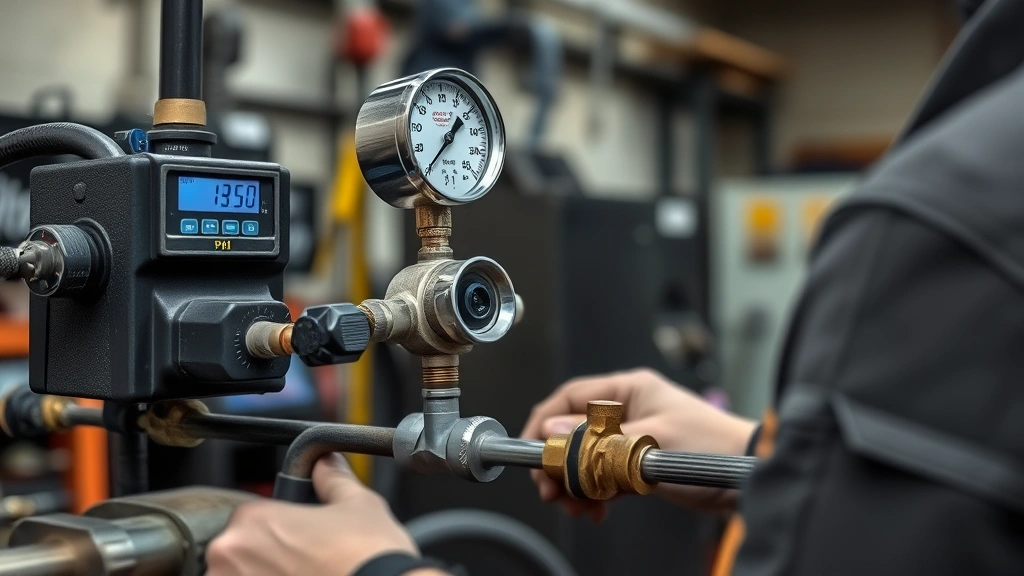
Flow Rate Optimization: Excessive gas flow rates waste shielding gas while providing no performance benefits. Industry standards recommend specific flow rates based on torch type, nozzle diameter, and environmental conditions—typically 15-30 cubic feet per hour (CFH) for most applications. Higher flow rates don’t improve weld quality and directly increase gas consumption and costs. Conducting flow rate audits identifies opportunities for reduction without sacrificing protection.
Nozzle Selection and Maintenance: Worn or improperly sized nozzles create turbulent gas flow, reducing shielding effectiveness and necessitating higher flow rates to compensate. Regular inspection and replacement of nozzles ensures optimal gas delivery and consumption efficiency. Using the smallest appropriate nozzle diameter for your application minimizes gas waste while maintaining adequate coverage.
Environmental Control and Ventilation: Drafty welding environments require increased gas flow to maintain consistent shielding. Implementing localized shielding or wind screens reduces flow requirements, particularly in outdoor or high-traffic shop areas. Proper facility ventilation removes fumes without disrupting gas shielding, balancing worker safety with gas efficiency.
Training and Operator Practices: Operator knowledge directly influences gas consumption patterns. Comprehensive training covering proper torch positioning, appropriate flow rates, and gas-efficient techniques ensures consistent, environmentally responsible practices. Operators understanding the environmental implications of their choices frequently demonstrate improved efficiency and reduced waste.
Cylinder Pressure Management: Monitoring and controlling cylinder pressure prevents gas waste from over-pressurization. Regulators and flow meters require regular calibration to ensure accurate readings and prevent undetected leaks. Implementing pressure monitoring systems identifies leaks promptly, preventing substantial gas loss.
Alternative Gas Mixtures for Sustainability
Beyond standard argon and helium, emerging gas mixtures and alternative approaches offer sustainability advantages for specific TIG welding applications.
Argon-Helium Blends: Rather than pure helium—a finite, increasingly precious resource—argon-helium blends (typically 75% argon, 25% helium) provide enhanced penetration for thick materials while conserving helium. These blends deliver superior performance compared to pure argon on aluminum and copper alloys while reducing reliance on scarce helium reserves. Green technology innovations transforming our future include development of optimized gas formulations reducing resource consumption.
Nitrogen Considerations: Historically avoided in TIG welding due to brittleness concerns, controlled nitrogen additions in specific applications show promise for certain stainless steels. However, nitrogen requires careful management and remains application-specific. Consulting with welding engineers before implementing nitrogen-containing mixtures ensures compatibility with your materials and quality requirements.
Recycled and Reclaimed Gases: Some advanced facilities recover and recycle TIG welding gases from exhaust streams, capturing otherwise wasted material. While not universally applicable, gas recovery systems show promise in high-volume welding operations. Evaluating recycling potential within your facility identifies additional efficiency opportunities.
Gas Mixture Optimization: Working with suppliers to develop custom gas mixtures tailored to your specific applications reduces overall consumption. Rather than accepting standard mixtures, optimized formulations matched to your material types and joint configurations minimize gas usage while maintaining quality standards.
Cost-Benefit Analysis of Eco-Friendly Practices
Implementing eco-friendly TIG welding gas practices often generates immediate financial returns alongside environmental benefits, creating compelling business cases for sustainability investments.
Direct Cost Savings: Reducing gas flow rates, implementing efficient nozzle practices, and preventing waste directly decrease gas consumption and associated costs. A typical welding shop implementing flow optimization reduces annual gas expenses by 10-15% without quality degradation. Over time, these savings accumulate substantially, particularly for high-volume operations.
Operational Efficiency Improvements: Environmental practices frequently enhance overall operational efficiency. Reduced gas consumption means fewer cylinder changes, lower inventory management costs, and decreased storage space requirements. Training operators on efficient practices improves productivity metrics alongside environmental performance.
Premium Market Positioning: Demonstrating commitment to sustainability through eco-friendly TIG welding gas practices appeals to environmentally conscious clients. Many manufacturers, particularly in aerospace and automotive sectors, prioritize suppliers demonstrating environmental responsibility. This market positioning justifies premium pricing and strengthens competitive advantages.
Risk Mitigation: As environmental regulations tighten globally, proactively adopting sustainable practices positions your operation ahead of future compliance requirements. Avoiding reactive changes under regulatory pressure proves more cost-effective than rapid, unplanned transitions.
Long-Term Resource Security: Helium scarcity increases prices annually. By reducing helium consumption through optimized gas mixtures and efficient practices, your operation insulates itself from future price volatility and potential supply disruptions. This resource security represents genuine strategic advantage.
Industry Standards and Certifications
Multiple industry frameworks and certifications guide sustainable TIG welding gas practices, providing benchmarks and accountability mechanisms.
ISO 14001 Environmental Management: This internationally recognized standard establishes systematic approaches to environmental responsibility. Welding facilities achieving ISO 14001 certification demonstrate commitment to continuous environmental improvement, including TIG welding gas practices. Suppliers and operators maintaining these certifications provide assurance of structured environmental management.
Welding Quality Standards: AWS (American Welding Society) standards specify shielding gas requirements for various applications and materials. Understanding these standards prevents unnecessary over-specification of gas purity or flow rates, reducing consumption while maintaining code compliance. Standards-compliant practices balance environmental responsibility with technical requirements.
Carbon Accounting and Reporting: Organizations like the Greenhouse Gas Protocol Initiative provide frameworks for measuring and reporting industrial gas emissions. Implementing these accounting methods quantifies environmental impact, tracks improvement progress, and demonstrates accountability to stakeholders.
Third-Party Certifications: Some industrial gas suppliers pursue third-party certifications verifying carbon claims and environmental practices. B Corp certification, carbon trust certification, and similar credentials provide independent verification of environmental commitments. Prioritizing certified suppliers ensures authentic environmental performance rather than unsubstantiated claims.
Industry Best Practices: Professional welding organizations continuously develop and disseminate best practices incorporating sustainability considerations. Engaging with these organizations through membership, training programs, and conferences keeps your operation aligned with evolving industry standards and emerging sustainability innovations.
Understanding how TIG welding gas practices fit within the broader SustainWise Hub Blog ecosystem of sustainability topics reveals interconnected environmental considerations across industrial operations.
FAQ
What is the most environmentally friendly TIG welding gas?
Argon produced using renewable energy sources represents the most environmentally friendly option for most applications. Its atmospheric abundance makes it theoretically renewable, and production powered by wind, solar, or hydroelectric energy minimizes carbon footprint. For applications requiring enhanced penetration, argon-helium blends (75% argon, 25% helium) provide superior performance while conserving finite helium reserves.
How much can I reduce gas consumption through flow optimization?
Most welding operations achieve 10-20% gas consumption reduction through flow rate optimization alone. Implementing comprehensive efficiency practices—including proper nozzle selection, regular maintenance, operator training, and environmental controls—can reduce consumption by 25-35% without sacrificing weld quality or production rates.
Do eco-friendly TIG welding gas practices increase costs?
Initially, selecting renewable-powered suppliers or implementing efficiency systems may incur modest upfront costs. However, reduced gas consumption generates cost savings typically recovering these investments within 6-12 months. Long-term benefits include insulation from helium price volatility, improved operational efficiency, and premium market positioning justifying competitive advantages.
Can I use alternative gases like nitrogen in TIG welding?
Nitrogen remains problematic for most TIG applications due to brittleness and weld quality degradation in carbon steels. Limited applications exist for nitrogen in specific stainless steel situations, but this requires specialized expertise and careful qualification. Standard argon-based solutions remain superior for nearly all TIG welding applications.
How do I verify supplier environmental claims?
Request documentation including ISO 14001 certification, published sustainability reports, energy source specifications, and third-party environmental certifications. Ask specific questions about production facility location, power sources, carbon accounting practices, and continuous improvement initiatives. Transparent suppliers readily provide this information and encourage facility visits for verification.
What role does TIG welding gas selection play in overall sustainability?
TIG welding gas represents one component within comprehensive industrial sustainability strategies. When combined with advantages of electric vehicles for transportation, renewable energy adoption, and waste reduction initiatives, welding gas optimization contributes meaningfully to organizational environmental performance and demonstrates integrated sustainability commitment.


