Top Eco Trucks? Consumer Ratings Reveal All
The truck market has undergone a significant transformation in recent years, driven by consumer demand for vehicles that balance power and performance with environmental responsibility. Whether you’re a contractor, outdoor enthusiast, or daily commuter, finding trucks with good gas mileage no longer means sacrificing capability or comfort. Modern eco-conscious trucks leverage advanced engineering, lightweight materials, and hybrid or electric powertrains to deliver impressive fuel efficiency without compromising the hauling and towing capacity you need.
Consumer ratings and real-world testing data reveal that today’s most sustainable trucks come from manufacturers who’ve invested heavily in reducing emissions and improving fuel economy. From diesel innovations to hybrid systems and fully electric options, the landscape of fuel-efficient trucks has never been more diverse. This comprehensive guide examines the top-rated eco trucks based on consumer feedback, environmental impact, and practical performance metrics to help you make an informed decision.
Understanding Truck Fuel Efficiency Ratings
Before diving into specific models, it’s essential to understand how fuel efficiency is measured and what these ratings actually mean for your wallet and the environment. The EPA’s fuel economy website provides standardized testing that accounts for city driving, highway driving, and combined scenarios. Most trucks are tested with a standard payload, though real-world conditions vary significantly based on load, terrain, and driving habits.
Fuel economy is typically measured in miles per gallon (MPG), with separate ratings for city and highway driving. For trucks, you’ll also see estimates for towing capacity and how towing affects efficiency. Many consumers overlook the importance of understanding definition of sustainability when evaluating vehicles, but it encompasses not just fuel consumption but also lifecycle emissions, manufacturing impact, and end-of-life recyclability.
The best eco trucks achieve 20-35+ MPG depending on the powertrain type, payload configuration, and driving conditions. Consumer ratings on platforms like J.D. Power, Consumer Reports, and Edmunds provide valuable insights into long-term reliability, real-world fuel economy, and owner satisfaction. These ratings account for factors beyond EPA estimates, including maintenance costs, depreciation, and actual fuel consumption reported by owners.
Top-Rated Hybrid Trucks for 2024
Hybrid trucks represent the sweet spot for many consumers seeking trucks with good gas mileage without fully committing to electric powertrains. The Ford F-150 PowerBoost Hybrid consistently receives top consumer ratings, achieving 24 MPG combined in EPA testing with impressive real-world performance. Owners report satisfaction with the seamless transition between electric and gasoline power, along with the truck’s substantial towing capacity of up to 14,000 pounds.
The General Motors Sierra Denali AEV Hybrid offers similar efficiency metrics with 23 MPG combined, featuring a refined dual-motor system that enhances both fuel economy and acceleration. Consumer feedback highlights the smooth driving experience and the substantial fuel savings on long trips. The truck’s advanced regenerative braking system captures energy that would otherwise be lost, converting it back into battery power.
Toyota’s truck lineup, while more limited in the U.S. market, offers exceptional hybrid efficiency. The Toyota Tundra Hybrid achieves approximately 22 MPG combined while maintaining Toyota’s legendary reliability reputation. Owners consistently praise the long-term durability and minimal maintenance requirements compared to conventional gasoline trucks.
Hybrid trucks also benefit from sustainable energy solutions built into their architecture. Features like idle-stop technology, which automatically shuts down the engine during traffic stops, can improve city driving efficiency by up to 15%. The battery management systems in modern hybrids are sophisticated enough to optimize power delivery based on driving patterns, further enhancing real-world fuel economy.
Electric Truck Revolution
The electric truck market has exploded in recent years, with the Ford F-150 Lightning leading consumer satisfaction ratings among fully electric pickups. The Lightning achieves an EPA-estimated 100+ MPGe (miles per gallon equivalent), translating to significantly lower operating costs compared to gasoline or diesel alternatives. Consumer reports indicate satisfaction with the truck’s impressive 0-60 acceleration, spacious interior, and innovative features like the integrated generator capability.
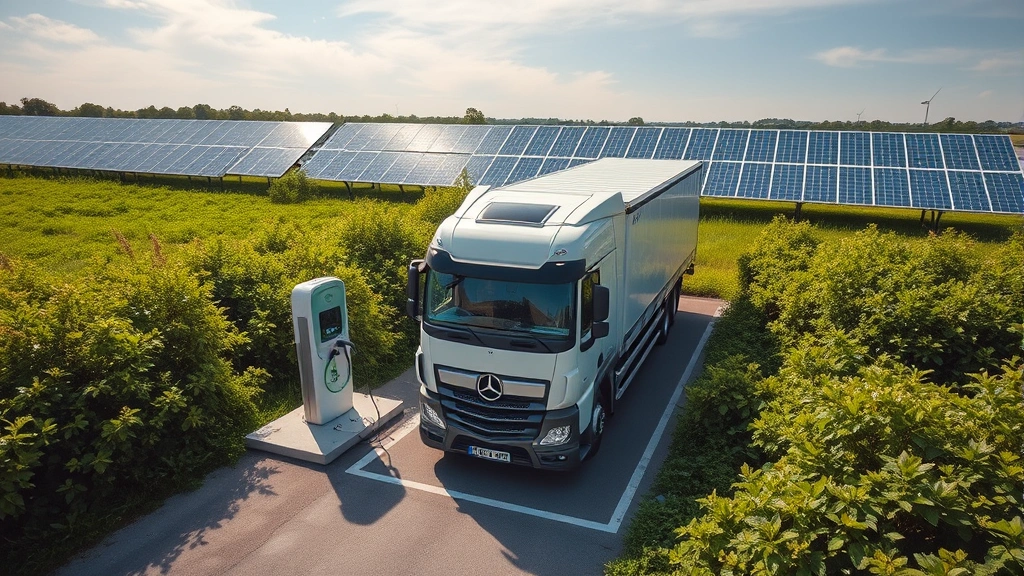
The Chevrolet Silverado EV and GMC Sierra EV are generating substantial consumer interest, with expected efficiency ratings exceeding 110 MPGe. These vehicles represent the future of sustainable truck technology, offering zero direct emissions and the ability to charge at home using renewable energy sources. The environmental benefits extend beyond operational emissions; electric trucks produce no tailpipe pollutants, significantly improving air quality in communities where they operate.
Consumer ratings for electric trucks often emphasize the dramatic reduction in fuel costs. At current electricity rates, charging an electric truck typically costs one-third to one-half the price of gasoline fuel for equivalent mileage. This economic advantage is compelling for fleet operators and high-mileage owners. However, considerations regarding charging infrastructure, battery range in cold weather, and upfront purchase costs remain important factors influencing consumer decisions.
Understanding the advantages of electric vehicles goes beyond efficiency metrics. Electric trucks produce zero tailpipe emissions, contribute to improved public health outcomes, and support the transition toward sustainable energy solutions in the transportation sector. As grid electricity increasingly comes from renewable sources, the environmental benefit of electric trucks continues to improve over time.
The Department of Energy’s fuel economy guide provides comprehensive comparisons between electric and conventional trucks, helping consumers understand the total cost of ownership.
Diesel Efficiency Leaders
Diesel trucks occupy an important niche in the eco-conscious vehicle market, particularly for owners requiring maximum towing capacity. Modern diesel engines have become significantly cleaner and more efficient than their predecessors, thanks to advanced emissions control systems and fuel injection technology. The Ford F-250 Super Duty Diesel consistently receives high consumer ratings for achieving 22-25 MPG on the highway while maintaining towing capacities exceeding 35,000 pounds.
The Ram 2500 Power Wagon Diesel represents another top-rated option, with consumers praising its efficiency, durability, and off-road capabilities. Diesel engines produce more torque at lower RPMs, which translates to better efficiency when towing heavy loads compared to gasoline alternatives. Consumer reports indicate that diesel trucks often deliver 20-30% better fuel economy than comparable gasoline models, particularly when loaded.
Diesel technology has advanced significantly, with modern common-rail injection systems, turbochargers, and selective catalytic reduction (SCR) emissions control reducing both fuel consumption and harmful pollutants. However, consumers should be aware that diesel fuel prices fluctuate independently from gasoline, potentially affecting long-term cost savings. The EPA’s emission standards for light-duty vehicles ensure that modern diesel trucks meet strict environmental requirements.
When evaluating diesel trucks with good gas mileage, consider the total cost of ownership including fuel prices, maintenance intervals, and potential repair costs. Consumer ratings generally indicate that diesel trucks have excellent longevity, often exceeding 250,000 miles with proper maintenance. This extended lifespan reduces the environmental impact per mile driven, supporting the case for diesel as a sustainable option for high-mileage users.

Consumer Ratings and Real-World Performance
Consumer ratings reveal important distinctions between EPA-estimated fuel economy and real-world performance. Most owners report actual fuel economy within 10-15% of EPA estimates, depending on driving conditions and habits. Highway driving typically yields better efficiency than EPA city ratings, while towing and payload capacity significantly impact actual consumption.
J.D. Power’s annual truck studies consistently highlight the Ford F-150 PowerBoost Hybrid as a top performer in the reliability and fuel economy categories. Consumer satisfaction scores emphasize the truck’s practical efficiency improvements without sacrificing traditional truck capabilities. Owners particularly value the smooth hybrid system integration and the ability to operate on electric power alone during low-speed maneuvers.
Consumer Reports’ truck testing includes real-world fuel economy measurements conducted by their own engineers, providing independent verification of manufacturer claims. Their recent evaluations confirm that hybrid trucks deliver measurable fuel savings while maintaining strong resale value. The publication also notes that electric trucks, while requiring initial investment in charging infrastructure, offer compelling long-term economics for appropriate use cases.
Edmunds.com consumer reviews frequently mention the importance of driving habits in achieving optimal fuel economy. Consumers who maintain proper tire pressure, avoid aggressive acceleration, and reduce unnecessary idling report fuel economy improvements of 5-10% beyond baseline EPA estimates. These insights underscore that how to reduce your environmental footprint extends to daily driving practices and vehicle maintenance routines.
Real-world consumer data also reveals that truck selection should align with actual usage patterns. Consumers who primarily use their trucks for light hauling and commuting report greater satisfaction with hybrid or electric options, while those regularly towing heavy loads appreciate diesel efficiency. Honest assessment of your typical truck use ensures you select a vehicle that optimizes both fuel economy and capability.
Cost-Benefit Analysis of Eco Trucks
The financial case for eco trucks has strengthened considerably as fuel prices remain volatile and technology costs decline. Hybrid trucks typically cost $3,000-$5,000 more than comparable gasoline models, but fuel savings often recover this premium within 3-5 years of typical driving. Electric trucks currently command higher upfront premiums, but federal tax credits up to $7,500 and state incentives significantly improve the value proposition.
Total cost of ownership calculations should include fuel costs, maintenance, insurance, depreciation, and potential tax incentives. Hybrid trucks generally require less maintenance than conventional trucks due to regenerative braking systems reducing brake wear. Electric trucks eliminate oil changes, spark plugs, and transmission fluid requirements, dramatically reducing maintenance costs over the vehicle’s lifetime.
Consumer financial data from automotive websites indicates that hybrid truck owners save an average of $1,200-$1,800 annually on fuel compared to equivalent gasoline models. Electric truck owners save even more on fuel, though electricity costs vary regionally. When combined with reduced maintenance expenses and available tax incentives, the financial advantage of eco trucks becomes compelling for many buyers.
Long-term value retention is another important consideration. As environmental regulations tighten and fuel prices potentially increase, eco trucks are expected to maintain resale value better than conventional gasoline trucks. Consumer analysis suggests hybrid and electric trucks will represent an increasingly attractive used vehicle market, supporting stronger depreciation curves.
Financing options for eco trucks have improved dramatically, with many manufacturers offering special incentives and favorable loan terms for fuel-efficient and electric vehicles. Exploring green technology innovations transforming our future includes understanding how financial products are evolving to support sustainable vehicle adoption.
Environmental Impact Comparison
Beyond fuel consumption, evaluating eco trucks requires understanding their broader environmental impact across their entire lifecycle. Lifecycle analysis encompasses manufacturing emissions, operational emissions, and end-of-life recycling. While electric trucks produce zero tailpipe emissions, their manufacturing process, particularly battery production, generates significant carbon emissions that must be offset through operational benefits.
Studies indicate that an electric truck becomes carbon-neutral compared to a gasoline truck after approximately 15,000-25,000 miles of driving, depending on the regional electricity grid’s composition. As grids increasingly incorporate renewable energy, this payback period continues to shorten. Hybrid trucks achieve carbon neutrality much faster, typically within 5,000-10,000 miles of operation.
The environmental benefits of reduced emissions extend beyond climate impact. Diesel trucks equipped with modern emissions control systems produce significantly lower levels of nitrogen oxides (NOx) and particulate matter compared to older vehicles. Electric trucks eliminate these local air pollutants entirely, providing substantial public health benefits in urban areas where trucks operate frequently.
Consumer awareness of environmental impact has increased substantially, with many truck buyers specifically seeking vehicles that align with their sustainability values. The FuelEconomy.gov website provides detailed environmental impact information for each vehicle, including greenhouse gas emissions ratings and air pollution scores.
Water usage in vehicle manufacturing and battery production represents another environmental consideration. While battery production requires water resources, the operational water savings from eliminating oil changes and reducing coolant requirements in electric trucks offset some of these initial impacts. Responsible end-of-life battery recycling programs are essential for maximizing the environmental benefits of electric trucks.
Tips for Maximizing Truck Fuel Efficiency
Regardless of which eco truck you select, implementing practical driving and maintenance strategies can improve fuel economy by 10-20%. Maintaining proper tire pressure is perhaps the single most impactful habit; underinflated tires increase rolling resistance and can reduce fuel economy by 3-5%. Check tire pressure monthly and before long trips, adjusting to the manufacturer’s recommended PSI rather than the maximum pressure listed on the tire sidewall.
Aggressive acceleration and high-speed driving dramatically reduce fuel economy, with highway speeds above 55 MPH consuming noticeably more fuel. Smooth, gradual acceleration and maintaining steady speeds on the highway can improve fuel economy by 5-10%. For hybrid trucks specifically, learning to anticipate traffic patterns and coast when possible maximizes the efficiency gains from regenerative braking systems.
Reducing unnecessary payload is another effective strategy. Every 100 pounds of additional weight reduces fuel economy by approximately 1-2%. Remove roof racks, toolboxes, and other accessories when not in use. Similarly, avoid idling for extended periods; modern engines use less fuel restarting than idling for more than 10 seconds.
Regular maintenance is crucial for optimal fuel efficiency. Clogged air filters, misaligned wheels, and low-quality motor oil can all reduce fuel economy. Follow your truck’s maintenance schedule diligently, and consider using synthetic motor oil, which reduces friction and improves efficiency. For electric trucks, ensure battery systems are properly maintained according to manufacturer specifications to maximize range and efficiency.
Planning routes to minimize distance and avoid congestion improves real-world fuel economy considerably. Using navigation apps that identify traffic patterns and suggest efficient routes can save significant fuel over time. Additionally, combining multiple errands into single trips reduces total mileage and improves efficiency compared to multiple separate journeys.
Understanding your truck’s features is essential for maximizing efficiency. Many modern trucks include eco-driving modes that optimize transmission shifting, throttle response, and climate control for maximum fuel economy. Learning to use these features effectively can improve real-world fuel economy by 5-15% compared to standard driving modes. The SustainWise Hub Blog regularly features articles on practical sustainability practices applicable to vehicle ownership and operation.
FAQ
What trucks have the best gas mileage?
Hybrid trucks lead in fuel efficiency, with models like the Ford F-150 PowerBoost Hybrid achieving 24 MPG combined. Electric trucks like the Ford F-150 Lightning exceed 100 MPGe. Modern diesel trucks offer 22-25 MPG on highways while providing superior towing capacity. Selection depends on your specific needs and usage patterns.
Are electric trucks worth the investment?
Electric trucks offer compelling long-term value through reduced fuel and maintenance costs, federal tax credits, and strong resale prospects. However, they require access to charging infrastructure and may not suit all use cases. Calculate your total cost of ownership based on your typical driving patterns and available incentives.
How much can I save with a hybrid truck?
Hybrid truck owners typically save $1,200-$1,800 annually on fuel compared to equivalent gasoline models. Additional savings from reduced maintenance costs and potential tax incentives can total $2,000-$3,000 yearly. The upfront premium of $3,000-$5,000 is often recovered within 3-5 years.
Do hybrid trucks have towing capacity?
Yes, modern hybrid trucks maintain substantial towing capacity. The Ford F-150 PowerBoost Hybrid tows up to 14,000 pounds, while the GMC Sierra Denali Hybrid handles similar loads. Hybrid technology doesn’t sacrifice capability; it enhances it through optimized power delivery.
What’s the environmental impact of electric truck batteries?
Battery manufacturing generates carbon emissions, but electric trucks become carbon-neutral within 15,000-25,000 miles of operation. Responsible recycling programs recover 90%+ of battery materials. As electricity grids become cleaner, the environmental advantage of electric trucks continuously improves throughout their operational life.
Can diesel trucks be considered eco-friendly?
Modern diesel trucks meet strict EPA emissions standards and achieve 20-30% better fuel economy than comparable gasoline models. For high-mileage users and heavy towing applications, diesel efficiency can provide substantial environmental benefits. However, they produce higher nitrogen oxide levels than electric or hybrid alternatives.