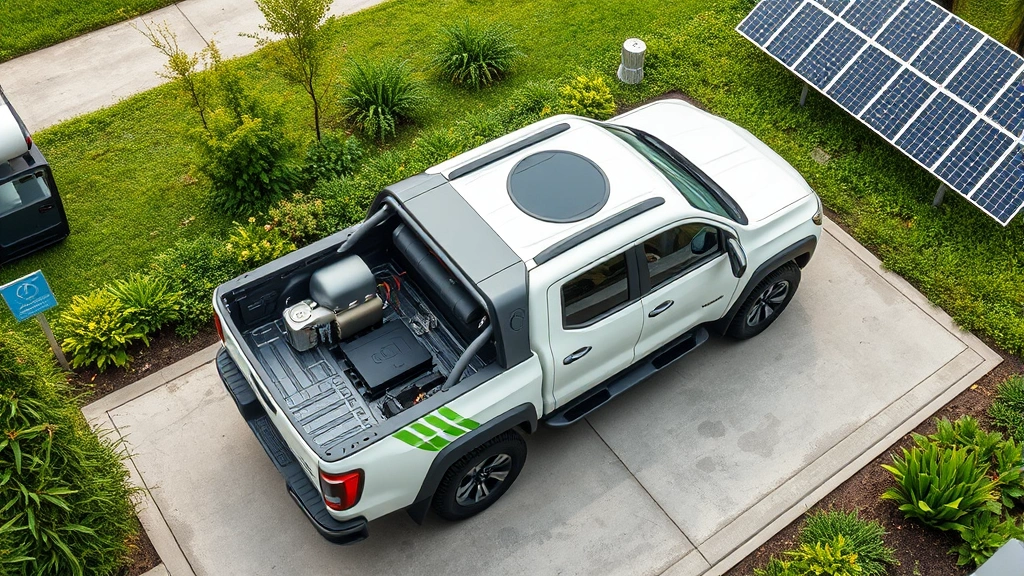
Is a Truck Bed Gas Tank Eco-Friendly? A Comprehensive Sustainability Analysis
Truck bed gas tanks have become increasingly popular among vehicle owners seeking auxiliary fuel storage solutions. Whether for extended range, emergency backup, or remote work applications, these aftermarket tanks promise convenience and flexibility. However, the critical question remains: are they truly eco-friendly? This comprehensive analysis examines the environmental implications of truck bed gas tanks, their impact on fuel consumption, emissions, and overall sustainability considerations.
Understanding the ecological footprint of auxiliary fuel systems requires examining multiple dimensions—from manufacturing processes to operational efficiency, environmental regulations, and long-term sustainability impacts. As consumers become more environmentally conscious, evaluating whether truck bed gas tanks align with green living principles becomes increasingly important for making informed purchasing decisions.
What Are Truck Bed Gas Tanks and How Do They Work?
Truck bed gas tanks, also known as auxiliary fuel tanks or fuel caddies, are aftermarket storage containers installed in truck beds to carry additional gasoline or diesel fuel. These tanks typically range from 25 to 100 gallons in capacity and serve various purposes including extended range for long-distance travel, backup fuel supply for emergencies, and convenience for remote work locations. The systems generally include transfer pumps, fuel lines, and safety valves to manage fuel movement between the auxiliary tank and the vehicle’s primary fuel system.
Modern truck bed gas tanks are engineered with multiple safety features including rollover protection, anti-siphon devices, and venting systems to prevent pressure buildup. Most professional-grade systems include manual or electric transfer pumps that allow operators to move fuel from the auxiliary tank to the main tank as needed. Understanding these mechanical components is essential for evaluating their environmental sustainability, as each element contributes to the overall lifecycle impact of the product.
The primary appeal of truck bed gas tanks lies in their ability to extend vehicle range without requiring larger primary fuel tanks. For commercial operators, contractors, and outdoor enthusiasts, this flexibility can reduce the need for frequent fuel stops and enable access to remote locations where refueling infrastructure is limited. However, this convenience comes with environmental trade-offs that warrant careful examination.
Environmental Impact of Manufacturing and Materials
The production of truck bed gas tanks involves significant material extraction and manufacturing processes that carry environmental consequences. Most commercial-grade tanks are constructed from either polyethylene plastic or steel, both of which require resource-intensive manufacturing processes. Understanding sustainability principles means considering the complete lifecycle of products, from raw material extraction through manufacturing, transportation, and eventual disposal.
Steel tank production requires mining iron ore, processing it through energy-intensive smelting operations, and fabricating the final product. This process generates significant carbon emissions—approximately 1.8 tons of CO2 per ton of steel produced according to industry data. Polyethylene tanks, while lighter and corrosion-resistant, derive from crude oil extraction and petrochemical processing, contributing to fossil fuel dependency and associated environmental degradation.
The manufacturing supply chain for truck bed gas tanks typically involves multiple production facilities, component suppliers, and distribution networks. This complex supply chain increases transportation emissions and environmental burden. Additionally, the industrial processes for tank manufacturing consume substantial water resources and generate waste byproducts that require proper treatment and disposal.
From a circular economy perspective, truck bed gas tanks present challenges for end-of-life management. Steel tanks can be recycled, though contamination from fuel residues complicates the process. Plastic tanks face greater recycling difficulties, as fuel contamination and structural degradation limit their ability to be repurposed. Many end-of-life tanks ultimately end up in landfills, representing wasted material resources and potential environmental hazards.
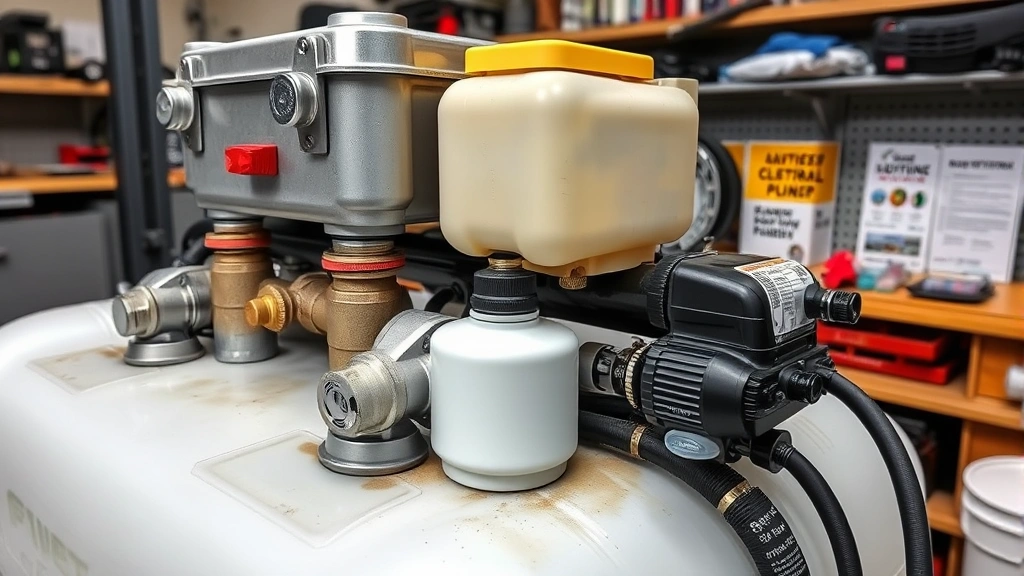
The manufacturing footprint extends beyond the tank itself to associated components including pumps, valves, hoses, and fittings. Each component requires separate production, packaging, and transportation. A comprehensive lifecycle assessment reveals that manufacturing impacts represent a substantial portion of the total environmental cost of auxiliary fuel systems, particularly for lower-volume usage scenarios where the environmental burden is distributed across fewer operational miles.
Fuel Efficiency and Emissions Considerations
One of the most significant environmental concerns with truck bed gas tanks relates to their impact on vehicle fuel efficiency. The additional weight of a full auxiliary tank—typically 150 to 600 pounds depending on capacity—directly increases the vehicle’s total weight, which requires more energy for acceleration, deceleration, and maintaining speed. According to the U.S. Department of Energy, every 100 pounds of additional weight reduces fuel economy by approximately 1-2 percent for typical vehicles.
This weight penalty translates directly into increased fuel consumption and corresponding emissions. A truck carrying a full 100-gallon auxiliary tank experiences a measurable efficiency reduction that compounds over thousands of miles. For a vehicle averaging 15 miles per gallon, the added weight could reduce efficiency to 14.7 or 14.4 miles per gallon, requiring additional fuel consumption to travel the same distance. Over a vehicle’s lifetime, this efficiency loss represents significant additional emissions and environmental impact.
The emissions implications are particularly concerning when considering that truck bed gas tanks often encourage longer trips and extended range driving. While the ability to travel further without refueling might seem convenient, it can incentivize longer commutes or unnecessary travel that wouldn’t occur with primary fuel tank limitations. This behavioral dimension of sustainability—how auxiliary fuel systems influence driving patterns—represents an often-overlooked environmental factor.
Fuel quality and storage also affect emissions profiles. Gasoline stored in auxiliary tanks for extended periods can experience oxidation and degradation, potentially affecting combustion efficiency and increasing emissions when finally burned. Additionally, evaporative emissions from auxiliary tank venting systems contribute to volatile organic compound (VOC) pollution and ground-level ozone formation, though modern systems include vapor recovery features to minimize this impact.
For sustainable energy solutions, the comparison becomes stark when considering alternative approaches. Rather than adding auxiliary fuel capacity, improving vehicle efficiency through proper maintenance, aerodynamic enhancements, or transitioning to electric vehicle advantages provides superior environmental outcomes with lasting benefits.
Weight Distribution and Vehicle Performance
Beyond direct fuel consumption impacts, truck bed gas tanks affect overall vehicle performance and safety characteristics in ways that influence environmental sustainability. The concentrated weight of a full auxiliary tank positioned in the truck bed alters the vehicle’s center of gravity, potentially affecting handling, braking performance, and stability, particularly during emergency maneuvers or adverse weather conditions.
Poor weight distribution can increase braking distances and reduce traction, requiring drivers to adjust their driving behavior or face increased accident risk. These performance changes can indirectly influence fuel consumption through altered driving patterns and increased wear on braking systems. Additionally, vehicles with compromised handling characteristics may experience higher tire wear rates, generating microplastic pollution and requiring more frequent replacements.
The suspension system must accommodate additional weight, leading to increased wear on shocks, springs, and other components. This accelerated wear requires more frequent maintenance and component replacement, extending the vehicle’s environmental footprint through additional manufacturing and disposal cycles. Over a vehicle’s operational life, the cumulative effect of increased maintenance represents a significant but often-overlooked environmental cost.
Regulatory Compliance and Safety Standards
Truck bed gas tanks operate within a complex regulatory environment designed to protect public safety and environmental quality. The Environmental Protection Agency (EPA) establishes standards for fuel storage systems, including requirements for vapor emissions, leak prevention, and spill containment. While these regulations protect environmental quality, compliance requirements add manufacturing complexity and cost.
Federal and state regulations govern fuel storage capacity limits for vehicles, spill prevention requirements, and transportation restrictions. Some jurisdictions impose limitations on auxiliary fuel tank capacity or require specific safety certifications for installation. Understanding these regulatory frameworks is essential for assessing the true environmental impact of auxiliary fuel systems, as non-compliant systems may pose environmental risks through fuel leakage or vapor emissions.
The Department of Transportation (DOT) establishes specifications for fuel container design, materials, and testing requirements. These standards ensure that tanks meet safety criteria, but they also influence manufacturing processes and material selection. Compliance with evolving environmental regulations increasingly drives manufacturers toward materials and designs that minimize emissions and environmental impact.
Comparing Alternatives for Sustainable Transportation
Evaluating truck bed gas tanks requires comparison with alternative approaches to achieving similar functionality with reduced environmental impact. Reducing your environmental footprint often involves reconsidering fundamental transportation choices rather than optimizing traditional fuel-based systems.
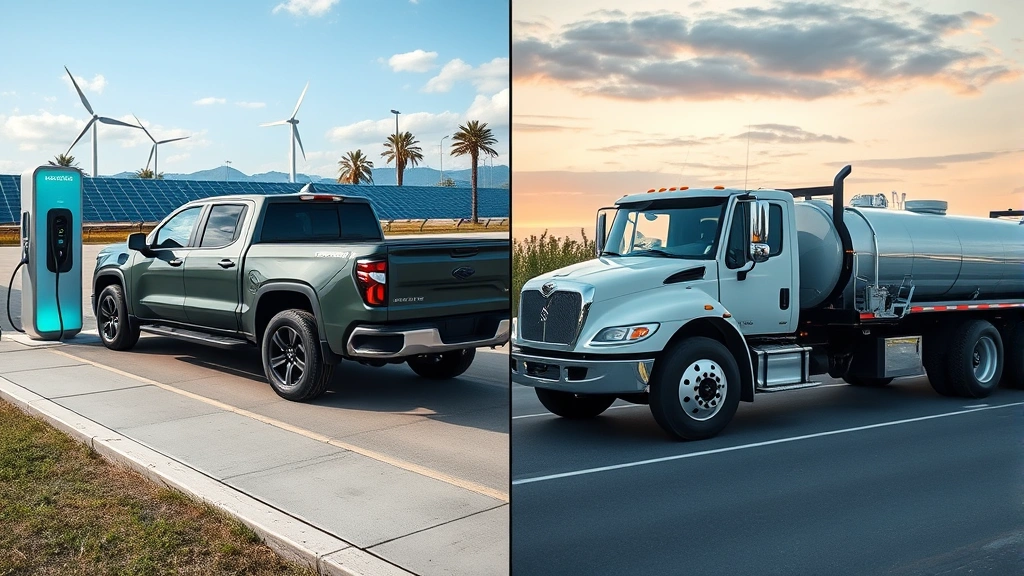
Electric and hybrid vehicle technologies represent the most sustainable alternative to auxiliary fuel systems for extending vehicle range. Modern electric trucks from manufacturers like Tesla, Rivian, and Ford offer ranges of 200-400 miles on a single charge, eliminating the need for auxiliary fuel capacity while dramatically reducing operational emissions. Battery technology continues improving, with costs declining and energy density increasing, making electric vehicles increasingly practical for commercial and personal use.
Hybrid vehicles combine internal combustion engines with electric motors, optimizing efficiency and reducing fuel consumption by 30-50 percent compared to conventional vehicles. For applications requiring truck bed cargo capacity, hybrid pickups eliminate the weight penalty and efficiency losses associated with auxiliary fuel tanks while maintaining fuel flexibility for extended range.
Alternative fuel options including compressed natural gas (CNG), propane, and renewable diesel present intermediate sustainability solutions. These fuels reduce carbon emissions compared to conventional gasoline or diesel, though they still rely on fossil fuel extraction and combustion. For fleet operators, transitioning to alternative fuel vehicles with integrated fuel systems offers cleaner operation than auxiliary gasoline tanks.
Route planning and trip consolidation represent behavioral alternatives that reduce overall fuel consumption and emissions. By minimizing unnecessary travel and optimizing routes, drivers can achieve extended range capability without auxiliary fuel systems. Digital tools and logistics software enable efficient planning that reduces fuel consumption by 10-20 percent in many applications.
For commercial applications, green technology innovations increasingly offer purpose-built solutions that outperform traditional auxiliary fuel approaches. Electric delivery vehicles, hydrogen fuel cell trucks, and optimized logistics networks represent forward-looking alternatives that align with long-term sustainability objectives.
Best Practices for Eco-Conscious Usage
If truck bed gas tanks remain necessary for specific applications, implementing best practices can minimize environmental impact. Proper maintenance of both the auxiliary tank and vehicle fuel system ensures optimal efficiency and prevents leaks that could contaminate soil and water. Regular inspections of tank seals, connections, and transfer pump function identify potential environmental hazards before they occur.
Minimizing the frequency of full tank operation reduces the weight penalty and associated fuel efficiency losses. Using auxiliary tanks only when necessary for extended trips, rather than maintaining constant full capacity, represents a practical compromise between functionality and environmental responsibility. Planning routes to minimize auxiliary tank usage encourages efficient driving patterns and trip consolidation.
Selecting high-quality, professionally installed systems with modern safety features reduces environmental risks from spills, leaks, and vapor emissions. Tanks meeting current EPA and DOT standards incorporate design elements that minimize environmental impact compared to older or poorly manufactured systems. Investing in reputable manufacturers ensures compliance with environmental regulations and safety requirements.
Proper fuel storage practices prevent degradation and contamination. Using fuel stabilizers for extended storage periods maintains fuel quality and combustion efficiency, reducing emissions when fuel is eventually consumed. Preventing water accumulation in auxiliary tanks through proper venting and maintenance protects fuel quality and prevents corrosion that could lead to leaks.
Documentation of fuel transfer activities and vehicle maintenance creates accountability for environmental stewardship. Tracking fuel consumption patterns reveals opportunities for efficiency improvements and helps identify whether auxiliary tank usage genuinely justifies its environmental cost for specific applications. Data-driven decision-making enables operators to transition away from auxiliary tanks when more sustainable alternatives become viable.
For commercial operators, exploring sustainability resources and industry best practices reveals emerging technologies and methodologies that can reduce environmental impact. Professional fleet management associations increasingly emphasize sustainability, offering guidance on transitioning to cleaner fuel systems and vehicle technologies.
Frequently Asked Questions
Are truck bed gas tanks legal in all states?
Truck bed gas tank legality varies by state and jurisdiction. Most states permit auxiliary fuel tanks that comply with DOT and EPA standards, but capacity limits and installation requirements differ. Some states restrict tank size or require specific certifications. Check your state’s Department of Transportation regulations before installation, as non-compliance can result in fines or vehicle impoundment.
How much do truck bed gas tanks reduce fuel efficiency?
Fuel efficiency reduction depends on tank capacity and usage patterns. A full 100-gallon tank adding approximately 600 pounds can reduce fuel economy by 4-6 percent. However, efficiency impact varies based on vehicle type, driving conditions, and how frequently the tank operates at full capacity. Smaller tanks or partial capacity operation result in proportionally smaller efficiency losses.
Can truck bed gas tanks leak and contaminate the environment?
Properly installed and maintained truck bed gas tanks with modern safety features present minimal leak risk. However, older systems, poor installation, or inadequate maintenance can result in fuel leaks that contaminate soil and groundwater. Regular inspections and professional installation significantly reduce environmental contamination risk. Spill containment systems and secondary containment can further protect the environment.
What’s the best alternative to truck bed gas tanks?
The best alternative depends on specific needs and applications. Electric vehicles offer the most sustainable option for most users, eliminating fuel consumption entirely. Hybrid vehicles provide significant efficiency improvements while maintaining fuel flexibility. For commercial applications, alternative fuel vehicles or optimized logistics networks may offer superior sustainability compared to auxiliary fuel systems.
How long do truck bed gas tanks last?
Quality truck bed gas tanks typically last 10-15 years with proper maintenance. Steel tanks may corrode over time, while plastic tanks can degrade from UV exposure and fuel oxidation. Regular maintenance including inspections, seal replacement, and rust prevention extends tank lifespan and reduces environmental impact from premature replacement.
Do truck bed gas tanks affect vehicle resale value?
Truck bed gas tanks can negatively impact resale value for most buyers, as they represent aftermarket modifications that may require removal or inspection. Buyers concerned with fuel efficiency and environmental impact may view auxiliary tanks as liabilities. Professional installation with documentation can minimize resale value impact, but most trucks sell for higher prices without auxiliary fuel systems.


