Sustainable Careers at Washington Gas: Insider Tips for Environmental Professionals
Washington Gas has emerged as a significant energy provider in the Mid-Atlantic region, serving millions of customers across Maryland, Virginia, and Washington, D.C. As the energy sector undergoes a transformative shift toward sustainability, the company is actively recruiting professionals who understand the intersection of energy delivery and environmental responsibility. If you’re considering a career in the energy industry while maintaining your commitment to ecological stewardship, understanding what Washington Gas offers—and how to position yourself for success—is essential.
The energy landscape is changing rapidly. Utility companies like Washington Gas are increasingly investing in renewable energy integration, methane emission reduction, and infrastructure modernization. This creates unprecedented opportunities for sustainability-minded professionals to make meaningful contributions. Whether you’re an engineer, environmental scientist, policy analyst, or operations specialist, there are pathways to build a fulfilling career that aligns with your values while helping the company advance its sustainability goals.

Washington Gas Sustainability Initiatives and Career Opportunities
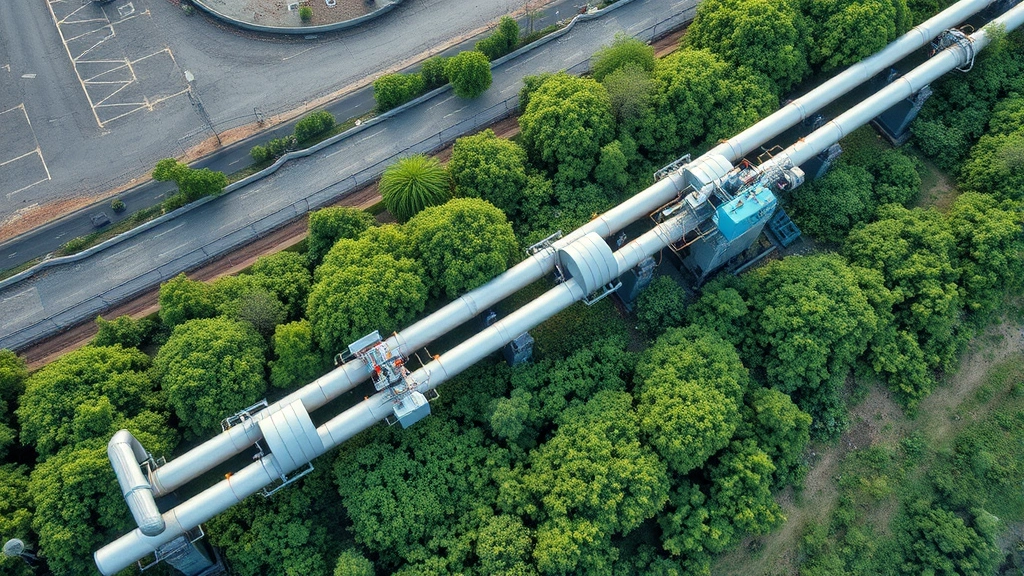
Washington Gas has committed to substantial investments in modernizing its natural gas infrastructure while simultaneously exploring pathways to reduce carbon emissions and integrate cleaner energy sources. The company’s sustainability strategy encompasses pipeline replacement programs, leak detection technology, renewable natural gas (RNG) initiatives, and customer efficiency programs. Understanding these initiatives is crucial for positioning yourself as a candidate who comprehends the company’s strategic direction.
The company operates within a regulatory environment that increasingly emphasizes environmental performance. The Public Service Commission and other regulatory bodies in the regions Washington Gas serves have established benchmarks for emissions reductions and infrastructure safety. This creates opportunities for professionals who can help the company navigate compliance requirements while identifying cost-effective pathways to sustainability. When exploring sustainable energy solutions, it’s important to recognize that natural gas companies play a transitional role in the energy ecosystem.
Career opportunities span multiple departments. Environmental compliance teams need specialists who understand air quality regulations and emissions reporting. Engineering departments seek professionals capable of designing and implementing pipeline modernization projects. Customer solutions teams require individuals who can help consumers understand energy efficiency programs. Operations teams need managers who can oversee field activities while maintaining safety and environmental standards. The breadth of opportunities means there’s likely a role that matches your background and interests.
Key Positions for Environmentally Conscious Professionals
Environmental Compliance and Regulatory Affairs: These positions focus on ensuring Washington Gas meets all federal, state, and local environmental regulations. Professionals in this space work on air quality compliance, methane emissions reporting, and environmental impact assessments. You’ll interface with regulatory agencies, internal stakeholders, and external environmental consultants. This role is ideal if you have a background in environmental science, policy, or engineering.
Energy Efficiency Program Management: Washington Gas operates programs designed to help customers reduce energy consumption. Program managers develop initiatives, track performance metrics, and ensure customer satisfaction. This work directly reduces overall energy demand and associated environmental impacts. If you’re passionate about behavior change and sustainability education, this path offers meaningful work.
Infrastructure and Pipeline Engineering: The company is investing heavily in replacing aging infrastructure with modern systems that reduce methane leakage. Engineers working in this area design systems, manage construction projects, and implement new technologies. Understanding both the technical requirements and environmental benefits of infrastructure modernization is valuable.
Renewable Natural Gas Development: Washington Gas is exploring RNG—biogas derived from landfills, wastewater treatment plants, and agricultural waste. Professionals in this emerging area work on project development, partnerships, and technical implementation. This represents the company’s most direct engagement with renewable energy integration.
Sustainability Strategy and Reporting: Corporate sustainability roles focus on developing long-term environmental strategies, tracking progress against goals, and communicating achievements to stakeholders. These positions require individuals who understand both environmental science and business strategy. If you’re interested in corporate-level sustainability work, this ladder is worth pursuing.
Skills and Qualifications That Set You Apart
Technical expertise matters, but Washington Gas increasingly values professionals who combine technical knowledge with broader sustainability competency. A degree in engineering, environmental science, or related field provides foundation credentials. However, several additional skills significantly enhance your candidacy.
Regulatory Knowledge: Familiarity with environmental regulations—particularly the Clean Air Act, state emissions standards, and utility commission requirements—demonstrates you understand the landscape in which Washington Gas operates. You don’t need law school credentials, but understanding regulatory frameworks shows serious commitment to the field.
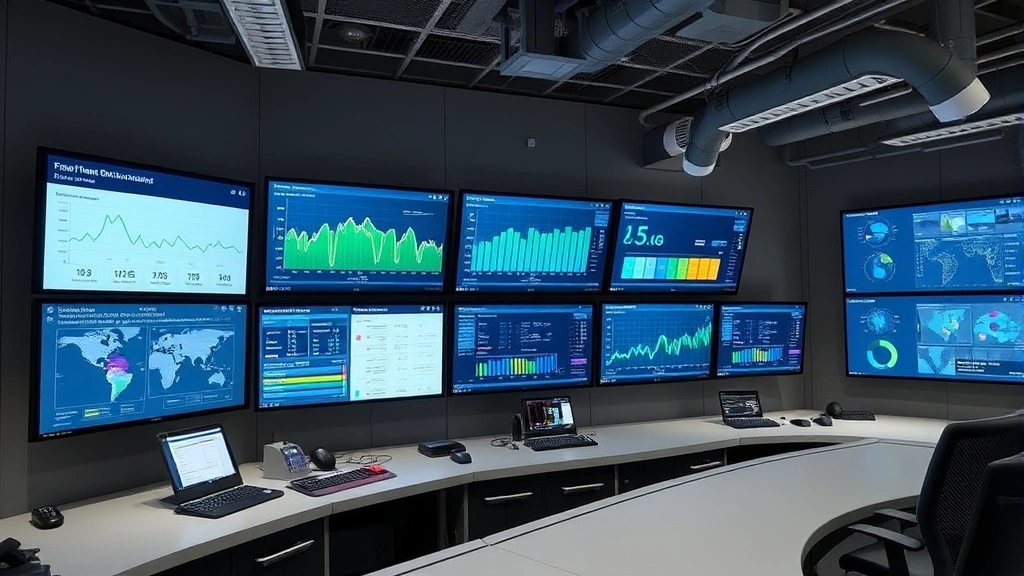
Data Analysis and Metrics Tracking: Sustainability work is increasingly data-driven. Proficiency with spreadsheet analysis, database management, and visualization tools is essential. Many organizations use specialized environmental management software. Demonstrating comfort with data-heavy work makes you immediately valuable.
Project Management Capabilities: Whether you’re implementing an energy efficiency program or overseeing pipeline replacement, project management skills are crucial. Familiarity with methodologies like Agile or traditional project management frameworks helps you succeed in structured environments.
Communication Across Disciplines: You’ll work with engineers, regulators, community members, and executives. The ability to explain complex environmental concepts to non-specialists—and to understand technical constraints from an operations perspective—is invaluable. Strong writing and presentation skills matter significantly.
Systems Thinking: Energy systems are complex, interconnected networks. Understanding how changes in one area affect others—how pipeline investments impact customer costs, how efficiency programs affect demand forecasting—demonstrates sophisticated understanding. Coursework in systems thinking or experience with integrated resource planning is advantageous.
Relevant certifications can also strengthen your profile. Professional Engineer (PE) licenses are valuable for engineering roles. Certified Energy Manager (CEM) credentials help for efficiency-focused positions. Environmental certifications from recognized bodies demonstrate ongoing commitment to the field.
Building Your Application Strategy
Washington Gas, like most major utilities, has formal recruitment processes. Their careers portal lists open positions, and applications typically go through automated screening before reaching hiring managers. To navigate this effectively, tailor your resume and cover letter to each specific role.
Resume Optimization: Use keywords from the job description. If the posting emphasizes “emissions reporting,” ensure your resume includes that terminology if you have relevant experience. Quantify your accomplishments—”reduced energy consumption by 15% through efficiency program management” is more compelling than “managed efficiency programs.” Highlight any experience with relevant software, methodologies, or certifications.
Cover Letter Strategy: Generic cover letters rarely succeed. Research Washington Gas’s specific sustainability initiatives and reference them. Demonstrate you understand their business challenges—acknowledging the complexity of operating natural gas infrastructure while advancing environmental goals shows maturity. Explain why you’re specifically interested in this company, not just the energy industry generally.
Networking Approach: Formal applications are important, but personal connections matter. Attend industry conferences, join professional associations in your field, and seek informational interviews with Washington Gas employees. LinkedIn is valuable for identifying current employees and reaching out professionally. Many hiring managers prefer candidates who come with internal referrals.
Portfolio Development: If possible, develop tangible examples of your work. This might include sustainability reports you’ve contributed to, environmental analyses you’ve conducted, or projects you’ve managed. Case studies demonstrating your impact are powerful interview tools. Even if you can’t share proprietary information, describing your approach to problems showcases your thinking.
Advancement Paths in Sustainable Energy
Washington Gas careers offer progression opportunities for professionals committed to growing within the organization. Entry-level positions—analyst roles, junior engineers, program coordinators—provide foundational experience. With 3-5 years of strong performance, many professionals move into senior specialist or project management roles. This is where your technical expertise becomes multiplied through team leadership.
Mid-career advancement often involves transitioning from individual contributor roles to management. Team leads oversee groups of analysts or engineers. Program managers oversee entire initiatives. Directors manage departments. Each step requires developing leadership capabilities alongside deepening technical knowledge. Professionals who excel at both technical problem-solving and people management progress most rapidly.
Strategic advancement sometimes involves moving across departments. An environmental compliance specialist might transition into sustainability strategy. An engineer might move into program management. These lateral moves broaden your perspective and increase your value to the organization. They also reduce the risk of career stagnation—you’re not competing for the single director role in your department, but rather building diverse experience that opens multiple pathways.
External advancement is also viable. Experience at Washington Gas—a major utility with significant environmental initiatives—is valued across the energy sector. You might transition to other utilities, renewable energy companies, environmental consulting firms, or government agencies. Building your reputation within the industry creates optionality. Some professionals use Washington Gas as a stepping stone to roles at organizations focused on alternative energy solutions, though understanding the transitional role of natural gas is important context.
Company Culture and Work Environment
Washington Gas is a mature, established utility company. This means certain organizational characteristics are likely. Hierarchies tend to be more formal than startup environments. Decision-making often involves multiple stakeholders and longer timeframes. Regulatory requirements mean compliance and documentation are central to operations. These characteristics aren’t inherently negative—they reflect the serious, mission-critical nature of energy delivery infrastructure.
The company operates in a unionized environment in many areas, which affects workplace dynamics. Union relationships, collective bargaining agreements, and established work practices shape daily operations. Understanding and respecting these relationships is important for professionals transitioning from non-union environments. The union presence also means job security and established compensation structures—valuable considerations for career planning.
Work environment varies significantly by role and location. Field-based positions involve outdoor work, sometimes in challenging weather conditions. Office-based roles offer traditional work settings, though many organizations have adopted hybrid arrangements. Customer-facing positions require interpersonal skills and patience. Technical roles can be quite specialized and focused. Understanding what your specific position entails is crucial before accepting an offer.
The company’s commitment to safety is paramount—utilities take safety extraordinarily seriously because the consequences of failure are severe. You’ll encounter extensive safety training, protocols, and cultural emphasis on safe practices. This can feel bureaucratic if you’re not accustomed to it, but it reflects genuine commitment to protecting employees and customers.
Networking and Professional Development
Professional growth within Washington Gas is supported through various channels. The company typically offers tuition reimbursement for relevant degree programs and certifications. Many utilities have partnerships with universities and professional organizations, creating pathways for continuing education. Taking advantage of these programs demonstrates commitment and builds skills that advance your career.
Industry professional associations are invaluable. Organizations like the American Gas Association, the Sustainable Transportation and Fuels Alliance, and environmental professional groups connect you with peers across companies. These networks often provide job leads, mentorship, and professional development opportunities. Active participation in professional communities keeps you current with industry trends and positions you as a serious professional.
Internal mentorship programs, where available, accelerate development. Experienced professionals can provide guidance navigating organizational dynamics, building leadership skills, and identifying advancement opportunities. If formal programs don’t exist, building informal mentoring relationships is wise. Seek out experienced colleagues in your field and ask if they’d be willing to provide occasional guidance.
Conference attendance—both industry-specific energy conferences and broader sustainability events—expands your perspective and network. These events often include sessions on emerging technologies, regulatory changes, and best practices. They’re also excellent networking venues. Many companies support employee attendance at relevant conferences, recognizing the value of continued professional development.
When considering broader career development, understanding the relationship between natural gas and gas infrastructure in the context of the energy transition is important. The industry is evolving, and professionals who understand this evolution—including the role of energy pricing dynamics—are better positioned for long-term success. Exploring practical sustainability approaches helps you contribute meaningfully to your organization’s evolution.
The SustainWise Hub Blog offers insights into energy sector developments and sustainability trends relevant to utility careers. Staying informed about broader industry movements helps you understand Washington Gas’s strategic positioning.
FAQ
What educational background does Washington Gas prefer for sustainability-focused positions?
Most professional positions require at least a bachelor’s degree in engineering, environmental science, chemistry, or related fields. For compliance and regulatory roles, environmental science or policy backgrounds are valuable. For engineering positions, civil, environmental, or mechanical engineering is typical. Many professionals also pursue graduate degrees or certifications to advance, but these aren’t always required for entry-level positions. The company values practical experience and demonstrated commitment to sustainability alongside formal credentials.
How does Washington Gas approach methane emissions reduction?
The company operates pipeline replacement programs targeting older infrastructure prone to leaks, implements advanced leak detection technologies, and invests in system modernization. These initiatives directly reduce methane emissions while improving system reliability. Professionals working on these initiatives contribute to measurable environmental impact. Methane reduction is a core sustainability focus because methane’s climate impact per unit is significantly higher than carbon dioxide.
Are there remote work opportunities in Washington Gas careers?
This varies by role. Corporate positions in sustainability strategy, compliance, and program management often offer remote or hybrid arrangements. Field-based positions—engineering inspections, construction management, customer service—require on-site presence. When evaluating opportunities, clarify the work location expectations during the application process. The company’s remote work policies may have evolved, so current employees or recent hires provide the most accurate information.
What salary ranges can professionals expect in Washington Gas sustainability roles?
Salaries vary significantly based on position, experience, education, and location. Entry-level analyst positions typically range from $45,000-$60,000. Senior specialists and project managers often earn $70,000-$95,000. Management positions generally exceed $100,000. The company offers benefits including health insurance, retirement plans, and tuition reimbursement. Utilities typically offer competitive compensation compared to many industries, though salaries may be lower than technology sector roles. Research current salary data through sites like Glassdoor, Payscale, and industry surveys for the most accurate information.
How can I stand out as a candidate interested in renewable natural gas development?
RNG is an emerging area, so specialized knowledge is valuable. Research Washington Gas’s specific RNG projects and partnerships. Familiarize yourself with biogas technology, landfill-gas-to-energy systems, and agricultural waste utilization. Understanding both the technical aspects and the regulatory landscape around RNG demonstrates serious interest. If you have experience with renewable energy projects, sustainability startups, or environmental consulting related to waste-to-energy, emphasize this. Project development experience is particularly valuable for this field.
What is the typical career progression timeline at Washington Gas?
Most professionals spend 2-4 years in entry-level roles before advancing to senior specialist or junior management positions. Progression from senior specialist to manager typically requires 3-5 additional years. Director-level advancement generally requires 10+ years of experience, though this varies. The timeline depends on position availability, performance, and organizational needs. Unlike some industries, utilities often have predictable progression paths based on tenure and demonstrated competency. Your advancement speed depends on combining strong technical performance with leadership development.


