
Free Air at Gas Stations? Insider Tips for Finding and Using Complimentary Tire Inflation
Finding free air at gas stations has become increasingly challenging in recent years, yet maintaining proper tire pressure remains one of the most critical—and often overlooked—aspects of vehicle maintenance. Properly inflated tires not only extend the lifespan of your tires but also improve fuel efficiency, reduce your carbon footprint, and enhance overall vehicle safety. In this comprehensive guide, we’ll explore which gas stations offer free air, how to locate these services in your area, and why tire maintenance matters for both your wallet and the environment.
The shift toward paid air stations reflects broader changes in the automotive service industry. Many major gas station chains have begun charging for air inflation services, viewing it as an additional revenue stream. However, numerous retailers and independent stations still provide complimentary air, and understanding where to find these services can save you money while promoting sustainable driving practices. Whether you’re concerned about fuel economy or simply want to maintain your vehicle responsibly, this guide will help you navigate the landscape of free air availability.
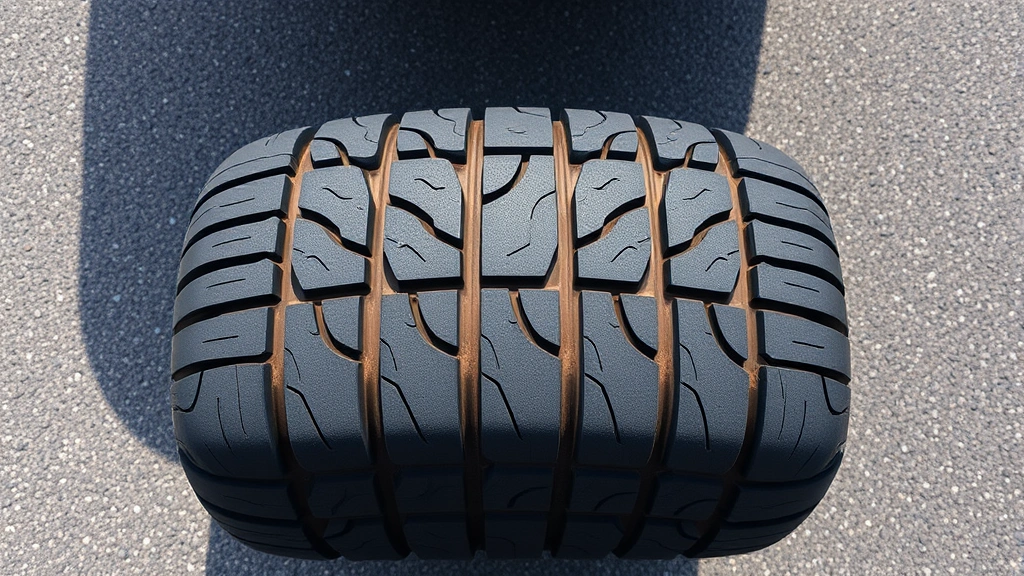
Which Major Gas Stations Offer Free Air
When searching for free air at gas stations, your best options typically include independent retailers and select major chains. Costco and Sam’s Club members enjoy complimentary air at their fuel stations, making membership particularly valuable for frequent drivers. These warehouse clubs recognize that tire maintenance is essential for customer satisfaction and vehicle longevity.
Wawa, a convenience store chain popular on the East Coast, offers free air at most locations, along with basic maintenance services. Similarly, Sheetz provides complimentary air inflation at many of its fuel stations across Pennsylvania, West Virginia, Ohio, and surrounding states. QuikTrip, operating in the Midwest and Southwest, generally offers free air services as part of their commitment to customer convenience.
However, it’s crucial to verify current policies before visiting, as individual franchises may differ. Major chains like Shell, Chevron, ExxonMobil, and BP have increasingly moved toward paid air services (often $0.50 to $1.50 per use), though some independently-owned stations operating under these brands may still provide free access. Your local tire shops, car washes, and automotive retailers like Firestone, Goodyear, and Discount Tire frequently offer complimentary air as a customer service initiative.
When you discover gas stations with free air in your area, consider checking their websites or calling ahead to confirm availability. Many stations display this information prominently on their websites or through mobile apps. This proactive approach saves time and frustration, particularly when you’re dealing with a slow tire leak or pressure drop.
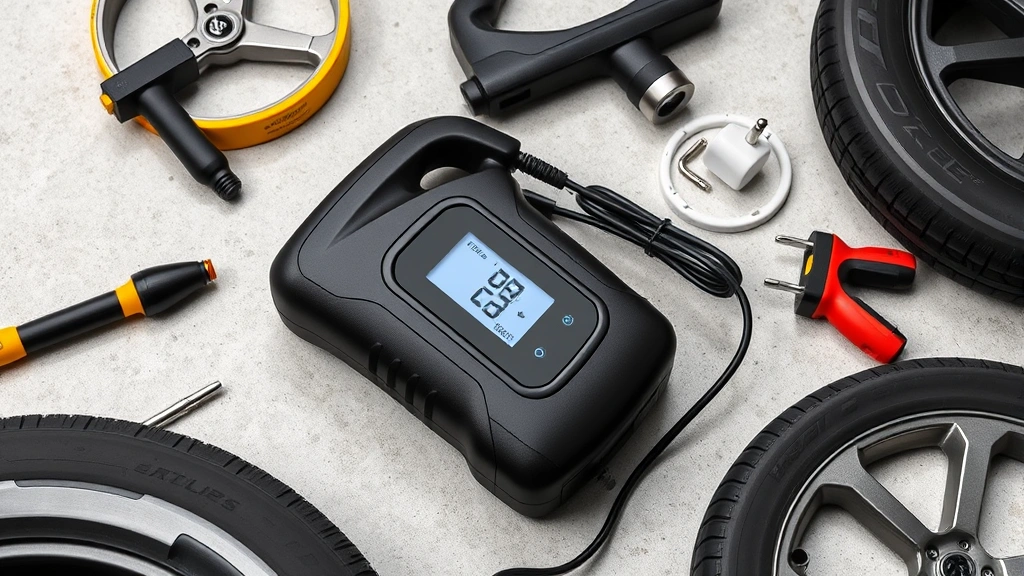
How to Locate Free Air Near You
Technology has made locating free air services significantly easier. Google Maps allows you to search “free air near me” or “tire air station,” filtering results by distance and customer reviews. Many users leave detailed comments about whether air services are free or paid, providing real-time information about availability.
The gas prices around me tools often include information about additional services, including air availability. Websites like GasBuddy aggregate user-submitted data about which stations offer free air, though you should verify information is current. Many gas station apps provide service details directly, including whether air inflation is complimentary.
Community forums and local social media groups frequently discuss tire inflation services in specific neighborhoods. Don’t hesitate to ask neighbors, friends, or coworkers where they access free air—word-of-mouth recommendations often prove most reliable. Additionally, tire shops and automotive service centers maintain records of which competing stations offer free services, and they’re usually happy to point you in the right direction.
Calling ahead remains one of the most reliable methods. A quick phone call to nearby gas stations takes less than a minute and provides definitive answers about current policies. Station managers can also advise whether you’ll need to make a purchase to access air services, as some locations restrict complimentary air to customers.
Why Tire Pressure Matters for Sustainability
Understanding the environmental importance of proper tire inflation connects directly to broader sustainable energy solutions. Underinflated tires increase rolling resistance, forcing your engine to work harder and consume more fuel. Research from the Environmental Protection Agency (EPA) indicates that properly inflated tires can improve fuel efficiency by up to 3 percent—seemingly modest until you consider the cumulative impact across millions of vehicles.
When tires operate at incorrect pressure levels, they wear unevenly and fail prematurely, requiring more frequent replacement. Tire manufacturing and disposal represent significant environmental costs, involving resource extraction, energy consumption, and landfill space. Extending tire lifespan through proper maintenance directly reduces these environmental burdens. A single tire lasting 5,000 additional miles represents measurable progress toward reducing your vehicle’s lifecycle carbon footprint.
Overinflated tires present different challenges, reducing traction and creating uneven wear patterns. The “sweet spot” identified in your vehicle’s door jamb or owner’s manual represents the manufacturer’s calculation for optimal fuel efficiency and safety. Maintaining this pressure level demonstrates commitment to environmental stewardship while improving vehicle performance and safety.
For those considering the ultimate sustainability upgrade, exploring advantages of electric vehicles offers a pathway toward eliminating tailpipe emissions entirely. However, for current vehicle owners, tire maintenance represents an immediately actionable sustainability practice.
DIY Tire Pressure Monitoring Tips
Effective tire maintenance begins with regular pressure checks. Most vehicles require tire pressure between 30-35 PSI (pounds per square inch), though your specific vehicle’s requirements appear on a sticker inside the driver’s door jamb. Never use the pressure rating on the tire sidewall—that represents the maximum safe pressure, not the recommended operating pressure.
Check tire pressure when tires are cold, ideally in the morning before driving or at least three hours after your vehicle has been parked. Driving heats tires and increases pressure readings, providing inaccurate measurements. Temperature fluctuations affect pressure naturally; expect a 1 PSI decrease for every 10-degree Fahrenheit drop in ambient temperature.
Invest in a quality tire pressure gauge—digital models ($15-30) offer superior accuracy compared to analog versions. Keep your gauge in your vehicle for convenience. Modern tire pressure monitoring systems (TPMS) alert you when pressure drops significantly, but they don’t replace manual checks, as TPMS thresholds typically activate only when pressure drops 25 percent below recommended levels.
Develop a routine checking schedule, ideally monthly or before long trips. This habit takes mere minutes and prevents the majority of tire-related issues. Document your readings in a notes app or vehicle maintenance log to identify slow leaks, which might indicate a puncture requiring professional attention.
Alternative Solutions for Tire Inflation
If free air at gas stations proves unavailable in your area, several alternatives exist. Portable tire inflators ($30-100) offer convenient at-home or on-the-road inflation. Battery-powered or 12-volt DC models connect to your vehicle’s power outlet, inflating tires in 5-10 minutes. While requiring initial investment, these devices eliminate dependence on external services and provide emergency roadside assistance capability.
Tire shops and automotive retailers universally offer inflation services, often free to customers. Visiting during off-peak hours (Tuesday-Thursday mornings) typically means shorter waits. Many shops appreciate the opportunity to inspect your tires for damage or wear while you’re present, potentially identifying issues before they become serious.
Car washes frequently include air stations as complimentary customer amenities. If you regularly use car washes, this represents a convenient bundled solution. Similarly, automotive parts retailers like AutoZone, O’Reilly Auto Parts, and Advance Auto Parts offer free air access, viewing it as customer service that encourages store visits.
Some innovative communities have installed public air stations in municipal parking areas or community centers, recognizing tire maintenance as essential infrastructure. Check your city’s website or contact the public works department to learn whether your area offers this service.
Tire Maintenance and Environmental Impact
The broader context of tire maintenance connects to comprehensive environmental sustainability examples that demonstrate how individual actions compound into meaningful change. The tire industry generates approximately 1 billion discarded tires annually worldwide, with the United States contributing roughly 300 million tires to this total.
Proper inflation reduces tire wear rates, directly decreasing the frequency of replacement cycles. Extended tire lifespan means fewer resources devoted to manufacturing, transportation, and disposal. Consider that tire production requires crude oil extraction, chemical processing, and energy-intensive vulcanization processes. Every tire you keep in service represents environmental benefits multiplied across millions of drivers.
Tire recycling programs have improved significantly, with used tires converted into playground surfaces, athletic tracks, rubberized asphalt, and other applications. However, recycling remains energy-intensive; prevention through maintenance proves more sustainable than remediation through recycling. The EPA’s scrap tire programs provide resources for responsible tire disposal and recycling information.
Additionally, proper tire maintenance contributes to fuel efficiency improvements that cascade through your vehicle’s entire operational lifecycle. Vehicles requiring less fuel produce fewer emissions, reducing atmospheric carbon dioxide and other greenhouse gases. This connection between tire maintenance and climate impact illustrates how seemingly minor vehicle care decisions influence environmental outcomes.
Nitrogen-filled tires, increasingly available at tire shops, maintain pressure longer than air-filled tires because nitrogen molecules are larger and escape more slowly. While typically costing $5-10 per tire, nitrogen offers advantages for drivers in extreme temperature climates or those with frequent pressure issues. The Tire Rack educational resources provide detailed information about nitrogen versus conventional air inflation.
Seasonal tire rotations—moving tires to different vehicle positions to equalize wear—extend overall tire lifespan by 10-15 percent. Many gas stations and tire shops include rotation services with tire purchases or offer them affordably as standalone services. This preventive maintenance represents another sustainability practice with minimal cost and maximum impact.
FAQ
Do all Costco locations offer free air?
Yes, Costco fuel stations provide complimentary air to all members at essentially all locations. You don’t need to purchase fuel to access this service; membership alone qualifies you. This represents one of Costco’s most reliable free air options nationwide.
What if I find a slow leak in my tire?
Slow leaks require professional inspection to identify the cause—punctures, valve stem issues, or bead leaks. Visit a tire shop for diagnosis; many offer free leak detection. Small punctures can often be repaired for $10-15, significantly less expensive than tire replacement.
Can overinflated tires damage my vehicle?
Overinflation reduces traction, creates uneven wear patterns favoring the tire center, and increases the risk of blowouts on rough road surfaces. Stick to your vehicle’s recommended pressure level found on the driver’s door jamb sticker.
How often should I check tire pressure?
Check monthly as standard practice, or before road trips exceeding 200 miles. Additionally, check after significant temperature changes, as pressure fluctuates with ambient temperature variations.
Are tire pressure monitoring systems (TPMS) sufficient?
TPMS provides valuable alerts but isn’t a substitute for manual pressure checks. These systems typically activate only when pressure drops 25 percent below recommended levels, meaning your tires could be significantly underinflated without triggering alerts.
Should I use the pressure rating on my tire sidewall?
No—never inflate to the sidewall rating. That represents maximum safe pressure, not recommended operating pressure. Always use the pressure specified on your vehicle’s door jamb sticker or owner’s manual.
How do I find free air at gas stations in my area?
Start with Google Maps searches for “free air near me,” check GasBuddy, visit individual gas station websites, or call nearby stations directly. The what gas stations have free air resource provides location-specific information updated regularly by community users.
What’s the connection between tire maintenance and fuel economy?
Underinflated tires increase rolling resistance, forcing your engine to work harder. Proper inflation improves fuel economy by up to 3 percent according to EPA research, reducing both fuel costs and emissions.
Can I use a portable tire inflator instead of gas station air?
Absolutely—portable inflators ($30-100) offer convenient alternatives, particularly for home use or frequent travelers. Battery-powered models provide emergency roadside capability and eliminate dependence on external services.
How does tire maintenance connect to environmental sustainability?
Proper tire maintenance extends tire lifespan, reducing the frequency of replacements and associated manufacturing impacts. Extended tire life decreases environmental costs from resource extraction, production, and disposal while improving fuel efficiency and reducing emissions.


