
Free Air at Gas Stations? Verified List & Complete Guide
Finding free air at gas stations has become increasingly challenging as many stations have removed their complimentary air pumps. However, numerous locations still offer this valuable service at no cost, helping drivers maintain proper tire pressure and extend vehicle lifespan. This comprehensive guide identifies where to find free air, explains why tire maintenance matters for sustainability, and provides actionable strategies for locating these stations in your area.
Proper tire inflation reduces fuel consumption by up to 3%, directly lowering your carbon footprint and saving money on gas. Whether you drive a conventional vehicle or are considering advantages of electric vehicles, maintaining optimal tire pressure remains essential. Understanding the principles of sustainability includes recognizing how small maintenance habits contribute to environmental conservation and personal financial health.
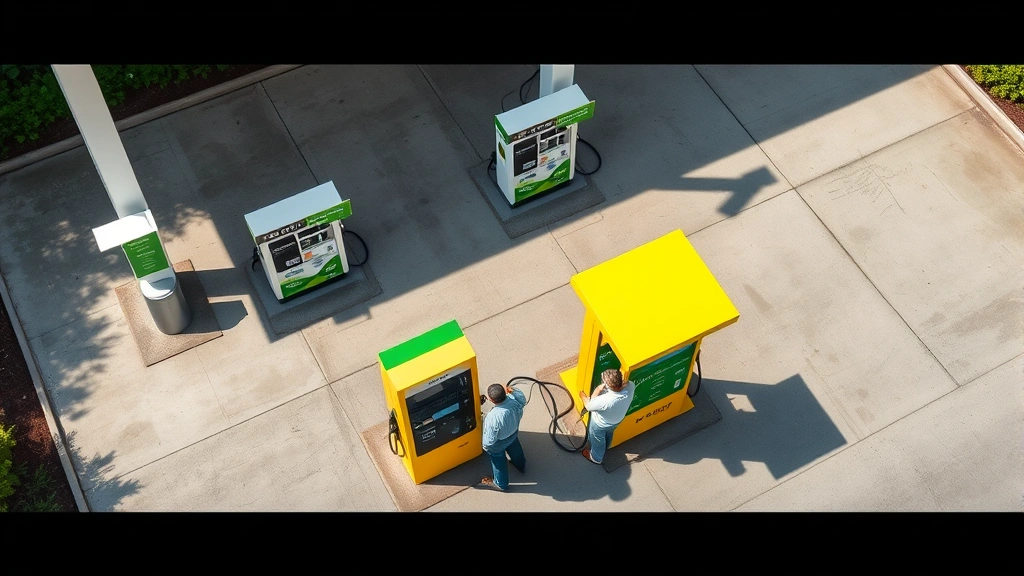
Gas Station Chains Offering Free Air
Major gas station chains have varying policies regarding complimentary air services. Costco locations provide free air exclusively to members, making membership a worthwhile investment if you frequently need tire services. Wawa, the convenience store chain operating across the Eastern United States, offers free air at most locations, though availability varies by store. Sheetz
Pilot Flying J, the largest network of truck stops in North America, offers free air at virtually all locations, making it an excellent resource for both commercial and personal vehicle owners. Love’s Travel Stops similarly provides free air services across their extensive network. RaceTracSpeedway
Shell, Chevron, Exxon, and BP policies vary significantly by location and franchise agreement. Some company-owned stations provide free air, while independently franchised locations may charge fees. Contacting your specific station directly remains the most reliable verification method. Sunoco and Circle K similarly show inconsistent free air policies, depending on individual station ownership and regional practices. Understanding the definition of sustainability includes recognizing how accessible tire maintenance supports broader environmental goals. When gas stations provide free air, they remove barriers to proper vehicle maintenance, indirectly supporting fuel efficiency and emission reduction across communities. Independent gas stations and regional chains often provide more customer-friendly air policies than large national corporations. Kwik-E-Mart locations, primarily in the Midwest and South, typically offer free air to customers. Casey’s General StoresMaverik
Local, family-owned gas stations frequently offer free air as a competitive advantage and community service. These businesses recognize that removing friction from customer experiences builds loyalty. Many independent operators view air service as a loss leader—accepting minimal profit or break-even pricing to encourage customers to purchase higher-margin products. Regional variations matter significantly. California stationsTexas stations Several digital tools simplify finding free air stations in your area. GasBuddy, the comprehensive fuel price tracking app, includes amenity filters allowing you to search specifically for free air availability. The platform’s user-generated content means real-time updates from fellow drivers regarding which stations actually maintain functioning pumps. Google Maps enables searching for “free air near me,” with business listings often including amenity information. Many stations list “air pump” or “free air” in their service descriptions. Station-specific websites and apps provide authoritative information. Costco’s website clearly states membership requirements for air service. Pilot Flying J’s app shows all locations with full service details. Sheetz and Wawa mobile applications include location finders with service amenities. These official sources eliminate guesswork and prevent frustrating trips to stations without functioning pumps. Exploring sustainable energy solutions includes optimizing vehicle efficiency through proper maintenance. Using these digital tools to maintain tire pressure represents a practical sustainability action with immediate personal financial benefits. Calling ahead remains the most reliable verification method, particularly for independent stations. Speaking directly with station managers confirms not just that air is available, but that pumps are functioning properly. Many stations have aging equipment, and staff can provide specific pump locations and any current maintenance issues affecting service availability. Proper tire inflation directly impacts fuel consumption and vehicle emissions. According to the EPA, underinflated tires increase rolling resistance, forcing engines to work harder and consume more fuel. For every 1 PSI below recommended pressure, fuel economy decreases by approximately 0.2%. A vehicle with all four tires underinflated by 10 PSI experiences roughly 2% worse fuel economy—translating to significant fuel waste over a vehicle’s lifetime. This efficiency loss directly increases carbon emissions. A vehicle consuming 2% more fuel annually produces proportionally more CO2 and other greenhouse gases. Considering that transportation accounts for approximately 27% of U.S. greenhouse gas emissions, optimizing individual vehicle efficiency represents meaningful climate action. Tire wear accelerates with improper inflation, increasing maintenance waste. Underinflated tires wear faster, requiring more frequent replacements and generating tire waste—a significant environmental concern. Overinflated tires wear unevenly, reducing tire lifespan and necessitating premature replacement. Maintaining manufacturer-recommended pressure extends tire life by thousands of miles, reducing waste generation and resource consumption. Exploring green technology innovations transforming our future includes understanding how fundamental vehicle maintenance contributes to broader environmental goals. Even drivers not yet ready for electric vehicles can implement immediate efficiency improvements through proper tire pressure maintenance. Safety benefits complement sustainability advantages. Properly inflated tires provide better traction, shorter braking distances, and improved vehicle stability. These safety improvements reduce accident risk, preventing injuries and deaths while avoiding fuel consumption associated with accident-related vehicle damage and emergency services. Finding your vehicle’s recommended tire pressure requires checking the driver’s door jamb label, not the tire sidewall. The sidewall displays maximum tire pressure, not the optimal pressure for your specific vehicle. Your owner’s manual also provides this critical information. Recommended pressures typically range from 30-35 PSI for passenger vehicles, though SUVs and trucks may require higher pressures. Checking tire pressure correctly involves using a reliable pressure gauge on cold tires—ideally before driving or at least three hours after driving. Heat from driving increases pressure, providing inaccurate readings. Most gas station air pumps include built-in gauges, though portable digital gauges offer superior accuracy for home use. Check pressure monthly and before long trips, as tires naturally lose 1-2 PSI monthly. Inflation procedure guidelines: Seasonal pressure adjustments account for temperature changes. Cold weather decreases tire pressure by approximately 1 PSI for every 10°F temperature drop. Many drivers find they need to inflate tires more frequently in winter months. Summer heat increases pressure, potentially requiring slight deflation to maintain optimal levels. Monitoring pressure seasonally supports both safety and efficiency. Valve stem maintenance prevents slow leaks that gradually reduce pressure. Valve stems degrade over time, particularly in areas with road salt or extreme temperature variations. Replacing valve stems during tire rotations or replacements costs minimal amounts while preventing pressure loss. Visible corrosion around valve stems indicates replacement is necessary. Tire shops and automotive service centers frequently provide free air as part of customer service. Discount Tire, Firestone, Goodyear, and independent tire shops often offer complimentary air to customers who purchased tires from them. Even customers who purchased tires elsewhere may receive free air, particularly if the shop hopes to build future business relationships. Many shops view air service as negligible cost compared to customer goodwill. Automotive repair shops typically provide free air to customers whose vehicles they service. Building relationships with local mechanics offers benefits beyond air access—developing trusted advisors for vehicle maintenance questions and services supports long-term vehicle health and sustainability. Car washes increasingly offer free air as a customer amenity. Full-service and express car washes recognize that properly inflated tires improve vehicle appearance by ensuring even tire wear and proper stance. Some premium car washes include air service in their membership packages. Community resources include public libraries, fire departments, and community centers in some areas. Several fire departments maintain air pumps for public use, viewing tire maintenance as a community safety issue. Libraries increasingly position themselves as community resources beyond books, sometimes offering tool libraries and vehicle maintenance services. Membership organizations extend beyond traditional gas stations. AAA members receive benefits at affiliated service locations. Automobile clubs in some regions provide air service access through partner networks. Professional associations occasionally include vehicle maintenance benefits for members. Digital sharing economy platforms now connect drivers needing air service with mechanics offering pumps. Community apps and neighborhood groups sometimes share information about reliable free air locations. Building community knowledge about accessible services supports broader sustainability goals by reducing frustration and encouraging vehicle maintenance. Accessing these diverse resources requires minimal effort while providing significant benefits. The SustainWise Hub Blog regularly explores how small individual actions accumulate into meaningful environmental impact. Historical precedent established free air as a standard service when profit margins were lower and customer loyalty was paramount. Modern consolidation and reduced margins at some chains led to monetizing previously free services. Equipment costs, maintenance, and liability concerns also influence decisions. Independently franchised stations maintain more flexibility in pricing decisions than corporate-owned locations bound by franchise agreements. PSI (pounds per square inch) and BAR represent different measurement units for tire pressure. One BAR equals approximately 14.5 PSI. Most U.S. vehicles use PSI, while European and some international vehicles use BAR. Your vehicle’s recommended pressure label specifies the appropriate unit. Using the correct measurement prevents dangerous overinflation or underinflation. Yes, overinflation is possible if you don’t monitor pressure during inflation. Most gas station pumps lack automatic shut-off at recommended pressure, requiring manual monitoring. Overinflated tires reduce traction, increase wear on tire centers, and diminish ride comfort. Always check pressure frequently during inflation and stop at manufacturer recommendations, never at the tire’s maximum sidewall pressure. Monthly pressure checks represent best practice, with additional checks before long trips. Seasonal changes warrant extra attention, particularly when temperatures drop significantly. Some modern vehicles include tire pressure monitoring systems (TPMS) that alert drivers to significant pressure loss, but manual checks provide more comprehensive information about gradual pressure changes. Tire permeability, temperature fluctuations, and valve stem degradation all contribute to natural pressure loss. Even properly functioning tires lose approximately 1-2 PSI monthly through molecular diffusion through rubber compounds. Temperature changes affect pressure—cold weather decreases pressure while heat increases it. Addressing these factors through regular monitoring and maintenance prevents efficiency loss and safety issues. Several tire pressure tracking apps help drivers remember maintenance schedules and log pressure readings over time. These apps identify pressure trends, alert users to seasonal adjustments needed, and provide reminders for regular checks. Combining digital tools with physical monitoring ensures comprehensive tire maintenance. Many vehicle manufacturer apps also include tire pressure information from built-in vehicle systems. Contact local tire shops, automotive repair facilities, and car washes about free air availability. Many provide service at no charge or minimal cost. Purchasing a portable air compressor for home use represents a reasonable investment if local options prove unavailable. Portable compressors enable proper maintenance regardless of station availability and provide emergency air access during travel.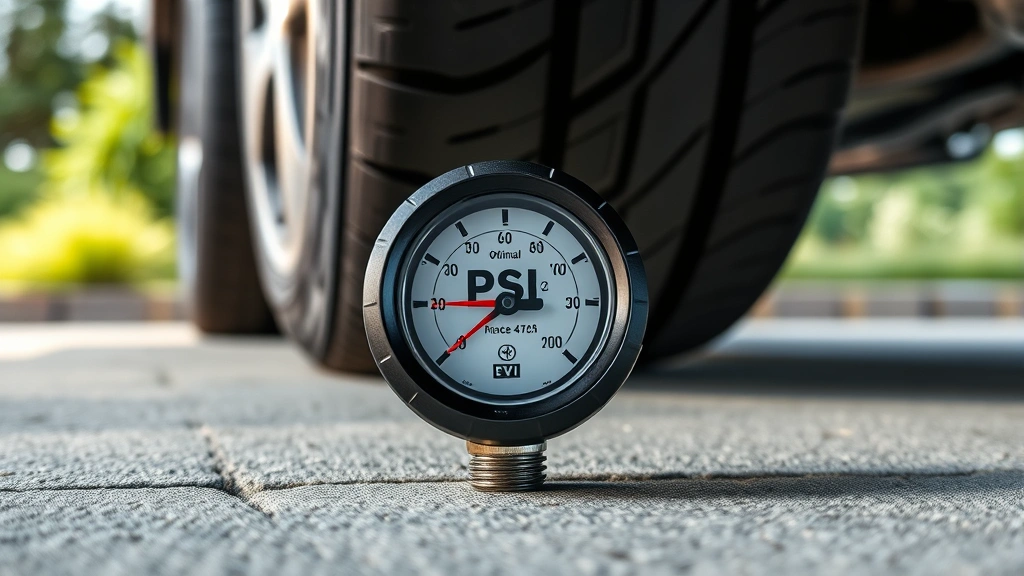
Regional and Independent Stations
How to Locate Free Air Near You
Why Tire Pressure Matters for Sustainability
Proper Tire Maintenance Guide
Alternative Resources for Free Air
FAQ
Why do some gas stations charge for air when others offer it free?
What’s the difference between PSI and BAR pressure measurements?
Can I overinflate my tires at gas station air pumps?
How often should I check tire pressure?
What causes tires to lose pressure naturally?
Are there tire pressure monitoring apps I should use?
What should I do if I can’t find free air in my area?


