Table of Contents
Introduction
Climate change is real, and our energy crisis isn’t going away. But here’s some good news: sustainable energy solutions are finally hitting their stride. You know that feeling when you realize there might actually be a way forward? That’s where we are right now with renewable energy.
Here’s the thing about our current energy situation—we’ve been burning fossil fuels for so long that we’ve created a real mess. The greenhouse gases, the environmental damage, the whole dependency issue. It’s not sustainable (literally). But renewable sources like solar, wind, and biomass? They’re changing the game. Take the recent green technology innovations we’re seeing—they’ve made it easier than ever to tap into natural resources efficiently. And the best part? These energy solutions work hand-in-hand with other environmental efforts, like the water pollution reduction strategies that are helping clean up our planet.
I get it—you’re probably thinking about the money. “How much is this going to cost me?” Fair question. The reality is that switching to sustainable energy actually saves you money in the long run. Plus, it’s creating jobs like crazy in green industries. Look at sustainable agriculture techniques—they prove that being environmentally responsible doesn’t mean sacrificing your bottom line. Whether you’re considering solar panels for your roof or wondering how wind turbines actually work, you can make choices that are both smart financially and good for the planet.
Now, let’s be honest—this transition isn’t happening without some bumps in the road. There are technical challenges, and not everyone’s on board yet. But momentum is building. Governments are stepping up with incentives, communities are getting involved, and the solutions are getting better every day. When you dig into the principles of sustainability, you start to see how this balanced approach can actually work. And here’s something interesting: sustainable energy practices are helping tackle the effects of deforestation on climate change in ways you might not expect.
What You’ll Learn in This Guide
This guide will walk you through everything you need to know about sustainable energy solutions. No jargon, no overwhelming technical details—just the information you need to understand why this matters and how you can get involved.
- Overview of Sustainable Energy: Discover what sustainable energy solutions entail, their significance in combating climate change, and their role in meeting the world’s growing energy needs.
- Types of Sustainable Energy Sources: Learn about the major renewable energy options including solar, wind, hydroelectric, geothermal, and biomass, and how each technology works.
- Benefits of Sustainable Energy: Understand the environmental, economic, and social advantages such as lower greenhouse emissions, job opportunities, and improved public health.
- Challenges and Implementation Strategies: Explore the key barriers to adoption and practical approaches governments, businesses, and individuals can take to overcome these challenges successfully.
As we dive deeper, you’ll see specific examples of sustainable energy in action and the innovations that are pushing boundaries. We’ll also share practical tips that actually matter—whether you’re a homeowner trying to cut your energy bills, a business owner exploring options, or someone who just wants to understand what’s happening in this space. For example, when you see how sustainability in the fashion industry is evolving, you’ll get a better sense of how these principles are spreading everywhere.
When you choose sustainable energy, you’re joining something bigger than yourself. You’re part of a movement that’s creating a cleaner, healthier planet for everyone. Understanding the strategies and trends behind this shift will help you make informed decisions and maybe even become an advocate for change in your own community.
Ready to learn how sustainable energy can make a real difference? Let’s explore the possibilities together and see what all the excitement is about.
So we’ve covered the basics of sustainable energy—now let’s get into the good stuff. What exactly are we working with when we talk about renewable energy? The options might surprise you with their variety and potential. As more people wake up to what fossil fuels are really costing us (both environmentally and economically), the push toward cleaner alternatives isn’t just picking up steam—it’s becoming essential. Here’s the thing about sustainable energy: it’s not just one solution, but a whole toolkit of technologies that work with nature instead of against it. Each option brings something different to the table, and understanding what’s available helps you make better choices, whether you’re thinking about your own home or wondering where the world is heading. Ready to explore what’s actually powering our cleaner future?
Types of Sustainable Energy Solutions
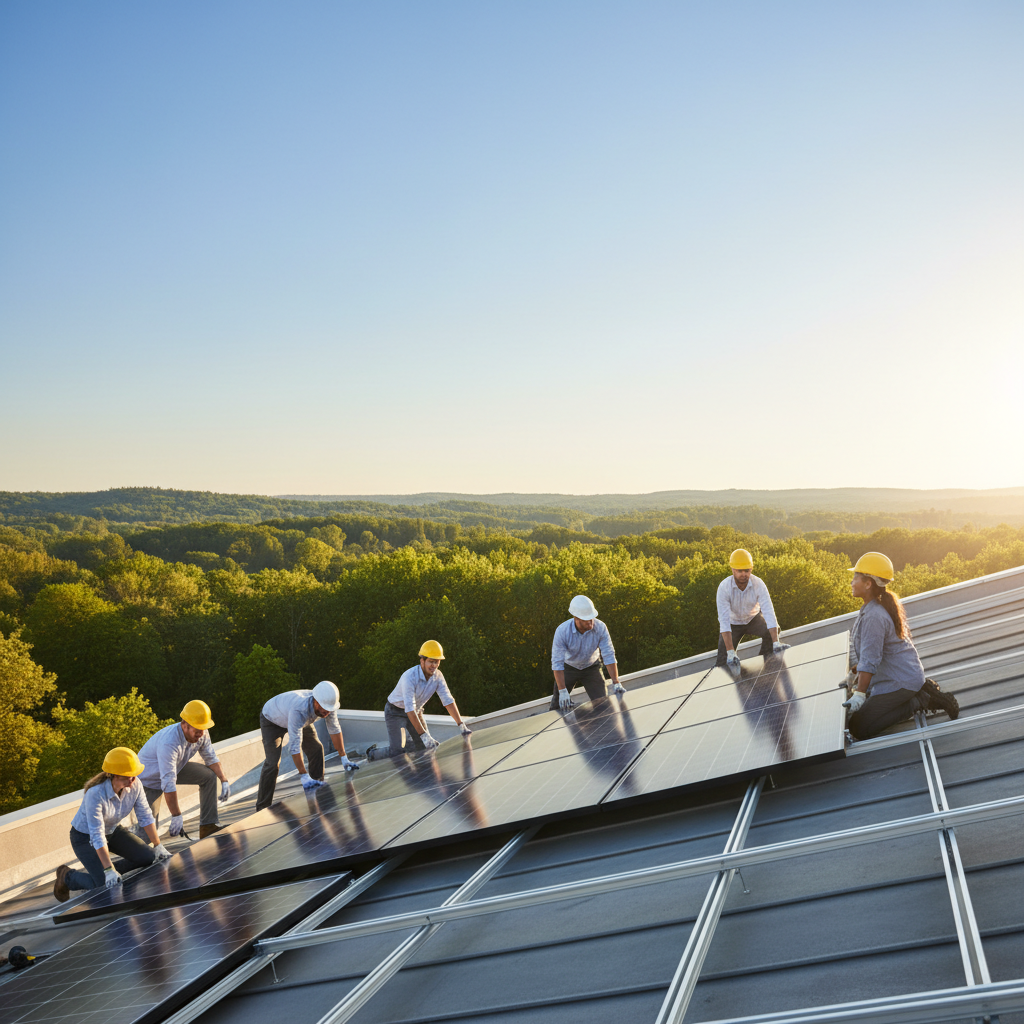
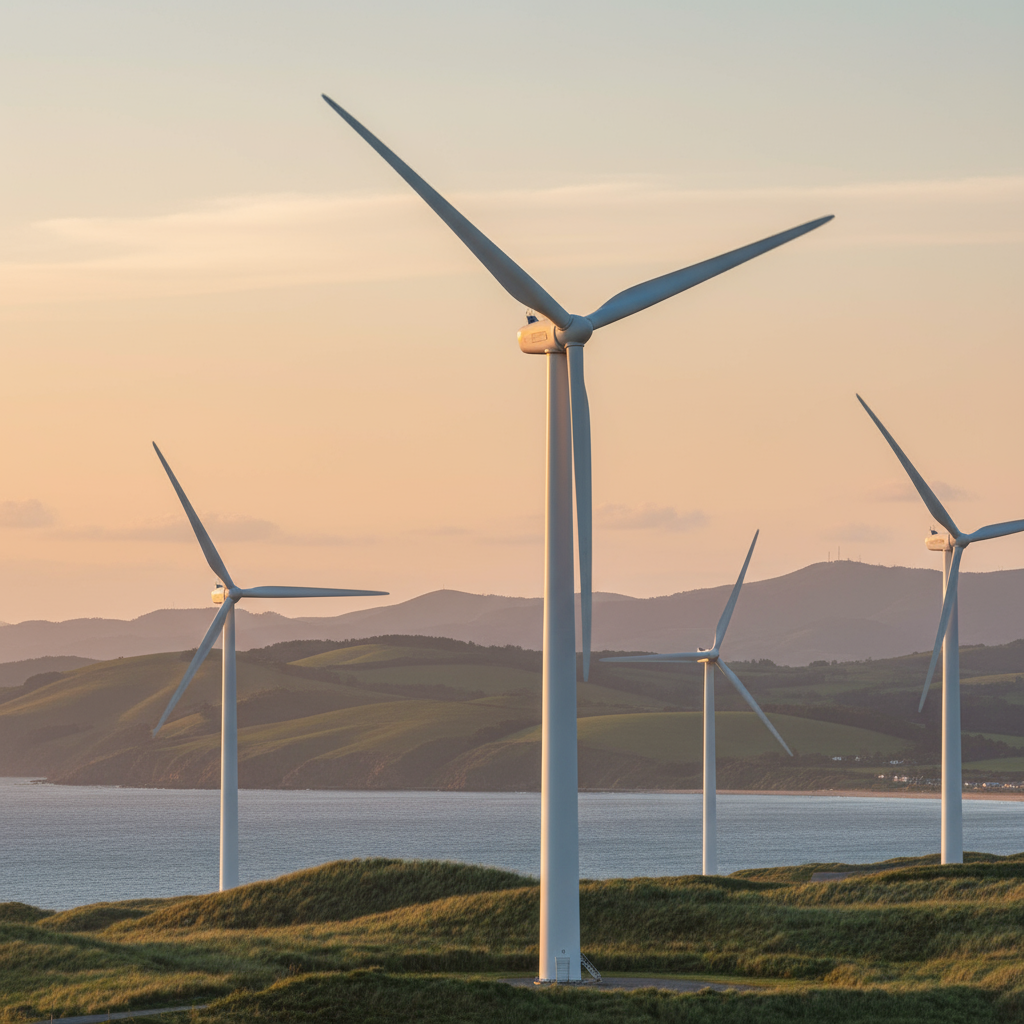
Let’s start with the star of the show: solar energy. You’ve probably seen those sleek panels popping up on rooftops everywhere, and there’s a good reason for that. Solar technology comes in two main flavors—photovoltaic panels that turn sunlight directly into electricity, and solar thermal systems that capture heat. What makes solar so appealing? It scales beautifully. You can start small with a few panels on your garage, or go big with massive solar farms that power entire cities. And here’s what gets really exciting: the technology keeps getting better and cheaper every year. Wind energy works differently but just as cleverly—it captures moving air with those giant turbines you see spinning across landscapes and coastlines. Those towering structures are converting kinetic energy into electricity, and they’re getting incredibly good at it. Modern wind farms, whether planted onshore or floating offshore, have become major players in electricity grids worldwide. They produce clean power with virtually no emissions once they’re running. Plus, when you pair wind energy with smart grid technology, you can actually balance out the natural ups and downs that come with weather-dependent power sources.
But wait—there’s more to this renewable energy story. Hydroelectric power has been quietly doing its job for decades, turning the simple flow of water into reliable electricity. It’s like having a steady, dependable friend in your energy portfolio. The consistency is fantastic, though you do need to be thoughtful about environmental impacts on rivers and communities. Geothermal energy taps into something pretty amazing: the Earth’s own heat. Picture this—just a few feet below ground, the temperature stays relatively constant year-round. Go deeper, and you can find serious heat for power generation. It’s incredibly reliable because the Earth’s internal heat never takes a day off. The catch? Geography matters. You need to be in the right location to make it work. Then there’s biomass energy, which is basically turning yesterday’s waste into today’s power. Agricultural leftovers, wood chips, even specially grown energy crops—all of this organic matter can be converted into clean energy. It’s a win-win that helps with waste management while supporting rural communities. Each of these technologies brings its own personality to the renewable energy mix, helping us reduce carbon footprints while building more diverse, resilient energy systems.
Key Aspects of Sustainable Energy Types
Here’s what you need to know about each major sustainable energy option:
- Solar Energy: Utilizes photovoltaic (PV) panels that convert sunlight directly into electricity and solar thermal systems that capture heat. Increasingly affordable and modular, solar solutions fit various scales and climates worldwide.
- Wind Energy: Converts wind currents into electricity using turbines. Both onshore and offshore wind farms contribute to clean energy supply, with technological advancements reducing intermittency challenges.
- Hydroelectric Power: Harnesses water flow to generate electricity. Provides reliable, renewable power but requires environmental assessments to minimize ecosystem and social impacts.
- Geothermal Energy and Biomass: Geothermal energy exploits underground heat for consistent power and heating, while biomass uses organic matter as fuel, offering carbon-neutral energy with waste recycling benefits.
Now that you understand the different players in the sustainable energy game, you can see why this transition is so promising. Each option has its own strengths, challenges, and ideal applications. The complexity is real, but so is the potential. We’re not just talking about switching energy sources—we’re looking at a complete transformation of how we power our world.
Benefits of Sustainable Energy Solutions
Here’s where things get really compelling. The benefits of sustainable energy go way beyond just “helping the environment” (though that part is pretty important). Let’s talk about what this actually means for real people and real communities. Environmentally, we’re looking at a dramatic cut in greenhouse gas emissions—we’re talking about the difference between choking our atmosphere and giving it room to breathe. Cleaner energy means cleaner air and water, which translates to healthier communities and thriving ecosystems. But the economic story is just as exciting. The renewable energy boom is creating entire industries from scratch—manufacturing, installation, maintenance, research and development. These aren’t just jobs; they’re career paths that didn’t exist a generation ago. And here’s something that might surprise you: sustainable energy often saves money in the long run. Once your solar panels are installed or your wind farm is spinning, the “fuel” is free. No more worrying about oil price spikes or supply chain disruptions. That’s energy security you can count on. Socially, clean energy is becoming a great equalizer, bringing power to remote communities that traditional grids never reached and improving quality of life across the board.
Let’s dig into the environmental wins for a moment. When renewable energy sources are running, they produce little to no greenhouse gases. Compare that to coal or natural gas plants, and the difference is striking. This isn’t just good for polar bears—it’s essential for meeting global climate goals like those outlined in the Paris Agreement. The economic momentum is equally impressive. The renewable sector is creating jobs faster than many traditional industries, and the roles are diverse. You might be designing next-generation solar cells in a lab, installing wind turbines on a mountain ridge, or managing the software that optimizes power grids. Meanwhile, the costs keep dropping. Solar and wind power are now cheaper than fossil fuels in many markets, and that trend isn’t slowing down. On the social side, communities that were once breathing polluted air from nearby power plants are seeing real health improvements. Children have fewer asthma attacks. Elderly people are healthier. And perhaps most importantly, countries that embrace renewable energy become less dependent on energy imports, which means more control over their own energy destiny.
Key Aspects of Sustainable Energy Benefits
Here are the major benefits that make sustainable energy such a game-changer:
- Environmental Benefits: Significant reduction in greenhouse gas emissions and pollutants, contributing to climate change mitigation and improved air and water quality.
- Economic Benefits: Job creation across construction, manufacturing, and maintenance sectors, as well as potential energy cost savings and price stability over time.
- Social Benefits: Enhanced energy access, especially in remote or underserved communities, leading to improved health outcomes and better quality of life.
- Energy Security and Independence: Reduced reliance on imported fuels, increasing resilience to market fluctuations and geopolitical tensions, while supporting local economies.
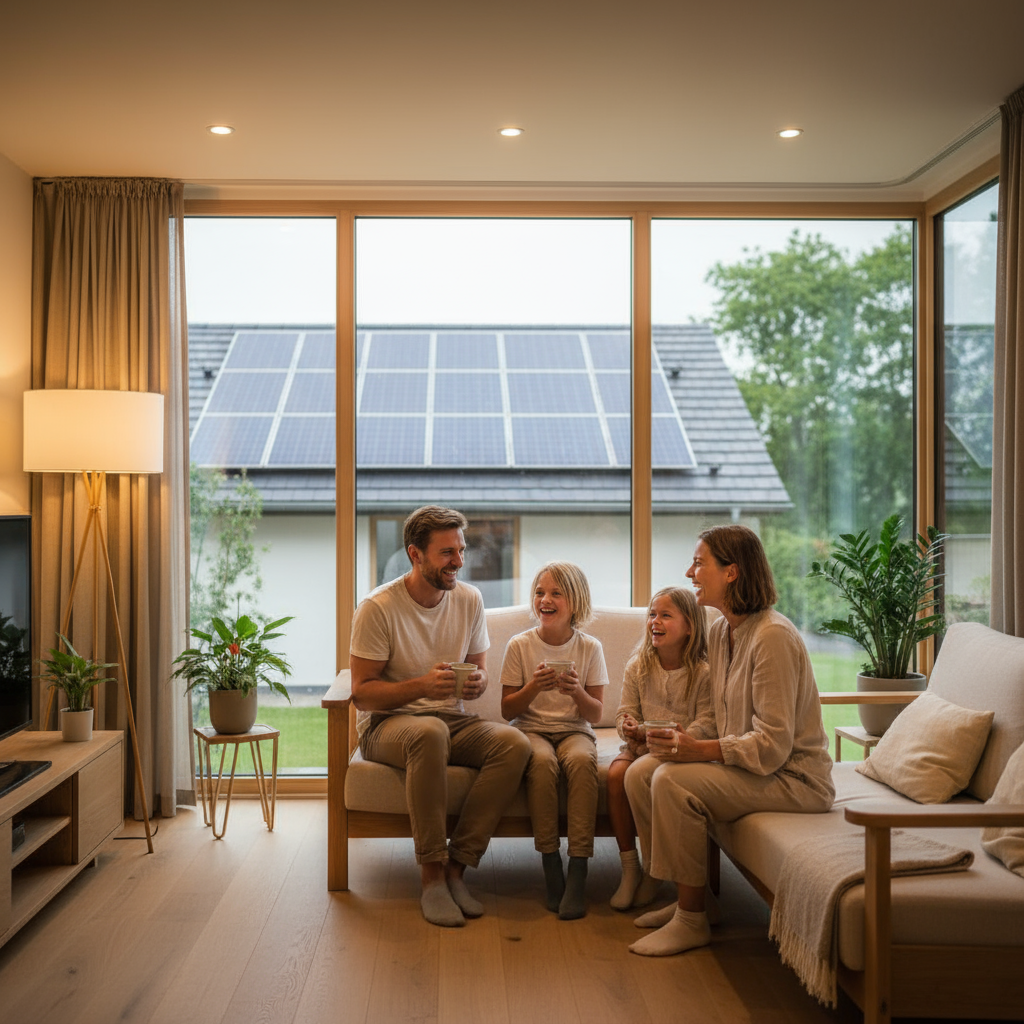
Here’s the bottom line: sustainable energy isn’t just a nice-to-have anymore—it’s absolutely essential for our future. Solar, wind, hydroelectric, geothermal, and biomass energy sources each bring something unique to the table. They work together like a well-orchestrated team, slashing our dependence on fossil fuels while dramatically cutting greenhouse gas emissions. The result? Cleaner air, cleaner water, and a fighting chance against climate change. But here’s what really gets me excited: the economic benefits. We’re talking about job creation, long-term savings on energy costs, and true energy independence. That’s innovation driving real economic growth across communities everywhere.
Now, let’s be honest—this transition isn’t exactly a walk in the park. Intermittency and storage issues? Yeah, they’re real challenges that keep engineers up at night. Smart grid technologies are helping, but we’re still working out the kinks. Then there’s the money side of things. Those upfront costs can be steep, and navigating regulatory red tape feels like running through molasses sometimes. And don’t get me started on social acceptance—changing hearts and minds takes time, patience, and a lot of good communication. But you know what? The momentum is building. Governments, businesses, and everyday people are jumping on board, finding creative ways to tackle these obstacles.
So what’s your next move? Time to dig deeper and make a real difference. Start with the principles of sustainability—it’s like getting the blueprint for balancing environmental, social, and economic needs. Want to see these principles in action? Check out our guide on sustainability in agriculture to discover eco-friendly farming methods that actually work. Since energy and water go hand in hand, you’ll also want to explore practical ways for reducing water pollution right in your own backyard. And here’s something practical—if you’re planning to invest in sustainable solutions, having solid financial footing helps. Our guide to financial security can help you build that emergency fund first.
Look, sustainable energy adoption is a team sport. Every choice you make—whether it’s a personal lifestyle change, getting involved in community advocacy, or taking action in your professional life—it all adds up. Your commitment to learning and taking action? That’s contagious. Others see what you’re doing and want to be part of it too. Progress happens one step at a time, and together, we can completely transform how we use energy. Our kids and their kids will thank us for it.
Frequently Asked Questions
-
What are the most common types of sustainable energy?
- Solar, wind, hydroelectric, geothermal, and biomass are the most common sustainable energy sources that provide clean, renewable power.
-
How do sustainable energy solutions help reduce climate change?
- They reduce greenhouse gas emissions by replacing fossil fuels with clean energy technologies, thus lowering pollution and environmental impact.
-
What are the biggest challenges in adopting sustainable energy?
- Technical issues like energy storage, high initial costs, regulatory barriers, and social acceptance are major challenges to widespread adoption.
-
How can individuals contribute to sustainable energy adoption?
- Individuals can support renewable energy programs, make energy-efficient choices, and advocate for policies promoting clean energy use.
-
What is the future outlook for sustainable energy?
- Emerging technologies and increased global commitments point to rapid growth, improved efficiency, and deeper integration of sustainable energy in coming decades.