Ethanol-Free Gas: Pros and Cons Explained
Ethanol-free gasoline has become an increasingly popular choice among vehicle owners, yet many drivers remain uncertain about what it actually is and whether it’s the right fuel for their needs. Unlike conventional gasoline blended with ethanol, ethanol-free gas contains pure gasoline without any alcohol additives, offering distinct advantages and disadvantages depending on your vehicle type and driving habits.
The debate surrounding fuel choices extends beyond simple performance metrics. Understanding the environmental implications, cost considerations, and mechanical impacts of ethanol-free gasoline requires examining both scientific evidence and real-world applications. Whether you drive a classic car, operate small engines, or simply want to maximize fuel efficiency, this comprehensive guide explores everything you need to know about ethanol-free gas.
What is Ethanol-Free Gas
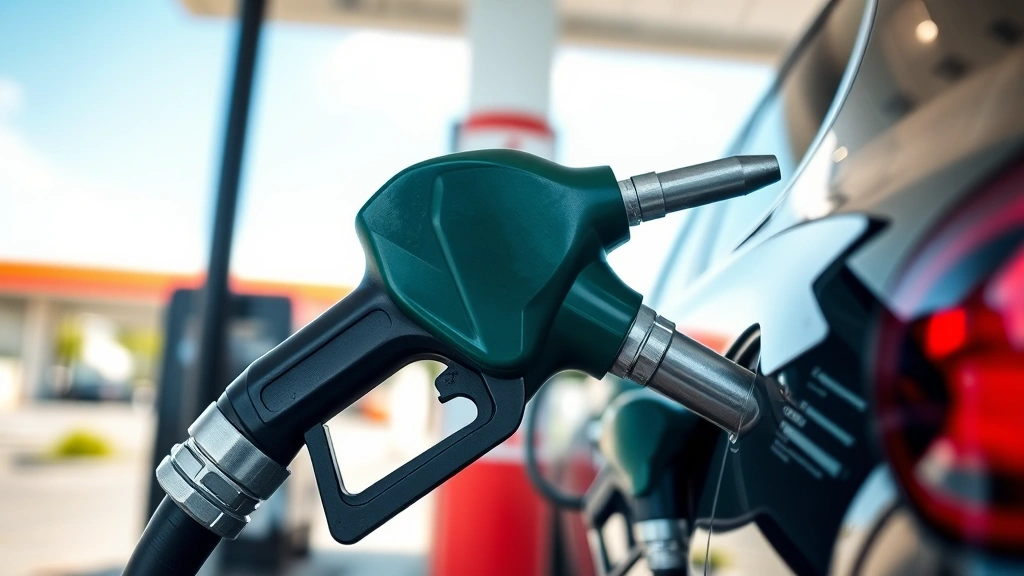
Ethanol-free gasoline is pure petroleum-based fuel without any alcohol additives or blending components. Standard gasoline sold at most pumps contains 10% ethanol (E10), a renewable fuel derived from corn and other plant sources. Ethanol-free gas, sometimes labeled as pure gasoline or straight gasoline, contains zero percent ethanol, making it chemically distinct from the fuel most modern drivers encounter daily.
The composition of ethanol-free gas consists primarily of hydrocarbons extracted and refined from crude oil. This fuel meets all Environmental Protection Agency (EPA) standards for emissions and performance while maintaining its pure petroleum foundation. Many specialty fuel stations, particularly those serving recreational vehicles, small engines, and classic car enthusiasts, stock ethanol-free options exclusively.
The production process for ethanol-free gasoline mirrors conventional fuel refining, with the key difference being the absence of ethanol blending at the distribution stage. Refineries produce base gasoline, then add various detergents and additives to meet performance standards, but they skip the ethanol component that typically comprises 10% of standard pump gasoline.

The Difference Between Ethanol-Free and E10 Gas
Understanding the distinctions between E10 gas and ethanol-free fuel helps clarify why some drivers prefer one over the other. E10 gasoline contains exactly 10% ethanol by volume, the standard blend mandated by federal regulations in the United States. This blend emerged from renewable fuel standards designed to reduce petroleum dependency and support domestic agriculture.
The chemical properties differ significantly between these fuels. Ethanol is hygroscopic, meaning it attracts and absorbs water molecules from the air. This characteristic creates potential problems in fuel systems, particularly in vehicles that sit unused for extended periods. Ethanol-free gas lacks this water-absorbing property, remaining stable in storage and less prone to fuel system corrosion.
Octane ratings provide another point of comparison. Ethanol naturally increases a fuel’s octane rating, so E10 gasoline typically achieves higher octane numbers than equivalent ethanol-free blends. However, modern detergents and additives in ethanol-free fuel can maintain competitive performance characteristics. When comparing different types of gas, octane requirements depend entirely on your vehicle’s engine specifications.
Advantages of Ethanol-Free Gasoline
Superior Fuel Stability and Storage Life
Ethanol-free gasoline maintains stability far longer than ethanol-blended fuel. The absence of ethanol prevents water absorption, eliminating the corrosive effects that damage fuel system components. This advantage becomes particularly valuable when storing fuel in cans or during seasonal vehicle storage. Understanding how long gas lasts in a can reveals that ethanol-free fuel maintains viability for significantly longer periods, often remaining usable after six months of proper storage compared to three months for E10 fuel.
Engine Performance and Efficiency
Many vehicle owners report improved fuel economy with ethanol-free gasoline. Since ethanol contains approximately 35% less energy content than pure gasoline, engines must burn more ethanol-blended fuel to achieve equivalent power output. Ethanol-free gas delivers consistent energy density, potentially improving miles per gallon figures, particularly in older vehicles designed before E10 became standard.
Reduced Fuel System Corrosion
The water-absorbing nature of ethanol creates rust and corrosion in fuel tanks, injectors, and carburetor components. Ethanol-free gasoline eliminates this mechanism, protecting metal fuel system parts from degradation. Classic cars, vintage motorcycles, and antique equipment benefit substantially from ethanol-free fuel’s corrosion-resistant properties, extending equipment lifespan and reducing maintenance costs.
Compatibility with Older Vehicles
Vehicles manufactured before 2000 often feature fuel system materials incompatible with high-ethanol blends. Rubber seals, gaskets, and fuel lines designed for pure gasoline can deteriorate when exposed to ethanol. Ethanol-free fuel preserves these components, ensuring reliable operation in classic and vintage vehicles that lack modern fuel system engineering.
Benefits for Small Engines
Lawn mowers, chainsaws, generators, and other small engines perform optimally with ethanol-free fuel. These engines lack the sophisticated fuel management systems in automobiles, making them vulnerable to ethanol-related gum formation and fuel degradation. Small engine manufacturers frequently recommend ethanol-free gasoline in their equipment manuals.
Disadvantages of Ethanol-Free Gas
Higher Cost and Limited Availability
Ethanol-free gasoline typically costs 20-30% more than standard E10 fuel at the pump. This premium reflects lower production volumes and specialized distribution requirements. Availability varies dramatically by region, with ethanol-free stations concentrated in areas serving recreational boating, aviation, and classic car communities. Rural areas with agricultural focus often have fewer ethanol-free options than urban centers.
Environmental Considerations
Ethanol represents a renewable fuel source derived from agricultural biomass, reducing petroleum dependency and lowering lifecycle greenhouse gas emissions. By choosing ethanol-blended fuel, drivers support renewable energy development and reduce net carbon emissions compared to pure petroleum gasoline. This environmental advantage favors E10 fuel for environmentally-conscious consumers without specialty vehicle requirements.
Reduced Engine Knock Resistance
Ethanol’s natural octane-boosting properties mean ethanol-free gasoline requires additional additives to achieve equivalent knock resistance. While modern detergent packages compensate effectively, some high-performance engines may experience slightly reduced knock margin with pure gasoline compared to ethanol blends.
Less Effective Fuel System Cleaning
Ethanol acts as a solvent, helping dissolve fuel system deposits and maintaining injector cleanliness. Ethanol-free fuel lacks this cleaning property, potentially allowing carbon buildup in fuel injectors over extended use. Vehicles relying on fuel system detergents must receive regular maintenance to prevent deposit accumulation.
Who Should Use Ethanol-Free Gas
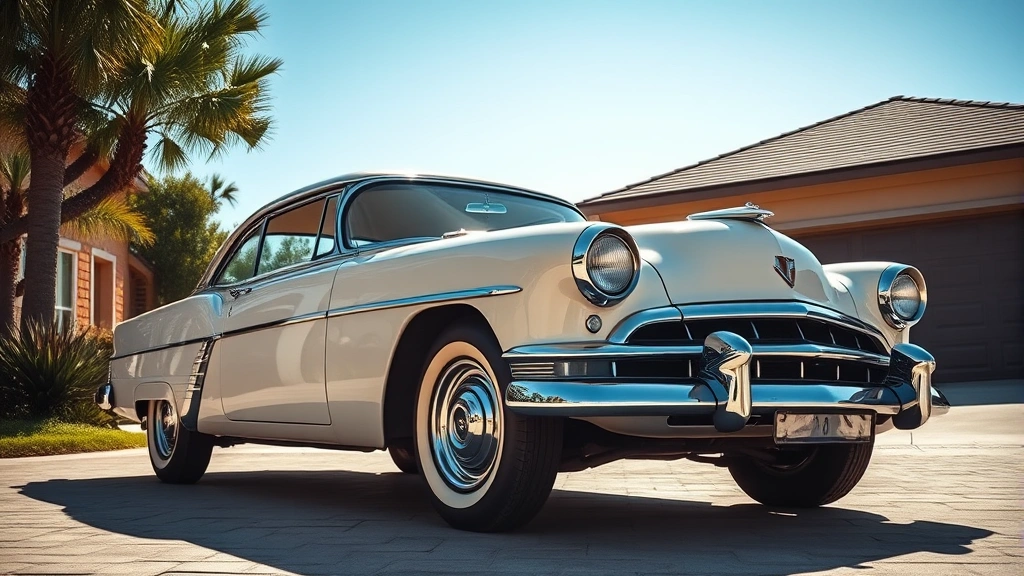
Ethanol-free gasoline serves specific vehicle categories and use cases most effectively. Classic and vintage car owners represent the primary beneficiaries, as older vehicles lack compatible fuel system materials for ethanol blends. Preservation enthusiasts prioritize ethanol-free fuel to maintain authenticity and prevent component degradation.
Small engine operators including landscapers, farmers, and homeowners should consider ethanol-free fuel for lawnmowers, chainsaws, generators, and similar equipment. Manufacturers frequently specify ethanol-free requirements in owner manuals, and fuel stability becomes critical when equipment sits idle seasonally.
Recreational vehicle enthusiasts including boat owners and RV operators benefit from ethanol-free fuel’s superior storage stability. Extended storage periods between uses make water-free fuel essential for maintaining fuel system integrity and preventing corrosion damage.
High-performance and specialty vehicles sometimes perform better with ethanol-free fuel, particularly vintage motorcycles and exotic cars with original fuel systems. Owners should consult vehicle documentation before switching fuel types.
Conversely, modern vehicle owners with cars manufactured after 2000 typically derive no benefit from ethanol-free fuel. Modern engines operate optimally on E10 or higher ethanol blends, and the environmental benefits of renewable fuel support broader sustainability goals.
Environmental Impact Considerations
The environmental calculus surrounding ethanol-free versus ethanol-blended fuel extends beyond simple emissions comparisons. The EPA’s Renewable Fuel Standard program mandates ethanol blending to reduce petroleum consumption and support domestic agriculture while lowering lifecycle greenhouse gas emissions.
Ethanol production from corn and cellulosic biomass reduces net carbon emissions compared to pure petroleum extraction and refining. However, agricultural practices supporting ethanol production involve land use, water consumption, and chemical inputs that carry environmental costs. Life cycle assessments demonstrate that E10 fuel typically produces 10-20% lower greenhouse gas emissions than pure gasoline over complete production and combustion cycles.
Pure gasoline burns more efficiently in terms of energy density, partially offsetting ethanol’s renewable advantages. For vehicles achieving superior fuel economy with ethanol-free fuel, the environmental benefits may approach parity with ethanol blends despite the renewable fuel disadvantage.
Consumers prioritizing environmental sustainability should recognize that advanced biofuels and sustainable ethanol production represent evolving solutions. Supporting renewable fuel standards through E10 consumption encourages development of second-generation biofuels with reduced agricultural impact.
Cost Comparison and Availability
The price premium for ethanol-free gasoline varies by region and market conditions. At most gas stations across the United States, ethanol-free fuel costs 15-35 cents more per gallon than standard E10. This premium reflects production volume economics—lower demand justifies higher per-gallon costs.
Calculating true cost requires considering fuel economy differences. If ethanol-free fuel improves efficiency by 5-10% (common in older vehicles), the price premium may partially offset through reduced consumption. For modern vehicles showing no efficiency improvement, the higher cost provides no compensating advantage.
Availability patterns depend heavily on local infrastructure and community needs. Recreational boating regions, agricultural areas, and classic car hotspots maintain robust ethanol-free distribution networks. Urban centers with minimal small engine usage may lack convenient access, requiring purposeful shopping at specialty stations.
Some consumers find ethanol-free fuel at independent stations, marina fuel docks, and specialty retailers rather than major chain gas stations. Advance research and planning become necessary for regular ethanol-free fuel purchases in areas with limited availability.
Storage and Longevity
Proper fuel storage becomes critical when selecting between ethanol-free and ethanol-blended options. Understanding whether gas goes bad reveals that ethanol-free fuel maintains usability significantly longer than E10.
Ethanol-free gasoline stored in sealed, clean containers remains viable for 6-12 months under ideal conditions. The absence of hygroscopic ethanol prevents water accumulation and fuel degradation. Stored ethanol-blended fuel typically degrades within 3-6 months as ethanol absorbs atmospheric moisture, creating corrosive fuel system conditions.
Storage best practices include using fuel stabilizer additives, maintaining full containers to minimize air space, and storing fuel in cool, dark locations away from temperature fluctuations. Ethanol-free fuel tolerates less-than-perfect storage conditions better than ethanol blends, making it superior for emergency reserves and seasonal equipment storage.
Fuel rotation becomes essential for both types. Using fuel within recommended timeframes prevents degradation regardless of ethanol content. For equipment stored multiple seasons, ethanol-free fuel provides greater insurance against fuel-related starting problems and system corrosion.
FAQ
Is ethanol-free gas better for my car?
The answer depends on your vehicle’s age and design. Modern cars (post-2000) perform optimally on E10 fuel and derive no benefit from ethanol-free alternatives. Classic vehicles and small engines benefit substantially from ethanol-free fuel’s stability and corrosion-prevention properties. Consult your vehicle’s manual for specific fuel recommendations.
Why is ethanol-free gas more expensive?
Lower production volumes and specialized distribution infrastructure drive higher costs. Ethanol-free fuel requires separate refining, storage, and transportation to prevent contamination with standard E10 fuel. Limited market demand compared to conventional gasoline justifies the premium pricing.
Can I mix ethanol-free and ethanol-blended fuel?
Yes, mixing fuel types creates no mechanical problems. However, the resulting blend offers no advantages of either fuel type. Mixing ethanol-free premium fuel with standard E10 produces intermediate fuel characteristics. For optimal results, maintain consistent fuel choices based on your vehicle’s requirements.
Does ethanol-free gas improve fuel economy?
Fuel economy improvements vary by vehicle. Older engines may achieve 5-10% better mileage with ethanol-free fuel due to higher energy density. Modern vehicles with optimized fuel injection systems show minimal or no improvement. Real-world results depend on driving conditions, engine condition, and specific vehicle design.
Where can I find ethanol-free gasoline?
Ethanol-free fuel availability varies by region. Check online directories, contact local marinas and boat dealers, visit recreational vehicle suppliers, and inquire at independent service stations. Classic car clubs often maintain lists of ethanol-free fuel sources in their areas.
Is ethanol-free gas better for the environment?
Environmental benefits favor ethanol-blended fuel in most cases. Renewable ethanol reduces lifecycle greenhouse gas emissions by 10-20% compared to pure petroleum gasoline. Unless your vehicle achieves significantly improved efficiency with ethanol-free fuel, E10 represents the more environmentally responsible choice.


