
How to Dispose of Old Gas Safely: Expert Tips for Responsible Fuel Management
Discovering old gasoline in your garage, shed, or storage tank presents both a safety hazard and an environmental concern that demands immediate attention. Whether you’re dealing with fuel left over from last season’s lawn mower, an abandoned vehicle, or a home heating oil tank, understanding proper disposal methods is essential for protecting your health, your community, and the environment. Improper handling of aged gasoline can lead to fires, explosions, soil contamination, and groundwater pollution that affects entire neighborhoods.
The challenge with old gas extends beyond mere inconvenience. Gasoline degrades over time, becoming increasingly unstable and dangerous to handle. When fuel sits idle, it separates into components, develops varnish deposits, and accumulates water, making it unsuitable for engines and hazardous for storage. This comprehensive guide provides expert-backed strategies for safely identifying, storing, and disposing of old fuel while minimizing environmental impact and maximizing safety for you and those around you.

Why Old Gas Becomes Dangerous
Gasoline is a complex mixture of volatile hydrocarbons engineered for specific performance characteristics in modern engines. However, this fuel undergoes significant chemical changes when exposed to oxygen, light, and temperature fluctuations over extended periods. The oxidation process causes the formation of gums and varnishes that coat fuel system components, leading to engine damage and starting problems. Additionally, lighter hydrocarbons evaporate naturally, leaving behind heavier compounds that don’t burn efficiently.
The danger escalates when moisture accumulates in fuel storage containers. Water in gasoline promotes corrosion of metal fuel tanks and injectors while creating an environment where bacteria and fungi thrive. These microorganisms produce acids that further degrade fuel quality and corrode storage vessels from the inside. Beyond mechanical concerns, degraded gasoline becomes increasingly flammable and unstable, presenting serious fire and explosion risks during handling, transport, and storage.
According to the EPA’s guidance on petroleum storage, fuel stored for more than three to six months without stabilizers enters a critical degradation phase. Old gas can also contain elevated levels of volatile organic compounds (VOCs) that contribute to air pollution and pose respiratory health risks. This makes proper disposal not just a practical concern but a public health imperative.
Identifying Degraded Fuel
Before you can properly dispose of old gasoline, you need to confirm that the fuel is indeed degraded and unsuitable for use. Several visual and olfactory indicators signal that gas has passed its usable lifespan. Fresh gasoline typically displays a clear, pale yellow color, while aged fuel often appears darker, ranging from amber to dark brown depending on the extent of oxidation. Cloudiness or haziness in the fuel indicates water contamination, which is a serious red flag requiring immediate professional disposal.
Smell provides another diagnostic tool. Fresh gasoline has a characteristic sharp, pungent odor, while old gas develops a sour, stale smell reminiscent of varnish or lacquer. If the fuel smells noticeably different from fresh gasoline, degradation has likely occurred. Visible sediment, sludge, or particles floating in the container are clear indicators of chemical breakdown and microbial growth. Trust your instincts—if something seems off about the fuel’s appearance or odor, treat it as degraded and proceed with disposal rather than attempting to use it.
The age of the fuel provides context for assessment. Gasoline stored in a sealed, cool, dark location may remain usable for six months to a year with proper stabilization. However, fuel exposed to temperature fluctuations, sunlight, or stored in open containers degrades much more rapidly—sometimes within weeks. If you cannot recall when the fuel was purchased or stored, it’s safest to assume degradation and arrange for professional disposal through certified hazardous waste facilities.
Safe Storage Requirements
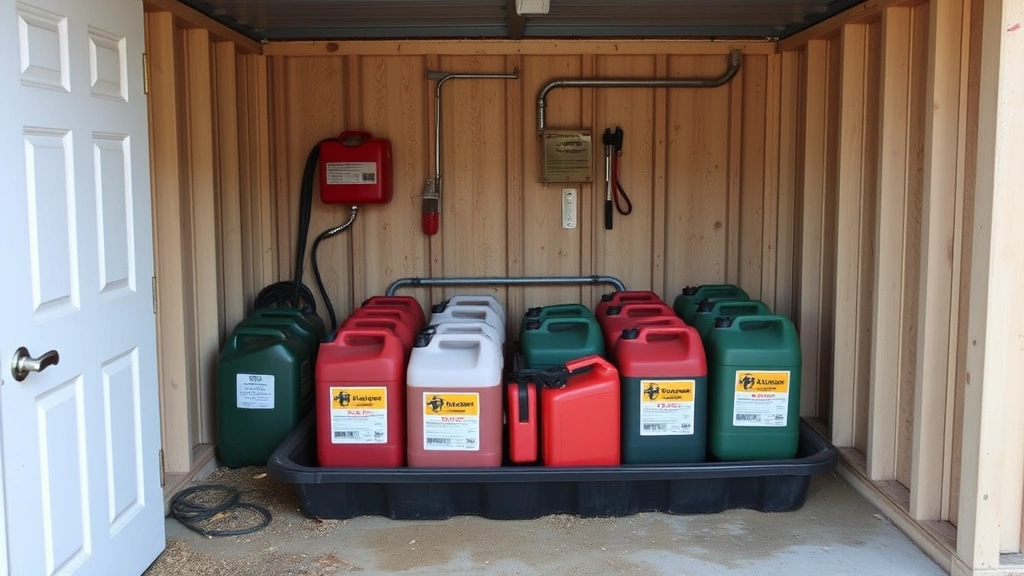
If you must store old gasoline temporarily before disposal, following strict safety protocols is non-negotiable. Never store fuel in your home, basement, or attached garage, as vapors can accumulate and create fire hazards that threaten your entire household. Instead, designate an outdoor storage location that is well-ventilated, away from heat sources, electrical equipment, and ignition sources like grills or fire pits.
Use only approved gasoline containers specifically designed for fuel storage. These containers feature safety caps, flame arresters, and materials that resist chemical degradation. Plastic containers must be specifically rated for gasoline storage—never use containers previously holding other substances, as chemical residues can react dangerously with fuel. Metal containers are excellent for long-term storage but require inspection for rust and corrosion, which can contaminate fuel and create leaks.
Store containers in a locked shed, detached garage, or designated hazardous materials storage area where children and pets cannot access them. Keep containers tightly sealed to minimize evaporation and prevent water infiltration. Label all containers clearly with “OLD GASOLINE” and the date to prevent accidental use. Maintain adequate spacing between containers and ensure proper ventilation to prevent vapor accumulation. Consider placing containers on absorbent material or in a secondary containment tray to capture any leaks before they reach soil.
Professional Disposal Options
The safest and most environmentally responsible approach to old gas disposal involves partnering with certified professionals. Hazardous waste facilities are equipped with specialized equipment and expertise to handle petroleum products safely. Contact your local environmental protection agency or solid waste management department to locate certified facilities in your area. Many communities offer seasonal hazardous waste collection events where residents can drop off old gasoline at no cost.
Recycling centers increasingly accept old fuel as part of comprehensive hazardous waste programs. These facilities properly treat the gasoline, recovering usable components while safely disposing of contaminants and water. Some recycling centers even refine old fuel for industrial applications or reconvert it into usable gasoline through specialized processes. This approach aligns perfectly with definition of sustainability principles by recovering resources rather than creating waste.
Automotive service centers and fuel dispensing stations sometimes accept old gasoline from customers, particularly if they sold the fuel originally. Call ahead to confirm acceptance policies and any associated fees. Some stations participate in take-back programs specifically designed for consumer fuel disposal. When transporting old gas to disposal facilities, use only approved containers, drive carefully to minimize spillage risks, and never leave fuel unattended in vehicles. Keep a fire extinguisher in your vehicle during transport as a precautionary measure.
Environmental remediation companies offer another professional option, particularly for large quantities of old fuel or contaminated storage tanks. These specialists handle complex disposal scenarios involving underground storage tanks, contaminated soil, and extensive environmental cleanup. While more expensive than standard hazardous waste disposal, these services prove invaluable when old fuel has already caused environmental damage that requires professional remediation.
DIY Disposal Methods
While professional disposal is always preferable, certain DIY approaches can work for very small quantities of old gasoline under strict safety conditions. One method involves mixing old fuel with soil in a well-ventilated outdoor area away from water sources. The soil absorbs the fuel while beneficial microorganisms naturally break down hydrocarbons through bioremediation. However, this method requires careful site selection—never use areas near groundwater, wells, or storm drains. Check local regulations before attempting soil disposal, as many jurisdictions prohibit this method entirely.
Another approach involves using the fuel in controlled burn situations, such as properly maintained burn barrels designed for petroleum products. This method requires appropriate permits, proper equipment, and expert knowledge of controlled combustion. Never attempt to burn old gasoline in open fires, fireplaces, or uncontained situations, as the unpredictable nature of degraded fuel creates explosion risks. Most homeowners lack the expertise and equipment necessary for safe fuel burning, making professional disposal a far better choice.
Some individuals attempt to revitalize old gasoline by adding fuel stabilizers or treatments designed to remove water and restore combustibility. While commercial fuel additives can sometimes salvage marginal fuel, heavily degraded gasoline rarely becomes usable again. More importantly, using questionable fuel in engines risks damaging expensive equipment and potentially causing safety hazards. The cost of repairs typically far exceeds professional disposal fees, making this approach counterproductive.
Environmental Impact Considerations
Improper disposal of old gasoline creates devastating environmental consequences that extend far beyond the immediate disposal location. Spilled or improperly dumped fuel contaminates soil, making land unsuitable for agriculture, construction, or natural habitat. Groundwater contamination from petroleum products can render drinking water sources unusable for entire communities, requiring expensive treatment or relocation of water supplies. The EPA’s groundwater protection program documents thousands of contamination sites created by improper fuel disposal.
Volatile organic compounds (VOCs) released during fuel evaporation contribute to ground-level ozone formation, which damages respiratory systems and harms plant life. Petroleum hydrocarbons in waterways create toxic conditions for aquatic organisms, disrupting entire ecosystems and entering food chains. Fish and aquatic invertebrates accumulate petroleum compounds in their tissues, eventually reaching human consumers through seafood consumption. This bioaccumulation process concentrates pollutants over time, creating health risks that persist for decades.
By choosing professional disposal, you participate in environmental stewardship aligned with how to reduce your environmental footprint initiatives. Professional facilities prevent environmental contamination, recover usable fuel components, and ensure proper treatment of hazardous byproducts. Consider this investment in environmental protection as part of your broader commitment to sustainable living practices.
Prevention Strategies
The best approach to old gas disposal is preventing fuel degradation in the first place. If you operate seasonal equipment like lawn mowers, generators, or boats, establish a fuel management routine. Use fuel stabilizers in equipment before seasonal shutdown to prevent oxidation and gum formation. Quality stabilizers protect gasoline for extended periods, allowing you to safely use fuel the following season without degradation concerns.
Purchase only the quantity of fuel you’ll use within three to six months during normal operation. Buying excessive fuel creates storage challenges and increases degradation risks. For equipment used infrequently, consider alternatives like advantages of electric vehicles and electric lawn care equipment, which eliminate fuel storage and disposal concerns entirely while reducing your carbon footprint.
Maintain proper fuel storage conditions by keeping containers in cool, dark, well-ventilated locations away from temperature fluctuations. Use high-quality, approved containers with tight-fitting caps to minimize evaporation and water infiltration. Rotate fuel stock by using older fuel first, following FIFO (first-in, first-out) inventory principles. Label all containers with purchase dates to track fuel age easily. Regular inspection of storage containers for leaks, corrosion, or contamination prevents environmental accidents before they occur.
Consider transitioning to renewable energy alternatives where feasible. Sustainable energy solutions like solar-powered equipment, battery-operated tools, and renewable fuel sources eliminate gasoline dependency entirely. This long-term approach addresses the root cause of old fuel disposal problems while supporting broader environmental sustainability goals. Explore SustainWise Hub Blog for detailed guidance on transitioning to sustainable practices in all areas of home and lifestyle management.
FAQ
How long can gasoline be stored safely?
Properly stored gasoline remains usable for three to six months without stabilizers. With quality fuel stabilizers, gasoline can remain viable for up to a year. However, fuel exposed to temperature fluctuations, sunlight, or stored in open containers degrades much more rapidly. Always prioritize using fuel within the recommended timeframe and rely on professional disposal for any fuel exceeding these windows.
Can I pour old gasoline down the drain?
Absolutely not. Pouring gasoline down drains is illegal in virtually all jurisdictions and creates severe environmental hazards. Petroleum products damage municipal water treatment systems, contaminate drinking water supplies, and harm aquatic ecosystems. This practice violates federal environmental protection laws and can result in substantial fines and criminal charges. Always use professional disposal services instead.
What happens if old gasoline spills?
Gasoline spills require immediate action to prevent environmental contamination and fire hazards. Evacuate the area and call emergency services if the spill is large or near structures. For small spills, contain the fuel with absorbent materials like sand or kitty litter, preventing it from reaching soil or water sources. Properly dispose of contaminated materials through hazardous waste facilities. If soil contamination occurs, contact environmental remediation professionals for assessment and cleanup.
Is it safe to mix old gas with new gasoline?
Mixing old and new gasoline is generally not recommended. Degraded fuel contaminates fresh gasoline, potentially causing engine problems in all the fuel. Water, varnish deposits, and microbial growth in old fuel can damage fuel systems regardless of dilution. If you must combine fuels, do so only in small proportions and add quality fuel stabilizers to the mixture. However, professional disposal of old fuel remains the safer choice.
How much does professional fuel disposal cost?
Professional disposal costs vary by location and facility. Many communities offer free hazardous waste collection events where old gasoline can be dropped off at no charge. Recycling centers typically charge minimal fees, ranging from five to twenty dollars per container. Private hazardous waste disposal companies may charge higher rates for large quantities or specialized handling. Contact local waste management authorities to identify available options and associated costs in your area.
Can old gasoline be recycled?
Yes, old gasoline can be recycled through specialized facilities equipped with refining and recovery equipment. Professional recycling processes recover usable hydrocarbons while separating contaminants and water. Recycled fuel components are often used in industrial applications or refined into new gasoline products. This approach aligns with sustainability principles by recovering valuable resources rather than creating waste. Always choose recycling-capable disposal facilities when available.


