Where to Dump Old Gas: Eco-Friendly Tips for Safe Disposal
Old gasoline accumulates in garages, sheds, and storage tanks more often than you might think. Whether you’re dealing with fuel left over from last season’s lawn mower, an abandoned vehicle project, or expired fuel from emergency supplies, knowing where to dump old gas responsibly is crucial for environmental protection and personal safety. Improper disposal of gasoline can contaminate groundwater, harm aquatic ecosystems, and pose serious fire hazards to your home and community.
This comprehensive guide explores safe, legal, and environmentally conscious methods for disposing of old gasoline. We’ll walk you through certified disposal facilities, recycling options, and preventive measures to minimize hazardous waste in your household. By understanding your disposal options, you’ll make informed decisions that protect both your family and the planet.
Why Proper Disposal Matters
Gasoline is classified as a hazardous waste material due to its flammable and toxic properties. When disposed of improperly—such as pouring it down drains, into soil, or leaving it in unmarked containers—gasoline releases volatile organic compounds (VOCs) that damage air quality and contribute to ground-level ozone formation. A single gallon of gasoline can contaminate up to 750,000 gallons of groundwater, affecting drinking water supplies for thousands of people.
Beyond environmental concerns, improper gasoline storage and disposal create serious safety risks. Gasoline vapors are highly flammable and can ignite from static electricity, open flames, or heat sources. Accidental spills or leaks in residential areas can lead to fires, explosions, and health emergencies. Children and pets are particularly vulnerable to gasoline exposure, which can cause respiratory irritation, neurological damage, and chemical burns.
Understanding what to do with old gas empowers you to become an environmental steward. Proper disposal ensures that hazardous materials are handled by trained professionals using appropriate containment and treatment methods. This protects your community’s water resources, air quality, and public health while supporting circular economy principles.
Legal Requirements and Regulations
The disposal of old gasoline is heavily regulated in most countries and regions. In the United States, the Environmental Protection Agency (EPA) classifies gasoline as hazardous waste under the Resource Conservation and Recovery Act (RCRA). State and local environmental agencies impose additional requirements that vary by location.
Most jurisdictions prohibit residents from disposing of gasoline through regular municipal waste systems, sewers, or storm drains. Violating these regulations can result in significant fines—sometimes exceeding $10,000—plus potential criminal charges if environmental damage occurs. Some states require households to demonstrate proper disposal documentation, particularly when selling properties with underground storage tanks.
Before disposing of old gas, contact your local environmental protection agency or solid waste management department to understand specific regulations in your area. Many municipalities maintain databases of approved disposal facilities and provide free disposal services to residents. Some communities restrict disposal to specific facilities or require appointments, so planning ahead is essential.
Finding Certified Disposal Facilities
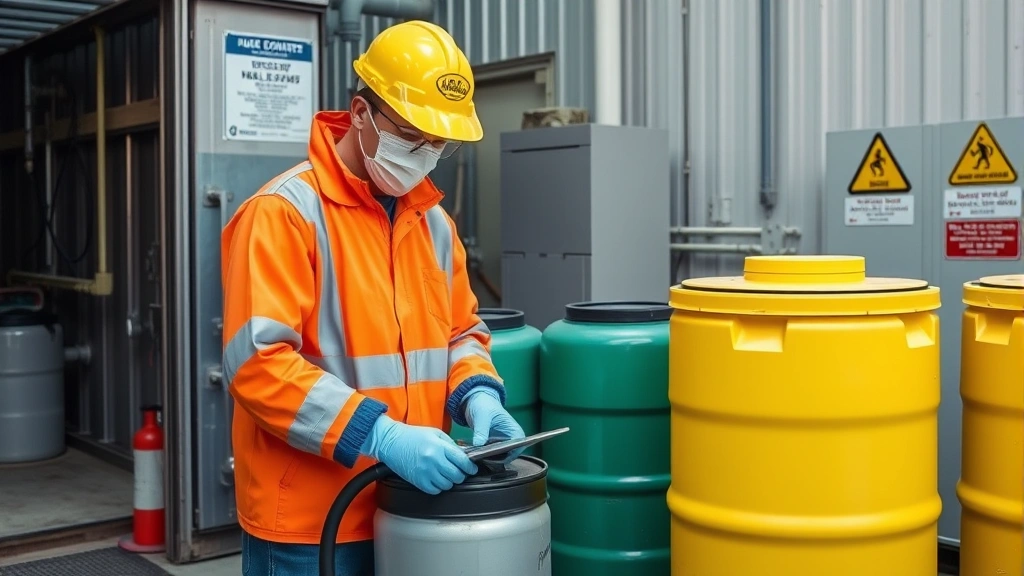
Certified hazardous waste disposal facilities are your most reliable option for safe, legal gasoline disposal. These facilities employ trained technicians who handle hazardous materials according to strict environmental and safety standards. They utilize specialized equipment to properly contain, transport, treat, and dispose of gasoline without environmental or health risks.
To locate certified facilities near you, start by visiting your state’s environmental quality or pollution control agency website. Many states maintain searchable databases of licensed disposal facilities with contact information and accepted materials lists. The EPA’s hazardous waste disposal resources provide state-by-state guidance and facility locators.
When contacting facilities, ask about:
- Accepted fuel types (unleaded, diesel, mixed fuels)
- Container requirements and size limitations
- Disposal fees (often free or minimal for residents)
- Hours of operation and appointment requirements
- Safety protocols for drop-off procedures
- Documentation provided for disposal records
Many facilities accept only small quantities from residential sources, so verify volume limits before transport. Professional disposal services may charge fees for pickup if you have large quantities or cannot transport fuel safely yourself.
Hazardous Waste Collection Events
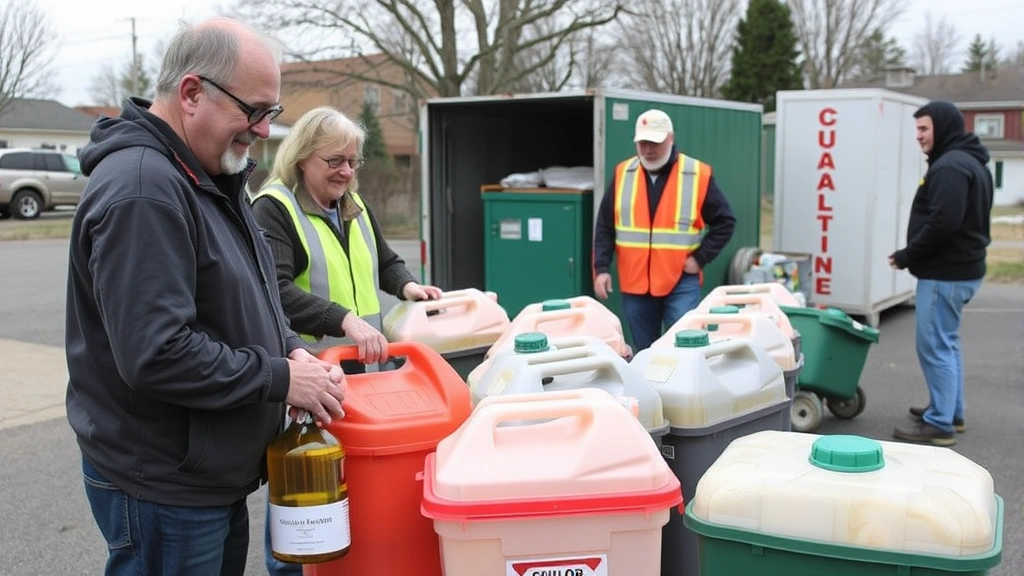
Many communities organize free hazardous waste collection events, typically held quarterly or semi-annually. These events provide convenient, cost-free disposal opportunities for residents. During collection events, trained professionals accept gasoline, oils, paints, batteries, and other hazardous household materials in a safe, controlled environment.
Collection events offer several advantages: no appointment needed, minimal paperwork, trained staff guidance, and zero disposal cost. Events are typically well-publicized through municipal websites, local news, and community bulletins. Some events operate on a first-come, first-served basis, while others limit quantities to ensure adequate resources for all participants.
To find upcoming collection events in your area:
- Visit your city or county environmental services website
- Contact your local solid waste management authority
- Call your county extension office for event schedules
- Check community bulletin boards and local newspapers
- Search for “hazardous waste collection events” plus your city name
Mark collection event dates on your calendar and prepare your old gasoline for transport well in advance. Events typically operate for specific hours on designated dates, so arrive early to avoid long waits. Bring your fuel in approved containers and follow all safety instructions provided by collection event staff.
Retail and Service Center Programs
Many auto parts retailers, service stations, and home improvement stores participate in gasoline disposal programs. These retailers recognize their responsibility in the product lifecycle and often accept small quantities of old fuel from customers at no charge. This approach makes disposal exceptionally convenient—you can combine disposal with shopping for other items.
Major retailers offering fuel disposal services include:
- AutoZone: Accepts used oil and fuel at most locations
- O’Reilly Auto Parts: Provides fuel disposal services at participating stores
- Advance Auto Parts: Offers hazardous waste disposal programs
- Home Depot: Accepts gasoline and other hazmat items at select locations
- Local service stations: Many independent stations accept fuel from customers
When visiting retail locations, call ahead to confirm they accept gasoline and ask about quantity limits, container requirements, and any fees. Bring fuel in approved containers (never in glass bottles or damaged containers). Staff will guide you through their specific procedures and may provide documentation of proper disposal.
Exploring where to dispose of old gas through retail channels offers convenience and accessibility. These programs reduce barriers to proper disposal, encouraging more households to handle hazardous waste responsibly.
Preparation and Safety Guidelines
Before transporting old gasoline to a disposal facility, follow these essential safety procedures to protect yourself, your vehicle, and others on the road:
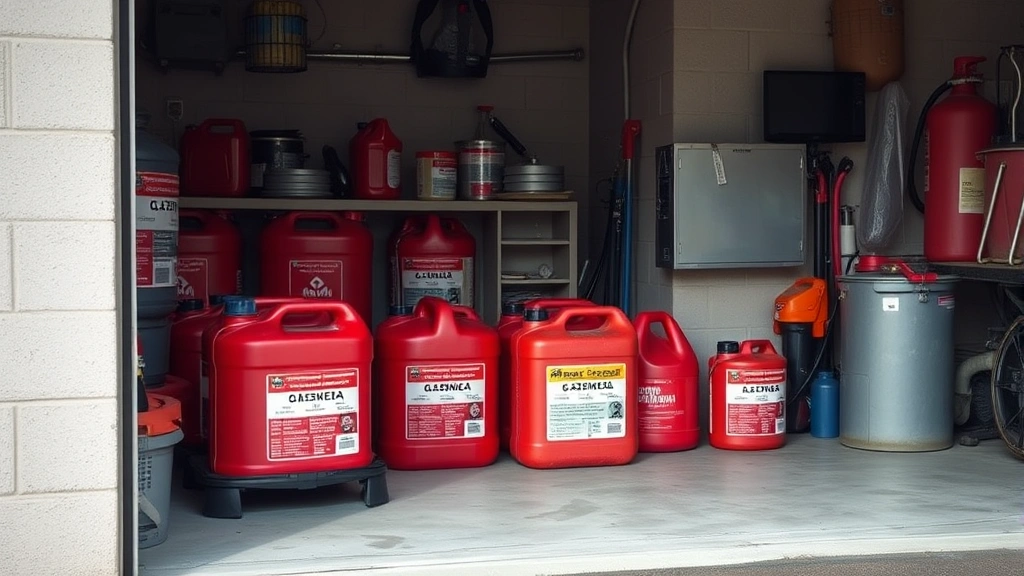
Container Selection: Use only approved hazardous material containers—typically red metal or plastic cans specifically designed for gasoline storage. These containers feature safety valves, tight-fitting caps, and flame arrestors. Never use glass bottles, food containers, or damaged vessels. Ensure containers are clearly labeled “GASOLINE” or “FLAMMABLE FUEL.”
Quantity Limits: Transport only what you can safely carry. Most vehicles should carry no more than 5-10 gallons in properly approved containers. Check your vehicle’s manual and local regulations for specific limits. Never fill your vehicle’s fuel tank while transporting additional gasoline.
Vehicle Preparation: Place containers in a secure, ventilated area of your vehicle—preferably in the trunk with windows open slightly for air circulation. Never place gasoline inside your passenger cabin where vapors can accumulate. Secure containers to prevent shifting during transit.
Transportation Safety: Drive directly to the disposal facility without unnecessary stops. Avoid extreme heat, as gasoline vapors expand in high temperatures. Drive carefully to prevent spills from sudden movements. Never smoke, use electronic devices, or create spark sources while transporting fuel.
Documentation: Keep receipts or certificates of disposal provided by facilities for your records. This documentation protects you legally and demonstrates environmental responsibility. Some jurisdictions may request proof of proper disposal during property sales or inspections.
For detailed guidance, consult the OSHA guidelines on hazardous material handling and your state’s environmental protection agency materials.
Prevention Strategies
The most effective approach to gasoline disposal challenges is prevention. By adopting smart fuel management practices, you’ll minimize hazardous waste accumulation and reduce disposal needs significantly.
Proper Storage Practices: Store gasoline only in small quantities needed for immediate use. Use approved containers kept in cool, well-ventilated areas away from living spaces, electrical equipment, and heat sources. Never store gasoline in basements, attics, or enclosed spaces. Keep containers tightly sealed to minimize vapor loss and contamination.
Fuel Stabilization: For equipment stored seasonally (lawnmowers, generators, boats), use fuel stabilizers to extend gasoline viability. Stabilizers prevent gum and varnish formation, allowing fuel to remain usable for 6-12 months instead of 3-6 months. This reduces the quantity of old fuel requiring disposal.
Rotation System: Implement a first-in, first-out rotation system for stored fuel. Label containers with purchase dates and use oldest fuel first. This practice prevents fuel from aging beyond usability while ensuring you’re not accumulating excessive reserves.
Equipment Maintenance: Regularly maintain small engines and equipment to ensure efficient fuel consumption. Clean fuel filters, properly tune engines, and address leaks promptly. Well-maintained equipment uses fuel more efficiently and reduces storage needs.
Transition to Sustainable Energy: Consider the long-term benefits of advantages of electric vehicles and renewable energy solutions. Electric lawn equipment, solar-powered generators, and battery-operated tools eliminate gasoline storage and disposal concerns entirely. Exploring sustainable energy solutions reduces your carbon footprint while simplifying hazardous waste management.
Community Education: Share disposal knowledge with neighbors and friends. Many people dispose of gasoline improperly simply because they don’t know better options exist. By spreading awareness about how to dispose of old gas, you encourage community-wide environmental responsibility.
FAQ
Can I pour old gasoline down the drain?
Absolutely not. Pouring gasoline down drains violates environmental regulations in virtually all jurisdictions and causes severe contamination. Gasoline pollutes water treatment systems, harms aquatic life, and can reach groundwater supplies. Always use certified disposal facilities or approved programs.
How long can gasoline be stored safely?
Untreated gasoline remains usable for approximately 3-6 months when stored in approved containers in cool conditions. Fuel stabilizers extend this to 6-12 months. After these periods, gasoline develops gum and varnish deposits that damage engines and require professional disposal.
Is old gasoline recyclable?
Old gasoline cannot be recycled in the traditional sense, but certified facilities can treat it through specialized processes. Some facilities blend degraded fuel with virgin gasoline for reprocessing, or use it as an energy source in controlled industrial settings. Professional treatment ensures safe handling.
What if I have a large quantity of old gasoline?
For large quantities (more than 5-10 gallons), contact professional hazardous waste disposal services rather than attempting DIY transport. These services provide pickup at your location and handle transportation safely. Costs are typically reasonable and offset by convenience and safety.
Can I burn old gasoline to dispose of it?
No, burning gasoline creates hazardous air pollution and violates environmental regulations. Open burning releases volatile organic compounds, particulate matter, and toxic emissions that harm air quality and public health. Always use certified disposal methods instead.
What should I do if I spill gasoline?
For small spills, contain the fuel with absorbent materials (kitty litter, sand, or commercial absorbents) and sweep into a disposal container. For large spills, evacuate the area, call emergency services, and let professionals handle cleanup. Never use water, as it spreads gasoline and increases fire risk.
Are there any free disposal options?
Yes, many communities offer free disposal through hazardous waste collection events or municipal programs. Many retailers also accept small quantities at no charge. Contact your local environmental agency to identify free options in your area.
Visit the Earth911 recycling search database for comprehensive facility locators and disposal options specific to your location.