
White Gas Fuel: Is It Eco-Friendly? Expert Insight
White gas fuel, also known as naphtha or benzine, has long been a staple for outdoor enthusiasts and campers seeking portable energy solutions. However, as environmental consciousness grows globally, many are questioning whether this traditional fuel source aligns with sustainable living practices. This comprehensive guide examines the ecological impact of white gas, its composition, environmental footprint, and viable alternatives for eco-conscious consumers.
Understanding the sustainability profile of white gas requires looking beyond its convenience factor. We’ll explore what makes this fuel problematic from an environmental perspective, how it compares to other fuel options, and what steps you can take to minimize your ecological impact when outdoor activities demand portable fuel sources.
What Is White Gas Fuel?
White gas is a refined petroleum product composed primarily of aliphatic hydrocarbons with boiling points between 40-200°C. Unlike regular gasoline, white gas contains no additives, dyes, or detergents, making it a pure hydrocarbon mixture ideal for pressurized camping stoves and lanterns. The fuel burns cleanly in specialized equipment, which is why outdoor enthusiasts have relied on it for decades.
The production process involves distilling crude oil to isolate specific hydrocarbon fractions. This refinement creates a product that performs reliably in extreme conditions, from high-altitude mountaineering to arctic expeditions. However, this same refinement process requires significant energy input and generates various byproducts, raising important sustainability questions about its overall lifecycle.
Common brands include Coleman fuel and other specialty camping fuel products. These are sold in metal cans specifically designed to prevent evaporation and leakage. Understanding the product’s composition helps clarify why environmental concerns exist and why consumers should consider sustainable energy solutions for their recreational needs.
Environmental Impact Analysis
The ecological consequences of white gas production and consumption span multiple environmental domains. From extraction through combustion, this fuel leaves a measurable environmental footprint that contradicts sustainable living principles.
Extraction and Refining Impact: White gas originates from crude oil extraction, a process that disrupts ecosystems, generates substantial waste, and consumes enormous quantities of water. Refineries that process crude oil into white gas emit volatile organic compounds (VOCs), nitrogen oxides, and sulfur dioxide into the atmosphere. According to the EPA’s air quality guidelines, these emissions contribute significantly to ground-level ozone formation and respiratory health issues.
Transportation Emissions: Moving white gas from refineries to distribution centers and retail locations requires energy-intensive transportation networks. Each supply chain step generates greenhouse gas emissions, particularly when products are shipped via truck or rail across long distances.
Combustion Byproducts: While white gas burns cleaner than regular gasoline in pressurized stoves, it still releases carbon dioxide and water vapor. For every liter burned, approximately 2.3 kilograms of CO2 enters the atmosphere. This direct emission contribution makes white gas fundamentally incompatible with climate action goals.
Spill and Leakage Risks: Despite careful storage in metal containers, white gas can leak or spill, contaminating soil and groundwater. These hydrocarbon pollutants persist in ecosystems for years, harming aquatic life and vegetation. Improper disposal of old or degraded white gas creates additional environmental hazards, making proper disposal of old gas critically important.
” alt=”Pristine mountain lake surrounded by evergreen forest and rocky peaks under clear blue sky”>
Carbon Footprint Considerations
Quantifying the complete carbon footprint of white gas reveals its substantial climate impact. The lifecycle assessment must include extraction, refining, transportation, storage, and combustion phases.
Well-to-Wheel Analysis: From crude oil extraction through fuel combustion in your camping stove, white gas generates approximately 3.2 kilograms of CO2 equivalent per liter when accounting for all production stages. This includes the energy required for drilling, refining, transportation, and distribution.
Upstream Emissions: Extracting and refining crude oil consumes energy primarily from fossil fuel sources. Refineries are among the most energy-intensive industrial facilities globally. A single gallon of white gas requires about 6 kilowatt-hours of energy to produce, generating roughly 2.4 kilograms of CO2 before the fuel even reaches your hands.
Long-Term Storage Concerns: Understanding how long gas lasts in a can helps minimize waste. White gas stored improperly or kept beyond its useful life may need disposal, wasting all embodied energy and emissions from its production. Proper storage extends shelf life but doesn’t eliminate the fundamental carbon issue.
For context, this carbon footprint roughly equals driving a gasoline-powered car 8-10 kilometers. For outdoor enthusiasts, this means a single camping trip using white gas generates measurable climate impact that could be reduced through alternative approaches.
Comparison with Alternative Fuels
Evaluating white gas against other portable fuel options reveals a clear sustainability hierarchy. Not all alternatives are equally eco-friendly, but several significantly outperform traditional white gas.
Propane and Butane: Liquefied petroleum gas (LPG) fuels like propane burn cleaner than white gas with fewer toxic emissions. However, they still originate from fossil fuel extraction and generate substantial CO2 during combustion. A propane cartridge produces slightly fewer emissions per unit of heat than white gas, making it marginally better but not truly sustainable.
Alcohol-Based Fuels: Denatured ethanol or methanol fuels offer lower carbon intensity, particularly when sourced from renewable biomass. These fuels produce less soot and fewer aromatic hydrocarbons compared to white gas. Some camping stove manufacturers now produce alcohol-compatible equipment, though availability remains limited.
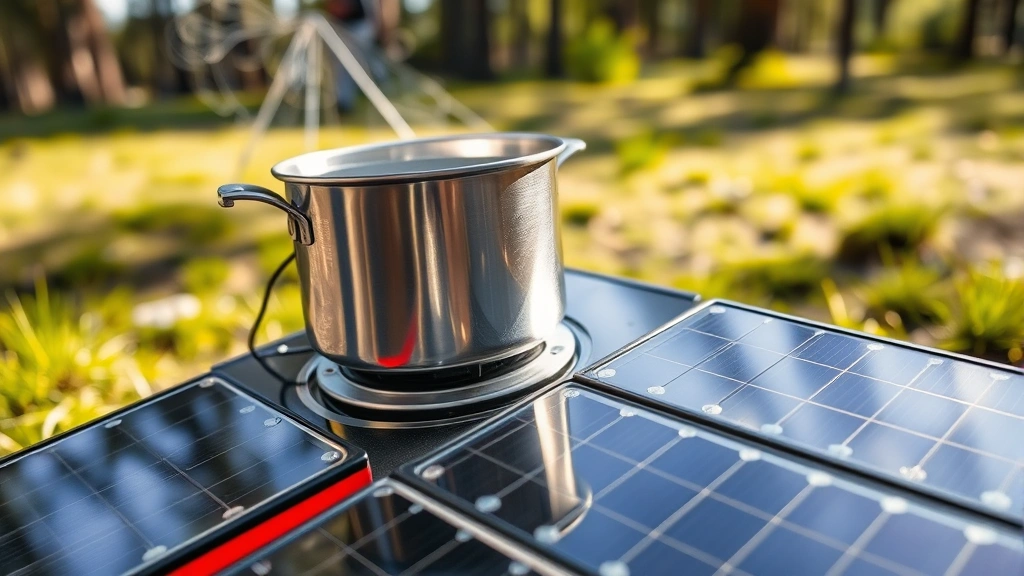
Solar-Powered Alternatives: Portable solar stoves and battery-powered cooking systems represent genuine sustainability advances. While requiring initial investment and weather-dependent performance, solar solutions eliminate fuel combustion entirely and produce zero emissions during use.
Renewable Electricity: Battery-powered camping equipment and electric heating systems powered by renewable energy sources offer the lowest carbon footprint option. Advantages of electric vehicles extend beyond transportation—similar principles apply to portable camping equipment.

” alt=”Solar panels installed on tent canopy with camping gear and natural landscape in background”>
Health and Safety Concerns
Beyond environmental impact, white gas presents direct health risks that compound its sustainability problems. These concerns make it problematic from both individual and public health perspectives.
Combustion Hazards: White gas releases harmful volatile organic compounds during combustion, including benzene and toluene. Indoor or poorly ventilated use of white gas stoves can accumulate these toxic compounds to dangerous levels, causing headaches, dizziness, and respiratory irritation.
Skin and Respiratory Exposure: Handling white gas without proper protection causes skin irritation and chemical burns. Inhalation of vapors damages respiratory tissues and can trigger asthma attacks or other breathing difficulties. This is particularly concerning for children and individuals with pre-existing respiratory conditions.
Accidental Ingestion Risk: White gas is sometimes mistaken for other liquids, leading to poisoning incidents. Its appearance and lack of distinctive odor (in some formulations) increase accidental exposure risks, especially in camping situations where safety protocols may be relaxed.
Environmental Persistence: Spilled white gas doesn’t biodegrade quickly. The hydrocarbons persist in soil and water, continuing to pose health risks to wildlife and potentially contaminating drinking water sources. This long-term environmental health impact extends consequences far beyond the initial spill.
Sustainable Alternatives
Transitioning away from white gas requires understanding viable alternatives that maintain outdoor functionality while reducing environmental harm. Multiple options exist for different camping and outdoor scenarios.
Integrated Solar Cooking Systems: Modern solar cookers and thermal cookers harness renewable energy without fuel consumption. Parabolic solar stoves can reach boiling temperatures in minutes under sunny conditions. While weather-dependent, they work effectively during most camping seasons and require no consumable fuel or emissions.
Biomass Stoves: Portable wood-burning stoves use renewable biomass fuel (twigs, branches, dried vegetation) available in most camping locations. While not completely emissions-free, biomass stoves produce carbon-neutral combustion when using sustainably harvested wood. Modern designs maximize efficiency and minimize smoke production.
Rechargeable Battery Systems: Electric camping stoves powered by portable solar chargers or renewable grid electricity eliminate direct emissions. Battery technology improvements have made these systems lighter and more efficient than previous generations. USB-powered heating systems offer convenient alternatives for boiling water or light cooking.
Liquid Biofuels: Plant-derived ethanol and other biofuels offer lower carbon intensity than petroleum products. Some camping stove manufacturers now produce equipment compatible with denatured ethanol from renewable sources. While not perfect, biofuels represent significant improvement over fossil fuels.
Thermally Efficient Cookware: Investing in high-quality insulated pots, pressure cookers, and thermal cookers reduces fuel consumption regardless of fuel type. These tools maximize heat retention and cooking efficiency, meaning less fuel is needed for the same result. This approach works with any fuel source and immediately reduces environmental impact.
Implementing strategies to reduce your environmental footprint in outdoor recreation doesn’t require abandoning camping and hiking—it requires rethinking fuel choices and cooking methods.
Best Practices for Responsible Use
If you currently use white gas and cannot immediately transition to alternatives, several practices minimize environmental impact and reduce waste.
Minimize Consumption: Use white gas only when necessary. Plan meals requiring minimal cooking, use thermos containers to maintain food temperature, and combine cooking tasks to reduce total fuel burned. Every liter not consumed eliminates 2.3 kilograms of CO2 emissions.
Proper Storage: Store white gas in original metal containers in cool, dark locations away from heat sources. Proper storage prevents evaporation losses and extends shelf life, reducing waste. Never transfer to plastic containers or improvised vessels, which increase leakage risk.
Fuel Efficiency Equipment: Use pressurized stoves specifically designed for white gas, as they achieve maximum combustion efficiency. Inefficient stove designs waste fuel and generate excess emissions. Maintain equipment regularly to ensure optimal performance.
Safe Disposal: Never pour white gas down drains, into soil, or in landfills. Contact local hazardous waste facilities for proper disposal. Many recycling centers and environmental organizations accept unused white gas for safe processing. Responsible disposal of old gas prevents groundwater contamination and ecosystem damage.
Gradual Transition Planning: Begin replacing white gas stoves with alternative fuel systems. Start with one trip using solar or battery-powered equipment to test feasibility. Gradually expand alternative fuel use as you gain experience and confidence with new systems.
Community Education: Share information about white gas environmental impact with fellow outdoor enthusiasts. Collective adoption of sustainable alternatives amplifies environmental benefits and creates market demand for better products.
For additional guidance on sustainable living choices, explore our sustainability blog covering diverse environmental topics and practical eco-friendly solutions.
FAQ
Is white gas completely non-renewable?
Yes, white gas is a refined petroleum product derived from crude oil, a non-renewable fossil fuel. While small quantities might theoretically come from algae or other biological sources in specialized facilities, commercial white gas is entirely petroleum-based. This fundamental characteristic makes it inherently unsustainable from a resource perspective.
Can white gas be recycled or reused?
White gas itself cannot be recycled, but proper storage and careful use minimize waste. Sealed metal containers preserve fuel quality for extended periods. Once combusted, the fuel is gone. However, the metal containers can be recycled through standard aluminum or steel recycling programs.
How does white gas compare to regular unleaded gasoline?
White gas burns cleaner in pressurized stoves due to its lack of additives, producing fewer emissions than regular gasoline. However, both are fossil fuels generating similar CO2 levels per unit volume. The combustion efficiency of specialized white gas stoves slightly improves environmental performance compared to gasoline, but the advantage is marginal.
Are there any eco-certifications for white gas products?
No major environmental certification programs specifically certify white gas as eco-friendly because it cannot meet sustainability standards. Organizations like the EPA and environmental groups universally recommend transitioning away from fossil fuel consumption rather than certifying it as sustainable.
What is the best portable fuel alternative for camping?
The optimal choice depends on your specific camping style, climate, and cooking needs. Solar stoves excel in sunny conditions, biomass stoves work well with available natural fuel, and battery-powered systems offer convenience and zero emissions. Combining multiple approaches—solar for main cooking and battery backup for emergencies—provides flexibility and minimizes environmental impact.
How long can unopened white gas be stored?
Properly stored unopened white gas remains usable for 5-7 years, though quality may gradually decline. Store in original metal containers in cool locations away from sunlight and heat sources. Extended storage beyond this period risks fuel degradation and potential safety issues.
What organizations recommend alternatives to white gas?
Environmental protection agencies, outdoor recreation organizations, and climate action groups increasingly recommend transitioning to renewable fuel sources. The Natural Resources Defense Council and similar organizations provide resources for sustainable outdoor recreation practices.


