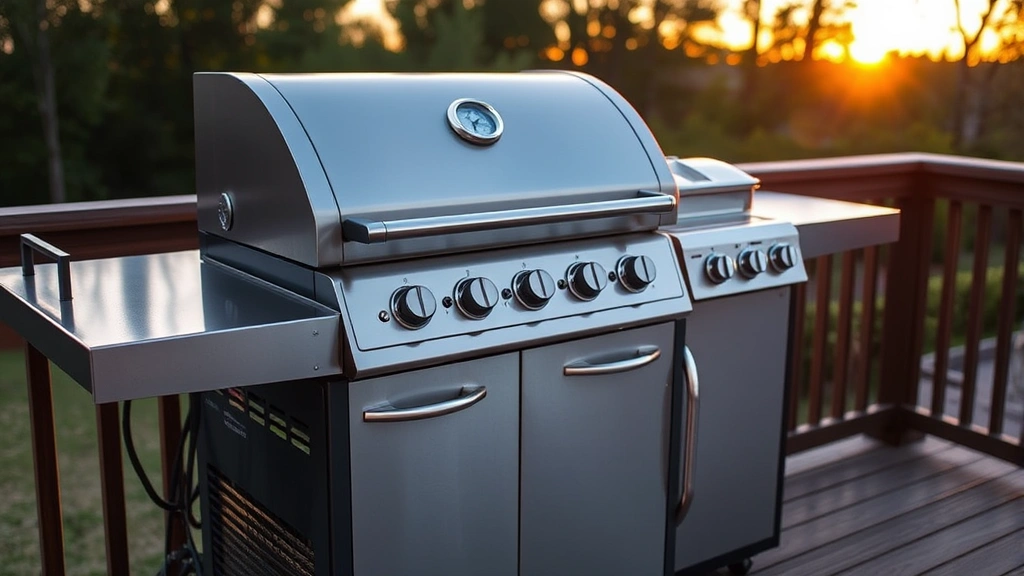
Top Gas Grill Smokers: 2023 Reviews Inside
Finding the best gas grill smoker combo requires understanding how these hybrid cooking appliances balance efficiency, sustainability, and culinary performance. As outdoor cooking enthusiasts increasingly seek ways to reduce their environmental impact, gas grill smokers offer a compelling middle ground between traditional charcoal smoking and modern convenience. This comprehensive guide explores the leading models of 2023, examining their features, performance metrics, and eco-conscious design elements.
Whether you’re a seasoned pitmaster or a backyard cooking novice, selecting the right gas grill smoker involves evaluating fuel efficiency, temperature control, cooking surface area, and construction quality. The intersection of performance and environmental responsibility has never been more important, especially as consumers become increasingly aware of their personal environmental footprint. Modern gas grill smokers have evolved to meet these demands, offering innovations that reduce fuel consumption while maintaining superior cooking results.
What Defines a Gas Grill Smoker Combo?
A gas grill smoker combo represents a hybrid cooking system that integrates traditional grilling capabilities with smoking functionality, powered primarily by propane or natural gas. Unlike dedicated charcoal smokers, these units leverage gas burners to maintain consistent temperatures while incorporating smoke chambers or offset fireboxes that allow for authentic wood-smoke flavor. Understanding this category helps clarify why it appeals to environmentally conscious consumers seeking to minimize emissions while enjoying versatile outdoor cooking.
The fundamental advantage of gas grill smoker combos lies in their precision temperature control and reduced fuel waste. Traditional smoking methods often require constant monitoring and frequent fuel additions, whereas gas-powered systems maintain steady heat with minimal adjustment. This efficiency translates directly to lower fuel consumption, reduced carbon emissions, and cost savings over time. The technology represents an important step forward in sustainable outdoor cooking practices, aligning with broader efforts to optimize energy consumption in residential settings.
These combo units typically feature dual zones: a primary grilling section with direct heat and a secondary smoking chamber that operates at lower temperatures. Premium models include adjustable vents, dampers, and thermostatic controls that enable precise temperature management across different cooking zones. The integration of these systems requires sophisticated engineering to prevent heat loss while maintaining adequate airflow for optimal smoke circulation and combustion efficiency.

Top Gas Grill Smoker Models of 2023
Traeger Timberline 1300: This premium option represents a significant advancement in hybrid cooking technology, featuring WiFi connectivity and advanced temperature management systems. The Timberline 1300 combines pellet smoking with gas grilling capabilities, achieving exceptional fuel efficiency through its integrated sensor technology. Users report consistent temperature maintenance within 5-degree variations, minimizing fuel waste and ensuring predictable cooking outcomes. The construction emphasizes durability with stainless steel components and insulated chambers that reduce heat loss.
Weber SmokeFire EX4: Weber’s entry into the premium segment offers sophisticated temperature control paired with impressive cooking surface area. The SmokeFire EX4 delivers reliable performance across diverse cooking applications, from high-heat searing to low-temperature smoking. Its dual-zone system allows simultaneous cooking at different temperatures, maximizing cooking versatility and reducing overall cooking time. The unit’s construction prioritizes thermal efficiency, with robust insulation preventing unnecessary heat dissipation.
Broil King Regal S590 Pro: This Canadian-engineered system emphasizes practical performance and durability. The Regal S590 Pro features stainless steel construction throughout, providing longevity and minimal maintenance requirements. Its side-mounted smoker box integrates seamlessly with the main grilling surface, offering flexibility for traditional smoking techniques. The unit’s efficient burner design optimizes fuel consumption while maintaining powerful heat output.
Char-Griller Duo 5050: Offering exceptional value without sacrificing functionality, the Duo 5050 appeals to budget-conscious consumers seeking legitimate smoking capabilities. The offset firebox design provides authentic smoking while the primary grill surface handles direct-heat cooking. Its heavy-gauge steel construction ensures durability, and the separate temperature controls for each zone enable simultaneous cooking applications.
Green Mountain Grills Daniel Boone Prime Plus: This pellet-hybrid system demonstrates how modern innovations transform outdoor cooking through intelligent fuel management. The Daniel Boone Prime Plus automatically adjusts pellet feed rates based on target temperatures, eliminating fuel waste and maximizing efficiency. Its WiFi-enabled system allows remote monitoring and control, enabling optimal cooking management.
Key Features to Compare
Cooking Surface Area: Adequate cooking space determines whether the unit accommodates your typical meal preparation requirements. Premium models offer 500-600+ square inches of primary cooking surface, with additional warming racks providing supplementary capacity. Calculate your household’s typical cooking volume to determine appropriate sizing, as oversized units waste fuel while undersized options limit functionality.
Temperature Range and Control: Superior units maintain temperatures from 180°F (ideal for low-and-slow smoking) to 600°F+ (enabling high-heat searing). Electronic thermostatic controls automatically adjust fuel flow to maintain target temperatures, significantly reducing fuel consumption compared to manual adjustment systems. Look for units offering 10-degree temperature increments for precise control.
Insulation Quality: Double-walled construction with high-temperature insulation reduces heat loss, enabling fuel-efficient operation in variable weather conditions. Premium insulation materials maintain cooking temperatures with minimal burner adjustment, directly translating to reduced propane or natural gas consumption. This feature becomes particularly important in cooler climates or during extended cooking sessions.
Construction Materials: Stainless steel components resist corrosion and require minimal maintenance, extending the unit’s operational lifespan. Powder-coated steel bodies provide cost-effective protection, though they require more regular maintenance. Premium units combine stainless steel cooking grates with ceramic or cast-iron heat distributors, optimizing heat distribution and minimizing hot spots.
Smoke Chamber Design: Offset fireboxes provide authentic smoke flavor through traditional smoking methods, while integrated smoke boxes offer convenience with slightly less traditional smoke character. Vertical smoker chambers maximize smoke exposure time, enhancing flavor development. Consider whether you prefer authentic smoking methods or convenience-focused designs.
Fuel Efficiency and Environmental Impact
Gas grill smokers represent a significant environmental improvement over traditional charcoal or wood-burning systems. A single charcoal smoking session can consume 10-15 pounds of charcoal, while equivalent gas smoking requires only 1-2 pounds of propane. This dramatic efficiency differential translates to substantial carbon emission reductions, particularly for households conducting regular outdoor cooking.
Modern gas grill smokers incorporate several efficiency-enhancing technologies. Thermostatic controls automatically adjust burner output to maintain target temperatures, preventing fuel waste from excessive heat generation. Insulated construction minimizes heat loss, reducing the energy required to maintain cooking temperatures. Dual-zone systems enable simultaneous cooking at different temperatures, maximizing utility from each cooking session and reducing overall fuel consumption.
The environmental advantages extend beyond direct fuel consumption. Gas combustion produces significantly fewer particulate emissions compared to charcoal burning, improving local air quality. Natural gas infrastructure in many regions enables direct pipeline connections, eliminating propane delivery transportation emissions. For consumers committed to understanding sustainability fundamentals, gas grill smokers represent a practical application of efficiency principles in everyday life.
According to research from the U.S. Environmental Protection Agency, residential outdoor cooking contributes approximately 0.2% of total household emissions. Switching from charcoal to gas reduces this impact by approximately 75%, demonstrating meaningful environmental benefits from equipment selection. Carbon Trust research indicates that fuel-efficient cooking equipment represents one of the highest-impact consumer choices in outdoor living categories.
Propane itself, while a fossil fuel, offers significant advantages over charcoal in terms of combustion efficiency and emission profiles. Modern propane production increasingly incorporates renewable energy sources, and propane recycling programs enable responsible end-of-life management for empty cylinders. Natural gas, where available, provides an even lower-carbon alternative, with some utility companies offering renewable natural gas options derived from organic waste decomposition.
Installation and Maintenance Considerations
Proper installation significantly impacts gas grill smoker performance and safety. Most units require assembly involving frame construction, burner installation, and thermometer calibration. Professional installation services, typically costing $200-500, ensure proper gas line connections and safety compliance. DIY installation is feasible for mechanically inclined individuals, though manufacturer instructions must be followed precisely.
Location selection influences both cooking results and operational efficiency. Position units on level surfaces away from overhanging vegetation, as falling leaves can ignite on hot cooking surfaces. Adequate clearance from structures (typically 10+ feet) ensures proper ventilation and reduces fire risk. Shade from afternoon sun can reduce fuel consumption during hot weather, though some direct sun exposure aids temperature maintenance during cooler seasons.
Maintenance requirements vary by model but generally include seasonal cleaning, burner inspection, and seal replacement. Stainless steel components require occasional polishing to prevent water spotting, while painted surfaces benefit from touch-up treatment to prevent rust development. Annual propane system inspection ensures proper pressure regulation and prevents leaks. Regular grate cleaning maintains cooking surface quality and prevents grease accumulation that can create fire hazards.
Storage during off-season months extends equipment lifespan and maintains functionality. Cover units with weather-resistant tarps to prevent moisture accumulation and UV damage. Drain propane cylinders completely before storage, as residual fuel can degrade regulator components. Clean internal surfaces to remove grease and debris that can attract pests during extended storage periods.
Price Points and Value Analysis
Gas grill smoker combo pricing ranges dramatically based on features, construction quality, and brand reputation. Budget models ($400-800) offer basic functionality with manual temperature controls and modest cooking surfaces. Mid-range options ($1,200-2,500) incorporate improved insulation, electronic controls, and premium construction materials. High-end models ($3,000-6,000+) feature sophisticated temperature management, WiFi connectivity, and exceptional durability.
Value assessment requires calculating total cost of ownership, including initial purchase price, installation expenses, and long-term operational costs. A fuel-efficient premium model may cost 50-100% more initially but reduces propane consumption by 20-30%, offsetting higher purchase costs through lower operational expenses over 5-10 years. Our comprehensive sustainability blog regularly analyzes long-term value propositions for eco-conscious appliance investments.
Warranty coverage varies significantly among manufacturers, with premium brands typically offering 5-10 year coverage versus 2-3 years for budget options. Extended warranties ($100-300) provide insurance against unexpected repairs, protecting long-term value. Consider warranty scope carefully, as some coverage excludes burner components or weather-related damage.
Financing options increasingly enable purchase of premium models through monthly payments, making high-efficiency equipment more accessible. Many retailers offer 0% interest financing for 12-24 months, effectively reducing the premium for fuel-efficient models. Calculate whether monthly financing payments are offset by reduced operational costs.
Seasonal sales provide significant purchasing opportunities, with discounts of 20-40% common during end-of-season clearance events. Spring purchases often command full pricing, while late summer and fall sales offer substantial savings. Timing purchase decisions around seasonal sales can effectively reduce premium model costs to mid-range pricing.
Smoke Wood Selection and Flavor Profiles
Wood selection profoundly influences smoke flavor characteristics and burning efficiency. Hardwoods like hickory, oak, and mesquite burn cleaner than softwoods, producing superior flavor with minimal creosote buildup. Fruit woods including apple, cherry, and pecan impart subtle sweetness, complementing diverse proteins. Avoid treated lumber, plywood, or painted wood, as chemical additives create toxic smoke and damage equipment.
Seasoned wood (dried 6-12 months) burns more efficiently than green wood, consuming less fuel while producing better flavor. Moisture content below 20% enables complete combustion, maximizing energy efficiency. Purchase wood from specialty barbecue suppliers or season wood personally to ensure quality. Store firewood in dry conditions to prevent moisture reabsorption.
Different meats pair optimally with specific wood types: beef tolerates strong hickory or mesquite, poultry benefits from subtle fruitwoods, and pork works well with cherry or apple combinations. Experiment with wood blends to develop personal preferences, starting with mild combinations and progressing toward stronger profiles. Document successful combinations for future reference.
Smoke generation efficiency varies among gas grill smoker designs. Offset fireboxes produce continuous smoke through active wood burning, while smoke boxes operate intermittently using smaller wood quantities. Calculate wood consumption rates for your preferred cooking methods, as this influences operational costs and environmental impact. Premium models with optimized smoke chambers maximize flavor development while minimizing wood consumption.
Seasonal Considerations and Climate Adaptation
Geographic location and seasonal climate patterns influence gas grill smoker selection and operational strategies. Cold climates require enhanced insulation to maintain cooking temperatures in winter conditions, increasing fuel consumption. Conversely, hot climates benefit from reflective finishes and strategic shade placement to reduce fuel requirements.
Winter cooking presents unique challenges, as temperature differentials between ambient air and cooking chamber increase fuel consumption. Windbreaks constructed from simple barriers reduce heat loss, improving efficiency without compromising safety. Consider units with superior insulation ratings if winter cooking is a priority, as this investment pays dividends through reduced fuel waste.
Humidity and moisture exposure accelerate corrosion in metal components, particularly in coastal regions with salt air exposure. Stainless steel construction becomes essential in high-moisture environments, as standard steel rusts rapidly. Additional protective measures including storage covers and regular maintenance prevent premature equipment degradation.
Seasonal storage requirements depend on climate conditions. Mild climates allow year-round outdoor storage with protective covers, while harsh winters benefit from garage storage or dedicated outdoor structures. Drain propane cylinders completely before extended storage, and clean all surfaces to prevent rust and pest issues.
FAQ
What’s the difference between a gas grill smoker and a traditional offset smoker?
Gas grill smokers utilize propane or natural gas for heat generation, offering precise temperature control and reduced fuel consumption compared to traditional charcoal or wood-burning offset smokers. Traditional offset smokers provide more authentic smoke flavor but require constant monitoring and consume substantially more fuel. Gas systems excel in consistency and efficiency, making them ideal for regular cooking schedules.
How much propane does a typical gas grill smoker consume?
Consumption varies based on temperature, duration, and insulation quality, but most units consume 1-3 pounds of propane per cooking session. A standard 20-pound cylinder provides 6-20 cooking sessions depending on usage patterns. Fuel-efficient models with superior insulation and thermostatic controls consume approximately 30% less propane than basic units, translating to significant long-term savings.
Can I use a gas grill smoker in winter?
Yes, gas grill smokers operate effectively in winter, though fuel consumption increases due to ambient temperature differentials. Superior insulation becomes important for winter cooking, and windbreaks further improve efficiency. Many enthusiasts cook year-round with proper equipment and strategies, enjoying seasonal flavor combinations.
What maintenance schedule should I follow?
Monthly cleaning of cooking grates and firebox prevents grease accumulation and maintains functionality. Annually inspect burners, seals, and gas connections for deterioration. Seasonal deep cleaning before and after peak cooking periods extends equipment lifespan. Store units with protective covers during extended non-use periods.
Are gas grill smokers better than charcoal for the environment?
Yes, gas grill smokers reduce environmental impact by approximately 75% compared to charcoal smoking, consuming significantly less fuel while producing fewer emissions. Natural gas options provide even lower carbon footprints where available. For environmentally conscious consumers, gas grill smokers represent a practical step toward reducing personal carbon emissions in daily life.
What’s the typical lifespan of a quality gas grill smoker?
Well-maintained stainless steel units typically last 10-15 years, while painted steel models require more frequent maintenance and average 7-10 years. Proper storage, regular cleaning, and prompt component replacement extend operational lifespan significantly. Premium brands with superior construction materials and engineering often exceed 15 years with appropriate care.
How do I choose between propane and natural gas models?
Propane offers portability and installation flexibility, requiring only cylinder connections. Natural gas requires permanent line installation but eliminates cylinder management and often provides lower per-unit fuel costs. Choose propane for flexibility or natural gas if permanent installation is feasible and utility connections are available. Natural gas represents a lower-carbon option where renewable natural gas programs operate.
What size gas grill smoker do I need?
Calculate based on typical cooking volume: single families require 300-400 square inches, while larger households benefit from 500-600+ square inches. Consider entertaining frequency and typical guest counts. Oversized units waste fuel while undersized options limit functionality. Premium models offer modular designs enabling future expansion.


