Table of Contents
Introduction
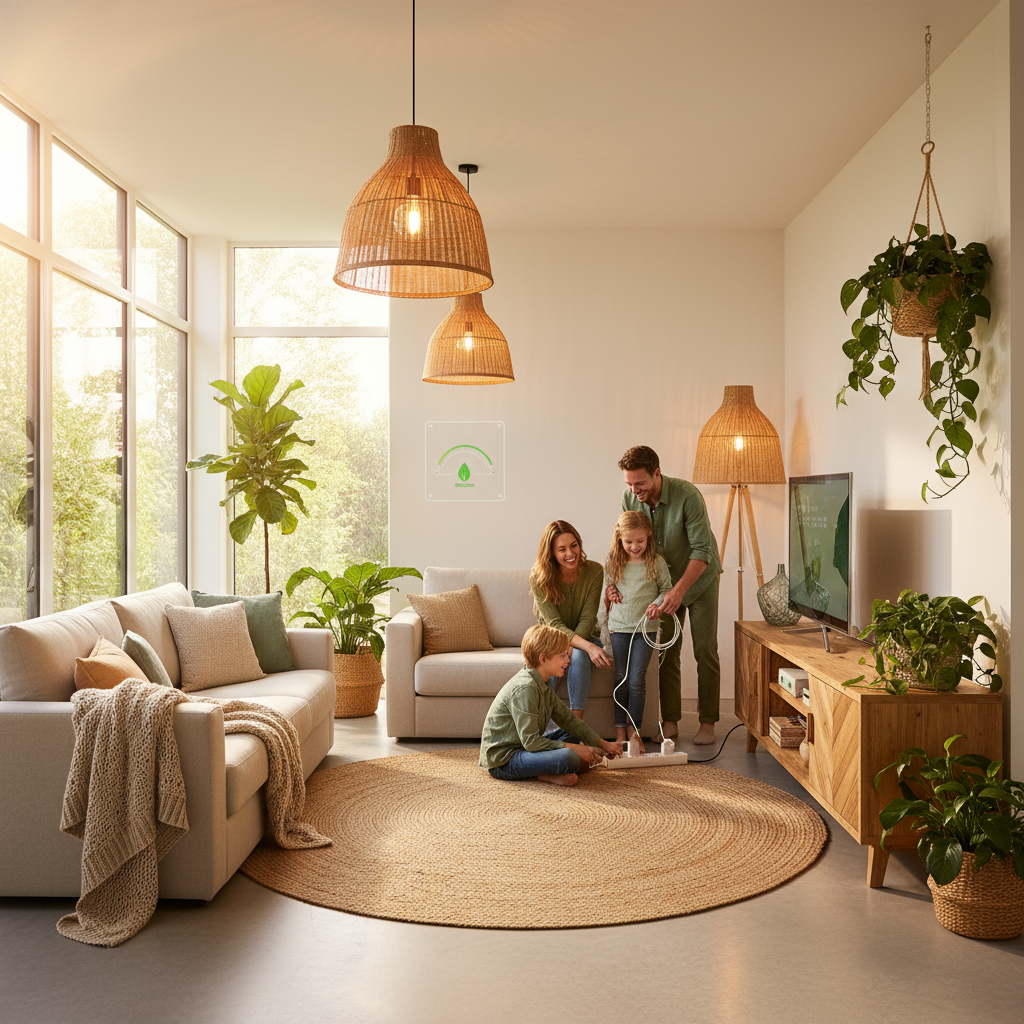
Picture this: you open your electricity bill and actually smile instead of cringing. Sounds too good to be true? It’s not. Small tweaks around your home can slash your monthly expenses while doing something genuinely good for the planet. And the best part? You don’t need to live in a mansion or spend a fortune to make it happen.
Here’s something that might surprise you—residential homes gobble up a huge chunk of global energy, pumping out carbon emissions left and right. But here’s the good news: simple changes in how we flip switches and run appliances can flip this script entirely. Take a look at these ways to save energy at home and you’ll discover practical tips on efficient appliances, smart home tech, and insulation tricks that actually work. We’re talking about saving hundreds of dollars every year (yes, really).
When you embrace green living at home, you’re doing more than just cutting costs. You’re taking a stand for sustainability. Every kilowatt you don’t use means fewer greenhouse gases floating around, plus your home stays more comfortable year-round. Consider upgrading to renewable energy for homes or investing in energy-efficient improvements—your carbon footprint will thank you. And let’s be honest, who doesn’t love watching their utility bills shrink?
Want to go even bigger with your environmental impact? Pair your energy savings with strategies like reducing water pollution as part of your overall green goals. When you combine these approaches, your home becomes a sustainability powerhouse that sets an example for everyone around you.
What You’ll Learn in This Guide
We’re going to walk through practical, no-nonsense energy-saving tips that work in any home—whether you’re renting a studio or own a four-bedroom house. From tiny daily habits to smart upgrade decisions, we’ve got you covered.
- Lighting Improvements: Why LED bulbs are game-changers, how to make the most of natural light, and the simple habit of flipping switches that can cut your electricity use.
- Heating and Cooling Efficiency: Smart thermostat tricks, draft-sealing secrets, and HVAC maintenance tips that keep you comfortable while saving serious money.
- Appliance and Electronics Management: The real story behind phantom energy drains, how to pick appliances that actually save you cash, and why running full loads matters more than you think.
- Monitoring and Auditing: How smart meters can become your new best friend and when it’s worth calling in the pros for an energy audit that pays for itself.
Every tip in this guide comes with real-world advice you can start using today. These aren’t just feel-good suggestions—they’re proven strategies that deliver results you can see in your next utility bill.
Coming up, we’ll break down each area step by step, showing you exactly what to do and which tech options are worth your time and money. You’ll also learn how to track your progress with modern tools and figure out when professional help makes sense. (Trust me, many homeowners wish they’d known this stuff sooner—it could have saved them from expensive mistakes.)
If you’re ready to dive deeper into sustainable living, we’ll also point you toward great resources on sustainable agriculture techniques and reducing your environmental footprint. Because when you’re making positive changes, why stop at just energy savings?
Ready to turn your home into an energy-saving machine? With the right approach, you’ll enjoy lower bills, better comfort, and that satisfying feeling of doing right by the environment. Let’s get started—your wallet (and the planet) will thank you.
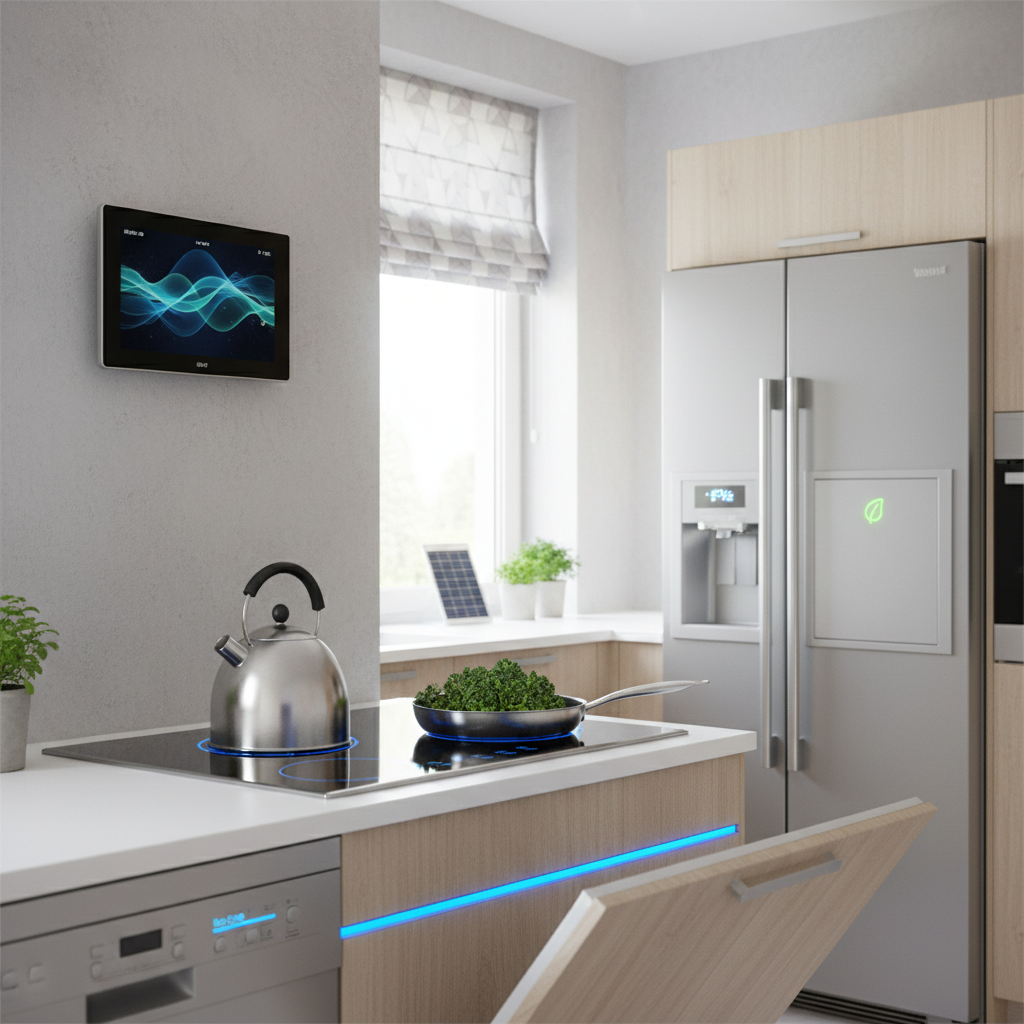
So we’ve talked about why saving energy at home matters—but let’s get real about what this actually means for you. Sure, cutting your utility bills is nice (who doesn’t want extra cash in their pocket?). But there’s so much more happening here. When you save energy, you’re not just helping your wallet—you’re making your home more comfortable and doing something genuinely good for the planet. Think about it: better insulation means no more shivering by drafty windows in winter. Efficient systems mean your house actually stays the temperature you want it to. And here’s the thing—when you understand these benefits, you’ll actually want to make these changes. In the next sections, we’re going to walk through specific tips for every room in your house, plus show you how to track your progress. Ready to create a home that’s both greener and easier on your budget?
Benefits of Saving Energy at Home
Here’s what happens when you start taking energy saving seriously—and trust me, the benefits go way beyond just saving a few bucks each month. Yes, lower energy bills give you immediate breathing room in your budget (hello, money for the things you actually want to spend on). But environmentally? You’re directly cutting greenhouse gas emissions, which is one of the biggest ways we can tackle climate change as individuals. And comfort-wise? This might surprise you, but efficient heating, cooling, and lighting systems actually make your home feel better. No more hot spots, cold drafts, or that weird stuffiness that happens with older systems. Plus, many energy-efficient upgrades bump up your property value and can score you rebates or tax breaks. Win-win-win. To really get why this matters so much, check out the principles of sustainability—it breaks down how environmental, social, and economic benefits work together.
But wait, there’s more. (Sorry, had to.) Energy savings actually make you less dependent on crazy fluctuating energy prices. Ever gotten a shock when your bill doubled because of a heat wave? When your home is efficient, those spikes hurt way less. And if you pair this with renewable tech like solar panels? You’re looking at serious energy independence. This whole approach fits perfectly with global climate efforts and just feels good—you’re living responsibly without sacrificing comfort. Want to take it even further? Learning how to reduce plastic waste alongside your energy-saving efforts creates a complete sustainability makeover for your household. These changes add up to something bigger than just individual improvements—they’re building a better world for everyone.
Key Aspects of Energy Saving Benefits
Let’s break down exactly why energy efficiency should be at the top of your home improvement list. These are the big-picture benefits that make all the effort worthwhile:
- Economic Savings: Lower monthly bills mean more money stays in your pocket. Those energy-efficient appliances and insulation upgrades? They pay for themselves over time, often faster than you’d expect. The key is monitoring what you use and tweaking your habits—small changes can lead to big savings.
- Environmental Impact: Every kilowatt you don’t use means fewer carbon emissions pumped into the atmosphere. You’re literally helping preserve clean air and water while protecting ecosystems. It’s one of the most direct ways to contribute to global climate efforts right from your living room.
- Home Comfort and Health: Efficient systems don’t just regulate temperature—they improve air quality, reduce allergens, and eliminate those annoying humidity problems. No more stuffy rooms or mysterious drafts. Your family will notice the difference in how the house feels.
- Increased Property Value: Energy-efficient homes sell faster and for more money. Buyers today actually look for these features, especially environmentally conscious ones. Upgrades like home energy efficiency improvements can seriously boost your resale value and often qualify for financial incentives too.
When you really understand these benefits, taking action becomes a no-brainer. You’re not just improving your quality of life—you’re investing in long-term sustainability and financial health. As we dive into practical tips next, keep these core benefits in mind. They’ll help you prioritize which changes to tackle first and remind you why every small step toward efficiency is worth celebrating.
Practical Energy-Saving Tips
Alright, let’s get into the good stuff—actual changes you can make that will cut your energy use and costs. Starting with the easiest win: lighting. Seriously, if you do nothing else, swap out those old incandescent bulbs for LEDs. They use a fraction of the power and last forever (okay, not literally forever, but years longer than traditional bulbs). You’ll save on both electricity and the hassle of constantly replacing burned-out bulbs. During the day, open those blinds and let natural light do the work. And here’s a simple habit that adds up fast—just turn off lights when you leave a room. Sounds obvious, but you’d be amazed how much this helps. For more lighting strategies and other smart moves, definitely read through these effective ways to save energy at home.
Now let’s talk about the big energy user: heating and cooling. This is where you can make some serious dents in your bills. A programmable thermostat is like having a personal energy assistant—set it once, and it automatically adjusts temperatures when you’re asleep or away. No more heating an empty house all day. Next, grab some caulk and weather stripping to seal up those sneaky gaps around windows and doors. Those little leaks add up to major energy waste. And don’t forget about your HVAC system—regular tune-ups keep it running efficiently and prevent expensive breakdowns down the road. All of this ties into bigger sustainability goals too. If you’re interested in taking things to the next level, explore sustainable energy solutions to see how renewable energy and innovative tech can transform your home’s energy profile.
Key Aspects of Practical Energy-Saving Tips
Ready to tackle this room by room? Here are the strategies that’ll give you the biggest bang for your buck across different areas of your home:
- Lighting: LED bulbs everywhere—seriously, just do it. Make friends with natural light during the day, and get in the habit of flipping switches when you leave a room. Consider motion sensors for areas like hallways and basements where people forget to turn lights off.
- Heating and Cooling: Programmable thermostats are game-changers for automatic temperature control. Seal those window and door gaps (you’ll feel the difference immediately), and don’t skip HVAC maintenance—clean systems run way more efficiently.
- Appliances and Electronics: Unplug stuff when you’re not using it—that standby power drain is sneaky but real. When it’s time to replace appliances, look for the Energy Star label. And here’s a simple one: wait for full loads before running your dishwasher or washing machine.
- Behavioral Changes: Get everyone in the house on board with simple habits. Lower the thermostat a few degrees at night (you’ll sleep better anyway), use fans when you can instead of cranking the AC, and actually turn off electronics instead of leaving them in sleep mode.
These aren’t huge lifestyle changes—they’re smart adjustments that become second nature pretty quickly. When you combine these practical tips with a household commitment to being more energy-conscious, the savings really add up. As you start implementing these strategies, consider getting some monitoring tools to track your progress. There’s something satisfying about watching your energy use drop month after month, plus it helps you spot new opportunities for improvement.
Here’s the bottom line: saving energy at home isn’t just about cutting costs (though that’s pretty great too). It’s about making choices that actually matter. We’ve covered everything from swapping out those old bulbs for LEDs to sealing up those sneaky drafts around your windows. Simple stuff, really. But here’s what makes it worthwhile—every single change you make chips away at both your utility bills and your carbon footprint. And honestly? Your home becomes way more comfortable in the process. Better temperature control, cleaner air, happier family. Plus, your property value gets a nice little boost.
I get it—looking at this whole list of energy-saving measures can feel overwhelming. Where do you even start? Here’s my advice: start small. Turn off lights when you leave a room. Unplug that coffee maker when you’re not using it. Run your dishwasher only when it’s actually full. These tiny habits add up faster than you’d think. Want to get serious about it? Grab a smart meter or energy monitoring tool. You’ll be amazed at what’s actually eating up your electricity (spoiler alert: it’s probably not what you think). And if you’re really curious about what you might be missing, call in the pros for an energy audit. They’ll spot the sneaky energy drains you’d never notice.
You’ve got all the tools you need now—time to put them to work. Ready to dive deeper? Check out these sustainable energy solutions that go beyond the basics with renewable tech and cutting-edge practices. And when you’re planning those bigger home upgrades, this guide on home energy efficiency improvements will be your best friend for maximizing comfort while minimizing costs. Oh, and while you’re thinking about the environment, you might want to learn how to reduce water pollution too—because sustainability really is about the bigger picture.
Look, choosing to save energy goes way beyond just being smart with your money. It’s about stepping up and taking responsibility for the planet we’re leaving behind. You’ve got everything you need to make real change happen—both for your household and for the world. Start today. Even the smallest step counts more than you know. And if you want to really understand what this is all about, dive into the principles of sustainability for the complete framework. Trust me, you’re part of something much bigger here—a global shift toward a healthier, greener future. Keep going. You’ve got this.
Frequently Asked Questions
-
How much can I save by switching to LED lighting?
- LED bulbs use up to 75% less energy than traditional bulbs, resulting in significant cost savings on your electricity bills over time.
-
Is it worth getting a professional energy audit?
- Yes, professional energy audits identify hidden energy losses and recommend targeted improvements that can maximize your savings and comfort.
-
What are the easiest changes to start saving energy immediately?
- Starting with simple steps like turning off unused electronics, switching to energy-efficient bulbs, and adjusting thermostats can deliver immediate savings.
-
Can saving energy improve home comfort?
- Yes, many energy-saving measures improve temperature regulation, air quality, and overall home comfort throughout the year.
-
How often should I check my home’s energy usage?
- Regular monthly monitoring helps track trends, identify spikes, and allows for timely adjustments to reduce consumption effectively.