
Save on Gas Bills: CenterPoint’s Green Tips for Energy-Conscious Households
Managing your energy expenses while reducing your environmental impact doesn’t have to be complicated. Whether you’re a CenterPoint Energy customer or simply looking to optimize your natural gas consumption, understanding how to lower your bills through sustainable practices can lead to significant savings. The average household spends hundreds of dollars annually on heating and hot water, making gas efficiency a critical component of both financial wellness and environmental responsibility.
CenterPoint Energy, one of the largest natural gas and electricity providers in North America, offers numerous programs and resources designed to help customers reduce consumption and lower their monthly bills. By implementing strategic energy-saving techniques alongside CenterPoint’s available incentives, you can create a comprehensive approach to managing your CenterPoint gas pay expenses while contributing to a more sustainable future.
Understanding Your CenterPoint Gas Bill
Before you can effectively reduce your gas expenses, you need to understand what comprises your monthly bill. Your CenterPoint gas bill typically includes several components: the cost of the natural gas itself, delivery charges, taxes, and various service fees. The commodity cost fluctuates based on market conditions, but the delivery and service charges remain relatively stable. By focusing on reducing your overall consumption, you directly impact the largest variable portion of your bill.
Reading your bill carefully reveals consumption patterns measured in therms (a unit of heat energy). Comparing your therms across months helps identify seasonal trends and opportunities for improvement. Most CenterPoint bills include year-over-year comparisons, allowing you to track your progress as you implement efficiency measures. Understanding this data empowers you to make informed decisions about which strategies will provide the greatest return on investment.
CenterPoint offers online account management tools where you can monitor your usage in real-time. This transparency is invaluable for identifying consumption spikes and understanding how specific actions affect your energy use. Many customers are surprised to discover how much they can reduce their bills simply by tracking usage patterns and making targeted adjustments.
Energy Audit: The First Step to Savings
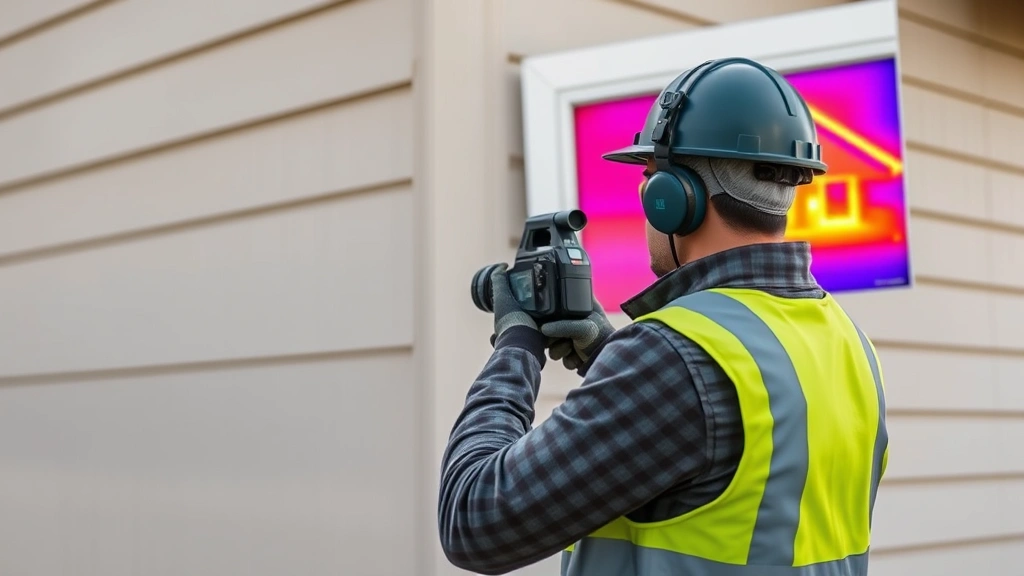
A professional or self-conducted energy audit forms the foundation of any effective gas-saving strategy. This assessment identifies where your home is losing heat, where air is leaking, and which appliances consume the most energy. CenterPoint Energy provides free or discounted energy audits through their efficiency programs, making this an accessible starting point for most customers.
During an energy audit, professionals examine your home’s insulation, windows, doors, HVAC system, and appliances. They use thermal imaging cameras to detect heat loss invisible to the naked eye. This data-driven approach ensures you invest in improvements that deliver the highest impact. The audit typically identifies quick wins—simple fixes that cost little but save considerably—alongside larger projects that might require more investment.
Understanding your home’s specific characteristics is essential for implementing sustainable energy solutions that work for your situation. A home built in 1970 has vastly different efficiency characteristics than one constructed in 2020. The audit reveals these differences and helps prioritize improvements based on your home’s unique needs and your budget constraints.
Smart Thermostat Technology
Installing a programmable or smart thermostat represents one of the most effective ways to reduce gas consumption. These devices learn your household’s temperature preferences and adjust heating automatically, eliminating the need for constant manual adjustments. Many smart thermostats reduce gas consumption by 10-15%, translating to meaningful savings on your monthly CenterPoint gas pay.
Smart thermostats like Nest, Ecobee, and Honeywell offer remote control through smartphone apps, allowing you to adjust your home’s temperature from anywhere. This capability prevents wasted energy when no one is home. Scheduling features enable you to lower temperatures during sleeping hours and when the house is unoccupied, maximizing savings without sacrificing comfort during occupied periods.
CenterPoint often provides rebates for qualified smart thermostat installations, reducing your upfront costs. These rebates, combined with the energy savings, typically result in payback periods of one to two years. Beyond financial benefits, smart thermostats provide valuable data about your consumption patterns, helping you understand how temperature adjustments influence your bills.
The environmental benefits extend beyond your individual household. As more customers reduce peak demand through smart thermostat use, the overall grid operates more efficiently, reducing the need for additional energy infrastructure and the associated environmental costs. This represents a tangible way to contribute to the principles of sustainability while managing your personal expenses.
Home Insulation and Air Sealing
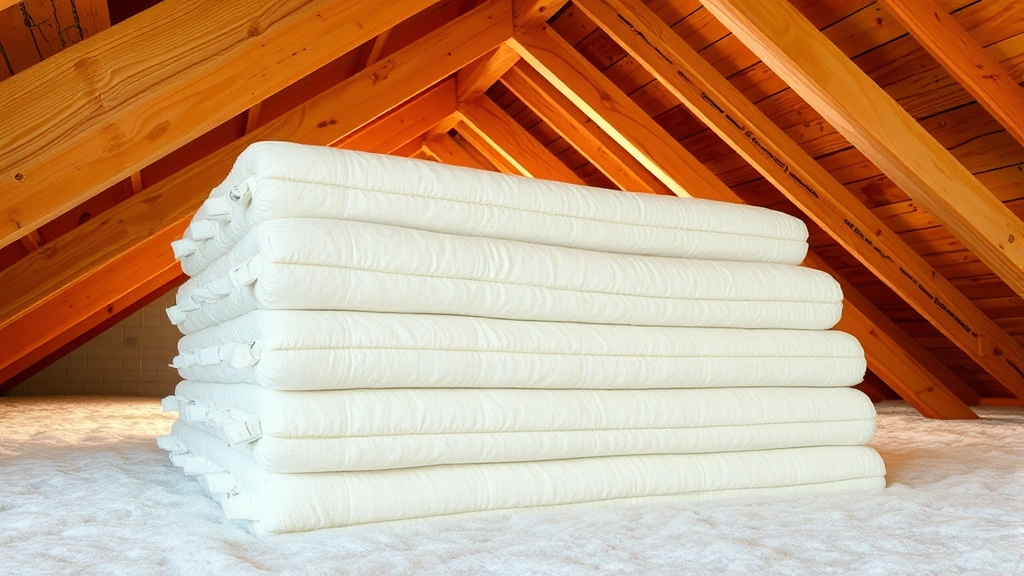
Heat loss through poor insulation and air leaks represents a major source of wasted energy in most homes. Proper insulation in attics, walls, and basements is fundamental to minimizing the work your heating system must perform. Many older homes were constructed with minimal insulation by modern standards, creating significant opportunities for improvement.
Air sealing addresses the gaps and cracks where conditioned air escapes. Common problem areas include around windows and doors, where utility lines enter the home, in the attic, and in the basement. Weatherstripping, caulking, and foam sealants are inexpensive tools that deliver substantial results. A thorough air sealing project can reduce gas consumption by 10-20%, representing one of the highest-return improvements available.
The ENERGY STAR program provides guidelines for proper insulation levels based on your geographic location and climate zone. These standards help ensure your improvements meet current efficiency benchmarks. CenterPoint customers in different service areas may qualify for specific rebates based on their climate zone and the type of insulation installed.
Attic insulation is particularly important because heat naturally rises, and attics often lack adequate insulation. Adding insulation to an attic is relatively straightforward and cost-effective. Similarly, basement insulation prevents heat loss through below-grade walls. These improvements work synergistically with other efficiency measures, creating a comprehensive approach to minimizing heat loss.
Behavioral Changes for Immediate Impact
While structural improvements take time and investment, behavioral changes deliver immediate savings. Simple habits like lowering your thermostat by 7-10 degrees for 8 hours daily can reduce your annual heating costs by 10-15%. This doesn’t require expensive equipment or major renovations—just conscious adjustment of your comfort settings.
Layering clothing, using blankets, and closing doors to unused rooms are behavioral strategies that reduce the volume of space requiring heating. If you spend most of your time in two or three rooms, heating your entire home wastes significant energy. Zone heating, where you focus warmth on occupied areas, aligns with the definition of sustainability by using only the resources you need.
Regular maintenance of your heating system ensures it operates at peak efficiency. Changing furnace filters monthly, having annual inspections, and cleaning heating vents prevents efficiency degradation. A well-maintained system uses less gas to achieve the same heating output compared to a neglected one. These simple tasks often cost nothing and require minimal time.
Awareness of your consumption patterns helps identify opportunities for reduction. Tracking your thermostat settings and corresponding bills reveals how temperature choices affect costs. Many people discover they can maintain comfort at lower temperatures than they initially thought, simply through gradual adjustment and acclimation.
CenterPoint Rebate Programs
CenterPoint Energy administers comprehensive rebate programs designed to offset the costs of efficiency improvements. These programs vary by service territory, but typically include rebates for smart thermostats, insulation upgrades, weatherization, high-efficiency furnaces, and heat pump installations. Understanding available rebates is essential for maximizing your return on investment.
To qualify for most CenterPoint rebates, you must work with approved contractors and purchase eligible equipment. The company maintains lists of qualified professionals and products on their website. Working with these pre-approved vendors ensures your improvements meet program requirements and that you receive available incentives without complications.
The application process typically involves submitting proof of purchase, installation documentation, and energy audit results. CenterPoint processes rebate claims within specific timeframes, usually issuing credits directly to your account or as checks. Some rebates apply at the time of purchase through participating retailers, eliminating the need for after-purchase claims.
Beyond direct rebates, CenterPoint offers financing programs for larger projects. These loans often feature favorable terms and may be forgivable if you remain a customer for specified periods. Such programs make significant improvements financially accessible to customers who might otherwise defer necessary upgrades.
Water Heating Efficiency
Water heating typically accounts for 15-20% of household energy consumption, making it a significant component of your CenterPoint gas pay. Upgrading to a high-efficiency water heater or tankless system can substantially reduce this expense. Modern water heaters are significantly more efficient than models over ten years old, often providing 20-30% energy savings.
Tankless water heaters heat water on-demand rather than maintaining a constantly heated reservoir. This eliminates standby losses and reduces overall consumption. While tankless systems have higher upfront costs, they typically have longer lifespans and deliver greater long-term savings, particularly for households with moderate hot water usage.
Beyond equipment upgrades, behavioral changes reduce water heating costs. Shorter showers, lower water temperatures, and fixing leaks all decrease consumption. Installing low-flow showerheads and faucet aerators reduces hot water usage without sacrificing functionality. These inexpensive modifications are among the quickest wins available.
Insulating hot water pipes minimizes heat loss as water travels from your heater to fixtures. Pipe insulation is inexpensive and simple to install, yet many homeowners overlook this opportunity. Similarly, insulating your water heater tank itself reduces standby losses, particularly important for older units. These layered improvements combine to create substantial water heating efficiency.
Winterization Strategies
Winter represents the peak heating season, when gas consumption and bills reach their maximum. Proactive winterization before cold weather arrives ensures your home operates efficiently when demand is highest. This seasonal preparation prevents emergency repairs and maximizes the effectiveness of your efficiency improvements.
Winterization includes sealing air leaks around windows and doors, inspecting and repairing weatherstripping, and ensuring attic ventilation is adequate. Cleaning gutters and downspouts prevents ice dam formation, which can compromise insulation and allow water infiltration. These tasks, completed in fall, prevent problems that could increase heating demand during winter.
Having your furnace professionally serviced before winter ensures it operates at peak efficiency. Technicians clean components, replace filters, and identify potential issues before they become serious. This preventive maintenance reduces the risk of mid-winter breakdowns and ensures your system uses minimum gas to deliver maximum heat.
Reducing water heater temperature to 120°F in winter months conserves gas while still providing adequate hot water. Lowering thermostat settings by just a few degrees during sleeping hours and when no one is home delivers significant seasonal savings. These adjustments, combined with proper insulation and air sealing, create a comprehensive winterization strategy.
Understanding how to reduce your environmental footprint during heating season aligns personal savings with broader sustainability goals. Every unit of gas not consumed reduces your carbon emissions and environmental impact. This connection between individual action and collective benefit motivates many households to maintain winter efficiency practices.
FAQ
What is the average gas bill savings from implementing these strategies?
Savings vary based on your home’s initial efficiency and which strategies you implement. Most households achieve 15-30% reductions through a combination of behavioral changes, weatherization, and equipment upgrades. Some homes with significant deficiencies see reductions exceeding 40%. Your energy audit provides personalized projections based on your specific situation.
Do CenterPoint rebates cover the full cost of efficiency improvements?
Rebates typically cover 25-50% of improvement costs, depending on the specific measure and your service territory. While not covering full costs, rebates significantly improve payback periods. Combined with long-term energy savings, most efficiency investments become financially positive within 3-7 years.
How long does it take to see savings after implementing improvements?
Behavioral changes like thermostat adjustments show savings on your next bill. Equipment installations and structural improvements appear in bills within the first heating season. Most customers notice meaningful reductions within 2-3 months of completing comprehensive efficiency projects.
Are smart thermostats compatible with all heating systems?
Most smart thermostats work with standard furnace systems. However, some specialty systems like radiant heat or certain heat pumps may have compatibility limitations. Check manufacturer specifications before purchasing, or consult with your HVAC contractor to ensure compatibility with your specific system.
What should I do if I cannot afford major efficiency improvements right now?
Start with behavioral changes and low-cost improvements like weatherstripping, air sealing, and filter changes. These deliver meaningful savings without significant investment. As you save money, reinvest it in larger projects. CenterPoint’s financing programs can also make equipment upgrades more accessible.
How does improving gas efficiency contribute to sustainability?
Reducing natural gas consumption decreases your household’s carbon footprint and reduces demand for fossil fuel extraction. Every unit of gas saved represents environmental benefit through reduced emissions and resource depletion. Your efficiency improvements contribute to broader climate and sustainability efforts documented across the SustainWise Hub.
Can I track my gas consumption progress with CenterPoint?
Yes, CenterPoint’s online portal provides real-time consumption data and comparisons to previous periods. Many customers enable paperless billing to track usage digitally. This data transparency helps you identify the impact of specific improvements and maintain motivation as you see savings accumulate.
What are the environmental benefits beyond my personal savings?
Reducing natural gas consumption decreases overall demand, reducing the need for additional pipeline infrastructure and extraction operations. Lower consumption also reduces methane emissions from production and transportation. When aggregated across many customers, these individual efforts create measurable environmental impact. Learn more about green technology innovations driving broader energy system transformation.


