Full Service Gas Station: The Eco-Friendly Shift Transforming Fuel Retail
The traditional full service gas station is undergoing a profound transformation. Once defined solely by the convenience of having an attendant pump your fuel, these establishments are now reimagining their role in a carbon-conscious world. As climate concerns intensify and consumer preferences shift toward sustainable practices, full service gas stations are adapting their business models to offer electric vehicle charging, renewable fuel options, and comprehensive environmental solutions that extend far beyond conventional gasoline pumps.
This evolution represents more than a trend—it’s a necessary adaptation in the energy sector. Full service gas stations that embrace eco-friendly practices position themselves as forward-thinking businesses while contributing meaningfully to global emissions reduction efforts. Understanding this transition helps consumers make informed choices about where they fuel their vehicles and how they can support businesses committed to environmental responsibility.

The Traditional Full Service Gas Station Model and Its Environmental Impact
For decades, full service gas stations have operated with a relatively unchanged formula: fuel dispensing, convenience retail, and sometimes basic automotive services. However, this traditional model carries significant environmental consequences. Conventional gasoline combustion contributes substantially to greenhouse gas emissions, with transportation accounting for approximately 27% of total U.S. emissions according to the EPA’s transportation air quality data. Full service gas stations, as primary distribution points for fossil fuels, play an indirect but crucial role in this emissions profile.
Beyond fuel sales, traditional gas stations generate environmental impacts through multiple channels: underground storage tank leaks, stormwater runoff containing petroleum residues, energy consumption for lighting and climate control, and waste generation from convenience store operations. Many older full service gas stations were constructed without modern environmental safeguards, creating remediation challenges that persist today.
The recognition of these impacts has driven regulatory changes and consumer expectations. Understanding the definition of sustainability becomes essential when evaluating how gas stations can transition from purely extractive business models to environmentally responsible operations. This shift acknowledges that full service gas stations can serve as hubs for sustainable transportation solutions rather than merely perpetuating dependence on fossil fuels.
Electric Vehicle Charging Infrastructure at Gas Stations
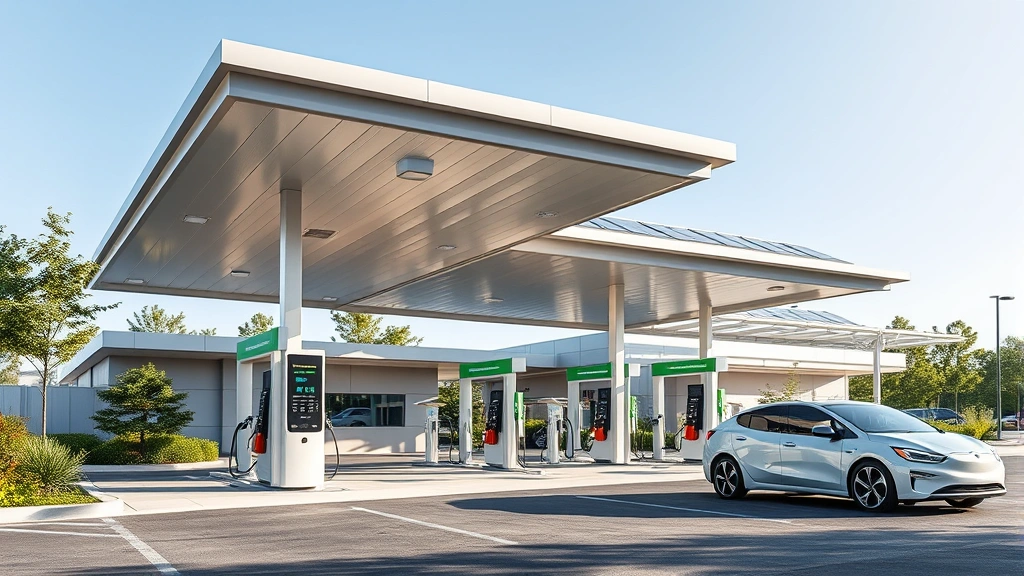
The most visible eco-friendly transformation at modern full service gas stations is the integration of electric vehicle (EV) charging infrastructure. Major fuel retailers and independent operators are installing Level 2 chargers and DC fast-charging stations alongside traditional fuel pumps. This strategic positioning leverages existing real estate, electrical infrastructure, and customer relationships while facilitating the transportation sector’s transition toward electrification.
Installing EV charging at full service gas stations offers several advantages. First, it maintains customer traffic during the industry’s inevitable transition away from gasoline combustion. Second, it positions these businesses as participants in sustainable energy transition rather than obstacles to progress. Third, it creates revenue opportunities through charging fees and associated services. Many stations now offer premium services like charging during convenient shopping experiences, creating a new service paradigm.
The advantages of electric vehicles extend directly to supporting infrastructure investment. As EV adoption accelerates—with electric vehicles projected to comprise 50% of new car sales by 2035 in many developed markets—full service gas stations with charging capabilities position themselves strategically for long-term viability. Some operators are installing 50+ chargers at single locations, transforming traditional gas stations into EV charging hubs.
Technical standards have also evolved to support this transition. The development of universal charging standards, improved battery technology enabling faster charging times, and government incentives for charging infrastructure installation have made these investments increasingly feasible for full service gas station operators. Progressive stations are even installing renewable energy sources like solar panels to power charging stations, creating truly zero-emission refueling experiences.
Renewable and Alternative Fuel Options
Beyond electrification, forward-thinking full service gas stations are expanding fuel portfolios to include renewable and alternative options. Biodiesel, ethanol blends, hydrogen fuel, and synthetic fuels represent emerging alternatives that reduce lifecycle carbon emissions compared to conventional petroleum products. Some stations now prominently feature these options, educating consumers about cleaner fuel choices.
Biodiesel represents a particularly accessible alternative for existing infrastructure. Produced from renewable sources like vegetable oils and animal fats, biodiesel can blend with conventional diesel at various percentages (B5, B10, B20) without requiring vehicle modifications. Full service gas stations can offer biodiesel blends with minimal infrastructure changes, making this a practical transition strategy. The sustainable energy solutions available today increasingly include these intermediate steps that don’t require complete infrastructure overhauls.
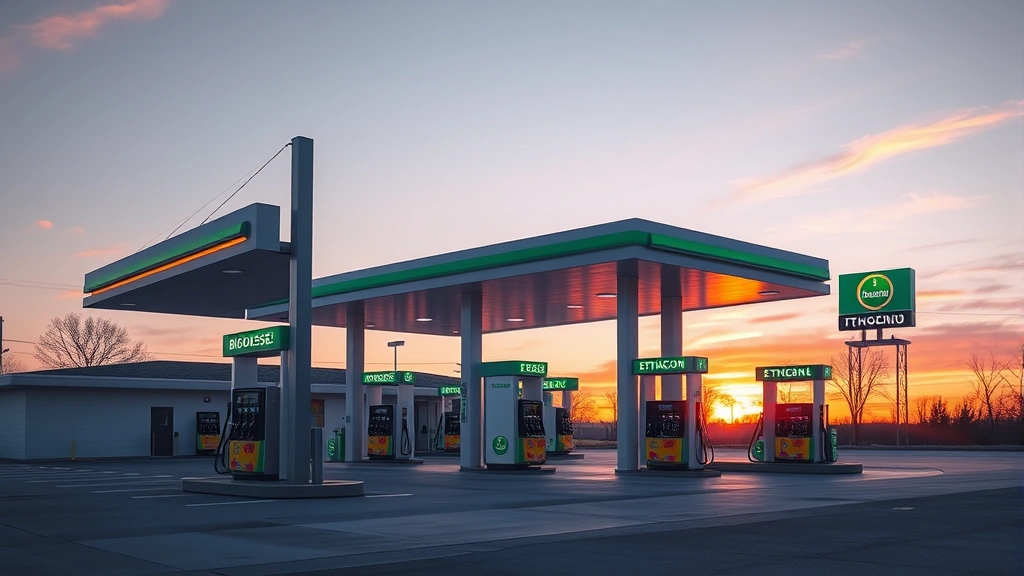
Ethanol blends (E10, E15, E85) have gained acceptance across many markets, with significant environmental benefits including reduced tailpipe emissions and renewable sourcing from agricultural biomass. Progressive full service gas stations prominently display these options, recognizing that many consumers want sustainable choices but lack convenient access to them.
Hydrogen fuel cells represent the frontier of alternative fueling, with several full service gas stations in California, Germany, and Japan already offering hydrogen dispensing. While infrastructure remains limited, early adoption by pioneering stations establishes the market foundation for this ultimately zero-emission technology. These stations serve as demonstration projects proving the viability of hydrogen refueling at existing retail locations.
Energy Efficiency Upgrades and Green Building Practices
Comprehensive eco-friendly transformation extends beyond fuel type to encompass the physical infrastructure of full service gas stations. Modern operators are investing in significant energy efficiency upgrades that reduce operational carbon footprints while improving profitability through lower utility costs.
LED lighting systems represent a straightforward efficiency improvement, reducing electricity consumption for exterior and interior lighting by 75% compared to traditional fluorescent and incandescent systems. Many stations are upgrading canopy lighting, convenience store illumination, and signage to LED technology. Smart lighting systems with motion sensors and daylight harvesting further optimize energy use.
HVAC system upgrades incorporate high-efficiency equipment, improved insulation, and smart building management systems that optimize heating and cooling based on occupancy and weather conditions. Some newer full service gas stations achieve LEED certification through comprehensive energy management, water conservation, and sustainable material selection.
Cool roofing technologies using reflective coatings reduce heat absorption, decreasing cooling loads and mitigating urban heat island effects. Green roofs with vegetation provide additional insulation while managing stormwater and creating habitat. These investments, while requiring upfront capital, deliver long-term operational savings and environmental benefits.
The SustainWise Hub Blog regularly explores how commercial operations can implement these efficiency measures, providing frameworks applicable to gas station operators seeking comprehensive sustainability transformation.
Water Conservation and Waste Management Systems
Full service gas stations consume substantial water for vehicle washing services and facility maintenance. Eco-conscious operators are implementing water recycling systems that capture, filter, and reuse water from vehicle washing operations, reducing consumption by up to 80%. These closed-loop systems represent significant environmental improvements while reducing operational costs.
Stormwater management has evolved considerably from traditional approaches. Modern full service gas stations implement permeable paving, bioswales, and retention ponds that filter runoff before it enters municipal water systems. These natural filtration approaches remove petroleum residues, heavy metals, and sediment, protecting aquatic ecosystems and reducing treatment burdens on municipal infrastructure.
Waste management systems at full service gas stations have also transformed. Comprehensive recycling programs for oil, filters, batteries, and convenience store waste divert substantial material from landfills. Many operators partner with specialized recycling facilities ensuring proper handling of hazardous materials like used motor oil and spent batteries. Some stations have achieved zero-waste-to-landfill certifications through rigorous waste stream management.
Underground storage tank management represents a critical environmental consideration. Modern tanks feature double-wall construction, leak detection systems, and secondary containment, preventing soil and groundwater contamination. Operators conducting remediation of older sites with legacy contamination demonstrate environmental stewardship while improving property values and community relationships.
The Business Case for Eco-Friendly Transformation
The transition toward eco-friendly full service gas stations isn’t merely environmental idealism—it represents sound business strategy. Operators implementing comprehensive sustainability measures often experience improved financial performance through multiple mechanisms.
Energy efficiency upgrades directly reduce operating costs. LED lighting, efficient HVAC systems, and smart building management can reduce energy consumption by 30-40%, translating to thousands of dollars in annual savings. Water recycling systems similarly reduce utility expenses while improving operational resilience during water restrictions.
EV charging infrastructure creates new revenue streams. As EV adoption accelerates, charging fees generate incremental income. Additionally, EV drivers tend to make convenience purchases while charging, increasing per-visit spending on food, beverages, and retail items. This creates a virtuous cycle where charging attracts customers who purchase higher-margin convenience items.
Brand differentiation in competitive markets increasingly depends on environmental credentials. Consumers increasingly prefer businesses demonstrating environmental commitment. Full service gas stations with visible sustainability measures attract environmentally conscious customers, build community goodwill, and enhance brand reputation. This intangible value translates to customer loyalty and market share growth.
Regulatory compliance also drives business case economics. As emissions standards tighten and environmental regulations become more stringent, operators with proactive sustainability measures face lower compliance costs and regulatory risk. Stations that embrace transformation voluntarily avoid costly retrofits mandated by future regulations.
Consumer Demand and Market Trends
Market research consistently demonstrates growing consumer demand for sustainable options. Surveys show that 70-80% of consumers consider environmental impact when making purchasing decisions, with younger demographics showing particularly strong preferences for businesses demonstrating environmental commitment. This consumer demand directly benefits full service gas stations that visibly implement eco-friendly practices.
The how to reduce your environmental footprint resource reflects growing consumer interest in personal sustainability actions. Full service gas stations that facilitate these actions—through EV charging, renewable fuel options, and sustainable business practices—position themselves as partners in consumers’ environmental goals.
Market trends show accelerating adoption of sustainability practices among fuel retailers. Major petroleum companies are investing billions in EV charging infrastructure, renewable fuel production, and energy efficiency. Independent operators increasingly recognize that sustainability differentiates their businesses in mature, competitive markets. This trend will accelerate as younger consumers with stronger environmental values increase their market influence.
Regional variations in sustainability adoption reflect differing regulatory environments and consumer demographics. States and regions with aggressive climate policies, strong EV adoption, and environmentally conscious populations see faster sustainability adoption at full service gas stations. However, sustainability practices are spreading globally, indicating this represents a fundamental market shift rather than a regional phenomenon.
Challenges and Solutions in the Transition
Despite clear benefits, full service gas stations face significant challenges in implementing comprehensive sustainability measures. Capital requirements for EV charging infrastructure, energy efficiency upgrades, and water recycling systems can exceed hundreds of thousands of dollars, creating barriers for independent operators and smaller chains.
Addressing capital constraints requires creative financing approaches. Government incentives, including tax credits, grants, and rebates for EV charging installation and energy efficiency improvements, substantially reduce net costs. Some operators utilize energy service agreements where third parties fund upgrades in exchange for shared savings. Public-private partnerships create opportunities for shared investment in charging infrastructure.
Technical challenges include grid capacity constraints for EV charging during peak demand periods and the need for advanced electrical infrastructure upgrades at older facilities. Solutions involve smart charging systems that distribute loads across time periods, battery storage systems buffering demand fluctuations, and strategic placement of fast chargers at locations with adequate electrical capacity.
Market uncertainty regarding fuel transition timelines creates hesitation about long-term strategy. However, successful operators recognize that sustainability measures deliver value regardless of fuel transition speed. Energy efficiency, water conservation, and waste reduction provide immediate returns and reduce risk exposure to volatile fuel markets and changing regulations.
Consumer behavior change represents another challenge. Many drivers maintain ingrained habits around traditional fuel purchasing, requiring education about alternative options. Progressive full service gas stations address this through clear signage, staff training, and promotional campaigns highlighting environmental and economic benefits of sustainable options.
Regulatory complexity varies significantly across jurisdictions, requiring operators to navigate different charging standards, environmental requirements, and incentive programs. Industry associations and sustainability consultants help operators navigate this complexity, enabling effective compliance and optimization of available incentives.
FAQ
What makes a full service gas station “eco-friendly”?
An eco-friendly full service gas station integrates multiple sustainability features: EV charging infrastructure, renewable fuel options, energy-efficient systems, water conservation technologies, and comprehensive waste management. These elements collectively reduce the station’s environmental footprint while providing sustainable customer options.
How quickly is EV charging infrastructure expanding at gas stations?
EV charging infrastructure at gas stations is expanding rapidly, with major retailers installing thousands of chargers annually. Government incentives and accelerating EV adoption are driving this expansion. However, regional variation exists, with some areas having abundant charging infrastructure while others face gaps.
Are renewable fuel options like biodiesel widely available?
Biodiesel and ethanol blends are increasingly available at full service gas stations, though availability varies by region. Ethanol blends (E10, E15) are common in many areas, while higher-blend options and biodiesel availability depend on local infrastructure and regulatory support. Checking available options at your local station is recommended.
How much do energy efficiency upgrades cost for gas stations?
Energy efficiency upgrade costs vary widely based on facility size and upgrade scope, ranging from $50,000 to several hundred thousand dollars. However, government incentives often cover 20-40% of costs, and operational savings typically achieve payback within 5-7 years, making these investments economically attractive.
What is the environmental benefit of switching to an eco-friendly gas station?
Choosing eco-friendly full service gas stations supports businesses reducing transportation sector emissions through EV charging, renewable fuels, and operational efficiency. This consumer support accelerates industry-wide transition toward sustainable transportation, contributing to climate change mitigation and air quality improvement.
Can traditional gas stations retrofit EV charging infrastructure?
Yes, most existing full service gas stations can retrofit EV charging infrastructure, though costs and complexity depend on existing electrical systems and site conditions. Many operators successfully install chargers at legacy facilities, though new construction often incorporates charging more cost-effectively.
What role do government incentives play in sustainability adoption?
Government incentives significantly accelerate sustainability adoption by reducing capital costs and improving financial returns. Federal tax credits, state rebates, and grant programs reduce EV charging installation costs by 20-40%. These incentives are crucial for making sustainability investments financially attractive for operators.


