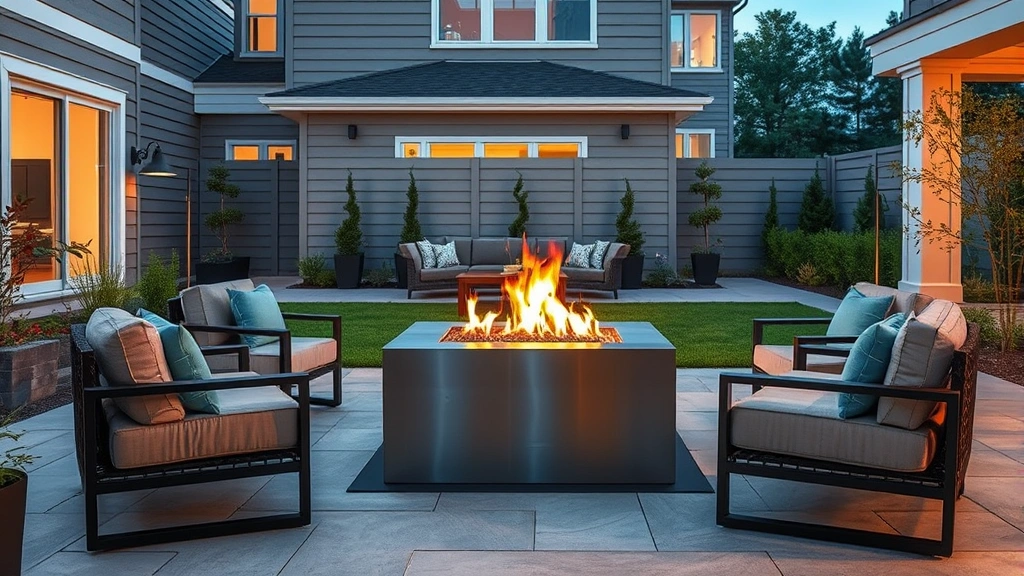
Eco-Friendly Gas Fire Pits? Expert Insights on Sustainable Outdoor Heating
Gas fire pits have become a popular choice for outdoor entertaining, offering convenience and ambiance without the mess of traditional wood-burning fires. However, homeowners increasingly ask whether these fixtures align with environmental values. The answer is nuanced: while gas fire pits aren’t inherently eco-friendly, they can be a more sustainable choice than alternatives when selected and used responsibly. Understanding the environmental impact of gas fire pits requires examining their emissions, efficiency, and how they compare to other heating options.
This comprehensive guide explores the sustainability aspects of gas fire pits, examining their carbon footprint, operational efficiency, and how they fit into broader principles of sustainability. We’ll investigate which models minimize environmental harm, discuss best practices for eco-conscious use, and help you make an informed decision about whether a gas fire pit suits your sustainability goals.
Understanding Gas Fire Pit Emissions
Natural gas and propane combustion produce carbon dioxide (CO₂), the primary greenhouse gas contributing to climate change. A typical gas fire pit burns between 30,000 and 40,000 BTUs per hour, releasing approximately 5-7 pounds of CO₂ annually with moderate use. While this might seem significant, context matters when evaluating environmental impact. According to the EPA’s greenhouse gas overview, residential energy use accounts for roughly 20% of total U.S. emissions, with heating being a major contributor.
The combustion process also produces water vapor, nitrogen oxides, and trace amounts of methane. High-efficiency models minimize these byproducts through improved burner design and complete fuel combustion. Natural gas burns cleaner than propane, producing slightly fewer emissions and less soot. If you’re considering a gas fire pit as part of your broader environmental strategy, understanding these emissions helps you contextualize their role in your environmental footprint.
Methane leakage during extraction, processing, and distribution represents another environmental concern. Methane is approximately 25-28 times more potent than CO₂ over a 100-year period. However, the natural gas industry has implemented leak detection systems and regulations to minimize these losses. Modern gas fire pits with sealed combustion chambers and proper maintenance can operate relatively efficiently compared to older models.
Gas Fire Pits vs. Wood-Burning Alternatives
Wood-burning fire pits present a compelling environmental comparison point. While wood is technically a renewable resource, the combustion process releases significant particulate matter, volatile organic compounds (VOCs), and carbon dioxide. A single wood fire can release as much particulate pollution as driving a diesel truck for 50 miles, according to research from the Oregon Department of Environmental Quality.
The carbon sequestration argument for wood—that trees absorb CO₂ during growth—only works when forests are managed sustainably and regrow. Many regions struggle with deforestation and unsustainable harvesting practices. Additionally, wood-burning produces indoor and outdoor air pollution that causes respiratory health problems, particularly for vulnerable populations. From this perspective, gas fire pits represent a cleaner alternative for air quality, even if their carbon footprint isn’t negligible.
Electric fire pits powered by renewable energy represent the most sustainable option theoretically, but they lack the authentic ambiance many homeowners desire. Gel fuel fires offer another alternative, though their sustainability depends on the fuel source and production methods. Balancing environmental impact with user satisfaction requires honest evaluation of what matters most to your household’s values.
Energy Efficiency and Fuel Consumption
Gas fire pit efficiency varies dramatically between models. Traditional open-flame designs waste substantial heat, with much of the thermal energy dissipating into the atmosphere. Modern designs with reflective surfaces, insulated bases, and optimized burner configurations achieve 60-80% efficiency, meaning more heat reaches the surrounding area rather than dispersing upward.
BTU (British Thermal Unit) ratings indicate heating output capacity. A fire pit rated at 30,000 BTUs produces more heat than one rated at 20,000 BTUs, but efficiency matters equally. Two fire pits with identical BTU ratings can have vastly different real-world heating effectiveness based on design. When evaluating models, look for specifications indicating heat distribution patterns and insulation quality. This connects directly to sustainable energy solutions principles—maximizing output while minimizing input.
Propane fire pits typically consume 0.5-1.5 gallons per hour depending on the BTU setting and burner efficiency. Natural gas consumption varies based on local pressure and burner design but generally equates to similar energy output per unit of fuel. Using your fire pit efficiently—maintaining it properly, operating it only when needed, and selecting appropriate BTU levels for your space—directly reduces environmental impact. Many homeowners run fire pits at maximum BTU settings unnecessarily, wasting fuel and increasing emissions.
Selecting Eco-Conscious Gas Fire Pit Models
When shopping for a gas fire pit with sustainability in mind, several factors deserve consideration. First, verify that models meet current EPA emissions standards. The EPA regulates residential wood heaters but not gas fire pits specifically, yet manufacturers increasingly design with efficiency and emissions reduction as priorities. Look for certifications from organizations like the Air-Conditioning, Heating, and Refrigeration Institute (AHRI), which verify efficiency claims.
Material selection impacts longevity and environmental footprint. Stainless steel and powder-coated steel resist corrosion, extending the fire pit’s lifespan and reducing replacement frequency. Longer-lasting products mean fewer manufacturing emissions and less landfill waste over time. Modular designs allow component replacement without discarding the entire unit, supporting circular economy principles discussed in our guide to sustainability definitions.
Size matters environmentally. Oversized fire pits for small spaces waste fuel and produce unnecessary emissions. Conversely, undersized pits in large areas require running at maximum capacity constantly. Matching pit size to your typical gathering space optimizes efficiency. Natural gas options prove superior to propane for permanent installations, as they eliminate transportation emissions and propane container manufacturing waste.
Advanced features like electronic ignition systems (eliminating the need for pilot lights), adjustable flame controls, and integrated wind screens all contribute to efficiency. Pilot lights burning continuously waste substantial fuel; electronic ignition eliminates this waste. Variable flame controls let users adjust heat output to actual needs rather than operating at fixed levels.
Sustainable Practices for Gas Fire Pit Owners
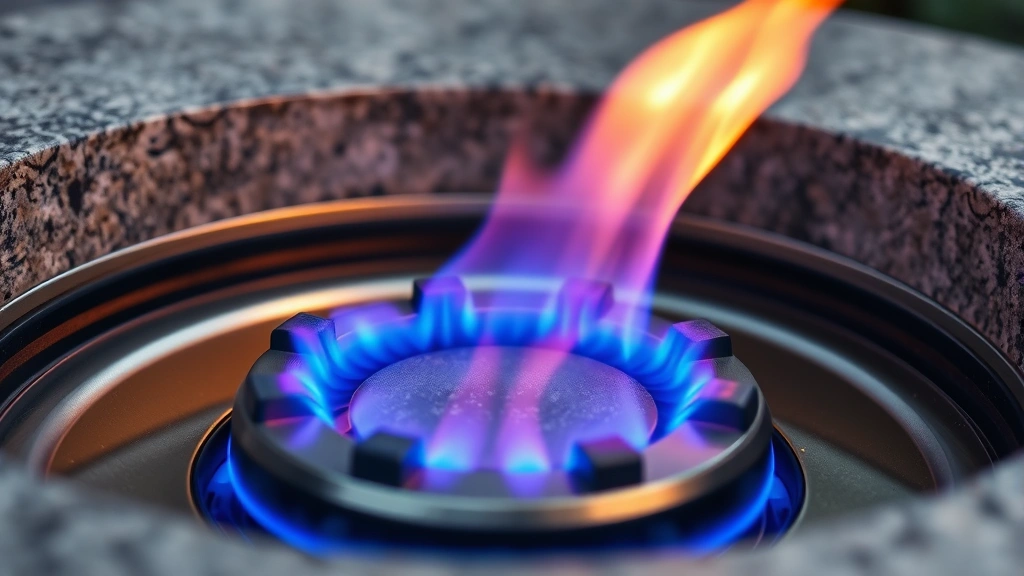
Responsible ownership maximizes a gas fire pit’s positive attributes while minimizing environmental harm. Regular maintenance ensures optimal combustion efficiency—dirty burners produce incomplete combustion, wasting fuel and increasing emissions. Inspect burners seasonally, clean debris, and verify that all ports burn with consistent blue flames indicating complete combustion. Yellow or orange flames signal incomplete combustion and inefficiency.
Maintenance practices include checking gas connections for leaks using soapy water to identify bubbles, cleaning glass enclosures to maintain heat reflection, and verifying that wind screens remain intact. Proper maintenance can improve efficiency by 10-15%, meaningfully reducing your environmental impact. Most manufacturers provide maintenance guidelines; following these recommendations extends equipment life and operating efficiency.
Operational habits significantly influence environmental impact. Using your fire pit intentionally rather than habitually reduces consumption. Running the pit at lower BTU settings when full heat output isn’t necessary cuts fuel use proportionally. Timing usage to when you’re actively enjoying the space—rather than running it for ambiance while indoors—represents a simple behavioral change with real environmental benefits.
Consider your fire pit’s role within your home’s broader energy strategy. If you’re working to reduce your environmental footprint, evaluate whether a gas fire pit aligns with your overall energy consumption goals. For some households, the occasional use justifies the environmental cost; for others, eliminating it entirely or switching to alternative entertainment methods proves more consistent with their sustainability values.
Installation and Long-Term Environmental Impact
Professional installation affects both safety and environmental performance. Properly installed gas fire pits operate at design efficiency specifications; poorly installed units may leak gas, combust incompletely, or function unsafely. Installation considerations include ensuring adequate ventilation if the pit is covered, proper gas line sizing to prevent pressure fluctuations, and correct burner positioning for optimal heat distribution.
The manufacturing and transportation emissions associated with your specific fire pit model also deserve consideration. Locally manufactured products typically involve fewer transportation emissions than imports. Some manufacturers prioritize sustainable production methods, using recycled materials where possible and minimizing manufacturing waste. Researching company sustainability reports provides insight into their environmental commitments beyond individual product design.
End-of-life considerations matter for true sustainability accounting. Fire pits constructed primarily from recyclable metals can be recycled at end of life, preventing landfill waste. Glass components, electronic controls, and other materials should be properly disposed of according to local regulations. Some manufacturers offer take-back programs or refurbishment services, extending product life and reducing waste.
The decision to install a permanent gas fire pit versus using portable models affects long-term environmental impact. Permanent installations encourage repeated use of a single efficient unit rather than manufacturing multiple portable options. However, if you’re uncertain about long-term use, renting or borrowing before purchasing prevents unnecessary manufacturing emissions from unused equipment.
Integration with Renewable Energy Systems
Homeowners committed to comprehensive sustainability can integrate gas fire pits with renewable energy infrastructure. If your home uses solar panels or other renewable electricity sources, operating electronic ignition systems and controls on renewable power reduces the fire pit’s grid electricity draw. This represents a small but meaningful optimization for sustainability-focused households.
Some innovative designs incorporate thermal mass elements that absorb heat from gas combustion and release it gradually, extending warmth beyond the fire pit’s operational period. This approach aligns with green technology innovations that maximize efficiency through passive design principles.
For those exploring alternatives, biogas systems represent an emerging option in some regions. Biogas—produced from organic waste decomposition—can fuel fire pits while diverting waste from landfills. This approach requires specific infrastructure and isn’t widely available, but it illustrates how innovation continues advancing sustainability in outdoor heating options.
The psychological and social aspects of fire pits shouldn’t be overlooked in sustainability calculations. Outdoor gathering spaces encourage community connection and reduce reliance on energy-intensive indoor entertainment. If a gas fire pit genuinely increases outdoor time and strengthens family and community bonds, the modest environmental cost may be justified within a holistic sustainability framework. The key involves making conscious choices rather than defaulting to convenience.
FAQ
Are gas fire pits better for the environment than wood fires?
Yes, gas fire pits produce fewer emissions and significantly less air pollution than wood-burning fires. Wood combustion releases particulate matter, VOCs, and carbon dioxide, while also contributing to deforestation concerns. Gas provides cleaner combustion with lower particulate emissions, though both produce CO₂. For air quality and sustainability, gas fire pits represent an improvement over traditional wood fires.
How much CO₂ does a gas fire pit emit annually?
A typical gas fire pit burning 30,000-40,000 BTUs for average seasonal use produces approximately 5-7 pounds of CO₂ annually. This calculation assumes moderate use during warmer months. Heavy year-round use increases emissions proportionally, while minimal seasonal use reduces environmental impact significantly.
What’s the most sustainable outdoor heating option?
Electric fire pits powered by renewable energy represent the most sustainable option theoretically, though they lack traditional ambiance. Among conventional fire pits, high-efficiency natural gas models installed permanently and maintained properly offer the best balance of sustainability, safety, and user satisfaction for most households.
Can I use a gas fire pit with renewable energy?
Yes, if your fire pit uses electronic ignition systems, operating those controls with renewable electricity reduces grid draw. Some advanced models incorporate thermal storage or passive heating design that works synergistically with renewable energy systems, though most gas combustion remains independent of electricity sources.
How often should I maintain my gas fire pit for optimal efficiency?
Inspect your gas fire pit at the beginning of each season and after extended storage. Clean burner ports, check for gas leaks, verify blue flame combustion, and ensure all components function properly. Regular maintenance prevents efficiency loss and ensures safe operation, directly reducing environmental impact through improved combustion.
What should I look for when buying an eco-friendly gas fire pit?
Prioritize high-efficiency models with electronic ignition, adjustable flame controls, durable corrosion-resistant materials, and proper sizing for your space. Verify that burners achieve complete combustion, check manufacturer sustainability claims, and consider whether natural gas connections are available at your location. Modular designs supporting component replacement also enhance long-term sustainability.
For additional information on making sustainable choices for your home, explore our comprehensive SustainWise Hub blog covering environmental topics and practical sustainability solutions.


