Gas vs Electric: Which is Greener? A Comprehensive Environmental Analysis
The debate between gas and electric appliances, vehicles, and heating systems has become increasingly central to household sustainability decisions. As climate concerns intensify and energy costs fluctuate, homeowners face critical choices about which fuel source aligns with their environmental values and long-term financial goals. This comprehensive analysis examines the lifecycle environmental impact of gas versus electric options, considering everything from production emissions to operational efficiency and end-of-life considerations.
Understanding the true environmental footprint of gas versus electric requires looking beyond the point of use. While electric appliances produce zero direct emissions during operation, their overall environmental impact depends heavily on the electricity grid’s energy mix in your region. Conversely, gas appliances burn fossil fuels directly but may operate with greater efficiency in certain applications. By exploring both sides of this equation, you’ll gain the knowledge needed to make informed decisions that reduce your household’s carbon footprint while maintaining comfort and functionality.
The choice between gas and electric isn’t simply black and white—it’s a nuanced decision that varies based on geography, usage patterns, and available technology. This guide breaks down the environmental implications of gas versus electric options across multiple categories, helping you understand which choice truly aligns with sustainability principles.
Understanding Energy Sources and Grid Composition
The environmental impact of electric appliances fundamentally depends on how electricity is generated in your region. In areas powered primarily by renewable energy sources like wind, solar, and hydroelectric facilities, electric appliances represent a significantly greener choice. However, in regions where coal and natural gas dominate the energy grid, the environmental advantage narrows considerably. According to the EPA’s electricity grid analysis, the United States grid composition varies dramatically by region, with some areas achieving over 50% renewable energy while others remain heavily dependent on fossil fuels.
Natural gas, while cleaner than coal, remains a fossil fuel that contributes to greenhouse gas emissions. When natural gas is extracted through drilling or fracking, methane leakage can occur throughout the supply chain, significantly increasing its climate impact. The methane leakage rate from gas infrastructure ranges from 1-3% depending on infrastructure age and maintenance practices. This means that gas-powered appliances carry embedded emissions not just from combustion but from extraction and distribution.
To understand which option is genuinely greener for your situation, consult your local utility provider’s energy mix report. Many utilities now publish this information online, showing the percentage of electricity generated from coal, natural gas, renewables, and nuclear sources. This data proves invaluable when calculating the true environmental cost of electric appliances in your area. Understanding your grid’s composition helps you make decisions aligned with principles of sustainability specific to your location.
Gas vs Electric: Residential Heating Systems
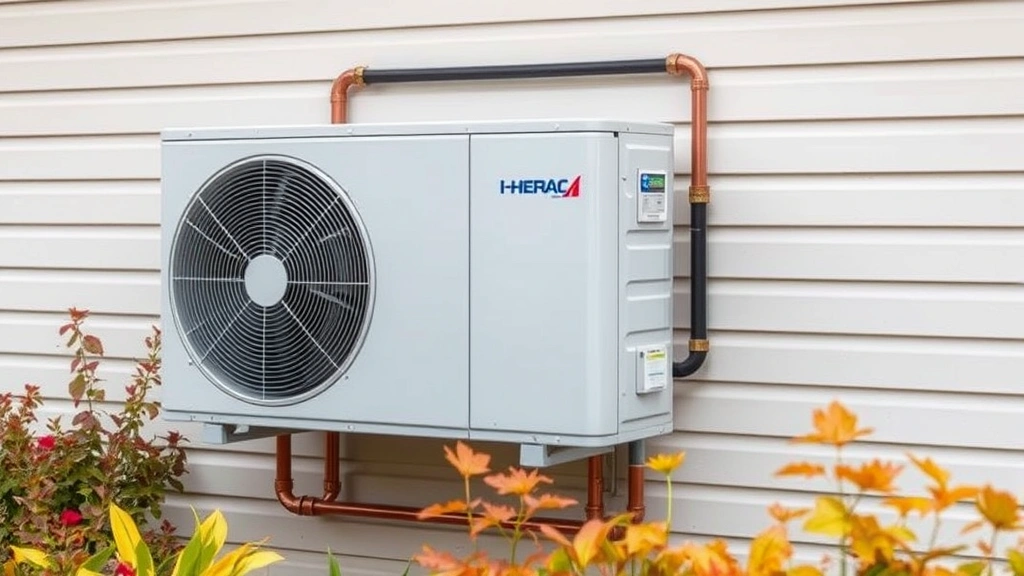
Home heating represents one of the largest energy expenses for most households, making it a critical area for environmental consideration. Gas furnaces and boilers have dominated residential heating for decades, but modern heat pump technology is transforming the landscape. Air-source heat pumps can extract heat from outdoor air even in cold climates, operating at 200-300% efficiency compared to the 80-95% efficiency of gas furnaces. This means heat pumps deliver 2-3 units of heat for every unit of electrical energy consumed.
When powered by renewable electricity, heat pumps offer substantial environmental advantages over gas heating. A recent analysis from the Natural Resources Defense Council demonstrates that even in regions with mixed-source electricity grids, heat pumps produce fewer lifecycle emissions than gas heating. The environmental benefit increases as grids incorporate more renewable energy, making heat pump installation a future-proof investment.
Gas heating systems emit carbon dioxide directly during operation, with a typical household furnace producing 4-6 tons of CO2 annually. Additionally, gas infrastructure requires ongoing maintenance and replacement, with furnace lifespan typically ranging from 15-20 years. When evaluating heating options, consider that energy-saving strategies at home can complement either system, but heat pumps provide superior baseline efficiency.

Kitchen Appliances: Cooking and Water Heating
Kitchen appliances present an interesting case study in the gas versus electric debate. Gas stovetops have long been preferred by professional and home cooks for their responsive heat control and aesthetic appeal. However, recent research has revealed concerning indoor air quality implications of gas cooking, with nitrogen dioxide and other pollutants released during combustion. From a purely environmental standpoint, induction cooktops powered by renewable electricity represent the greenest option, offering superior efficiency (80-90%) compared to both gas (40-55%) and traditional electric coil ranges (65-75%).
Water heating decisions significantly impact household carbon footprints, as this system typically accounts for 15-20% of residential energy consumption. Traditional gas water heaters operate at approximately 60% efficiency, meaning substantial energy is lost through exhaust venting. Electric heat pump water heaters achieve 200-300% efficiency by extracting ambient heat from surrounding air, making them dramatically more efficient. Tankless gas water heaters offer some efficiency improvements over traditional models but still cannot match heat pump technology’s performance when powered by renewable electricity.
For those committed to reducing household emissions, combining induction cooking with a heat pump water heater represents an optimal strategy. These technologies work seamlessly within sustainable energy solutions frameworks and provide immediate operational benefits through reduced utility bills. The transition away from gas appliances also eliminates indoor combustion byproducts, improving household air quality alongside environmental benefits.
Transportation: The Gas Ranger Versus Electric Vehicles
The transportation sector represents a critical environmental battleground where gas versus electric decisions carry profound implications. Traditional gasoline vehicles, including truck models like pickup rangers, emit approximately 4.6 metric tons of CO2 annually under average driving conditions. These emissions extend beyond tailpipe carbon dioxide to include methane and nitrous oxide, potent greenhouse gases contributing disproportionately to climate change. The lifecycle analysis of gasoline vehicles reveals that even accounting for manufacturing emissions, operational fuel combustion dominates their environmental impact.
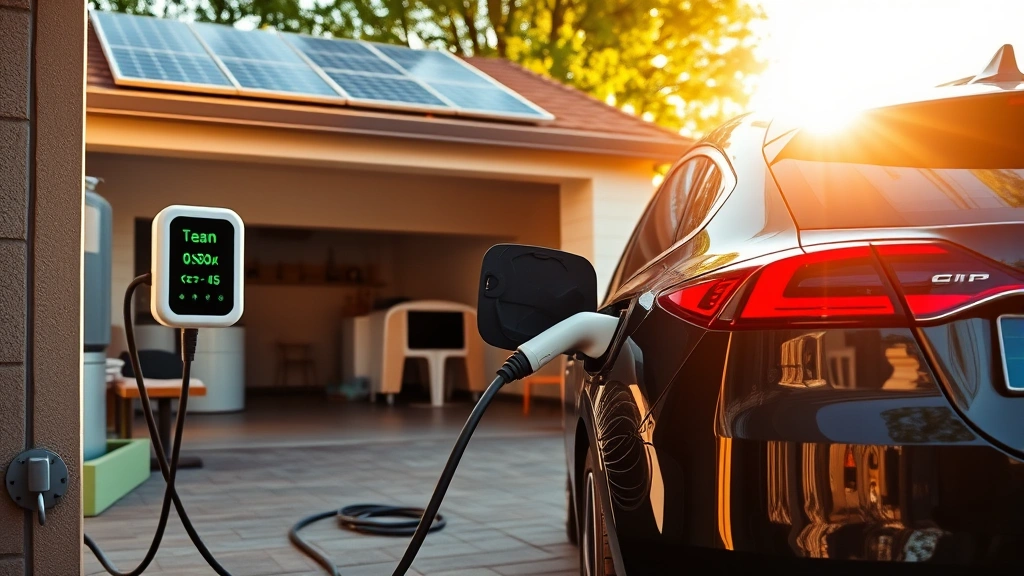
Electric vehicles powered by renewable electricity offer transformative environmental benefits. According to research from the International Energy Agency, electric vehicles produce 50-70% fewer lifecycle emissions than comparable gasoline vehicles, even when accounting for battery manufacturing and grid electricity sources. In regions with high renewable energy penetration, this advantage expands to 80-90% emission reductions. Electric pickup trucks now available from major manufacturers provide comparable capability to traditional gas rangers while eliminating direct emissions and significantly reducing operational costs.
The environmental advantage of electric vehicles continues improving as electricity grids transition toward renewable sources. A vehicle purchased today will benefit from increasingly clean electricity throughout its operational lifetime, making electric choices progressively better over time. Battery recycling programs now ensure that end-of-life batteries are recovered and reused, further reducing the environmental impact of electric vehicle production. Learn more about advantages of electric vehicles to understand how this technology transforms personal transportation sustainability.
For those requiring truck capabilities traditionally associated with gas rangers, electric alternatives now deliver equivalent torque, towing capacity, and range. The Ford F-150 Lightning, Chevrolet Silverado EV, and other electric trucks demonstrate that performance and sustainability are no longer mutually exclusive. These vehicles typically offer 200-300 miles of range per charge, sufficient for most daily driving needs while enabling convenient overnight charging at home.
Lifecycle Emissions and Manufacturing Impact
A complete environmental analysis must account for lifecycle emissions from manufacturing through end-of-life recycling, not merely operational use. Electric appliances and vehicles carry higher upfront manufacturing emissions due to battery production and more complex electrical systems. However, this manufacturing carbon debt is typically repaid within 1-3 years of operation through reduced operational emissions, after which the environmental advantage continues accumulating throughout the product’s lifespan.
Battery manufacturing represents the most carbon-intensive phase of electric vehicle and appliance production. Modern lithium-ion battery production generates approximately 50-60 kg of CO2 per kilowatt-hour of capacity. However, battery technology continues advancing, with manufacturers implementing more efficient production processes and renewable energy-powered facilities. Additionally, second-life battery applications in stationary energy storage systems extend battery utility beyond vehicle use, amortizing manufacturing emissions across multiple applications.
Gas appliance manufacturing carries lower upfront emissions but accumulates operational emissions throughout the product’s life. A gas furnace manufactured with relatively low carbon impact operates for 15-20 years, continuously emitting CO2 and contributing to climate change. Over this lifespan, the gas furnace typically produces 60-120 tons of CO2, dwarfing its manufacturing emissions. In contrast, an electric heat pump manufactured with higher upfront carbon intensity produces only 30-50 tons of CO2 over an equivalent lifespan when powered by an average U.S. electricity grid, with emissions declining further as grids decarbonize.
Understanding lifecycle analysis helps contextualize the true environmental cost of product choices. Organizations like the Carbon Trust provide comprehensive lifecycle assessment methodologies that enable detailed comparison of product environmental impacts. By considering full lifecycle implications rather than just point-of-use emissions, consumers can make decisions that genuinely reduce their environmental footprints.
Cost Analysis and Long-Term Savings
While environmental considerations should drive sustainability decisions, economic factors often determine what’s practically achievable for households. The cost comparison between gas and electric options has shifted dramatically in recent years, with electric technologies becoming increasingly economical. Electric heat pumps now offer lower total cost of ownership than gas furnaces when accounting for installation, operational, and maintenance expenses over 15-20 year lifecycles.
Electricity rates vary significantly by region and time of use, while natural gas prices fluctuate based on global markets and supply dynamics. In many regions, electricity costs per unit of heat delivered are now competitive with or lower than gas costs, particularly when heat pump efficiency is considered. Additionally, electric appliances typically require less maintenance than gas systems, which need annual inspections, cleaning, and occasional repairs to combustion components.
Government incentives increasingly favor electrification, with federal tax credits, state rebates, and utility programs offsetting initial purchase price premiums. The U.S. Inflation Reduction Act provides substantial tax credits for electric vehicle purchases, heat pump installation, and induction cooktop upgrades, dramatically improving the economic case for electrification. When combining multiple electrification measures—such as transitioning to electric heating, cooking, and vehicles simultaneously—households often achieve faster payback periods and greater total savings.
Long-term cost projections favor electrification even more strongly. As electricity grids continue adding renewable capacity, electricity costs may stabilize or decline, while fossil fuel prices remain subject to supply disruptions and geopolitical volatility. Electric appliances and vehicles benefit from continuous technological improvements and manufacturing scale, with prices declining as adoption increases. These economic trends align perfectly with environmental imperatives, making electrification a financially prudent choice alongside sustainability benefits.
Regional Considerations and Grid Decarbonization
The environmental advantage of electric options varies significantly based on regional electricity generation sources. Residents in states like California, New York, and Washington, where renewable energy comprises 30-50% of generation, enjoy substantial environmental benefits from electrification. However, even residents in regions with coal-heavy grids benefit from electrification, as power plants operate at higher efficiency than individual combustion appliances, and grid decarbonization benefits all electric consumers immediately.
Grid decarbonization accelerates globally as renewable energy costs continue declining and climate policies mandate emissions reductions. The U.S. grid composition has shifted dramatically over the past decade, with renewable energy increasing from 8% to over 20% of total generation. This trend accelerates as aging coal plants retire and new solar and wind capacity comes online. Choosing electric appliances today means benefiting from this grid decarbonization automatically—as the grid becomes cleaner, your electric appliances produce fewer emissions without any additional action required.
Regional utility companies increasingly offer time-of-use rates that reward charging electric vehicles and operating appliances during renewable energy peaks. By charging vehicles when solar generation peaks midday or wind generation peaks overnight, households can minimize operational emissions while accessing lower electricity rates. Smart home technologies enable automatic scheduling of water heater and vehicle charging to coincide with cleanest grid hours, optimizing both environmental and economic outcomes.
For comprehensive information about your region’s electricity sources and decarbonization plans, consult your utility provider’s integrated resource plan. These documents outline how utilities plan to meet future electricity demand while meeting climate targets. Understanding your region’s energy future helps inform long-term appliance and vehicle purchasing decisions. Explore green technology innovations reshaping energy landscapes to understand emerging solutions benefiting your region.
Making Your Decision: Gas vs Electric
After analyzing environmental, economic, and practical factors, most households benefit from transitioning toward electric appliances and vehicles. The environmental case for electrification strengthens continuously as electricity grids incorporate more renewable energy and battery technology improves. Even in regions with carbon-heavy electricity grids, electric options typically produce fewer lifecycle emissions than gas alternatives within 2-3 years of operation.
Start electrification with the highest-impact decisions: replacing aging gas furnaces with heat pumps, transitioning to electric vehicles for daily transportation, and upgrading kitchen appliances when replacement becomes necessary. These sequential changes spread costs across multiple years while maximizing cumulative environmental benefits. Combining electrification with efficiency improvements—such as insulation upgrades, weatherization, and smart controls—amplifies environmental gains and accelerates financial payback periods.
Visit SustainWise Hub Blog for ongoing updates about electrification technologies, incentive programs, and sustainability strategies. Explore detailed guides on specific technologies and implementation approaches that align with your household’s unique circumstances and sustainability goals.
FAQ
Is electric always greener than gas?
Electric appliances powered by renewable electricity are definitively greener than gas alternatives. However, in regions with coal-heavy electricity grids, the environmental advantage narrows but typically persists when accounting for full lifecycle emissions. As grids continue decarbonizing globally, electric options become progressively greener over time, making them future-proof investments.
What about natural gas being a transition fuel?
While natural gas produces fewer emissions than coal, it remains a fossil fuel contributing to climate change. Climate science indicates that limiting warming requires rapid transitions away from all fossil fuels, not gradual shifts between different fossil fuel sources. Electrification powered by renewables represents the necessary long-term strategy rather than extended reliance on natural gas.
Are electric vehicles really more efficient than gas vehicles?
Yes, electric vehicles are significantly more efficient. Even accounting for electricity generation losses, electric vehicles convert 77% of electrical energy to propulsion compared to only 12-30% efficiency for gasoline engines. This fundamental physics advantage means electric vehicles require substantially less energy to travel equivalent distances.
What’s the true cost of switching to electric?
Initial purchase prices for electric appliances and vehicles often exceed gas alternatives, but total cost of ownership typically favors electric options when accounting for operational savings, reduced maintenance, and available incentives. Federal tax credits now substantially offset purchase price premiums, with additional rebates available from many states and utilities.
How long do electric vehicle batteries last?
Modern electric vehicle batteries retain 80-90% of original capacity after 8-10 years and 200,000+ miles of driving. Most manufacturers warranty batteries for 8 years or 100,000 miles, with many vehicles operating reliably for 15+ years. Battery degradation occurs gradually, and second-life applications extend battery utility significantly beyond vehicle use.
Can I charge an electric vehicle at home?
Yes, most electric vehicles can be charged at home using standard outlets, though dedicated 240-volt charging stations dramatically reduce charging time. Home charging typically occurs overnight, minimizing the need for public charging infrastructure for most daily driving patterns.


