Gas Generators vs. Solar: Energy Expert Analysis
The choice between a gas generator and solar energy represents one of the most significant decisions homeowners and businesses face when seeking reliable power solutions. As energy demands grow and environmental concerns intensify, understanding the fundamental differences between these two power sources becomes essential for making an informed decision that aligns with both your immediate needs and long-term sustainability goals.
This comprehensive analysis examines the technical specifications, economic implications, environmental impact, and practical applications of both gas generators and solar energy systems. Whether you’re preparing for emergencies, seeking off-grid independence, or simply exploring cost-effective energy alternatives, this guide provides the expert insights needed to evaluate which technology best serves your situation.
Understanding Gas Generators: How They Work
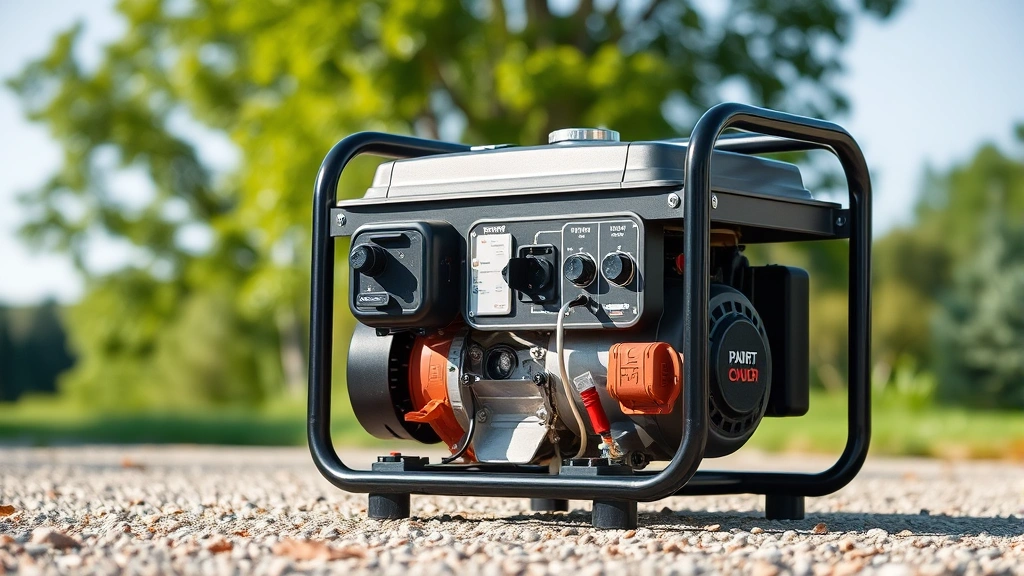
A gas generator is a mechanical device that converts chemical energy from gasoline or propane into electrical energy through internal combustion. The engine burns fuel to create controlled explosions that move pistons, which drive an alternator that generates electricity. This straightforward mechanical process has remained largely unchanged for decades, making gas generators a familiar and accessible backup power solution for millions of users worldwide.
Gas generators come in various sizes, from small portable units producing 1,000 watts to industrial-scale models generating over 100,000 watts. Portable models are ideal for camping, construction sites, and emergency backup, while larger stationary units provide whole-home or commercial facility power. The immediate availability of fuel and the ability to generate power on-demand make gas generators particularly valuable during extended power outages when other energy sources may be unavailable.
Understanding the mechanics of gas generators helps explain their advantages in emergency situations. Unlike renewable energy sources dependent on weather conditions, a gas generator produces electricity whenever fuel is available and the engine is running. This reliability has made gas generators the traditional choice for disaster preparedness and backup power applications across residential and commercial sectors.
Solar Energy Systems Explained
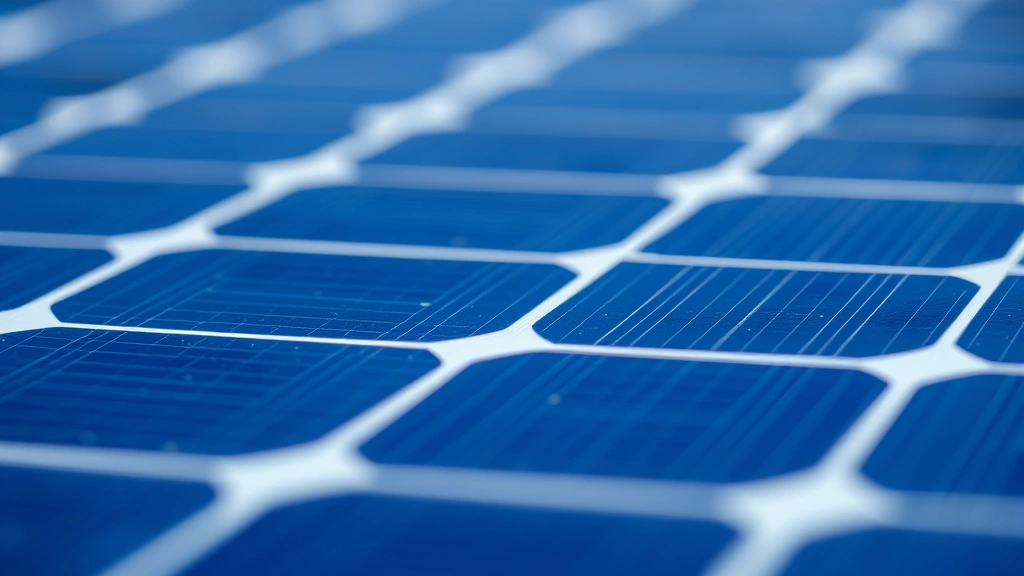
Solar photovoltaic (PV) systems convert sunlight directly into electricity through the photovoltaic effect, where photons from sunlight knock electrons loose from atoms, creating an electrical current. Modern solar panels consist of silicon cells arranged in a grid pattern, with each cell capable of generating electricity from sunlight. An inverter converts the direct current (DC) electricity produced by panels into alternating current (AC) electricity compatible with standard electrical appliances and grid systems.
A complete solar energy system includes photovoltaic panels, an inverter, mounting hardware, wiring, and often a battery storage system for nighttime or cloudy day usage. Grid-tied systems connect to the utility grid, allowing homeowners to draw power when solar production is insufficient and sell excess power back to the grid. Off-grid systems include battery banks for energy storage, providing complete independence from utility companies. Hybrid systems combine solar generation with battery storage and sometimes supplementary power sources like gas generators.
Solar technology has advanced dramatically over the past decade, with efficiency ratings improving from 15% to over 22% for premium residential panels. The scalability of solar systems allows installation ranging from small rooftop arrays on residential homes to massive utility-scale solar farms spanning thousands of acres. As sustainable energy solutions become increasingly important, solar technology continues to dominate discussions about renewable power generation.
Cost Comparison: Initial Investment and Long-term Expenses
Gas Generator Costs: Portable gas generators range from $500 to $5,000, while standby units designed for whole-home backup cost $10,000 to $20,000 including installation. Additional expenses include fuel storage, regular maintenance, oil changes, filter replacements, and eventual engine overhauls. Operating costs depend on fuel consumption, which varies by load and generator efficiency, but typically ranges from $0.15 to $0.50 per kilowatt-hour when accounting for fuel prices and maintenance.
Solar System Costs: Residential solar installations cost $2.50 to $3.50 per watt after accounting for equipment, labor, and permitting. A typical 6-kilowatt system costs $15,000 to $21,000 before incentives, though federal tax credits currently cover 30% of installation costs. Battery storage adds $10,000 to $15,000 for a 10-kilowatt-hour capacity system. Operating costs are minimal after installation, with maintenance limited to occasional panel cleaning and inverter servicing.
Long-term Financial Analysis: Over a 25-year period, gas generators require substantial ongoing fuel and maintenance expenses. A household using 10,000 kilowatt-hours annually would spend approximately $1,500 to $5,000 yearly on fuel and maintenance, totaling $37,500 to $125,000 over 25 years. In contrast, solar systems generate electricity at decreasing costs once installed, with total operating expenses typically under $5,000 over their 25-year lifespan. When factoring in utility bill reductions and potential incentives, solar systems often achieve payback periods of 5 to 8 years in most U.S. markets.
Financial modeling becomes more favorable for solar when considering electricity price escalation. As utility rates increase annually, solar systems provide increasingly valuable protection against rising energy costs. Many solar installations produce electricity at rates lower than future utility rates, making the long-term economic advantage strongly favor solar technology.

” alt=”Solar panels installed on residential home rooftop with clear blue sky background, modern installation with white mounting hardware visible”>
Environmental Impact Analysis
Gas generators produce multiple environmental consequences that extend beyond direct emissions. Burning one gallon of gasoline releases approximately 20 pounds of carbon dioxide, contributing directly to climate change. A typical portable generator running 8 hours daily produces roughly 5 tons of CO2 annually, equivalent to the annual carbon sequestration of 80 mature trees. This carbon footprint increases significantly for larger standby units powering entire homes or commercial facilities.
Beyond carbon emissions, gas generators produce nitrogen oxides (NOx), particulate matter (PM), and volatile organic compounds (VOCs) that contribute to ground-level ozone formation and respiratory health problems. The EPA air quality standards increasingly restrict generator emissions, particularly in urban areas and regions with poor air quality. Fuel storage also presents environmental risks, with gasoline spills contaminating soil and groundwater, and improper disposal of used oil creating persistent environmental damage.
Solar energy systems produce zero operational emissions throughout their 25-30 year lifespan. While manufacturing solar panels requires energy and involves some chemical processes, lifecycle analysis demonstrates that a typical solar panel generates sufficient clean electricity to offset its manufacturing energy within 3-4 years of operation. After this payback period, all electricity produced represents net environmental benefit. Recycling programs increasingly recover 95% of glass and 85% of semiconductor materials from end-of-life panels, further reducing environmental impact.
For those committed to reducing your environmental footprint, solar energy aligns with comprehensive sustainability strategies far better than fossil fuel-dependent generators. The environmental advantage extends beyond carbon emissions to include air quality improvements, water conservation, and ecosystem protection.
Research from the National Renewable Energy Laboratory confirms that solar photovoltaic systems deliver energy return on investment (EROI) ratios exceeding 20:1, meaning they generate 20 times more energy than required for their manufacture and installation.
Performance and Reliability Factors
Gas Generator Performance: Gas generators deliver immediate power whenever the engine runs, making them exceptionally reliable for emergency backup applications. They maintain consistent output regardless of weather conditions, time of day, or seasonal variations. However, they require fuel availability and produce noise levels typically between 70-100 decibels depending on model size and distance. This noise pollution affects neighbors and can be problematic in residential areas, particularly during extended outages.
Generator output degrades over time as engines age, and cold weather reduces fuel efficiency and starting reliability. Extended storage without running can result in fuel degradation and carburetor issues. Reliability depends heavily on maintenance quality and fuel freshness, with neglected units potentially failing precisely when most needed during emergencies.
Solar System Performance: Solar systems generate electricity proportional to available sunlight, producing maximum output during clear, sunny days and reduced output during cloudy weather or winter months. Geographic location significantly affects performance, with southern regions receiving 30-40% more annual solar radiation than northern areas. Battery storage systems compensate for daily and seasonal variations, though they add complexity and expense.
Solar panels demonstrate exceptional longevity, with most modern panels maintaining 90% output after 10 years and 80% output after 25 years. Unlike mechanical systems, solar panels have no moving parts and require minimal maintenance beyond occasional cleaning. They operate silently, produce no emissions, and require no fuel or lubrication. Performance degradation occurs gradually and predictably, allowing for accurate long-term energy production forecasting.
Grid-tied solar systems provide exceptional reliability by drawing utility power when solar production is insufficient, eliminating the need for battery storage. This configuration offers the best of both worlds: clean energy generation during sunny periods with automatic backup from the grid during cloudy weather or nighttime hours.
For energy efficiency at home, solar systems provide superior long-term performance compared to fossil fuel alternatives.
” alt=”Close-up of solar panel surface showing individual cells with morning dew drops, blue sky reflection visible on glass surface”>
Maintenance Requirements and Lifespan
Gas Generator Maintenance: Regular maintenance is essential for gas generator reliability. Oil changes are required every 50-200 hours of operation, depending on model specifications. Air filter cleaning or replacement typically occurs every 50-100 hours. Spark plugs require replacement annually or every 100-200 hours. Fuel stabilizer must be added if storage exceeds 30 days, and complete fuel system flushing is recommended annually for units in storage.
Carburetor cleaning becomes necessary when generators sit unused for extended periods, often requiring professional service. Battery replacement typically occurs every 3-5 years. Major overhauls become necessary after 10,000-15,000 operating hours, potentially costing $1,500-$3,000. Total maintenance costs can exceed $500 annually for regularly used units, with emergency repairs potentially costing several thousand dollars.
The typical lifespan of a well-maintained gas generator ranges from 10-20 years, though heavy usage accelerates wear. Portable models often have shorter lifespans than stationary units due to increased stress from movement and variable operating conditions.
Solar System Maintenance: Solar panels require minimal maintenance, primarily periodic cleaning to remove dust, pollen, and debris that reduces light transmission. In areas with regular rainfall, natural cleaning may be sufficient. Professional cleaning costs $150-$300 annually if desired, though many homeowners find DIY cleaning adequate. Inverters typically require replacement after 10-15 years, costing $1,500-$3,000 depending on system size.
Battery systems require occasional monitoring and maintenance, with lithium-ion batteries requiring minimal intervention beyond temperature monitoring. Lead-acid batteries need more frequent maintenance including water level checks and terminal cleaning. Modern battery management systems automate many maintenance tasks, reducing required intervention.
Solar panels typically last 25-30 years with 80%+ of original capacity remaining. The overall system lifespan often exceeds 40 years when accounting for component replacement. This extended lifespan dramatically reduces the per-year cost of solar energy compared to gas generators requiring replacement every 15-20 years.
Hybrid Solutions: Combining Both Technologies
Hybrid energy systems combine gas generators with solar panels and battery storage, offering the advantages of both technologies while mitigating individual limitations. This approach provides clean energy generation during sunny periods, battery storage for cloudy days and nighttime, and gas generator backup for extended periods of poor weather or emergencies.
Hybrid systems are particularly valuable in remote locations with unreliable utility connections, where complete reliance on solar alone might prove insufficient during extended cloudy periods. The gas generator runs only when necessary, dramatically reducing fuel consumption and operating costs compared to gas-only backup systems. Many hybrid systems operate generators for only 5-10% of annual hours, making them far more economical than traditional backup generators.
Smart hybrid controllers optimize energy flow automatically, prioritizing solar generation, then battery discharge, then generator activation based on demand and availability. This intelligent management maximizes renewable energy utilization while minimizing fossil fuel consumption and operating costs. For those seeking maximum flexibility and resilience, hybrid systems represent the optimal solution combining reliability with environmental responsibility.
Implementing green technology innovations through hybrid systems allows users to benefit from established gas generator reliability while progressively transitioning toward renewable energy independence.
Choosing the Right Solution for Your Needs
Choose a Gas Generator If:
- You need immediate, portable backup power for camping, construction, or short-term emergencies
- Your budget is severely limited and you need power only occasionally
- You live in an area with insufficient sunlight or limited roof space for solar installation
- You require consistent power output regardless of weather conditions for critical applications
- You operate in remote locations without grid connection where solar alone proves insufficient
Choose Solar Energy If:
- You want to reduce long-term energy costs and utility bill dependency
- You’re committed to environmental sustainability and reducing carbon emissions
- You have adequate roof space or land area for panel installation
- You live in a region with good solar resources and support for renewable energy
- You want minimal maintenance requirements and maximum system longevity
- You value the silent, emission-free operation and energy independence
Choose a Hybrid System If:
- You want maximum energy independence with emergency backup reliability
- You seek to minimize fossil fuel consumption while maintaining complete backup capabilities
- You live in an area with variable weather or seasonal solar production variations
- You’re willing to invest in a comprehensive solution that optimizes all available energy resources
- You want to progressively transition toward complete renewable energy independence
Understanding your specific situation, location, budget, and long-term goals is essential for making the optimal choice. Consulting with qualified solar installers and energy professionals can provide site-specific analysis and recommendations tailored to your circumstances.
For comprehensive guidance on energy decisions, explore principles of sustainability and how they apply to your energy choices. Additionally, understanding advantages of electric vehicles provides insight into broader renewable energy adoption trends affecting residential energy systems.
FAQ
How much does a residential solar system cost compared to a gas generator?
A typical 6-kilowatt residential solar system costs $15,000-$21,000 before incentives, while a whole-home gas generator costs $10,000-$20,000. However, solar systems provide 25-30 years of electricity generation, while gas generators require replacement every 15-20 years. When accounting for fuel, maintenance, and replacement costs over 25 years, solar systems typically cost 60-70% less than gas generators.
Can solar panels work during cloudy weather?
Yes, solar panels generate electricity during cloudy weather, though at reduced levels—typically 25-50% of clear-day output depending on cloud density. Modern panels have improved low-light performance, and battery storage systems compensate for reduced production during extended cloudy periods. Grid-tied systems eliminate weather concerns by automatically drawing utility power when solar production is insufficient.
What is the environmental impact of manufacturing solar panels?
Solar panel manufacturing requires energy and involves chemical processing, but lifecycle analysis demonstrates that a typical panel generates sufficient clean electricity to offset its manufacturing energy within 3-4 years. Over its 25-30 year lifespan, a panel generates approximately 20 times more energy than required for its manufacture, making the net environmental benefit substantial. Recycling programs recover 95% of glass and 85% of semiconductor materials from end-of-life panels.
How long do gas generators typically last?
Well-maintained gas generators typically last 10-20 years, with lifespan depending on usage intensity, maintenance quality, and storage conditions. Heavy-duty commercial units may last longer with proper care, while portable generators often have shorter lifespans due to increased stress. Major overhauls become necessary after 10,000-15,000 operating hours, often making replacement more economical than repair for older units.
Is a hybrid system worth the investment?
Hybrid systems combining solar, battery storage, and gas generators are worth the investment for those seeking maximum energy independence and reliability. While initial costs are higher than single-technology systems, hybrid systems minimize fossil fuel consumption by operating generators only during emergencies or extended poor weather. Long-term operating costs are significantly lower than gas-only systems, and the combination of technologies provides exceptional resilience and flexibility.
What government incentives are available for solar installation?
The federal Investment Tax Credit (ITC) currently covers 30% of solar installation costs for residential systems. Many states offer additional incentives including rebates, tax credits, and performance-based incentives. Some utilities provide net metering programs allowing homeowners to sell excess solar electricity back to the grid at retail rates. Availability and amounts vary significantly by location, making it important to research local programs.
How often should solar panels be cleaned?
Solar panels require cleaning only when dust, pollen, or debris accumulates sufficiently to reduce light transmission. In areas with regular rainfall, natural cleaning may be adequate. Professional cleaning costs $150-$300 annually if desired, though many homeowners find periodic DIY cleaning sufficient. Most experts recommend cleaning annually or semi-annually depending on local conditions and panel tilt angle.


