Are Gulf Gas Stations Eco-Friendly? Expert Insight into Sustainability Practices
Gulf Oil has long been a recognizable name at fuel pumps across multiple continents, but in an era of climate consciousness and environmental urgency, consumers increasingly question whether traditional gas stations align with eco-friendly values. The petroleum industry faces mounting pressure to adopt sustainable practices, and Gulf is no exception. Understanding the environmental impact of Gulf gas stations requires examining their current initiatives, operational standards, and how they compare to industry benchmarks for ecological responsibility.
As global carbon emissions continue to accelerate climate change, the transportation sector remains one of the largest contributors to greenhouse gas pollution. Gas stations like Gulf serve as critical infrastructure points where millions of drivers refuel daily, making their environmental practices significant. This comprehensive analysis explores Gulf’s sustainability efforts, their eco-friendly credentials, and what conscious consumers should know when making refueling decisions.
Gulf Oil’s Environmental Initiatives and Commitments
Gulf Oil, owned by Hinduja Group, has made various declarations regarding environmental responsibility, though transparency about specific sustainability metrics remains inconsistent. The company operates in multiple markets across Europe, Asia, and Africa, with different regulatory requirements shaping their environmental practices in each region. Understanding their commitments requires examining both official statements and third-party assessments.
The company has invested in sustainable energy solutions within their operations, including efforts to reduce carbon footprints at fuel distribution centers. However, critics note that Gulf’s public sustainability reporting lacks the comprehensive detail found in major international oil companies’ environmental disclosures. The company has committed to improving fuel efficiency standards and reducing operational emissions, though specific timelines and measurable targets require closer examination.
Gulf has implemented digital initiatives aimed at optimizing logistics and reducing transportation-related emissions in their supply chain. Their fuel delivery systems utilize route optimization technology to minimize unnecessary vehicle miles. Additionally, Gulf stations in certain markets have begun exploring partnerships with renewable energy providers, though widespread adoption remains limited compared to industry leaders investing heavily in alternative fuel infrastructure.
A critical consideration involves Gulf’s parent company’s broader environmental record. The Hinduja Group operates across diverse industries, and their energy division’s sustainability performance reflects a mixed commitment to ecological responsibility. While the company acknowledges climate concerns, their investment in renewable energy infrastructure remains proportionally smaller than major competitors actively transitioning toward cleaner energy portfolios.
Fuel Quality and Emission Standards
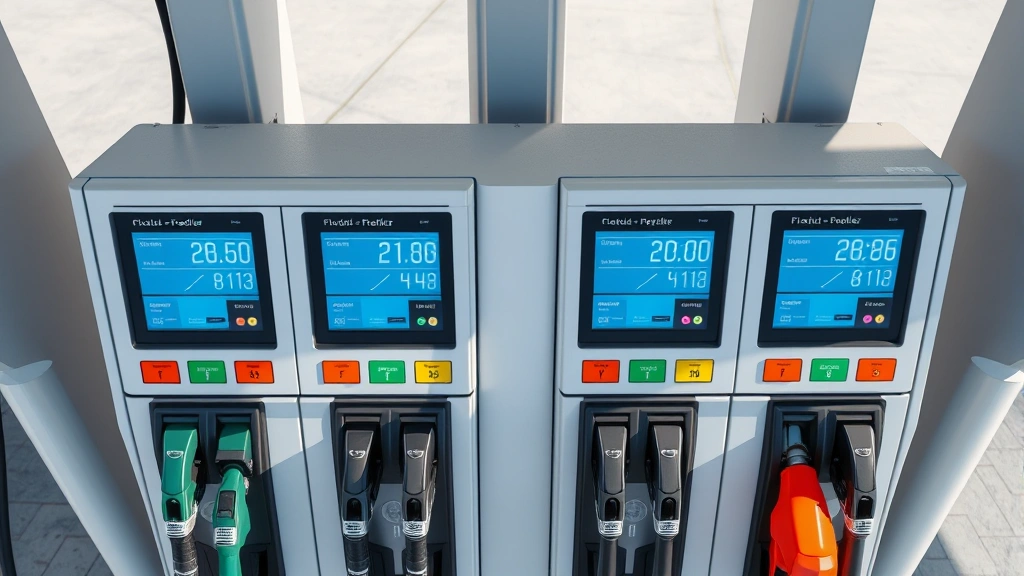
The quality of gasoline and diesel sold at Gulf stations directly impacts vehicle emissions and environmental outcomes. Gulf offers fuel formulations designed to meet or exceed regulatory standards in their operating markets, including compliance with European and international emission specifications. Their fuel additives aim to reduce engine deposits and improve combustion efficiency, theoretically lowering tailpipe emissions.
Gulf’s premium fuel options contain detergents that help maintain fuel injector cleanliness, potentially improving fuel economy and reducing emissions over time. However, independent testing by consumer organizations reveals that fuel quality varies across different Gulf station locations, suggesting inconsistent quality control standards. This variability affects the environmental benefits consumers receive when choosing Gulf fuel.
Meeting Euro 6 standards in European markets and similar emission regulations globally represents Gulf’s baseline environmental commitment. These standards mandate sulfur content limits and other chemical specifications designed to reduce harmful pollutants. Yet compliance with minimum standards differs significantly from proactive innovation in cleaner fuel development. Gulf has not prominently invested in biofuel blending programs or advanced synthetic fuel research compared to some competitors.
The environmental impact of fuel extends beyond the pump. Gulf’s refining processes determine overall carbon intensity and emissions throughout the fuel lifecycle. While the company operates refineries meeting modern environmental standards, their carbon intensity per unit of fuel produced reportedly remains comparable to industry averages rather than leading the sustainability curve. This suggests room for substantial improvement in refining operations and process optimization.
Station Infrastructure and Operational Sustainability
Individual Gulf gas station locations exhibit varying degrees of environmental responsibility based on local regulations, ownership structures, and franchise commitments. Many Gulf stations operate as franchises, creating inconsistency in sustainability practices across the network. Some stations have implemented water recycling systems, LED lighting upgrades, and improved waste management protocols, while others maintain older infrastructure with higher environmental footprints.
Environmental concerns at gas stations extend beyond fuel sales to include facility operations, waste management, and potential soil contamination risks. Gulf stations are required to maintain proper underground storage tank systems preventing fuel leaks, but enforcement and compliance rates vary by jurisdiction. Responsible station operators implement secondary containment systems, regular tank inspections, and prompt remediation procedures for any spills or contamination.
Stormwater management represents another critical sustainability aspect. Modern Gulf stations increasingly incorporate permeable paving surfaces and bioswales that filter runoff before it enters groundwater systems. However, older stations may lack these features, allowing contaminated water to seep into soil and aquifers. Progressive franchise owners have invested in these upgrades, demonstrating that station-level improvements are technically feasible and increasingly necessary.
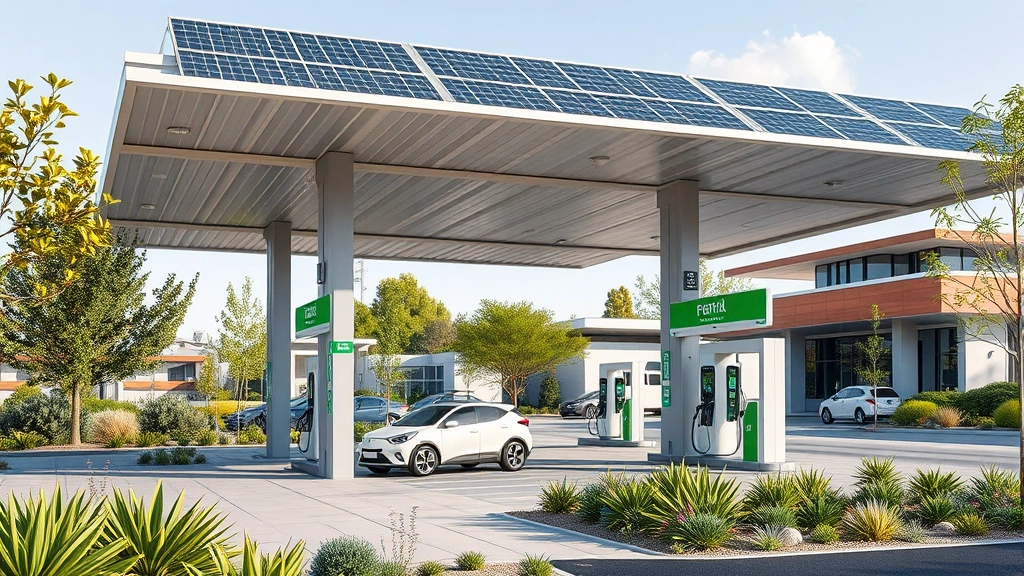
Energy consumption at Gulf stations for lighting, air conditioning, and convenience store operations contributes to their overall environmental impact. Stations implementing energy-efficient technologies reduce operational emissions significantly. Solar panel installations on station canopies represent an emerging trend, though adoption rates remain low across Gulf’s network. LED lighting systems and high-efficiency HVAC equipment can reduce energy consumption by 30-50%, yet many stations have not prioritized these upgrades.
Comparison with Competing Gas Station Brands
Evaluating Gulf’s eco-friendliness requires context comparing their practices to competitors. Major brands like Shell, BP, and ExxonMobil have published more detailed sustainability reports, set specific carbon reduction targets, and invested more substantially in renewable energy infrastructure. Shell and BP operate electric vehicle charging networks at thousands of stations, while Gulf’s EV charging presence remains minimal in most markets.
European competitors like OMV and Repsol have committed to specific emissions reduction timelines and increased renewable fuel blending percentages. These companies publish annual sustainability reports meeting Global Reporting Initiative standards, providing transparency Gulf has not matched comprehensively. The disparity suggests Gulf lags in environmental accountability and public commitment to measurable sustainability goals.
However, Gulf’s pricing structure and regional focus create different competitive dynamics than global oil majors. In markets where Gulf operates, they often compete against smaller regional brands with even weaker environmental credentials. Compared to these operators, Gulf’s infrastructure and standards represent moderate environmental responsibility. The critical question involves whether moderate compliance with existing regulations constitutes genuine eco-friendliness or merely meeting baseline legal requirements.
Industry analysts note that true environmental leadership requires going beyond regulatory compliance to invest proactively in cleaner technologies and renewable alternatives. Gulf’s current positioning suggests they follow regulatory changes rather than drive industry innovation toward sustainability. This reactive approach contrasts with companies actively developing hydrogen fuel infrastructure, expanding biofuel capabilities, and transitioning toward carbon-neutral operations.
Supporting Alternative Energy at Gulf Stations
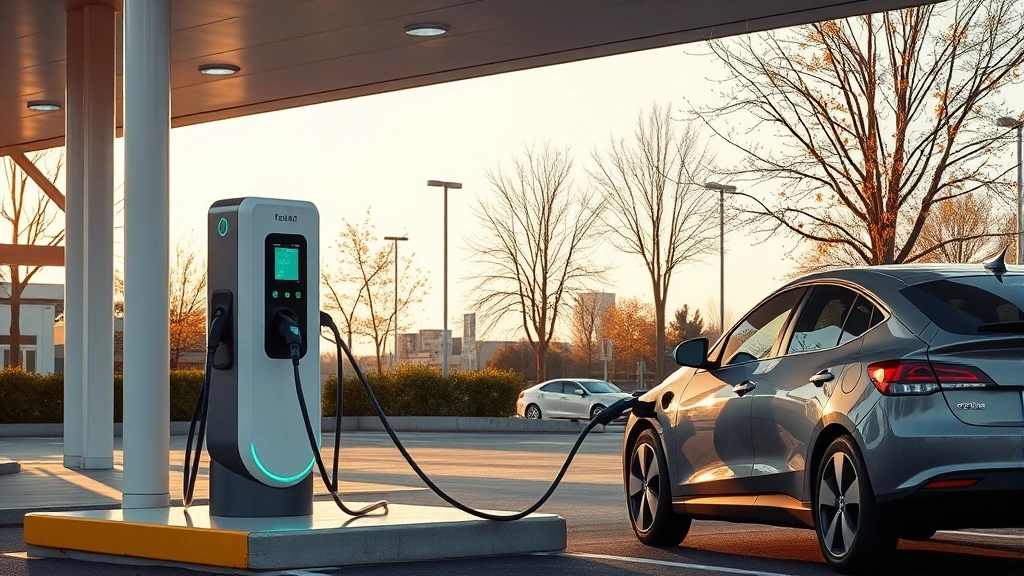
The transition toward sustainable transportation depends partly on infrastructure supporting advantages of electric vehicles and alternative fuels. Gulf’s participation in this transition remains limited compared to industry leaders. While some Gulf stations have begun installing EV charging stations in select markets, the network remains fragmented and insufficient for meaningful climate impact.
Electric vehicle charging availability represents a crucial sustainability metric for gas stations adapting to changing transportation patterns. Gulf has announced intentions to expand EV charging infrastructure, particularly in European markets where regulatory pressure and consumer demand drive adoption. However, implementation timelines and investment levels suggest this represents a secondary business focus rather than a core strategic commitment.
Biofuel blending at Gulf stations occurs in regulated markets where government mandates require minimum renewable fuel percentages. In the EU, for example, fuel suppliers must incorporate increasing percentages of biofuels, and Gulf complies with these requirements. However, voluntary biofuel blending beyond regulatory minimums remains uncommon at Gulf stations, indicating limited proactive commitment to renewable fuel promotion.
Hydrogen fuel infrastructure development represents the next frontier in sustainable transportation, yet Gulf has not prominently invested in hydrogen refueling station development. This contrasts with companies like Shell and Total, which have partnered in hydrogen infrastructure projects. Gulf’s absence from this emerging market suggests they may be betting on continued petroleum dominance rather than genuinely transitioning toward post-carbon energy systems.
Consumer Actions for Greener Refueling
While evaluating whether Gulf gas stations are eco-friendly, consumers should recognize their own agency in making sustainable transportation choices. Refueling decisions represent just one component of broader environmental responsibility. Understanding the principles of sustainability helps contextualize how fuel choices fit into comprehensive lifestyle decisions.
Conscious consumers can prioritize refueling efficiency by maintaining proper tire pressure, reducing vehicle weight, and avoiding aggressive acceleration patterns that increase fuel consumption. These behavioral modifications reduce emissions regardless of which gas station brand they patronize. Additionally, consolidating trips and utilizing alternative transportation methods like public transit, cycling, or carpooling reduces overall fuel demand and associated environmental impacts.
When choosing between fuel brands, consumers should research individual station operator practices and environmental commitments. Some Gulf franchise owners have implemented exemplary sustainability practices, while others maintain minimal environmental standards. Contacting station operators directly about their sustainability initiatives encourages accountability and rewards responsible operators with customer loyalty.
For consumers genuinely committed to reducing transportation-related emissions, transitioning toward electric vehicles represents the most impactful choice. While current EV charging infrastructure at Gulf stations remains limited, investing in electric transportation aligns with long-term climate goals more effectively than optimizing gasoline consumption. Understanding the how to reduce your environmental footprint involves recognizing which changes deliver meaningful climate benefits.
Advocating for improved sustainability standards at gas stations creates market pressure encouraging environmental innovation. Consumers can support policy initiatives requiring EV charging infrastructure at fuel retailers, mandate carbon accounting transparency, and incentivize renewable fuel availability. Collective consumer demand has historically driven corporate environmental improvements when individual purchasing decisions align with broader advocacy efforts.
Researching green technology innovations helps consumers stay informed about emerging sustainable transportation options. As battery technology improves, EV charging networks expand, and alternative fuel infrastructure develops, transportation choices increasingly support environmental sustainability. Gulf and other gas stations will adapt their business models in response to these technological shifts and changing consumer preferences.
FAQ
Does Gulf offer biofuel blending at their stations?
Gulf complies with regulatory biofuel blending mandates in markets where requirements exist, particularly in the European Union. However, they do not typically offer voluntary biofuel blending beyond legal minimums. Consumers should check specific station locations for available biofuel options, as availability varies by market and regulatory environment.
Are Gulf gas stations installing EV charging stations?
Gulf has announced plans to expand electric vehicle charging infrastructure in select markets, particularly Europe. However, current EV charger availability at Gulf stations remains limited compared to major competitors like Shell and BP. Consumers should verify charging availability at specific locations before planning EV charging stops at Gulf stations.
How does Gulf’s environmental record compare to major competitors?
Gulf lags behind major oil companies like Shell, BP, and ExxonMobil in published sustainability commitments, carbon reduction targets, and renewable energy investments. Gulf’s environmental practices generally meet regulatory compliance standards but do not demonstrate industry-leading sustainability innovation. Competitors have more comprehensive renewable fuel programs and electric vehicle infrastructure networks.
What can consumers do to reduce emissions when refueling at Gulf stations?
Consumers can optimize fuel efficiency through proper vehicle maintenance, efficient driving habits, and trip consolidation. More significantly, transitioning toward electric vehicles or alternative transportation methods delivers greater emissions reductions than fuel brand selection. Supporting policies requiring improved sustainability standards at gas stations creates market incentives for environmental improvements.
Is Gulf investing in renewable energy infrastructure?
Gulf has made limited investments in renewable energy infrastructure compared to major competitors. While some stations have begun exploring solar installations and renewable energy partnerships, these initiatives remain inconsistent across their network. The company’s primary business focus remains petroleum distribution rather than renewable energy transition.
How can I find more environmentally responsible fuel options?
Researching fuel retailers’ sustainability practices, checking for third-party environmental certifications, and prioritizing stations offering biofuel blending and EV charging infrastructure supports greener choices. Contacting station operators about their environmental commitments encourages accountability. Ultimately, reducing overall fuel consumption through alternative transportation methods delivers the most significant environmental benefits.


