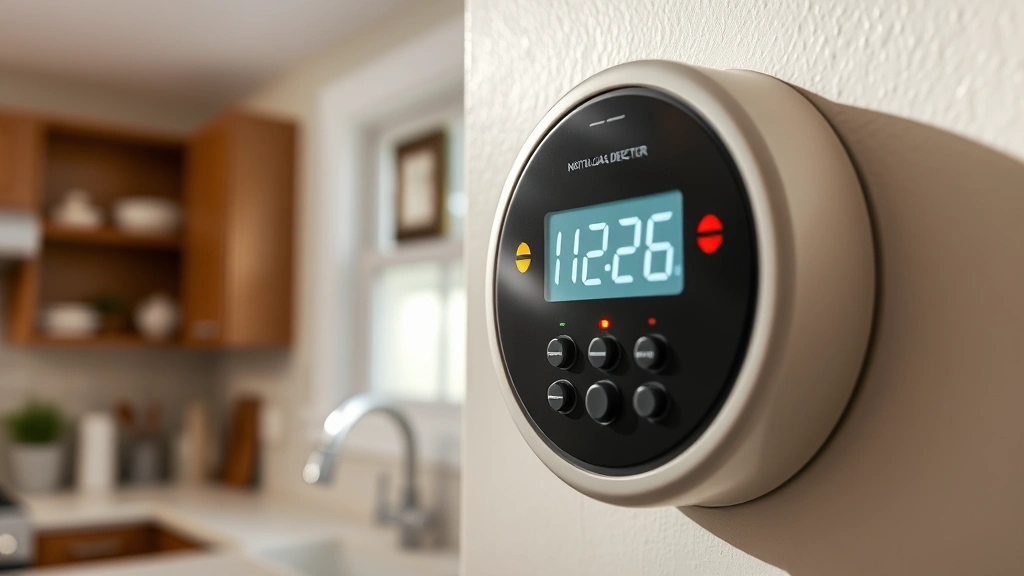
Are Natural Gas Detectors Reliable? Expert Review
Natural gas safety is a critical concern for millions of households and businesses worldwide. A natural gas detector serves as your first line of defense against potentially dangerous leaks that could lead to explosions, carbon monoxide poisoning, or other serious health hazards. But how reliable are these devices, and what should you know before investing in one for your home or workplace?
In this comprehensive guide, we’ll examine the reliability of natural gas detectors, explore the technology behind them, and provide actionable insights to help you make informed decisions about home safety. Understanding these systems is essential for protecting your family and property while maintaining peace of mind about the energy systems you depend on daily.
How Natural Gas Detectors Work
Natural gas detectors operate through sophisticated sensor technology designed to identify the presence of combustible gases in the air. Most modern detectors use catalytic bead sensors or semiconductor-based systems to detect methane, propane, and other hydrocarbon gases commonly used in residential and commercial settings.
The fundamental principle involves a chemical or electrical reaction when gas molecules come into contact with the detector’s sensing element. When gas concentration exceeds a predetermined threshold—typically around 20-25% of the lower explosive limit (LEL)—the detector triggers an alarm to alert occupants. Understanding this mechanism helps explain why proper placement and maintenance are crucial for reliable performance.
As part of broader sustainable energy solutions, natural gas detectors play a vital role in ensuring safe usage of this energy source. While transitioning toward cleaner alternatives remains important, safe gas detection technology bridges the gap during this transition period.
Types of Detection Technology
Several distinct detection technologies power modern natural gas detectors, each with varying levels of reliability and application suitability:
- Catalytic Bead Sensors: These represent the most common technology in residential detectors. Two matched beads—one coated with a catalyst and one as a reference—create a temperature differential when exposed to combustible gases. While cost-effective and proven, they can be affected by environmental factors and require regular calibration.
- Semiconductor Sensors: These detect gas through changes in electrical resistance and respond quickly to gas presence. They’re increasingly popular in modern detectors but may have shorter lifespans than catalytic bead alternatives.
- Electrochemical Sensors: Primarily used for carbon monoxide detection alongside natural gas monitoring, these sensors generate electrical signals proportional to gas concentration. They offer good accuracy but may require more frequent replacement.
- Infrared Sensors: Advanced technology that measures gas concentration by analyzing infrared light absorption. These are highly reliable and resistant to environmental interference, though they cost significantly more than traditional options.
The choice between these technologies depends on your specific needs, budget, and the green technology innovations you’re willing to adopt for enhanced home safety.
Reliability Factors and Performance Standards
Natural gas detector reliability depends on multiple interconnected factors that determine real-world performance. Understanding these elements helps you evaluate whether a specific detector meets your safety requirements.
Certification and Standards Compliance: Reliable detectors must meet stringent safety standards established by organizations like the Consumer Product Safety Commission (CPSC) and Underwriters Laboratories (UL). Look for UL 1211 certification, which indicates the detector has undergone rigorous testing for accuracy, response time, and durability. Detectors meeting these standards demonstrate significantly higher reliability rates than uncertified alternatives.
Response Time: A truly reliable natural gas detector must respond quickly—typically within 10-15 seconds of detecting dangerous gas concentrations. Slower response times can allow hazardous gas accumulation before occupants receive warning, potentially compromising safety.
Sensitivity Thresholds: Quality detectors maintain consistent sensitivity across their operational lifespan. They should detect natural gas at concentrations around 25% LEL, which provides adequate warning while minimizing false alarms. Detectors that drift from these specifications become unreliable and less effective.
Environmental Resilience: Reliable detectors function consistently across varying temperature ranges (-10°C to 50°C), humidity levels, and atmospheric conditions. Detectors that fail in extreme conditions are inherently unreliable for real-world home protection.
Common Failures and Limitations
Despite technological advances, natural gas detectors have documented limitations that users should understand. Recognizing these weaknesses helps you implement comprehensive safety strategies beyond detector reliance alone.
False Alarm Issues: Many detectors trigger false alarms from cooking fumes, aerosol products, or environmental interference. While frustrating, these false alarms indicate the detector is functioning—but frequent false positives can lead to alarm fatigue, where occupants ignore warnings and disable systems.
Dead Battery Problems: Battery-powered detectors frequently fail due to depleted batteries. Studies show that 30-40% of detector failures result from dead or missing batteries, highlighting the importance of regular maintenance schedules and backup power systems.
Sensor Degradation: Catalytic bead sensors gradually lose sensitivity over time, typically requiring replacement every 3-5 years. Many users fail to replace expired detectors, resulting in unreliable protection during critical moments.
Limited Detection Range: Natural gas detectors only function within their immediate vicinity. A detector in your kitchen won’t protect bedrooms or basement areas. Comprehensive home protection requires multiple strategically placed units.
Inability to Detect All Gases: Standard detectors may not effectively identify odorless industrial gases or mixed gas scenarios. Understanding your specific gas supply composition ensures you select appropriate detection technology.
Installation and Placement Best Practices
Even the most reliable detector becomes ineffective with improper installation. Strategic placement dramatically impacts real-world safety outcomes.
Optimal Placement Locations: Install detectors near potential gas sources—kitchens with gas appliances, furnace rooms, and water heater areas require priority placement. Additionally, place detectors in bedrooms and living areas where you spend significant time. Natural gas is slightly lighter than air, so mount detectors at mid-wall height (4-6 feet) rather than near ceilings or floors.
Distance from Appliances: Maintain at least 10-15 feet from gas appliances to minimize false alarms from normal cooking or heating operations. Simultaneously, ensure detectors remain close enough to detect leaks before dangerous concentrations develop.
Avoiding Interference: Keep detectors away from air vents, exhaust fans, and areas with strong air currents that might disperse gas before detection. Humidity-prone areas like bathrooms can interfere with sensor accuracy, so avoid these locations.
Understanding proper placement connects to broader concepts about how to reduce your environmental footprint—by ensuring safe gas usage through reliable detection, you can confidently utilize energy resources while minimizing accident risks.
Maintenance and Testing Requirements
Detector reliability fundamentally depends on consistent maintenance. A neglected detector, regardless of initial quality, becomes an unreliable safety device.
Monthly Testing: Press the test button on each detector monthly to verify alarm functionality. This simple 10-second procedure confirms the detector responds appropriately and alerts occupants effectively. Document these tests to establish maintenance patterns.
Battery Replacement: Replace batteries every 6-12 months, depending on battery type and detector design. Many experts recommend replacing batteries during seasonal time changes, creating an easy-to-remember schedule. Consider using high-capacity batteries for extended performance between replacements.
Professional Inspection: Have HVAC technicians inspect your gas system and detectors during annual furnace maintenance. Professional inspections identify subtle sensor degradation and calibration drift that home testing might miss.
Sensor Replacement: Replace entire detector units every 5-7 years, or according to manufacturer specifications. Sensor degradation occurs gradually and invisibly, making age-based replacement essential for maintaining reliability standards.
Cleaning and Debris Removal: Gently vacuum detector vents monthly to remove dust and debris that can interfere with sensor accuracy. Use a soft brush and avoid compressed air, which might damage internal components.
Comparing Detector Brands and Models
Market research reveals significant reliability variations between detector manufacturers and models. High-reliability brands typically offer superior sensor technology, longer operational lifespans, and better customer support.
Established Manufacturers: Brands with decades of detection technology experience generally produce more reliable detectors. These companies invest heavily in sensor research and quality control, resulting in fewer false alarms and longer functional lifespans.
Smart Detector Options: Modern smart detectors integrate with home automation systems, sending mobile alerts when gas is detected. These advanced models offer enhanced convenience but introduce additional failure points—wireless connectivity issues, app malfunctions, or server problems can compromise reliability.
Combination Detectors: Many modern detectors combine natural gas and carbon monoxide detection in single units. While convenient, combination detectors may sacrifice specialized performance in either category. Evaluate whether separate dedicated detectors better serve your specific safety needs.
Budget Considerations: While price doesn’t always correlate with reliability, extremely inexpensive detectors often lack proper certification and use inferior sensor technology. Mid-range detectors from established manufacturers typically offer the best reliability-to-cost ratio.
Integration with Smart Home Systems
Contemporary natural gas detectors increasingly integrate with smart home platforms, creating interconnected safety networks that enhance reliability through redundancy and real-time monitoring.
Connected Alarm Systems: Smart detectors communicate with central monitoring services, alerting emergency responders immediately when dangerous gas concentrations develop. This integration reduces response times and ensures professional assistance arrives quickly.
Mobile Notifications: Smartphone alerts notify homeowners of gas detection events even when away from home. This capability allows immediate emergency response and provides critical early warning during unoccupied periods when gas accumulation might otherwise go unnoticed.
Automation Integration: Advanced systems automatically shut off gas supply valves when dangerous levels are detected, preventing explosion risks before they develop. This automated response provides protection even when occupants are asleep or incapacitated.
Reliability Concerns: Smart integration introduces dependency on wireless connectivity, cloud services, and battery backup systems. Network outages or technical failures could compromise detection capability, making traditional hardwired backup systems essential.
These technological advances represent important components of principles of sustainability applied to home safety—maximizing resource efficiency through intelligent system design while protecting occupant wellbeing.
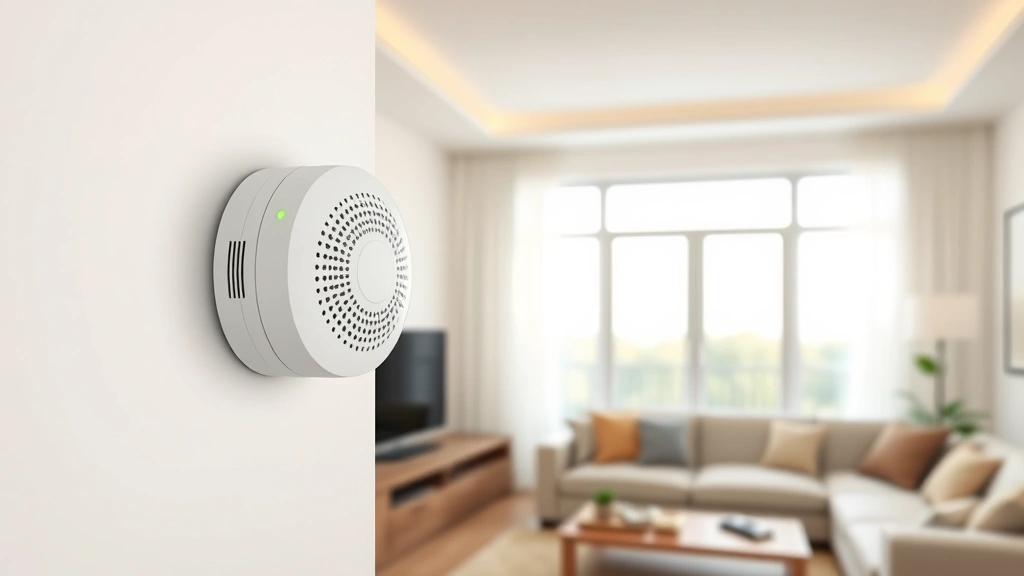
” alt=”Modern natural gas detector with digital display mounted on white wall in contemporary home interior, showing LED indicators and test button”>
Reliability in Practice: While smart integration enhances convenience, fundamental detector reliability remains paramount. Ensure primary detection capability functions independently of smart features, with traditional alarm sounds and indicator lights functioning during connectivity failures.
Understanding the definition of sustainability in Home Safety Systems
Sustainable home safety practices emphasize long-term protection through reliable, maintainable systems. Natural gas detectors represent critical sustainability investments—properly maintained detectors protect occupant health and prevent catastrophic incidents that devastate families and communities.
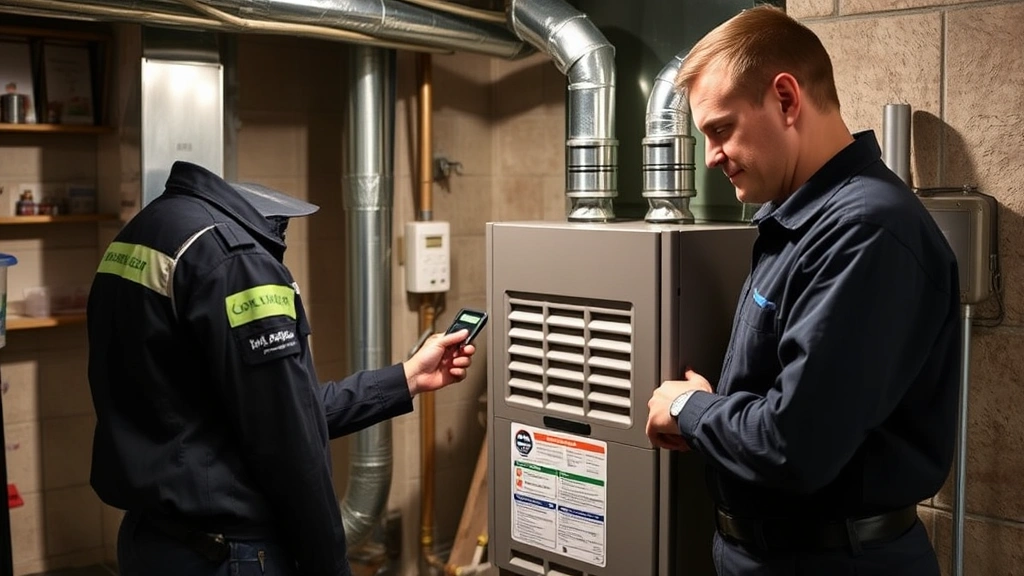
” alt=”Technician performing annual maintenance inspection on residential natural gas heating system in basement, checking connections and safety valves”>
Sustainable approaches to detector management include:
- Selecting durable detectors from manufacturers committed to long-term product support and availability
- Implementing rigorous maintenance schedules that extend detector lifespan and preserve reliability
- Choosing detectors with replaceable batteries and sensors rather than disposable units
- Integrating multiple detection layers—individual detectors, central systems, and professional monitoring—for comprehensive protection
These practices align with broader environmental responsibility by maximizing resource efficiency while ensuring safety. The EPA’s Natural Gas System Safety guidelines emphasize this integrated approach to protection.
Expert Recommendations for Maximum Reliability
Safety professionals consistently recommend several practices that maximize natural gas detector reliability:
- Install Multiple Detectors: Don’t rely on single detectors. Install units in every area where gas appliances operate, plus bedrooms and living spaces. Redundancy ensures protection even if individual detectors fail.
- Choose Hardwired Systems: Hardwired detectors with battery backup offer superior reliability compared to battery-only models. Direct electrical connections eliminate battery dependency while backup batteries provide protection during power outages.
- Verify Professional Installation: Have qualified technicians install detectors to ensure optimal placement and system integration. Professional installation prevents common mistakes that compromise detector effectiveness.
- Maintain Detailed Records: Document all testing, battery replacements, and maintenance activities. These records demonstrate detector maintenance compliance and identify patterns indicating system degradation.
- Schedule Professional Inspections: Annual professional inspections by certified technicians provide objective assessment of detector reliability and identify issues home testing might miss.
- Educate Occupants: Ensure all household members understand detector sounds, alarm meanings, and emergency evacuation procedures. Detector reliability means nothing if occupants don’t recognize and respond appropriately to alarms.
The National Fire Protection Association (NFPA) provides comprehensive guidelines supporting these expert recommendations.
Comparing Natural Gas to advantages of electric vehicles and Cleaner Energy
While reliable natural gas detection remains important for current infrastructure, the long-term sustainability trajectory favors transition toward cleaner energy sources. Natural gas detectors represent necessary safety infrastructure during this transition period, but they’re ultimately part of phasing out fossil fuel dependency.
Households considering energy transitions should recognize that:
- Electric heating systems eliminate natural gas hazards entirely
- Induction cooktops replace gas stoves without combustion risks
- Heat pump technology provides efficient heating without gas infrastructure
- Renewable energy integration reduces reliance on any fossil fuel systems
Natural gas detectors provide essential protection today, but investing in long-term energy transitions toward cleaner alternatives represents the ultimate reliability strategy—eliminating the hazard rather than simply detecting it.
FAQ
How often should natural gas detectors be tested?
Test detectors monthly using the built-in test button. Additionally, have professional inspections annually during routine HVAC maintenance. Monthly testing confirms basic functionality while professional inspections identify subtle degradation.
Can natural gas detectors be placed in kitchens?
Yes, kitchens are ideal locations for detectors when placed 10-15 feet from gas appliances. This distance prevents false alarms from normal cooking while maintaining close proximity for rapid gas leak detection.
What’s the typical lifespan of a natural gas detector?
Most detectors function reliably for 5-7 years before sensor degradation becomes significant. Check manufacturer specifications for exact replacement intervals, as some models have different longevity profiles.
Do natural gas detectors work during power outages?
Battery-powered detectors continue functioning during outages. Hardwired detectors with battery backup also maintain functionality. However, battery-only detectors may fail if batteries are depleted, emphasizing the importance of regular battery replacement.
Why do natural gas detectors produce false alarms?
False alarms typically result from cooking fumes, aerosol products, humidity, or dust interfering with sensors. Proper placement away from kitchens and regular cleaning minimize false alarms while maintaining detection capability.
Are smart natural gas detectors more reliable than traditional models?
Smart detectors offer enhanced convenience through mobile alerts and automation, but reliability depends primarily on sensor quality rather than connectivity features. Choose smart models from established manufacturers that prioritize sensor performance alongside technological features.
What should I do if my detector alarm sounds?
Evacuate immediately, move to fresh air, and call emergency services from outside. Don’t investigate the source or attempt repairs yourself. Professional technicians should inspect your gas system after any alarm event.
Can detectors identify which gas is leaking?
Standard detectors identify combustible gas presence but can’t distinguish between specific gas types. If you use multiple gas types, ensure your detector responds to all gases in your system.


