
Atmos Gas: Sustainable Energy Solution? A Comprehensive Analysis
As global energy demands continue to rise and climate concerns intensify, alternative energy sources have become increasingly scrutinized. Atmos Gas represents one emerging technology in the renewable energy landscape, yet questions remain about its true sustainability credentials and practical viability. This analysis examines whether Atmos Gas genuinely qualifies as a sustainable energy solution or if it’s simply another transitional fuel with limited environmental benefits.
Understanding the sustainability of any energy source requires examining its production methods, carbon footprint, scalability, and long-term environmental impact. Atmos Gas, marketed as an atmospheric energy alternative, promises reduced emissions compared to traditional fossil fuels, but the reality is considerably more nuanced. This comprehensive guide explores the science, technology, and sustainability implications of Atmos Gas while comparing it to established sustainable energy solutions already transforming our energy infrastructure.
What Is Atmos Gas and How Does It Work?
Atmos Gas is a synthetic fuel technology designed to capture and utilize atmospheric components for energy generation. The technology operates on the principle of extracting gases from the atmosphere and converting them into usable fuel through advanced chemical processes. Unlike traditional natural gas extraction, which relies on fossil fuel reserves, Atmos Gas theoretically represents a renewable approach to energy production by leveraging abundant atmospheric resources.
The fundamental process involves specialized equipment that concentrates atmospheric gases, primarily focusing on carbon dioxide and nitrogen compounds. These gases undergo catalytic conversion using renewable energy sources, transforming them into hydrocarbon fuels suitable for existing infrastructure. This compatibility with current gas distribution systems and combustion technologies represents a significant advantage, as it requires minimal retrofitting of existing equipment.
However, the energy intensity of the extraction and conversion processes raises important questions about net energy gain. The efficiency ratio—comparing energy input required for production versus energy output from the fuel—remains a critical metric for determining true sustainability. Initial assessments suggest that Atmos Gas production requires substantial energy investment, which fundamentally impacts its classification as a genuinely renewable resource.
Environmental Impact Assessment
Evaluating Atmos Gas’s environmental credentials requires examining multiple impact categories beyond simple carbon accounting. The manufacturing process, infrastructure requirements, and end-use emissions all contribute to the complete environmental picture. While proponents highlight the potential for reduced reliance on fossil fuel extraction, the technology introduces its own environmental considerations.
The production facilities require significant energy inputs, typically sourced from the electrical grid in current implementations. If this energy derives from renewable sources like solar or wind, the environmental case strengthens considerably. Conversely, if powered by coal or natural gas plants, the net environmental benefit diminishes substantially. This dependency on electricity source creates a paradox: Atmos Gas sustainability is fundamentally tied to the cleanliness of regional power grids.
Water consumption represents another environmental concern often overlooked in initial sustainability assessments. The conversion processes require substantial water for cooling and chemical reactions, potentially straining local water resources in water-scarce regions. Additionally, the manufacturing facilities generate waste streams containing unreacted catalysts and byproducts that require proper management and disposal.
When examining principles of sustainability, Atmos Gas presents a mixed profile. While it reduces dependence on finite fossil fuel reserves, it doesn’t eliminate combustion emissions when the fuel is ultimately burned for energy. This represents a critical distinction from truly renewable sources like solar and wind that produce zero operational emissions.
Carbon Emissions and Climate Considerations
The climate impact of Atmos Gas hinges on a detailed lifecycle carbon analysis. Advocates argue that capturing atmospheric CO2 and converting it to fuel creates a closed-loop system where combustion emissions equal the carbon removed from the atmosphere during production. This theory presents Atmos Gas as carbon-neutral, a compelling narrative for climate-conscious energy consumers.
In practice, this carbon neutrality claim requires substantial qualification. The energy used to power production facilities must be truly renewable to achieve genuine carbon neutrality. If production relies on grid electricity containing fossil fuel generation, the overall carbon footprint becomes positive. Studies from environmental research organizations like the U.S. Department of Energy suggest that current Atmos Gas production requires 3-5 times more energy than the fuel ultimately produces, fundamentally undermining climate benefits.
Furthermore, the conversion processes aren’t 100% efficient. Energy losses occur at each transformation stage—from atmospheric gas concentration through chemical conversion to compression and distribution. These inefficiencies compound, meaning that Atmos Gas production typically requires more renewable energy input than simply using that same renewable energy directly for electricity or heating applications.
The combustion of Atmos Gas, while theoretically closing the carbon loop, still produces nitrous oxides and other pollutants harmful to air quality and human health. This distinguishes it from truly clean energy sources and raises questions about whether carbon neutrality alone constitutes genuine sustainability when localized air quality impacts persist.
Comparison with Alternative Energy Sources
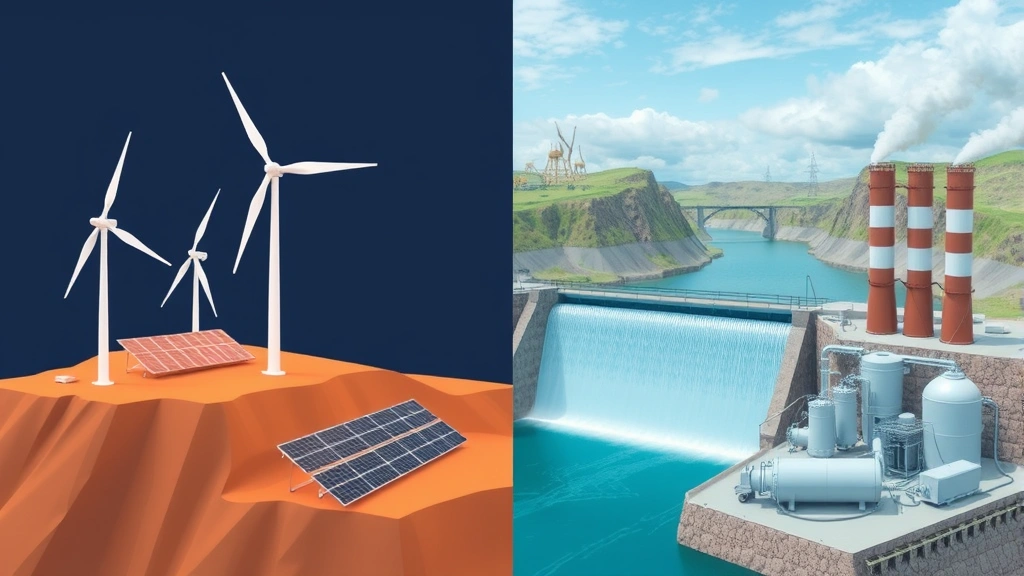
To properly evaluate Atmos Gas’s sustainability credentials, comparison with established alternatives provides essential context. Sustainable energy solutions already deployed at scale include solar photovoltaic systems, wind turbines, geothermal energy, and hydroelectric power. Each technology presents distinct advantages and limitations that merit comparison with Atmos Gas.
Solar and wind energy produce electricity with minimal operational emissions and require no fuel production infrastructure. The energy return on investment (EROI) for these technologies significantly exceeds that of Atmos Gas, with solar panels generating 10-20 times more energy than required for their manufacture and installation. Atmos Gas cannot currently compete with these EROI metrics, suggesting it represents an inferior energy solution from thermodynamic and sustainability perspectives.
Nuclear energy, while controversial, generates enormous quantities of reliable electricity with negligible operational emissions. The waste management challenges associated with nuclear power are well-documented, yet the technology produces vastly more usable energy per unit of input compared to Atmos Gas production. For grid-scale energy generation, nuclear substantially outperforms Atmos Gas on sustainability metrics.
Hydroelectric power, where geographically available, provides renewable electricity with exceptional EROI ratios and minimal operational impacts. Geothermal energy similarly offers reliable, clean electricity in appropriate locations. These established renewable technologies have undergone decades of refinement and deployment, with proven environmental and economic performance records that Atmos Gas has yet to match.
Electric vehicles powered by renewable electricity represent a more direct alternative to Atmos Gas for transportation applications. Rather than converting atmospheric gases to synthetic fuel for combustion, direct electrification eliminates tailpipe emissions entirely and enables superior energy efficiency. This technological pathway offers clearer sustainability advantages for decarbonizing transportation sectors.
Production Methods and Resource Requirements
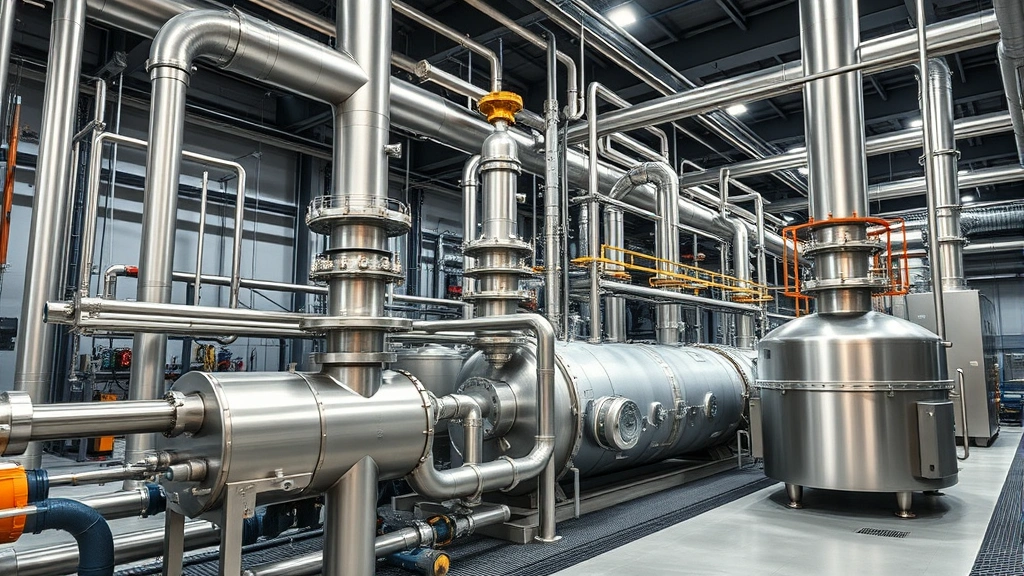
Understanding Atmos Gas production methodology reveals the substantial resource demands underlying this technology. Current production processes require industrial-scale facilities equipped with atmospheric capture systems, catalytic reactors, and compression infrastructure. The capital investment required to establish production capacity represents a significant barrier to deployment, particularly in developing nations with limited financial resources.
The extraction process begins with atmospheric concentration, where specialized membranes or absorption materials selectively capture target gases from ambient air. This concentration step alone consumes substantial energy, as gases must be compressed and processed from diffuse atmospheric concentrations to usable quantities. The thermodynamic challenges of concentrating dilute atmospheric components from approximately 0.04% CO2 to usable fuel specifications require significant energy investment.
Catalytic conversion processes transform concentrated atmospheric gases into hydrocarbon chains suitable for fuel applications. These reactions require precise temperature and pressure control, maintained through continuous energy input. Catalyst materials themselves require mining, processing, and eventual replacement, introducing additional environmental costs often excluded from simplified sustainability assessments.
Compression and liquefaction for storage and transportation further increase energy demands. Atmos Gas must be compressed to high pressures or liquefied for practical distribution through existing pipeline infrastructure or via truck transport. This processing stage consumes additional energy and introduces potential leakage points where unreacted gases escape to the atmosphere.
The infrastructure requirements extend beyond production facilities to include distribution networks, storage facilities, and end-use infrastructure. While compatibility with existing natural gas infrastructure reduces some implementation costs, the overall resource requirements for scaling Atmos Gas production to meaningful energy contribution levels remain substantial and resource-intensive.
Economic Viability and Market Potential
The economic case for Atmos Gas depends critically on future technology improvements and energy cost trajectories. Current production costs per unit of energy substantially exceed conventional natural gas, limiting market competitiveness without subsidies or carbon pricing mechanisms. As renewable electricity costs continue declining, the economic picture for Atmos Gas may improve, but significant uncertainties persist.
Production cost estimates typically range from $6-15 per million BTU, compared to historical natural gas prices of $3-5 per million BTU. This cost disadvantage reflects the energy-intensive nature of atmospheric gas capture and conversion. Scaling production might reduce per-unit costs through economies of scale, but fundamental thermodynamic constraints limit potential cost reductions compared to simple fossil fuel extraction.
Government subsidies and carbon pricing policies significantly influence Atmos Gas market viability. In jurisdictions implementing carbon pricing, Atmos Gas gains economic advantages by avoiding carbon taxes. However, this represents artificial market support rather than genuine economic competitiveness. If carbon pricing disappeared, Atmos Gas would likely become economically unviable without continued subsidies.
The investment landscape for Atmos Gas remains speculative, with limited proven commercial deployments at scale. Major energy companies have made modest investments in research and pilot projects, but full-scale commercialization remains uncertain. This contrasts sharply with renewable energy sectors, where proven technologies attract substantial private capital investment based on demonstrated economic returns.
When considering practical energy solutions and cost considerations, Atmos Gas presents limited immediate appeal to consumers or businesses seeking to reduce energy expenses. The technology functions better as a potential long-term industrial-scale solution rather than a near-term economic opportunity.
Regulatory Framework and Certifications
The regulatory landscape for Atmos Gas remains underdeveloped, reflecting its nascent commercial status. Unlike established energy sources with comprehensive regulatory frameworks, Atmos Gas lacks standardized certification processes, production standards, and environmental performance metrics. This regulatory uncertainty creates barriers to investment and commercialization.
The Environmental Protection Agency (EPA) has not established specific emissions standards for Atmos Gas production facilities, though general air quality and waste management regulations apply. The lack of industry-specific regulation reflects limited deployment experience and ongoing uncertainty about optimal production methodologies and environmental management practices.
International climate frameworks, including the Paris Agreement and associated carbon accounting methodologies, offer limited guidance for Atmos Gas classification. The technology doesn’t clearly fit established categories of renewable energy, fossil fuels, or synthetic alternatives, creating ambiguity about how Atmos Gas contributes to national climate commitments and renewable energy targets.
Certification organizations like the International Organization for Standardization (ISO) have not developed specific standards for Atmos Gas production and quality specifications. This absence of standardized metrics complicates cross-border trade and creates potential for inconsistent environmental claims across different producers.
The regulatory environment will likely evolve as deployment scales, but currently, the lack of established frameworks represents a significant limitation on Atmos Gas commercialization. Developers must navigate uncertain regulatory landscapes while demonstrating environmental compliance to uncertain standards, increasing financial risk and complexity.
Future Prospects and Innovation
Technological advancement could substantially improve Atmos Gas sustainability, though significant challenges remain. Research into more efficient catalysts, improved atmospheric capture methods, and waste heat recovery systems offers potential for reducing energy requirements. However, fundamental thermodynamic limits constrain how much efficiency improvement is achievable.
Coupling Atmos Gas production with abundant renewable energy sources represents the most promising pathway toward genuine sustainability. Facilities located near solar or wind installations could operate during peak renewable generation periods, utilizing otherwise curtailed renewable energy. This approach transforms Atmos Gas into an energy storage mechanism rather than a primary energy source, a more defensible sustainability proposition.
Direct air capture technology, which specifically targets atmospheric CO2 removal, continues advancing with declining costs. If coupled with renewable energy and genuine sequestration rather than conversion to combustible fuel, direct air capture may offer greater climate benefits than Atmos Gas production. This emerging technology deserves consideration as an alternative to Atmos Gas for addressing atmospheric CO2 concentrations.
Integration with circular economy principles offers additional sustainability potential. If Atmos Gas production utilized waste heat from industrial processes or captured emissions from other sources, overall system efficiency would improve. However, such integrated systems remain largely theoretical and face significant implementation challenges.
The future of Atmos Gas likely involves niche applications rather than widespread energy replacement. Industrial heat applications, aviation fuel, and chemical production represent potential markets where alternative fuels offer distinct advantages. However, for primary electricity generation and heating, established renewable technologies appear more sustainable and economically viable.
Examining green technology innovations across the energy sector suggests that Atmos Gas competes in an increasingly crowded landscape of alternatives. Battery storage, hydrogen fuel cells, and direct renewable electrification all offer competing solutions with potentially superior sustainability profiles.
As methods to reduce environmental footprints continue evolving, decision-makers should carefully evaluate Atmos Gas against established alternatives. The technology may find applications in specific industrial contexts, but broad-scale deployment as a primary energy solution appears unlikely given superior alternatives already available.
Frequently Asked Questions
Is Atmos Gas truly carbon neutral?
Atmos Gas can theoretically achieve carbon neutrality if production facilities operate entirely on renewable energy. However, current production methods require 3-5 times more energy than the fuel produces, meaning substantial renewable energy input is necessary. The overall carbon footprint depends entirely on electricity sources powering production facilities. Without renewable energy, Atmos Gas carries a positive carbon footprint compared to direct renewable electricity use.
How does Atmos Gas compare to natural gas for residential use?
For residential applications, Atmos Gas offers no practical advantages over natural gas. Both fuels require combustion, producing emissions and air pollutants. The higher production cost of Atmos Gas makes it economically uncompetitive. Residential energy consumers benefit more from heat pump electrification, solar thermal systems, and building efficiency improvements than from switching to Atmos Gas.
Could Atmos Gas replace fossil fuels in transportation?
While Atmos Gas could theoretically fuel vehicles, it represents an inferior solution compared to direct electrification or hydrogen fuel cells. The energy losses inherent in atmospheric capture and conversion mean that the same renewable energy would provide more efficient transportation through electric vehicles. Unless fossil fuel combustion becomes absolutely necessary, direct renewable electrification offers superior sustainability.
What are the main barriers to Atmos Gas commercialization?
Primary barriers include high production costs, energy-intensive processes, regulatory uncertainty, and competition from superior renewable alternatives. Capital requirements for production facilities are substantial, and without carbon pricing or subsidies, economic viability remains questionable. The lack of proven commercial-scale deployment creates investment uncertainty.
How does Atmos Gas production affect local air quality?
Production facilities themselves may generate air emissions from industrial processes, though specific impacts depend on facility design and pollution control measures. When Atmos Gas is ultimately combusted for energy, it produces nitrogen oxides and particulate matter similar to natural gas combustion. These localized air quality impacts persist despite potential carbon neutrality claims.
What research organizations study Atmos Gas sustainability?
Organizations including the National Renewable Energy Laboratory (NREL), International Energy Agency (IEA), and various universities conduct research on atmospheric fuel production. However, limited peer-reviewed literature specifically addresses Atmos Gas, reflecting the technology’s nascent status. Most research focuses on direct air capture and synthetic fuel production more broadly.
Could Atmos Gas serve as an energy storage solution?
Potentially, yes. If Atmos Gas production occurs during periods of abundant renewable energy, the resulting fuel could store energy for later use. This application transforms the technology from a primary energy source into an energy storage mechanism, a more defensible sustainability proposition. However, efficiency losses during production and combustion limit storage effectiveness compared to battery systems.


