Delta Gas: Sustainable Energy’s Future? Analyst View
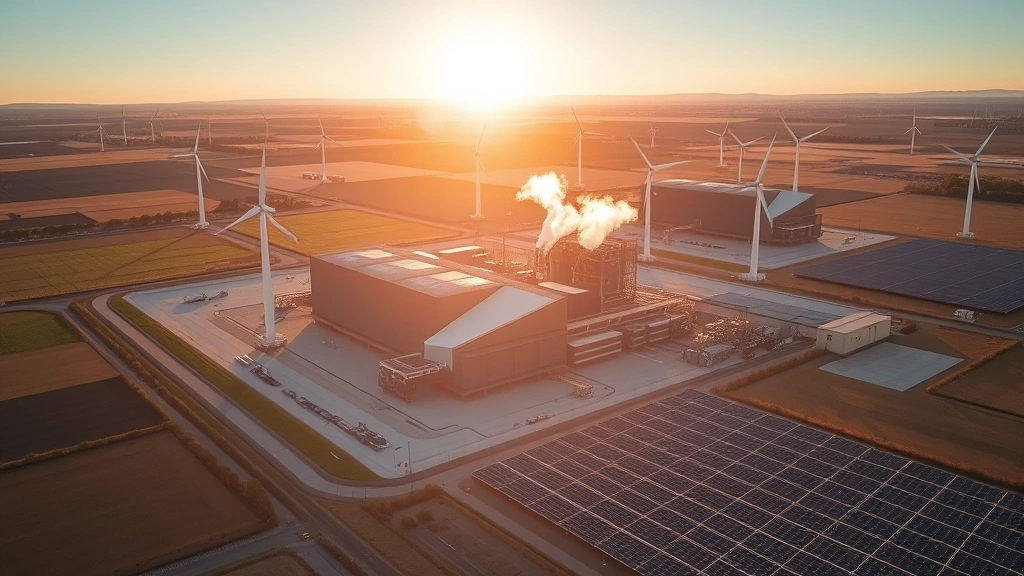
Delta gas represents a pivotal moment in the global energy transition, sitting at the crossroads between fossil fuel infrastructure and renewable energy adoption. As energy analysts worldwide reassess our pathway toward decarbonization, understanding delta gas—often referred to as the incremental natural gas capacity needed to bridge energy demand gaps—becomes essential for policymakers, investors, and environmentally conscious consumers alike.
This comprehensive analysis explores whether delta gas truly represents a sustainable energy solution or merely a transitional compromise that delays our commitment to genuine renewable alternatives. We’ll examine current market trends, environmental implications, and expert perspectives to help you navigate this complex energy landscape.

What is Delta Gas and Why Does It Matter?
Delta gas, in energy sector terminology, refers to the additional natural gas generation capacity required to meet peak demand periods and provide grid stability as intermittent renewable energy sources become increasingly prevalent. Unlike baseload power plants that operate continuously, delta gas facilities activate during periods of high electricity demand or when renewable generation dips due to weather conditions.
The significance of delta gas extends beyond simple energy mathematics. As nations worldwide commit to principles of sustainability, the energy infrastructure must evolve to accommodate renewable sources while maintaining reliability. Delta gas serves as this transitional mechanism, though its long-term viability remains contested among sustainability experts.
According to the U.S. Environmental Protection Agency, natural gas produces approximately 50% fewer carbon emissions than coal when burned for electricity generation. This distinction has positioned delta gas as a pragmatic interim solution, yet critics argue it perpetuates dependence on fossil fuels rather than accelerating the shift toward truly clean energy sources.
- Peak load management: Handles electricity demand spikes during extreme weather or high-usage periods
- Grid stability: Provides rapid response capacity when renewable generation fluctuates
- Infrastructure compatibility: Leverages existing natural gas distribution networks
- Economic flexibility: Lower capital investment compared to new renewable infrastructure
The Role of Natural Gas in Energy Transition
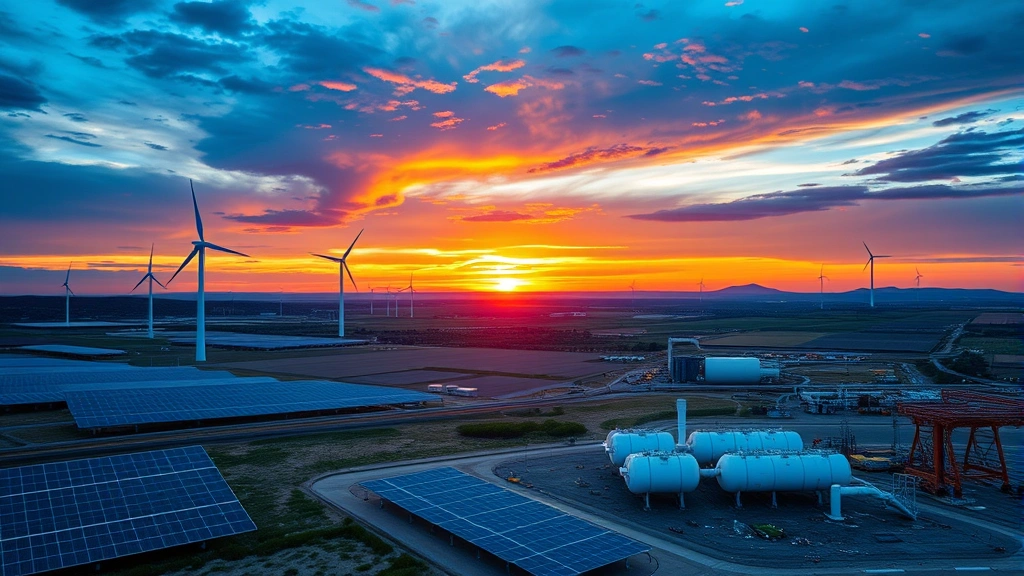
Natural gas occupies a uniquely contested position within the global energy transition narrative. Proponents argue that delta gas represents a necessary bridge technology—one that allows societies to reduce coal consumption while renewable energy infrastructure scales to meet demand. The International Energy Agency has acknowledged natural gas as a crucial transition fuel in their net-zero scenarios, particularly for regions with heavy industrial demands.
However, this perspective faces increasing scrutiny from climate scientists and environmental advocates. Methane leakage throughout the natural gas supply chain—from extraction through distribution—significantly undermines its climate benefits. Studies indicate that fugitive methane emissions can offset up to 40% of natural gas’s greenhouse gas advantage over coal, depending on leakage rates and extraction methods.
The concept of sustainable energy solutions requires honest assessment of delta gas’s actual climate impact. When accounting for methane leakage, the carbon footprint narrows considerably compared to coal, yet remains substantially higher than renewable alternatives like wind, solar, and hydroelectric power.
Recent developments in carbon capture and storage (CCS) technology have introduced new variables to this equation. Some analysts suggest that delta gas plants equipped with carbon capture capabilities could serve as legitimate transition infrastructure, effectively neutralizing their greenhouse gas emissions. Yet widespread implementation of CCS remains limited due to technological challenges and cost considerations.
Environmental Impact Assessment
A thorough environmental analysis of delta gas requires examining multiple impact categories beyond simple carbon emissions. The extraction, processing, transportation, and combustion of natural gas each introduce distinct environmental consequences that collectively shape its sustainability profile.
Extraction and Production Impacts: Natural gas extraction through hydraulic fracturing (fracking) has transformed energy availability but introduced significant environmental concerns. Water contamination risks, induced seismicity, and habitat disruption represent tangible costs often excluded from simplified carbon calculations. The U.S. Geological Survey documents clear correlations between wastewater injection and earthquake frequency in extraction regions.
Methane Emissions: Methane possesses a global warming potential approximately 84 times greater than carbon dioxide over a 20-year timeframe. Even small leakage rates substantially amplify natural gas’s climate impact. Recent satellite data suggests actual methane emissions from natural gas infrastructure exceed previous estimates by 25-40%, complicating the transition fuel narrative.
Water Resource Depletion: Natural gas extraction demands enormous quantities of water for cooling and hydraulic fracturing. In water-stressed regions, this competition for freshwater resources creates conflicts with agricultural and municipal needs, representing an often-overlooked sustainability challenge.
Air Quality Considerations: While natural gas combustion produces fewer particulate emissions than coal, it still generates nitrogen oxides and volatile organic compounds that contribute to ground-level ozone formation and respiratory health impacts, particularly in communities proximate to power generation facilities.
Comparative Analysis: Delta Gas vs. Renewable Energy
Understanding whether delta gas represents genuine progress requires direct comparison with available renewable alternatives. This analysis examines lifecycle costs, environmental impacts, scalability, and reliability metrics across energy sources.
| Energy Source | Lifecycle Emissions (g CO₂/kWh) | Capacity Factor | Scalability Timeline |
|---|---|---|---|
| Natural Gas (Delta) | 490-650 | 30-50% | 2-4 years |
| Solar (Utility-Scale) | 41-48 | 15-25% | 1-2 years |
| Wind (Onshore) | 11-12 | 35-45% | 2-3 years |
| Hydroelectric | 24-48 | 40-50% | 5-10 years |
This comparison reveals the fundamental challenge: while delta gas offers faster deployment and greater reliability than individual renewable sources, its environmental cost remains substantially higher. The real opportunity lies not in choosing between delta gas and renewables exclusively, but rather in accelerated renewable deployment coupled with grid modernization and energy storage solutions.
Implementing energy efficiency measures and demand management strategies can reduce the need for delta gas capacity. Smart grid technologies, demand response programs, and behavioral conservation efforts collectively lower peak demand requirements, diminishing reliance on supplementary gas generation.
Energy Storage as Game-Changer: Battery storage technology advancement fundamentally alters this calculus. As storage costs decline—dropping 89% between 2010 and 2020—renewable energy sources become increasingly viable without delta gas backup. Emerging technologies like long-duration storage and green hydrogen present compelling alternatives to traditional natural gas peaking capacity.
Investment Trends and Market Outlook
Capital flows within the energy sector provide revealing indicators of industry confidence in various technologies. Recent investment patterns demonstrate a decisive shift away from fossil fuel infrastructure toward renewable alternatives and enabling technologies.
In 2023, renewable energy attracted $495 billion in global investment, while natural gas infrastructure received only $82 billion—a stark reversal from previous decades. This reallocation reflects both regulatory pressure and fundamental economic shifts as renewable energy costs continue declining while fossil fuel externalities gain recognition in financial analysis.
However, substantial delta gas capacity continues under construction in many jurisdictions, reflecting regulatory inertia, existing infrastructure investments, and short-term risk aversion among utilities. This creates a paradoxical situation where institutional decisions lock in decades of fossil fuel dependence despite superior renewable alternatives.
The International Energy Agency’s World Energy Outlook projects that achieving net-zero emissions requires phasing out new fossil fuel projects entirely. This analysis contradicts continued delta gas expansion, positioning such investments as stranded assets vulnerable to future policy shifts and economic disruption.
Forward-thinking investors increasingly recognize that delta gas represents diminishing opportunity rather than reliable long-term returns. Regulatory tightening, renewable cost reductions, and climate commitments collectively threaten the financial viability of new natural gas infrastructure.
Expert Analyst Perspectives
Energy analysts worldwide present divergent assessments of delta gas’s role in sustainable energy futures. Understanding these perspectives illuminates the complexity underlying energy policy decisions.
The Transition Fuel Advocates: These analysts argue that rapid coal retirement requires interim natural gas capacity to prevent grid instability and energy security risks. They emphasize that premature fossil fuel phase-out could trigger economic disruption and energy poverty, particularly in developing nations with limited renewable infrastructure. This perspective prioritizes pragmatism and acknowledges real-world implementation challenges.
The Accelerationist Critics: Conversely, many leading climate scientists and energy researchers contend that delta gas represents counterproductive delay masquerading as pragmatism. They argue that renewable technology maturity and cost reductions eliminate genuine necessity for new fossil fuel infrastructure. Every dollar invested in delta gas represents foregone investment in renewable alternatives, perpetuating systemic dependence on carbon-intensive energy.
Examining green technology innovations reveals that most technical barriers to 100% renewable energy systems have been addressed. The remaining challenges are primarily political, regulatory, and financial—not technological. This reality supports the accelerationist perspective that delta gas serves institutional inertia rather than genuine necessity.
The Nuanced Middle Ground: A growing cohort of analysts advocates for context-dependent assessment. In regions with existing natural gas infrastructure and limited renewable resources, targeted delta gas utilization might represent pragmatic optimization. Conversely, in areas with abundant renewable potential and modern grid infrastructure, delta gas expansion constitutes counterproductive fossil fuel lock-in.
Practical Implications for Consumers
Understanding delta gas’s sustainability implications helps consumers make informed decisions about energy consumption and advocacy priorities. Individual choices aggregate to influence systemic energy transitions.
Reducing Personal Energy Demand: The most immediately impactful action involves reducing electricity consumption through efficiency measures and behavioral changes. Reducing your environmental footprint directly decreases reliance on all generation sources, including delta gas. Home insulation, LED lighting, efficient appliances, and smart thermostats collectively lower peak demand periods when delta gas capacity typically activates.
Supporting Renewable Energy: Community solar programs, residential solar installation, and renewable energy procurement options empower consumers to directly support clean energy infrastructure. Many utilities now offer renewable energy plans allowing customers to specify that their electricity derives from wind, solar, or hydroelectric sources.
Electrification Opportunities: Switching to electric vehicles and heat pumps displaces fossil fuel combustion from transportation and heating sectors. While this increases electricity demand, electrification enables clean energy sourcing through grid decarbonization, whereas direct fossil fuel combustion remains inherently carbon-intensive.
Advocacy and Policy Engagement: Consumer pressure influences utility planning and regulatory decisions. Supporting policies that mandate renewable energy targets, carbon pricing, and grid modernization accelerates the energy transition while reducing delta gas dependence. Public comment periods for utility resource plans provide direct mechanisms for consumer influence on energy infrastructure decisions.
Investment Alignment: Consumers increasingly recognize that financial decisions reflect personal values. Divesting from fossil fuel companies and directing investments toward renewable energy and storage companies aligns capital flows with climate commitments. This financial pressure compounds regulatory and economic headwinds facing delta gas expansion.
The transition beyond delta gas requires collective action spanning consumer choices, investor decisions, regulatory policy, and technological innovation. Individual actions matter not through isolated impact but through aggregated influence on systemic energy transformation.
Frequently Asked Questions
What exactly is delta gas in energy terms?
Delta gas refers to supplementary natural gas generation capacity deployed during peak electricity demand periods or when renewable energy generation declines. It serves as flexible backup power within modern grids increasingly dependent on variable renewable sources. The term reflects the incremental additional capacity needed beyond baseload generation to meet total system demand.
Is delta gas actually cleaner than coal?
Yes, natural gas combustion produces approximately 50% lower carbon emissions than coal. However, this advantage substantially diminishes when accounting for methane leakage throughout the supply chain, potentially reducing the climate benefit to 25-35%. Additionally, both fuels remain significantly dirtier than renewable alternatives, making this comparison less relevant than delta gas versus clean energy options.
How does delta gas compare to renewable energy on cost?
Modern renewable energy—particularly wind and solar—now costs less than natural gas on a levelized basis in most markets. When accounting for grid integration, energy storage, and lifecycle emissions, renewables offer superior economic value. Delta gas economics depend heavily on assumed natural gas prices, carbon pricing policies, and capacity factor assumptions, creating substantial variability across regions and scenarios.
Will delta gas infrastructure become stranded assets?
Substantial risk exists that new delta gas infrastructure will become economically stranded as renewable energy and storage technologies continue advancing. Regulatory tightening, carbon pricing implementation, and renewable energy mandates all threaten natural gas infrastructure viability. Investors increasingly recognize this risk, explaining declining capital allocation toward fossil fuel projects.
What’s the timeline for phasing out delta gas?
Timelines vary significantly by region based on existing infrastructure, renewable resources, and policy frameworks. Most analyses suggest developed nations can transition beyond fossil fuel reliance within 15-20 years through accelerated renewable deployment and grid modernization. However, political and economic factors frequently extend timelines beyond technical necessities.
How can I reduce my dependence on delta gas energy?
Direct actions include reducing electricity consumption through efficiency measures, installing solar or supporting community renewable projects, electrifying transportation and heating, and advocating for renewable energy policies. Collectively, these actions diminish demand for delta gas capacity while supporting clean energy infrastructure development.
Are there carbon capture solutions for delta gas?
Carbon capture and storage (CCS) technology can theoretically neutralize delta gas emissions, but practical deployment remains limited. High costs, technological challenges, and storage site availability constrain widespread CCS implementation. Most analysts view CCS as supplementary rather than primary climate solution, particularly given superior alternatives in renewable energy and storage technologies.


