Are Meijer Gas Stations Eco-Friendly? A Comprehensive Sustainability Analysis
Meijer, the Midwestern retail giant, operates a network of gas stations across its supermarkets and standalone locations. As consumers increasingly prioritize environmental responsibility, understanding the ecological impact of where we fuel our vehicles becomes essential. This analysis examines whether Meijer gas stations align with modern sustainability standards and what measures they’ve implemented to reduce their carbon footprint.
The transportation sector accounts for approximately 27% of greenhouse gas emissions in the United States, making fuel choices and station practices critical components of environmental stewardship. Meijer’s approach to operating gas stations reflects broader retail industry trends toward sustainability, though the company faces both opportunities and challenges in this space. Understanding the nuances of their operations helps consumers make informed decisions about supporting businesses that prioritize planetary health.
Fuel Quality and Environmental Standards
Meijer gas stations offer fuels that comply with EPA fuel quality standards, which mandate detergent additives to reduce engine deposits and lower emissions. The company sources its fuel from established refineries that meet federal environmental regulations, including the Tier 3 gasoline standards that reduce harmful pollutants like sulfur and aromatics.
The fuel sold at Meijer gas stations contains ethanol blends, typically E10 (10% ethanol, 90% gasoline), which represents a renewable fuel component that reduces dependency on fossil fuels. Ethanol production from corn and other biomass sources creates a lower carbon footprint compared to pure petroleum-based gasoline. However, the sustainability of ethanol production remains debated within environmental circles, with concerns about agricultural land use and fertilizer runoff affecting overall ecological impact.
Meijer’s commitment to meeting EPA air quality standards demonstrates baseline environmental responsibility, though these represent minimum requirements rather than industry-leading practices. The company has not publicly announced proprietary fuel formulations designed to exceed federal standards or provide enhanced environmental benefits beyond regulatory compliance.
Emissions Reduction Initiatives
While Meijer has established corporate sustainability goals, specific emissions reduction targets for gas station operations remain limited in public documentation. The company’s broader sustainable energy solutions focus more heavily on store operations, supply chain efficiency, and renewable energy integration at distribution facilities rather than fuel retail operations.
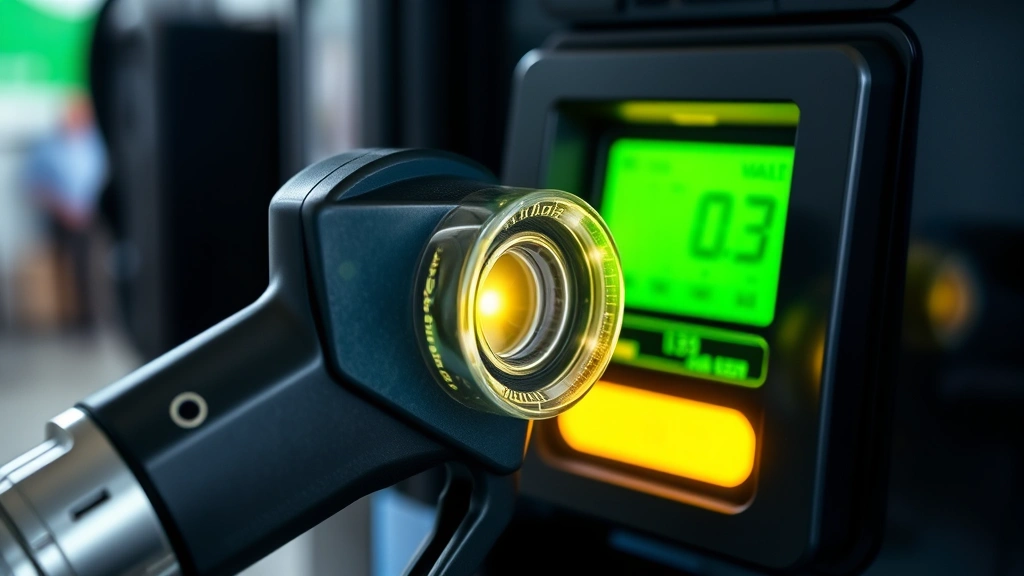
Meijer gas stations have implemented vapor recovery systems at pump nozzles, which capture fuel vapors during refueling and prevent them from entering the atmosphere. These systems significantly reduce volatile organic compound (VOC) emissions, which contribute to ground-level ozone formation and air pollution. Vapor recovery represents a meaningful environmental protection measure that has become industry standard across most major fuel retailers.
The company’s fuel dispensers include automatic shutoff mechanisms and leak detection systems designed to prevent fuel spills and environmental contamination. These safety features protect soil and groundwater from petroleum contamination, addressing a critical environmental concern at fuel retail locations. Regular maintenance and compliance inspections at Meijer gas stations help ensure these systems function properly throughout their operational lifespan.
Meijer’s participation in industry sustainability reporting and environmental compliance programs demonstrates organizational awareness of climate-related risks and operational responsibilities. However, the company could strengthen its environmental profile by publishing transparent, third-party verified emissions data specific to gas station operations and establishing science-based reduction targets aligned with net-zero commitments.
Green Infrastructure and Technology
Modern gas station infrastructure increasingly incorporates environmental technologies that reduce operational impacts. Meijer gas stations have begun upgrading facilities with LED lighting systems, which consume significantly less energy than traditional fluorescent or incandescent bulbs. These improvements lower electricity consumption and reduce the carbon emissions associated with nighttime operations.
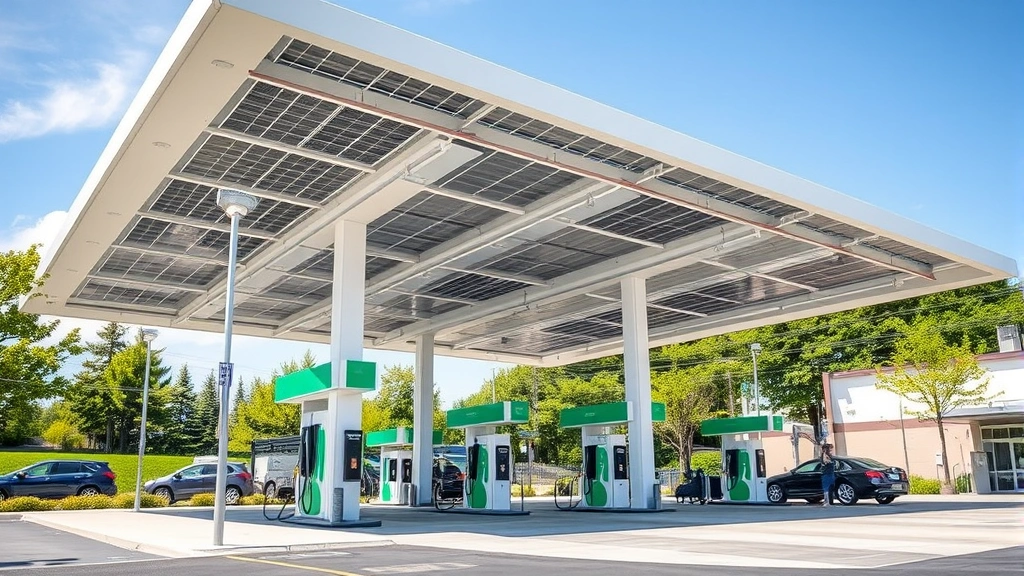
Some Meijer locations feature canopy structures designed with reflective materials and improved thermal efficiency, reducing air conditioning demands and associated energy consumption. These architectural enhancements represent practical sustainability measures that decrease operational carbon footprint while improving customer comfort during fuel purchases.
The integration of green technology innovations into gas station design remains an emerging area where Meijer could expand environmental leadership. Electric vehicle charging stations represent a significant opportunity for gas retailers to support transportation decarbonization, though Meijer’s EV charging network rollout has been gradual compared to competitors like Shell and BP.
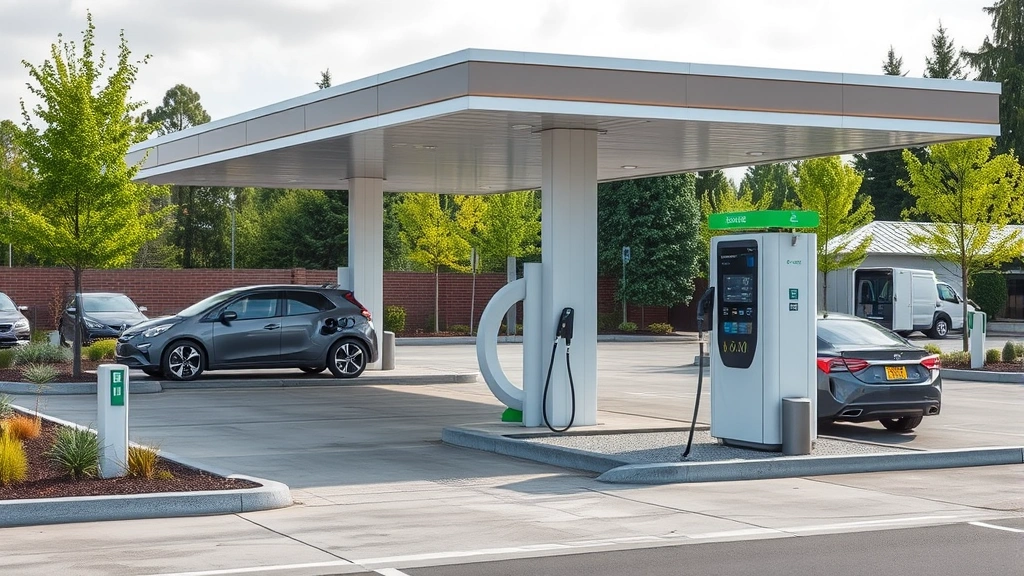
Meijer has installed EV charging infrastructure at select locations, particularly near major urban centers and high-traffic areas. This expansion acknowledges the growing market for electric vehicles and positions the company to serve evolving consumer preferences. However, the pace of EV charger deployment across Meijer’s entire gas station network remains slower than industry leaders, presenting an opportunity for accelerated sustainability advancement.
Alternative Fuel Availability
The availability of alternative fuels at Meijer gas stations remains limited compared to specialized alternative fuel networks. Most locations offer only conventional gasoline and diesel, with ethanol-blended fuels representing the primary renewable fuel option. Biodiesel availability varies by location, though it remains uncommon at Meijer stations in most markets.
Compressed natural gas (CNG) and other alternative fuels are not widely available at Meijer gas stations, limiting customer options for choosing lower-emission fuel sources. This represents a significant gap in environmental offerings, particularly for commercial fleet operators and consumers seeking to reduce their carbon footprint through fuel choice diversification.
The company’s approach to alternative fuel infrastructure contrasts with industry leaders who have established comprehensive networks supporting hydrogen fuel cells, expanded biodiesel availability, and widespread EV charging. Meijer’s incremental approach to these technologies reflects cautious market positioning but may disadvantage the company as consumer demand for sustainable fuel options accelerates.
Corporate Sustainability Commitment
Meijer’s parent company commitment to sustainability extends across retail operations, supply chain management, and corporate facilities. The company has established sustainability definitions that guide operational practices and investment decisions across all business segments. However, gas station operations represent a smaller portion of overall corporate focus compared to grocery retail and general merchandise.
The company participates in industry initiatives addressing fuel quality, environmental compliance, and operational efficiency. Membership in retail sustainability coalitions and participation in environmental reporting frameworks demonstrates organizational commitment to accountability and continuous improvement. These collaborative efforts help establish industry standards while advancing collective environmental progress.
Meijer’s sustainability reports acknowledge the environmental significance of fuel retail operations while detailing efforts to minimize negative impacts. The company recognizes that transitioning transportation systems toward zero-emission vehicles represents a fundamental shift requiring coordinated action across the retail fuel industry. Meijer’s incremental investments in EV infrastructure reflect this strategic awareness, though acceleration would demonstrate stronger environmental leadership.
Corporate governance structures at Meijer increasingly incorporate sustainability considerations into executive compensation and strategic planning. This integration of environmental metrics into business decision-making creates organizational incentives for advancing gas station sustainability practices and aligning retail fuel operations with broader climate commitments.
Consumer Environmental Impact and Responsible Fueling
Consumer choices regarding where to purchase fuel influence market demand for sustainable fuel retail practices. By selecting Meijer gas stations that meet environmental standards and support developing EV infrastructure, consumers contribute to positive market signals encouraging continued sustainability investment. Understanding principles of sustainability helps consumers evaluate gas station choices through an environmental lens.
Drivers can reduce their fuel-related environmental impact by maintaining proper tire pressure, which improves fuel efficiency and reduces emissions per mile traveled. Consolidating trips, using fuel-efficient vehicles, and adopting carpooling practices amplify individual environmental benefits regardless of which gas station brand they patronize. These behavioral modifications often produce greater emissions reductions than fuel source switching alone.
Supporting retailers that invest in EV charging infrastructure creates market demand for alternative fuel distribution networks. By choosing Meijer locations with charging capabilities, consumers encourage corporate expansion of these services and signal market preference for sustainable transportation infrastructure. This consumer-driven demand accelerates industry-wide adoption of environmental technologies and practices.
Meijer’s loyalty program and customer data systems could theoretically incentivize sustainable fuel purchases through rewards programs, though such initiatives remain underdeveloped in current offerings. Enhanced loyalty program benefits for electric vehicle owners or customers purchasing renewable fuel blends would represent meaningful corporate sustainability advancement.
Frequently Asked Questions
Does Meijer gas meet EPA environmental standards?
Yes, Meijer gas stations sell fuel meeting all EPA quality standards and environmental regulations. Their gasoline contains required detergent additives and ethanol blends that reduce emissions compared to non-blended petroleum products. However, meeting minimum standards differs from exceeding environmental expectations or pursuing industry-leading sustainability practices.
Are Meijer gas stations installing electric vehicle chargers?
Meijer has begun rolling out EV charging stations at select locations, particularly in urban areas and high-traffic zones. The expansion remains ongoing but slower than some competitors. Customers should check specific location availability before relying on Meijer EV charging infrastructure for travel planning.
Does Meijer offer biodiesel or other alternative fuels?
Biodiesel availability varies by location but remains limited across most Meijer gas station networks. Compressed natural gas, hydrogen, and other alternative fuels are generally unavailable at Meijer stations. The company primarily offers conventional gasoline and diesel with standard ethanol blending.
How do Meijer gas stations compare to competitors on sustainability?
Meijer gas stations meet industry baseline environmental standards but lag behind some competitors in alternative fuel infrastructure and EV charging deployment. Retailers like Shell, BP, and specialized networks have established more comprehensive sustainable fuel options and charging networks, though Meijer continues expanding environmental offerings.
What can consumers do to reduce fuel-related environmental impact?
Consumers can improve fuel efficiency through vehicle maintenance, reduce trip frequency through consolidation, adopt carpooling, and transition toward electric vehicles. Supporting retailers investing in EV infrastructure by using available chargers encourages expanded sustainable transportation networks. Additionally, learning about how to save energy extends environmental consciousness beyond fuel purchases to broader lifestyle decisions.
Is ethanol-blended gasoline environmentally superior?
Ethanol blends like E10 reduce petroleum dependency and lower tailpipe emissions compared to pure gasoline. However, ethanol production involves agricultural inputs and processing energy that affect overall lifecycle environmental impact. The net environmental benefit depends on ethanol production methods, agricultural practices, and transportation distances, making ethanol a moderate rather than transformative environmental solution.


