Natural Gas News: Today’s Key Developments in Energy Markets
The natural gas sector continues to experience significant shifts as global energy markets adapt to evolving climate policies, technological innovations, and geopolitical factors. Understanding current natural gas news is essential for investors, policymakers, and environmentally conscious consumers seeking to navigate the energy transition. Today’s developments reflect broader conversations about energy security, carbon emissions reduction, and the role of transitional fuels in achieving net-zero objectives.
Recent market movements, regulatory changes, and infrastructure projects are reshaping how natural gas fits within the global energy portfolio. While natural gas has traditionally served as a bridge fuel between coal and renewable energy sources, mounting pressure from climate advocates and shifting consumer preferences are accelerating the timeline for renewable energy adoption. This article explores today’s critical natural gas developments while contextualizing them within broader sustainable energy solutions frameworks.
Current Market Dynamics and Price Movements
Natural gas prices are experiencing volatility driven by multiple interconnected factors including seasonal demand fluctuations, production levels, and storage capacity. The U.S. Energy Information Administration tracks daily pricing data that reflects real-time market sentiment. Recent price trends indicate tightening supplies in certain regions while oversupply pressures emerge in others, creating complex trading environments for market participants.
Global liquefied natural gas (LNG) markets remain particularly sensitive to geopolitical developments and weather patterns. Winter demand spikes continue to influence pricing strategies, while producers adjust extraction rates based on market conditions. Understanding these price movements in natural gas markets helps consumers and businesses make informed energy procurement decisions.
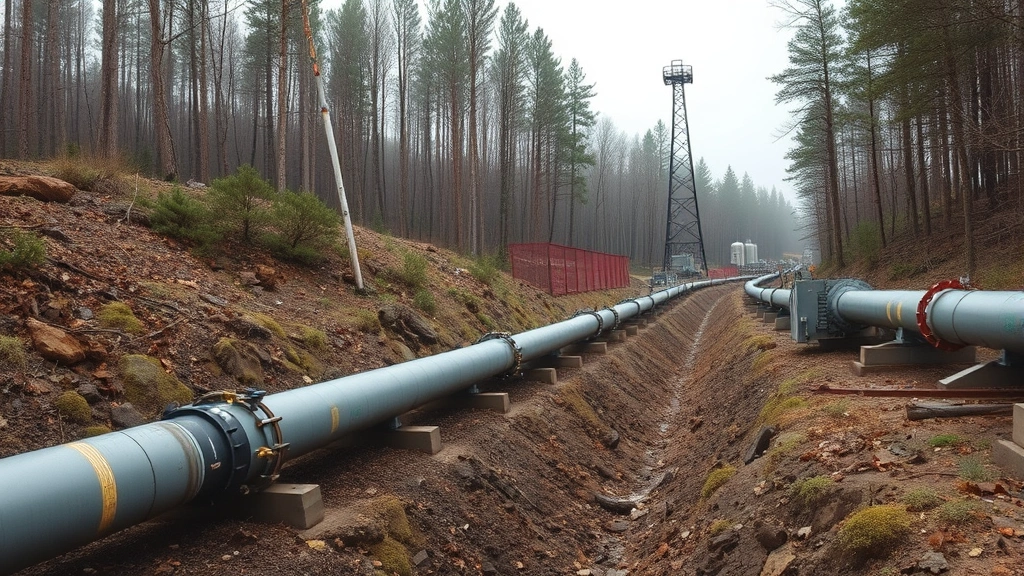
The spread between regional pricing hubs reflects infrastructure constraints and local supply-demand imbalances. Technological advancements in extraction techniques, particularly hydraulic fracturing and horizontal drilling, have increased available reserves, yet transportation bottlenecks continue limiting market efficiency. Investment in pipeline infrastructure remains contested between industry advocates seeking expansion and environmental groups prioritizing reducing environmental footprint initiatives.
Regulatory Landscape and Climate Policy
Regulatory frameworks governing natural gas operations are becoming increasingly stringent as governments worldwide commit to climate targets. The EPA’s Greenhouse Gas Reporting Program mandates comprehensive emissions tracking from natural gas operations, driving industry compliance efforts and operational transparency. Methane emissions regulations have become particularly prominent, as methane’s potency as a greenhouse gas requires careful management throughout the supply chain.
State-level policies in leading sustainability jurisdictions are establishing aggressive timelines for transitioning away from natural gas in building heating and electricity generation. California, New York, and several northeastern states have implemented or proposed regulations limiting natural gas infrastructure investments, redirecting capital toward renewable energy and electrification projects. These policy shifts create long-term uncertainty for natural gas utilities and producers.
International climate agreements, including commitments under the Paris Agreement, continue influencing national energy policies that directly impact natural gas demand projections. The International Energy Agency regularly updates forecasts reflecting evolving policy landscapes, and most scenarios show declining natural gas demand in developed economies by 2040.
Major Infrastructure Projects and Expansions
Several significant pipeline and liquefaction projects are advancing despite environmental opposition and regulatory scrutiny. These infrastructure investments represent billions in capital allocation, reflecting industry confidence in continued natural gas demand. However, project financing increasingly faces challenges from investors prioritizing environmental, social, and governance (ESG) criteria in their portfolios.
LNG export terminals continue expanding capacity to serve growing international demand, particularly from Asian markets. These facilities represent major economic investments for coastal communities, though they simultaneously raise concerns about methane leakage during liquefaction and transportation processes. The balance between energy security objectives and climate commitments remains contentious in infrastructure debates.
Recent project cancellations and delays signal shifting market dynamics. Several proposed pipeline projects have been abandoned following regulatory denials, environmental litigation, and reduced investor appetite. This trend suggests infrastructure expansion may be slowing, potentially accelerating the timeline for renewable energy integration and energy efficiency improvements at home.
The Renewable Energy Transition
The relationship between natural gas and renewable energy deployment is increasingly complex. While natural gas has historically served as a flexible backup fuel accommodating variable renewable generation, technological advancements in energy storage are reducing this dependency. Battery storage systems, pumped hydroelectric facilities, and emerging technologies like green hydrogen are providing alternative flexibility solutions.
Investment flows increasingly favor renewable energy over fossil fuel infrastructure. Venture capital, private equity, and institutional investors are channeling capital toward green technology innovations that promise long-term returns while aligning with climate objectives. This capital reallocation is fundamentally reshaping energy sector economics.
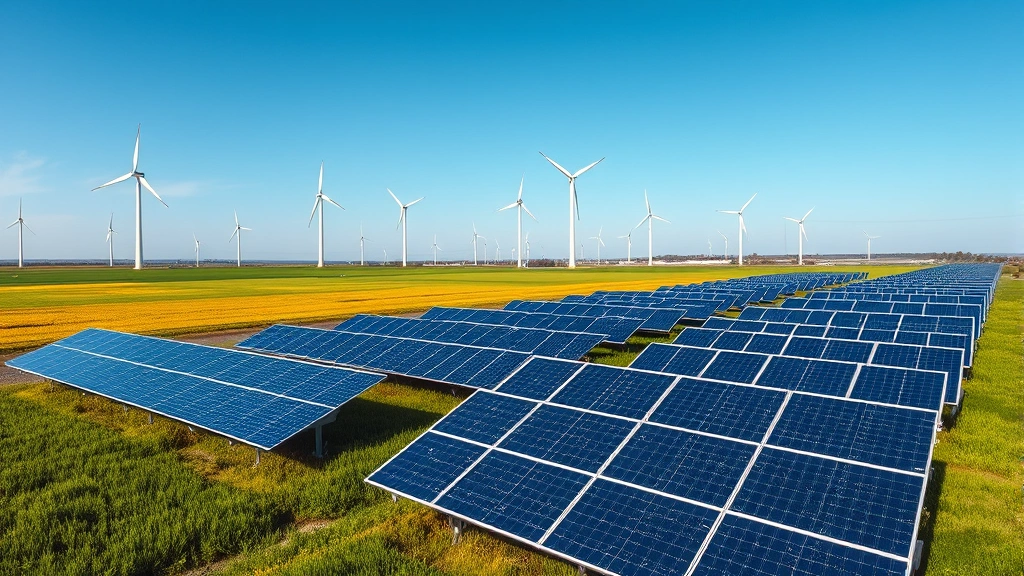
Renewable energy costs have declined dramatically over the past decade, with solar and wind now competing with natural gas on price in many markets. This economic shift, combined with policy support and environmental imperatives, is accelerating the deployment timeline for clean energy infrastructure. Forward-looking energy planners are increasingly designing systems with minimal natural gas dependency.
The transition also encompasses electric vehicle adoption and building electrification, which reduce end-use natural gas demand in transportation and heating sectors. These sectoral shifts compound the pressure on natural gas demand growth, requiring the industry to adapt business models and investment strategies.
Geopolitical Factors Influencing Supply
Geopolitical tensions continue significantly impacting natural gas markets, particularly in Europe and Asia. Supply disruptions from major producing regions create price spikes affecting downstream consumers and industrial operations. The concentration of reserves in relatively few countries creates strategic vulnerabilities that policymakers are actively addressing through diversification strategies and renewable energy acceleration.
International trade relationships fundamentally shape LNG market dynamics. Export restrictions, sanctions, and bilateral agreements between producing and consuming nations directly influence pricing and supply reliability. Recent geopolitical developments have prompted several nations to reconsider energy independence strategies, potentially accelerating renewable energy investments and sustainability principles implementation.
Energy security concerns are driving strategic petroleum reserve policies and natural gas storage investments across multiple countries. However, these supply security measures must be balanced against climate objectives, creating policy tensions that policymakers continue navigating.
Consumer Impact and Energy Efficiency
Residential and commercial consumers are experiencing natural gas price volatility reflected in heating and electricity bills. High-income households can absorb price fluctuations more readily, while low-income families face energy affordability challenges. This equity dimension of energy pricing drives policy discussions about utility regulation, affordability programs, and transition support for vulnerable populations.
Consumer awareness of natural gas’s climate implications is growing, particularly among younger demographics and environmentally conscious households. This consciousness is driving interest in electrification alternatives, renewable energy procurement, and energy efficiency improvements. Utilities and energy companies are responding by offering programs promoting conservation and clean energy adoption.
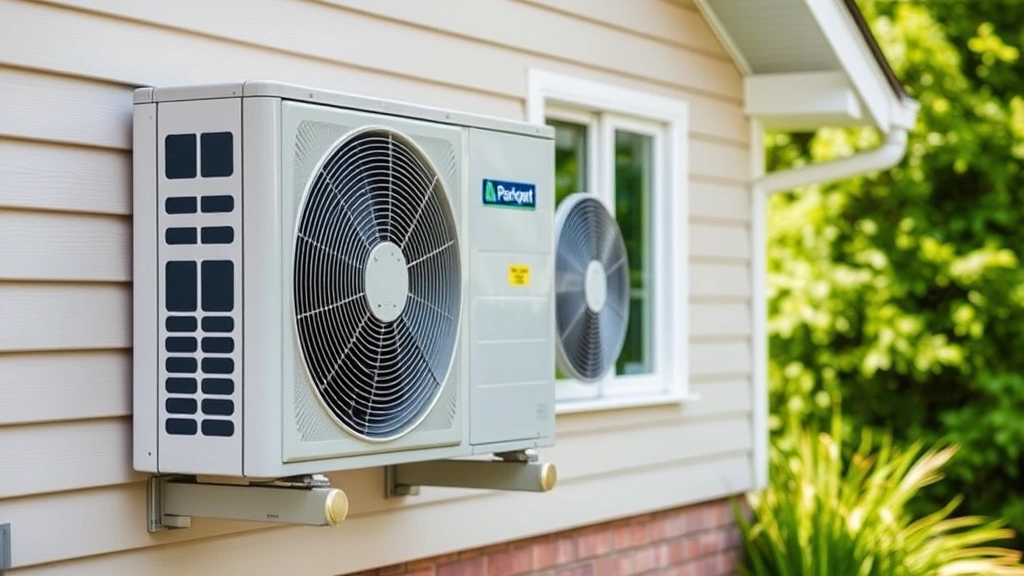
The economics of transitioning from natural gas heating systems to heat pumps and electric alternatives are becoming increasingly favorable. Lower upfront costs for heat pump equipment, combined with operational savings and available incentives, are making electrification economically attractive for many consumers. This trend accelerates natural gas demand decline in heating applications.
Businesses are similarly evaluating natural gas usage within broader sustainability and cost-management frameworks. Industrial facilities are investing in process efficiency, waste heat recovery, and renewable energy integration to reduce natural gas consumption and associated costs. These corporate sustainability initiatives are creating competitive advantages while advancing climate objectives.
Frequently Asked Questions
How do current natural gas prices compare to historical averages?
Recent price levels vary significantly by region and market timeframe. Spot prices have experienced considerable volatility, with some regions seeing prices well above historical averages due to supply constraints and geopolitical factors, while others experience relative stability. The NYMEX natural gas futures market provides real-time pricing data reflecting market expectations.
What role will natural gas play in achieving net-zero emissions targets?
Most climate scenarios incorporate natural gas as a declining but non-zero component of mid-century energy systems. However, pathways to net-zero increasingly minimize natural gas usage, prioritizing renewable energy, electrification, and carbon capture technologies. The specific role depends on regional circumstances, technology deployment rates, and policy choices.
Are new natural gas infrastructure projects economically viable long-term?
Project viability faces increasing uncertainty due to declining demand projections, stranded asset risks, and financing challenges. Financial institutions are increasingly skeptical of long-duration natural gas infrastructure investments, preferring renewable energy and storage technologies with longer economic lifespans and lower climate risk.
How can consumers reduce natural gas consumption?
Practical strategies include improving building insulation, upgrading to high-efficiency heating systems, transitioning to heat pumps, electrifying cooking appliances, and adopting comprehensive energy conservation practices. Professional energy audits can identify facility-specific opportunities for consumption reduction and cost savings.
What is the relationship between natural gas and renewable energy integration?
Historically, natural gas provided flexible generation balancing variable renewables. However, energy storage technologies are increasingly fulfilling this role, reducing natural gas dependency. Future energy systems will likely incorporate minimal natural gas, relying instead on renewables, storage, and demand flexibility mechanisms.