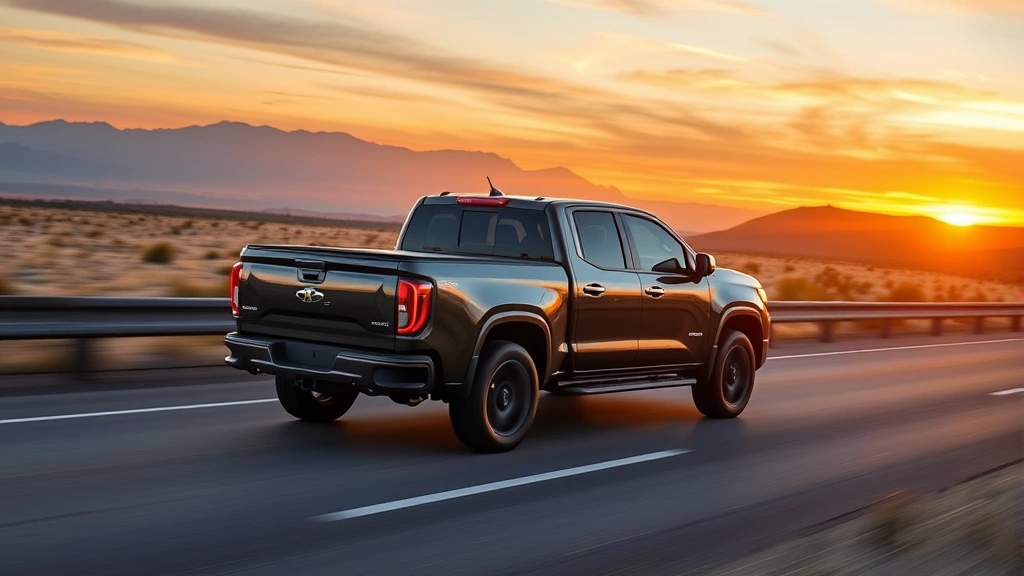
Top Gas Economy Trucks: Expert Picks 2023
Finding the best gas economy truck requires balancing performance, payload capacity, and fuel efficiency—a challenge that has become increasingly important as fuel prices fluctuate and environmental concerns grow. Modern pickup trucks have evolved dramatically, with manufacturers implementing advanced engine technologies, aerodynamic designs, and lightweight materials to maximize miles per gallon without sacrificing the ruggedness truck owners demand. Whether you’re a contractor looking to reduce operational costs or a weekend adventurer seeking better value at the pump, understanding which trucks deliver superior fuel economy can save thousands of dollars annually while reducing your carbon footprint.
The 2023 model year represents a significant milestone in truck efficiency innovation. Manufacturers have responded to consumer demand and regulatory pressure by engineering trucks that combine traditional capability with hybrid powertrains, efficient turbocharged engines, and smart transmission systems. This comprehensive guide explores the top-performing gas economy trucks available, examining their specifications, real-world performance data, and how they contribute to more sustainable transportation choices. By choosing a fuel-efficient truck, you’re not only making a financially savvy decision but also participating in the broader movement toward sustainable energy solutions in the transportation sector.
Understanding Truck Fuel Economy Metrics
Before diving into specific models, it’s essential to understand how truck fuel economy is measured and what the numbers actually mean. The EPA (Environmental Protection Agency) rates vehicles using a standardized testing procedure that measures fuel consumption in city driving, highway driving, and combined conditions. For trucks specifically, the combined rating typically represents a blend of 55% highway and 45% city driving, though real-world performance often varies based on individual driving habits and conditions.
Fuel economy is expressed in miles per gallon (MPG), representing how many miles a vehicle can travel on a single gallon of fuel. A truck achieving 22 MPG combined is considered excellent in the full-size pickup category, as most traditional gas-powered trucks typically deliver 17-20 MPG. Understanding these metrics helps consumers make informed decisions and set realistic expectations for fuel costs and environmental impact. The relationship between fuel efficiency and reducing your environmental footprint becomes clear when you consider that improving truck efficiency by just 3-4 MPG can eliminate several tons of CO2 emissions annually.
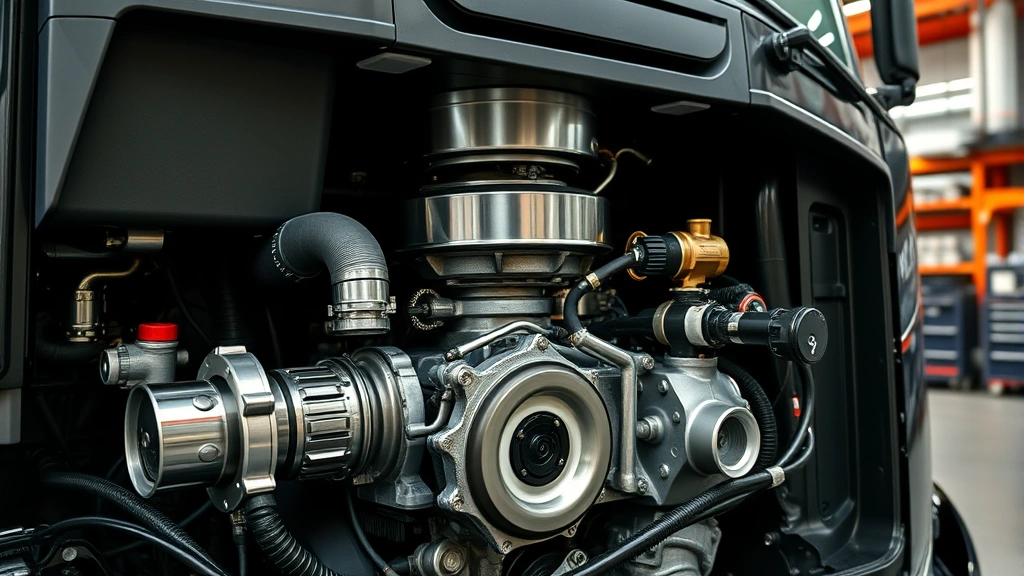
Manufacturers now employ multiple efficiency technologies working in concert. Turbocharged EcoBoost engines reduce engine size while maintaining power output, hybrid systems recover energy during braking, advanced transmissions optimize gear selection, and lightweight materials decrease overall vehicle weight. These innovations collectively contribute to measurable improvements in fuel economy without compromising the towing capacity and payload ratings that define a truck’s utility.

Ford F-150 EcoBoost: The Efficiency Leader
The Ford F-150 with EcoBoost engines stands as one of the most fuel-efficient full-size pickup trucks available in 2023. The 3.5L EcoBoost V6 engine, combined with a 10-speed automatic transmission, delivers approximately 22 MPG combined—an outstanding achievement for a truck in this class. This engine uses direct fuel injection, variable valve timing, and twin turbochargers to produce robust horsepower and torque while maintaining exceptional efficiency.
What makes the F-150 EcoBoost particularly impressive is its towing capacity, which reaches 14,000 pounds with the appropriate configuration. This means owners don’t sacrifice capability for efficiency. The truck’s aerodynamic design, featuring a sloped hood and optimized grille shutters that close when maximum cooling isn’t needed, contributes significantly to highway fuel economy. The integrated tailgate, which reduces wind drag, further enhances efficiency during highway driving.
Real-world owners report achieving 20-24 MPG on highway drives and 18-22 MPG in mixed city/highway conditions. The F-150’s popularity among fleet operators—companies that prioritize fuel costs—demonstrates the practical value of EcoBoost efficiency. Ford’s commitment to this technology, continuously refining it across model generations, shows confidence in its long-term viability. When considering green technology innovations, the EcoBoost represents a pragmatic bridge between traditional truck capability and modern efficiency demands.
The F-150’s efficiency extends beyond fuel consumption. Its reduced emissions profile contributes to better air quality, and the lower fuel consumption translates to fewer resources extracted from the environment annually. For contractors and business owners operating multiple vehicles, switching to EcoBoost-equipped F-150s can represent meaningful environmental and economic benefits across their entire fleet.
Chevrolet Silverado RST: Performance Meets Efficiency
The Chevrolet Silverado RST emerges as a strong competitor in the fuel-efficient truck category, particularly the model equipped with the 2.7L turbocharged EcoTec3 engine. This engine delivers approximately 21 MPG combined, making it competitive with Ford’s offerings while providing distinctive styling and Chevrolet’s renowned reliability reputation. The turbocharged four-cylinder architecture demonstrates how modern engineering can achieve efficiency without requiring engine downsizing that compromises performance.
Chevrolet’s approach emphasizes practical efficiency improvements including Active Fuel Management, which deactivates cylinders during light-load driving, and an eight-speed transmission that optimizes power delivery across diverse driving scenarios. The Silverado’s construction incorporates aluminum body panels that reduce overall weight, directly contributing to better fuel economy. These materials, when recycled at end-of-life, reduce environmental impact compared to heavier steel alternatives.
The Silverado RST offers an attractive value proposition for buyers seeking a best gas economy truck without premium pricing. Its towing capacity reaches 12,700 pounds, adequate for most consumer applications, while its payload capacity remains robust. The truck’s design emphasizes both form and function, with aerodynamic refinements that catch the eye while improving efficiency. Owners consistently report satisfaction with the balance between power, capability, and fuel economy, making it a practical choice for those who refuse to compromise.
Chevrolet’s commitment to efficiency extends to its service and parts network, ensuring that owners can maintain their vehicles cost-effectively throughout ownership. The manufacturer’s attention to durability means that fuel-efficient trucks remain efficient throughout their service lives, maximizing the environmental and economic benefits of the initial purchase decision.
Ram 1500 DT: Innovative Transmission Technology
The Ram 1500 DT (fifth generation) represents Dodge’s engineering philosophy applied to full-size pickup trucks. When equipped with the 3.6L Pentastar V6 engine and the advanced eight-speed transmission, the Ram 1500 achieves approximately 21 MPG combined. Ram’s engineering team designed this transmission specifically for the truck platform, optimizing it for the unique demands of pickup truck operation where towing and payload carrying are priorities.
What distinguishes the Ram 1500 is its attention to real-world driving scenarios. The transmission’s programming adapts to driving patterns, automatically selecting optimal gears for efficiency during highway cruising while maintaining responsive performance when power is needed. This intelligent adaptation means owners experience better fuel economy without sacrificing the driving experience that truck enthusiasts demand. The truck’s air suspension system further contributes to efficiency by reducing rolling resistance and improving aerodynamics at highway speeds.
Ram’s engineering extends to thermal management, with systems that warm the engine quickly during cold starts—reducing the inefficient running period—and maintain optimal operating temperatures. These seemingly minor details compound into measurable efficiency gains. The 1500’s design also emphasizes longevity, with corrosion-resistant materials and robust construction that means your truck remains efficient throughout its ownership period, avoiding the efficiency degradation that affects poorly maintained vehicles.
For buyers concerned with sustainability fundamentals, the Ram 1500’s combination of efficiency and durability represents a responsible choice. A truck that remains efficient and reliable for 200,000+ miles has a lower environmental cost per mile driven than a less durable alternative that requires replacement sooner.
GMC Sierra Elevation: Balanced Capability
The GMC Sierra Elevation provides a compelling alternative for buyers seeking premium truck experience with genuine fuel efficiency. When configured with the 2.7L turbocharged EcoTec3 engine—the same powerplant found in efficient Silverados—the Sierra achieves approximately 21 MPG combined while offering distinctive GMC styling and upscale interior appointments. GMC positions the Sierra as a lifestyle truck for consumers who value both capability and refinement.
The Sierra’s aerodynamic design, featuring a sleek grille and optimized body lines, demonstrates how aesthetic appeal and functional efficiency need not conflict. The truck’s lightweight construction, utilizing advanced materials where appropriate, reduces fuel consumption without sacrificing durability. GMC’s engineering focus on cabin refinement—including sound insulation and vibration dampening—creates a more pleasant driving experience that encourages highway driving, where efficiency advantages become most apparent.
Sierra owners appreciate the truck’s balanced approach to truck ownership. It delivers towing capacity exceeding 12,500 pounds, payload ratings appropriate for most uses, and the efficiency that makes regular operation economically sensible. The Sierra’s premium positioning means it attracts buyers willing to invest in quality, which often translates to better long-term value when fuel efficiency and reliability combine.
GMC’s commitment to practical efficiency improvements extends throughout the Sierra lineup. Even models without specific “eco” badging incorporate efficiency technologies as standard features, democratizing fuel savings across the brand’s customer base.
Toyota Tundra Hybrid: The Eco-Conscious Choice
The Toyota Tundra Hybrid represents the pinnacle of fuel efficiency in full-size pickup trucks for 2023, achieving approximately 24 MPG combined—a remarkable figure that edges toward midsize truck efficiency while maintaining full-size capability. Toyota’s hybrid system combines a 3.5L turbocharged V6 engine with electric motors, capturing braking energy and optimizing power delivery to maximize efficiency without compromising performance.
Toyota’s hybrid technology, refined through decades of development in passenger vehicles and now adapted for trucks, proves that hybrid powertrains can deliver truck-appropriate performance. The Tundra Hybrid accelerates responsively, tows 12,000 pounds, and carries substantial payloads while consuming significantly less fuel than comparable gas-only trucks. The hybrid system operates seamlessly, automatically transitioning between gas engine, electric motor, and combined operation based on driving conditions.
The environmental benefits of the Tundra Hybrid extend beyond fuel consumption. Lower fuel consumption means reduced carbon emissions, with the typical Tundra Hybrid owner producing several tons less CO2 annually compared to gas-only truck owners. Additionally, hybrid technology reduces tailpipe emissions of particulates and nitrogen oxides, contributing to better air quality in communities where trucks operate regularly.
While the Tundra Hybrid commands a premium price compared to gas-only alternatives, the fuel savings over a truck’s ownership period typically offset this premium. A driver traveling 15,000 miles annually saves approximately $1,200 annually in fuel costs compared to a comparable gas-only truck, accumulating to $12,000-$15,000 over a typical 10-year ownership period. This economic advantage, combined with environmental benefits, makes the Tundra Hybrid compelling for conscious consumers.
Toyota’s hybrid reliability reputation provides additional confidence. These systems have proven durable across millions of miles, with battery systems warranted for extended periods. The lower maintenance costs associated with hybrid braking systems—which use regenerative braking to reduce brake wear—further enhance the ownership value proposition.
Factors Affecting Truck Fuel Economy
Understanding what influences truck fuel economy helps buyers make decisions aligned with their specific needs. Engine size and type significantly impact efficiency; turbocharged engines deliver better fuel economy than naturally aspirated alternatives of similar displacement, while smaller-displacement engines generally consume less fuel than larger ones. However, engine choice involves tradeoffs with towing capacity and acceleration performance.
Transmission technology dramatically affects efficiency. Modern eight and ten-speed transmissions optimize gear selection across driving conditions, allowing engines to operate in their most efficient range. Older trucks with five or six-speed transmissions operate less efficiently, particularly on highways where higher gear ratios reduce engine RPM and fuel consumption.
Vehicle weight directly correlates with fuel consumption; lighter trucks require less energy to accelerate and maintain speed. Modern materials including aluminum and high-strength steel reduce weight while maintaining structural integrity. Towing capacity and payload ratings increase weight, which is why some efficiency is sacrificed when selecting higher-capacity configurations.
Aerodynamics influence highway fuel economy significantly. Trucks with optimized body shapes, active grille shutters, and reduced ground clearance experience less wind resistance. At highway speeds, aerodynamic efficiency becomes paramount, explaining why highway MPG ratings exceed city ratings for most trucks.
Driving habits substantially impact real-world fuel economy. Aggressive acceleration, speeding, and carrying unnecessary weight reduce efficiency. Maintaining proper tire pressure, regular maintenance including engine tune-ups, and moderate driving speeds improve fuel economy meaningfully. Exploring sustainability practices through our blog provides additional insights into optimizing vehicle efficiency.
Payload and towing significantly affect fuel economy. Carrying maximum payload or towing trailers increases fuel consumption, sometimes substantially. Understanding these tradeoffs helps buyers select appropriate truck configurations for their actual needs rather than maximum capabilities.
Tips for Maximizing Your Truck’s Efficiency
Regardless of which best gas economy truck you select, implementing efficiency practices maximizes your investment. Maintain proper tire pressure according to manufacturer specifications; underinflated tires increase rolling resistance and fuel consumption. Check pressure monthly and before long trips, as temperature changes affect tire pressure.
Reduce unnecessary weight by removing items from truck beds and cabins when not needed. Every 100 pounds of weight increases fuel consumption slightly; this compounds when carrying permanent modifications or equipment. Use roof racks and external storage only when necessary.
Practice moderate acceleration by gradually increasing speed rather than aggressive acceleration. Rapid acceleration dramatically increases fuel consumption, particularly in city driving. Conversely, maintain steady highway speeds; each 5 MPH increase in highway speed reduces fuel economy by approximately 7%.
Plan efficient routes combining multiple errands into single trips, reducing total mileage and trip frequency. Idling consumes fuel without producing movement; turn off the engine when parked for more than a few seconds. Avoid using air conditioning unnecessarily, as it increases engine load and fuel consumption.
Maintain your truck regularly including oil changes at manufacturer intervals, air filter replacements, and engine tune-ups. Clean engines operate more efficiently, and proper maintenance prevents efficiency degradation. Regular maintenance extends your truck’s lifespan, improving the environmental cost-benefit ratio of your vehicle ownership.
Use cruise control on highways to maintain consistent speeds, reducing the engine adjustments that decrease efficiency. Modern cruise control systems optimize fuel consumption better than manual speed maintenance.
Consider your driving conditions and select truck configurations appropriate for your actual needs. A truck optimized for highway driving differs from one optimized for heavy towing. Selecting appropriate configurations prevents paying for capability you won’t use while carrying unnecessary weight that reduces efficiency.
FAQ
What is considered good fuel economy for a full-size truck?
Good fuel economy for full-size trucks ranges from 20-24 MPG combined. Most traditional gas-powered full-size trucks achieve 17-20 MPG, so anything exceeding 20 MPG represents above-average efficiency. Hybrid full-size trucks achieve 22-25 MPG combined, representing excellent efficiency for their class.
Are hybrid trucks worth the premium cost?
For drivers covering significant annual mileage, hybrid trucks often achieve payback within 5-7 years through fuel savings. Additionally, some regions offer tax incentives for hybrid vehicle purchases. Beyond economics, hybrid trucks reduce environmental impact meaningfully. For low-mileage drivers, the premium may not offset fuel savings, making traditional engines more economically sensible.
How do turbocharged engines compare to naturally aspirated engines for efficiency?
Turbocharged engines deliver superior fuel economy compared to naturally aspirated alternatives of similar displacement. Turbocharging recovers energy from exhaust gases to boost air intake, allowing smaller engines to produce equivalent power with less fuel consumption. However, turbocharged engines may consume premium fuel in some applications, partially offsetting efficiency gains.
What’s the difference between EPA ratings and real-world fuel economy?
EPA ratings represent standardized testing under controlled conditions; real-world results vary based on driving habits, road conditions, and weather. Highway driving typically achieves EPA ratings or better, while city driving often falls below ratings due to frequent acceleration and idling. Individual driving habits significantly influence actual fuel economy.
Should I prioritize fuel economy over towing capacity?
This decision depends on your actual needs. If you regularly tow heavy loads, selecting a truck optimized for towing is sensible despite reduced efficiency. If towing is occasional, prioritizing efficiency and selecting a lighter-duty truck for most driving while renting when heavy towing is needed may prove more economical and environmentally responsible.
Do maintenance practices really affect fuel economy?
Yes, significantly. Proper tire pressure, regular oil changes, clean air filters, and engine tune-ups all improve fuel economy. Neglected maintenance can reduce fuel economy by 10-20% over time. Considering reducing your environmental footprint includes maintaining your vehicle properly to ensure it operates at peak efficiency throughout its lifespan.
Are smaller trucks more fuel-efficient than full-size trucks?
Generally, yes. Midsize trucks typically achieve 21-26 MPG combined, superior to full-size trucks. However, full-size trucks offer greater towing and payload capacity. For buyers not requiring full-size capability, midsize trucks provide efficiency advantages with adequate functionality for most consumer uses.
What external factors most significantly impact truck fuel economy?
Highway versus city driving represents the largest factor; highway driving typically improves fuel economy by 25-35% compared to city driving. Temperature affects fuel economy, with cold weather reducing efficiency by 10-20%. Wind conditions, road surface, and traffic patterns also influence fuel consumption meaningfully.


