Fix a Gas Cooker? Safety Tips Inside
A malfunctioning gas cooker can disrupt your kitchen routine and pose serious safety hazards if not addressed promptly. Whether you’re dealing with uneven heating, ignition problems, or unusual odors, understanding how to diagnose and fix common gas cooker issues is essential for maintaining a safe cooking environment. This comprehensive guide walks you through troubleshooting steps, safety protocols, and when to call a professional—all while considering the environmental implications of appliance maintenance and energy efficiency.
Gas cookers remain popular in many households due to their precise temperature control and immediate heat response. However, they require careful handling and regular maintenance to ensure optimal performance and safety. By learning basic repair techniques and recognizing warning signs, you can extend your appliance’s lifespan, reduce energy waste, and prevent dangerous situations like gas leaks or carbon monoxide exposure.
Understanding Your Gas Cooker Components
Before attempting any repairs, familiarize yourself with the key components of your gas cooker. The burner assembly consists of the gas valve, ignition system, burner cap, and flame ports. The oven burner operates similarly but includes a thermostat to regulate temperature. The gas supply line connects your cooker to the main gas source, while the ignition system can be either electric spark or hot surface ignition, depending on your model.
Understanding these components helps you identify problems more accurately. For instance, if only one burner isn’t working, the issue likely lies with that specific burner’s ignition system rather than the main gas supply. Similarly, knowing how your cooker’s safety valve functions—which prevents gas flow if the flame goes out—helps you appreciate the built-in protections your appliance provides.
Modern gas cookers often include sealed burners, which are easier to clean and maintain than traditional open burners. Some models feature convection ovens with multiple heating elements. Consulting your manufacturer’s manual provides specific details about your model’s design and recommended maintenance procedures. Check out our guide on how to save energy at home for tips on optimizing your cooking appliance’s efficiency.
Safety Precautions Before You Begin
Never compromise on safety when working with gas appliances. Always turn off the gas supply at the control knob before attempting any repairs. If you smell gas, do not use electrical switches, lighters, or any spark-generating devices. Instead, evacuate the area immediately and call your gas company’s emergency line from outside the building.
Ensure proper ventilation in your kitchen before and during repairs. Open windows and doors to allow fresh air circulation, which helps dissipate any residual gas odors. Keep a fire extinguisher rated for gas fires (Type C) nearby, and know how to use it. Never attempt repairs if you’re unsure about your skills—calling a licensed technician is always the safer option.
Wear protective equipment including safety glasses and work gloves to protect yourself from sharp edges and hot surfaces. Allow your cooker to cool completely before beginning work, especially if you’ve been using the oven. Keep children and pets away from the work area, and inform household members that you’re performing maintenance on the gas cooker.
Document your work by taking photos before disassembly—this helps during reassembly. Use only approved replacement parts from the manufacturer to maintain safety certifications and warranty coverage. Our blog features additional safety guidance for home appliance maintenance.
Common Gas Cooker Problems and Solutions
Gas cookers experience several recurring issues that homeowners can often resolve independently. Weak or no flame typically indicates a clogged burner port, dirty ignition electrode, or low gas pressure. Uneven heating suggests misaligned burner caps or partially blocked ports. Ignition problems where burners won’t light despite proper gas flow often stem from moisture on the ignition electrode or a faulty spark module.
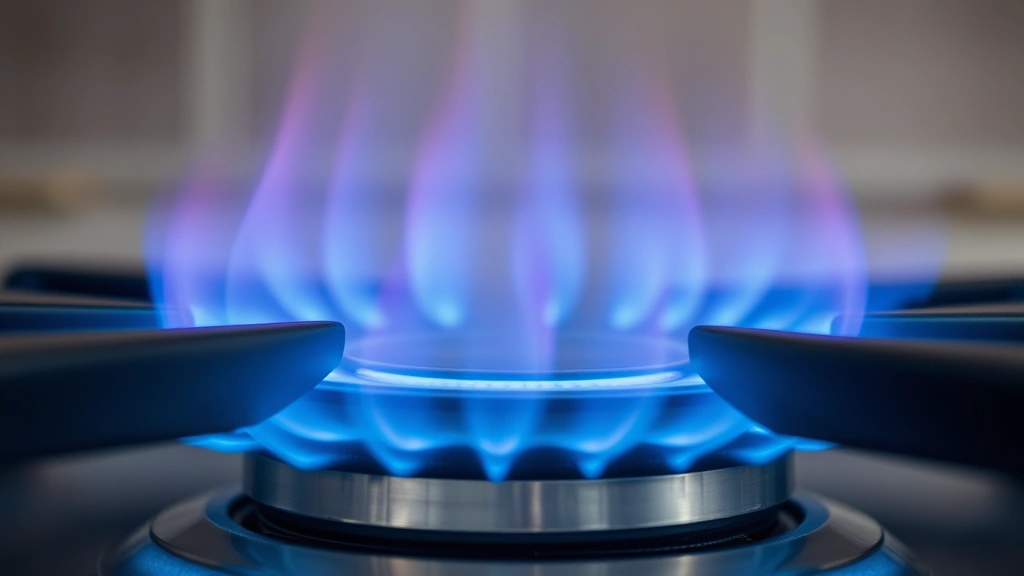
Oven temperature inaccuracy can result from a malfunctioning thermostat, dirty oven burner, or incorrect oven calibration. Yellow or orange flames instead of blue indicate incomplete combustion, often caused by dust accumulation or air shutter misalignment. Unusual odors beyond the typical gas smell warrant immediate investigation—rotten egg odors suggest mercaptan (gas company odor additive) leakage, while burning smells may indicate residue on heating elements.
Clicking sounds without ignition suggest the spark ignition system is working but not producing adequate spark. Gas smell with no visible leak could indicate a faulty safety valve or connection issue requiring professional attention. Burner won’t turn off points to a stuck gas valve requiring immediate professional service.
For detailed information about gas-related safety, visit the EPA’s Natural Gas Regulation page, which provides comprehensive safety guidelines. Additionally, explore our Natural Gas News section for updates on gas safety standards and best practices.
Step-by-Step Repair Guides
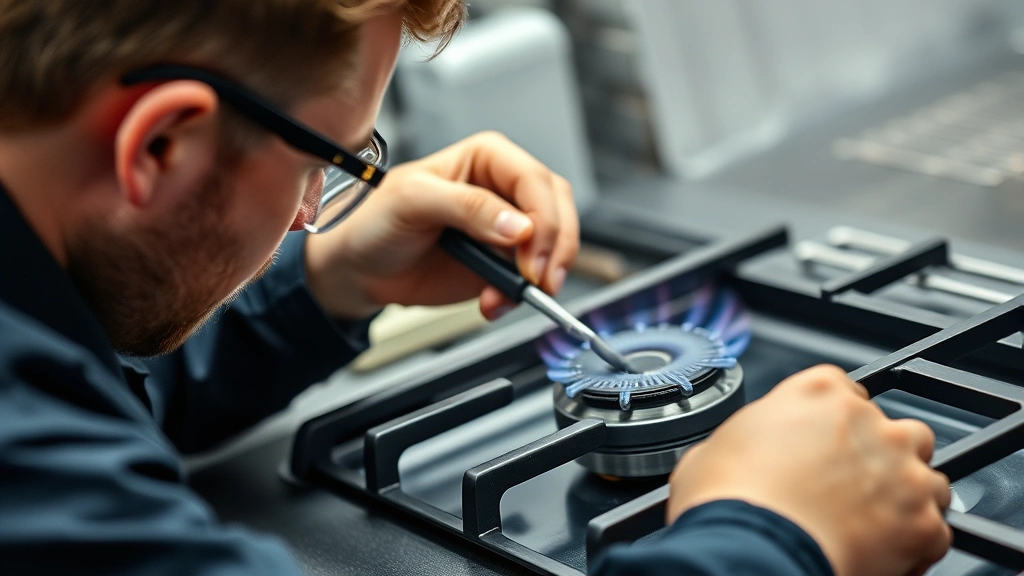
Cleaning Burner Ports: Remove the burner cap and grate. Use a thin wire or specialized burner cleaning tool to carefully clear each port hole of debris. Work gently to avoid enlarging the ports. Clean the surrounding area with a damp cloth and allow to dry completely before reassembly. This simple maintenance often restores proper flame quality and heating efficiency.
Replacing Ignition Electrodes: After turning off the gas and allowing cooling, locate the spark electrode—usually a thin metal rod near the burner. Remove the old electrode by unscrewing or unclipping it. Clean the new electrode with a dry cloth before installation. Position it so it sits approximately 1/8 inch from the burner. Test ignition before concluding repairs.
Adjusting Air Shutters: The air shutter controls oxygen flow to the burner. If flames are yellow or orange, loosen the air shutter screw slightly to allow more air. Make small adjustments and test after each change. Proper blue flames indicate correct air-to-gas ratio and efficient combustion.
Cleaning the Oven Burner: Remove the oven bottom or side panel according to your model’s design. Locate the oven burner and carefully clean ports using the same technique as stovetop burners. Ensure the ignition electrode is clean and properly positioned. Reassemble components carefully, following your manual’s instructions.
Replacing Thermostat: If your oven temperature is consistently inaccurate despite cleaning, the thermostat may need replacement. This typically requires removing the oven control panel and disconnecting the old thermostat. Install the new one according to manufacturer specifications and recalibrate as needed.
For more information on maintaining efficient home systems, review our article on sustainable energy solutions to understand how proper appliance maintenance contributes to overall household efficiency.
Gas Leak Detection and Prevention
Gas leaks pose serious health and safety risks, requiring immediate attention. Never use a flame to detect gas leaks—this creates explosion hazards. Instead, mix liquid dish soap with water in a spray bottle. Apply the solution around suspected leak areas (connections, valves, and seals). Bubbles forming indicate escaping gas.
Mercaptan odor—described as rotten eggs or sulfur—signals a gas leak. This distinctive odor is intentionally added to natural gas to aid detection. If you smell this, stop cooking immediately, evacuate the area, and call your gas company’s emergency number from outside. Do not re-enter the building until professionals confirm safety.
Prevention involves regular inspection of gas connections. Tighten any loose connections using an adjustable wrench. Check rubber hoses for cracks, brittleness, or damage—replace immediately if compromised. Some jurisdictions require professional inspection annually; check local regulations.
Install a gas detector in your kitchen to provide early warning of leaks. Modern detectors sound alarms when gas concentrations reach dangerous levels. Combine this with proper ventilation and regular maintenance to minimize leak risks. Learn more about gas safety standards from the Consumer Product Safety Commission, which establishes appliance safety requirements.
Educate household members about gas safety. Ensure everyone knows how to shut off the gas supply at the main valve in emergencies. Post emergency numbers prominently, including your gas company’s hotline.
Maintenance Tips for Longevity
Regular maintenance prevents most gas cooker problems and extends appliance lifespan. Monthly cleaning of burner caps and grates removes food debris and prevents buildup. Wipe down the cooktop after use with a damp cloth, ensuring no liquids enter gas ports.
Quarterly deep cleaning involves removing and thoroughly cleaning all removable components. Soak burner caps in hot soapy water, scrub grates with a stiff brush, and clean the cooktop surface completely. Allow components to dry fully before reassembly.
Annual professional inspection identifies potential issues before they become serious problems. Technicians check gas pressure, ignition systems, and safety valves. This investment in preventive maintenance prevents costly repairs and ensures safe operation.
Protective measures include using appropriate cookware that doesn’t obstruct burners, avoiding spilling liquids into burner assemblies, and never covering burners with foil or other materials. Store flammable materials away from the cooker, maintaining at least three feet of clearance on all sides.
Document maintenance activities in a simple log noting cleaning dates, repairs performed, and any observations about performance changes. This record helps identify patterns and informs professional technicians during service calls.
Consider upgrading to a green technology innovations cooker model if your current appliance is over 15 years old. Modern gas cookers feature improved efficiency, better safety systems, and reduced emissions compared to older models.
When to Call a Professional
Certain situations demand professional attention regardless of your repair confidence. Gas leaks require immediate professional service—never attempt DIY repairs for suspected leaks. Persistent ignition problems after cleaning electrodes and ports suggest electrical issues requiring specialized equipment to diagnose.
Control valve malfunction where burners won’t turn off or won’t turn on properly indicates problems beyond basic maintenance. Oven temperature won’t stabilize despite thermostat adjustment may reflect deeper issues. Unusual noises like loud banging or hissing warrant professional investigation.
If you’re uncomfortable performing repairs, uncertain about specific procedures, or lack appropriate tools, call a professional. Licensed technicians carry insurance, follow safety codes, and maintain warranty compliance. The cost of professional service is justified by safety assurance and proper repair execution.
After major repairs or if problems persist following your DIY attempts, professional evaluation ensures your cooker operates safely and efficiently. Many gas companies offer free safety inspections—contact yours to schedule an appointment.
Sustainable Alternatives and Upgrades
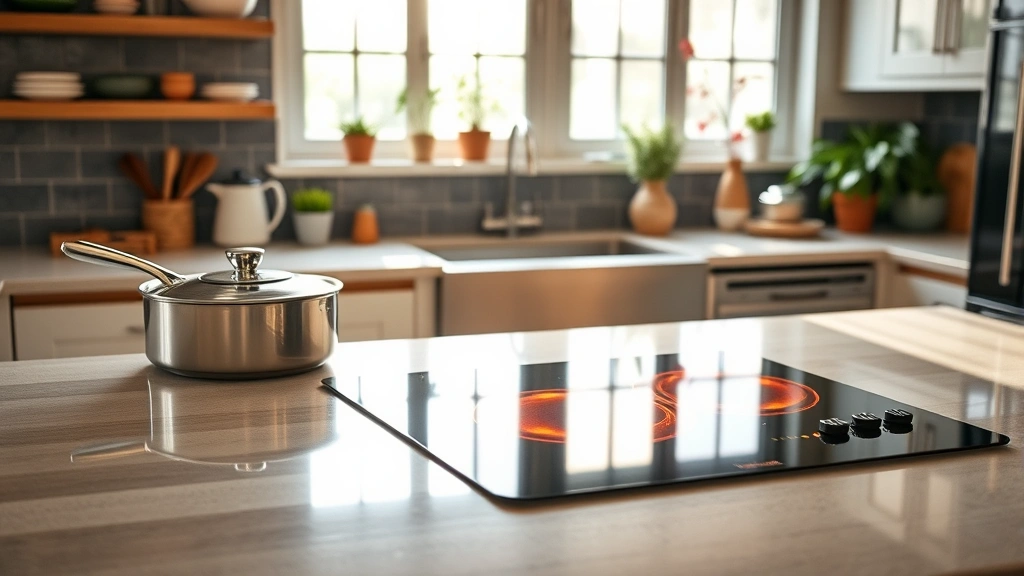
While gas cookers can be maintained for years, considering sustainable alternatives aligns with environmental responsibility. Induction cooktops offer superior energy efficiency, converting approximately 90% of energy to cooking heat compared to gas’s 40-55% efficiency. They provide precise temperature control and safety features, as they only generate heat when compatible cookware is present.
Electric coil burners represent a more budget-friendly upgrade, though less efficient than induction. Convection ovens distribute heat evenly, reducing cooking times and energy consumption. If upgrading isn’t immediately feasible, maximizing your current gas cooker’s efficiency through regular maintenance reduces environmental impact.
Hybrid cookers combining gas burners with electric ovens offer a middle-ground solution. These provide gas cooking precision while benefiting from electric oven efficiency and even heating. Newer models often include smart features allowing remote monitoring and optimization.
Before upgrading, research ENERGY STAR certified appliances, which meet strict efficiency standards. These models consume less energy, reduce utility bills, and minimize your carbon footprint. Consult our guide on advantages of electric vehicles for perspective on transitioning to cleaner energy technologies—similar principles apply to home appliances.
When replacing your cooker, properly dispose of the old unit through recycling programs or manufacturer take-back schemes, preventing landfill waste and allowing material recovery. Many retailers offer recycling incentives when purchasing new appliances.
FAQ
Is it safe to repair a gas cooker yourself?
Basic maintenance like cleaning burners is generally safe if you follow proper procedures and turn off the gas supply. However, gas leaks, valve problems, and complex electrical issues require professional service. When uncertain, prioritize safety and call a licensed technician.
How often should I have my gas cooker serviced?
Professional inspection annually is recommended. Monthly cleaning and quarterly deep maintenance should occur between professional visits. More frequent service may be necessary for heavily used cookers or older models.
What does a rotten egg smell near my gas cooker mean?
This indicates a gas leak. Evacuate immediately, don’t use electrical devices or create sparks, and call your gas company’s emergency line from outside. This distinctive odor is intentionally added to natural gas for safety detection.
Can I replace a gas cooker myself?
Gas cooker installation should be performed by licensed professionals to ensure proper connections, safety compliance, and warranty validity. Improper installation poses serious safety hazards including gas leaks and carbon monoxide exposure.
How can I improve my gas cooker’s efficiency?
Regular cleaning of burners and ports, adjusting air shutters for proper flame color, maintaining clean grates and cooktop, and ensuring proper ventilation all contribute to efficiency. Using appropriately sized cookware for burners also optimizes energy transfer.
What’s the lifespan of a typical gas cooker?
With proper maintenance, gas cookers typically last 15-20 years. Regular professional servicing, prompt repairs, and preventive maintenance extend lifespan. Models over 20 years old should be evaluated for replacement, as efficiency and safety features improve significantly in newer models.
Should I upgrade to an induction cooktop?
Induction cooktops offer superior efficiency and safety but require compatible cookware and higher initial investment. Evaluate your cooking habits, budget, and environmental priorities. If your current gas cooker functions well, maintaining it remains sustainable until replacement becomes necessary.
How do I know if my gas cooker has a leak?
Use the soap solution method: mix dish soap with water and apply to suspected areas. Bubbles indicate gas escaping. Never use flames for detection. Professional leak detection equipment provides definitive confirmation of leak locations.


