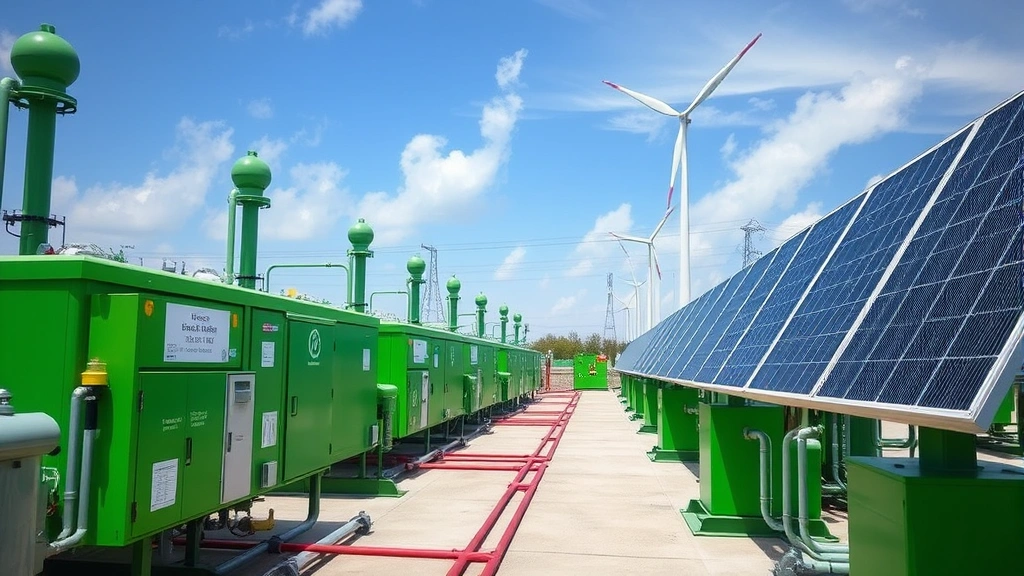
Diatomic Gases: Sustainable Energy Solution?
Diatomic gases—molecules composed of two atoms of the same element—represent one of nature’s most fundamental building blocks for energy production and industrial applications. Oxygen (O₂), nitrogen (N₂), hydrogen (H₂), and fluorine (F₂) are among the most significant diatomic gases found in our atmosphere and used across multiple sectors. As global energy demands intensify and climate change concerns escalate, understanding whether diatomic gases can serve as sustainable energy solutions becomes increasingly critical for environmental stewardship and long-term planetary health.
The sustainability potential of diatomic gases extends far beyond their basic chemical properties. These molecules power fuel cells, support renewable energy storage systems, and enable cleaner industrial processes. However, their true environmental impact depends on how we extract, produce, and utilize them. This comprehensive exploration examines the role diatomic gases play in our energy future, evaluating both their promise as clean alternatives and their limitations within a broader sustainability framework.
Understanding Diatomic Gases and Their Properties
Diatomic gases form the foundation of atmospheric chemistry and industrial energy systems. These molecules exist as two identical atoms bonded together, creating stable structures with unique thermodynamic properties. The most abundant diatomic gas in Earth’s atmosphere is nitrogen, comprising approximately 78% of air we breathe. Oxygen, the second most abundant at 21%, is essential for combustion and respiration. Hydrogen, while present in trace amounts naturally, has become increasingly important in sustainable energy discussions due to its high energy density and clean combustion properties.
The chemical stability of diatomic molecules makes them reliable for energy applications. Unlike more complex hydrocarbons, diatomic gases have straightforward molecular structures that simplify both production and utilization processes. Their boiling points, density characteristics, and reactivity profiles have been thoroughly studied, enabling precise engineering applications across diverse industries. Understanding these fundamental properties is essential for evaluating their potential as sustainable energy solutions within modern energy infrastructure.
The energy content of diatomic gases varies significantly. Hydrogen possesses the highest energy density per unit mass of any chemical fuel, containing approximately 120-142 megajoules per kilogram. Oxygen, while not directly used as a fuel, plays a crucial role in combustion efficiency and clean energy processes. Nitrogen serves different functions, primarily in inert applications and as a component in fertilizer production. These distinct properties determine their individual contributions to sustainable energy systems.
Hydrogen: The Zero-Emission Fuel Frontier
Hydrogen stands as the most promising diatomic gas for sustainable energy applications. When combusted, hydrogen produces only water vapor and heat, eliminating direct carbon dioxide emissions that characterize fossil fuel combustion. This zero-emission characteristic has positioned hydrogen as a cornerstone technology in global decarbonization strategies. Major economies worldwide are investing billions into hydrogen infrastructure development, recognizing its potential to revolutionize transportation, industrial heating, and electricity generation.
Hydrogen fuel cells convert chemical energy directly into electrical energy through electrochemical reactions, achieving efficiency rates of 40-60%, significantly higher than traditional internal combustion engines. This superior efficiency translates to reduced energy waste and lower operational costs over extended periods. Industries ranging from heavy transportation to semiconductor manufacturing increasingly view hydrogen as a viable pathway toward reducing transportation emissions and achieving industrial decarbonization targets.
However, hydrogen’s sustainability credentials depend entirely on production methods. Currently, approximately 95% of hydrogen production utilizes steam methane reforming, a process that generates substantial carbon dioxide emissions. Gray hydrogen, produced through this conventional method, offers minimal environmental advantages over existing fossil fuels. Green hydrogen, produced through electrolysis powered by renewable electricity, represents the truly sustainable pathway. Blue hydrogen, produced through steam reforming with carbon capture and storage, occupies a middle ground. The energy transition’s success increasingly hinges on scaling green hydrogen production to replace gray hydrogen across industrial applications.

Hydrogen storage and transportation present significant technical challenges. Hydrogen’s low volumetric energy density requires substantial storage infrastructure and specialized handling equipment. Liquefied hydrogen demands extreme cooling to -253°C, consuming considerable energy. Alternatively, hydrogen can be stored in underground caverns, converted to ammonia, or chemically bound in other compounds, each approach introducing complexity and cost considerations. Despite these challenges, ongoing innovations in storage technology and transportation networks continue advancing hydrogen’s practical viability as a widespread energy carrier.
Oxygen in Sustainable Industrial Applications
Oxygen, while not directly serving as a fuel, plays indispensable roles in sustainable energy and industrial processes. Oxy-fuel combustion technology burns fuels in pure oxygen rather than air, dramatically reducing nitrogen oxide emissions and enabling more efficient carbon capture. This technology shows particular promise for industrial applications where emission control and energy efficiency are paramount. Steel production, power generation, and chemical manufacturing all benefit from oxygen-enhanced processes that reduce waste and improve energy conversion rates.
Medical and environmental remediation applications of oxygen contribute to sustainability in less obvious but equally important ways. Oxygen-based water treatment systems eliminate contaminants without introducing harmful chemical byproducts. Industrial wastewater treatment using oxygen-based oxidation processes reduces reliance on chemical additives, minimizing secondary pollution. These applications demonstrate how diatomic gases extend sustainability benefits beyond energy production into environmental restoration and human health sectors.
The production of medical-grade oxygen through air separation units powered by renewable electricity represents an emerging sustainability opportunity. Healthcare facilities globally require continuous oxygen supply for patient care. Transitioning oxygen production to renewable-powered systems would eliminate substantial energy consumption associated with conventional air separation. This shift exemplifies how fundamental rethinking of industrial processes can integrate diatomic gases into broader sustainability frameworks.
Nitrogen’s Role in Clean Energy Systems
Nitrogen, Earth’s most abundant atmospheric gas, plays crucial roles in both energy systems and agricultural sustainability. In energy applications, nitrogen serves as an inert coolant in various industrial processes, preventing unwanted oxidation reactions and enabling precise temperature control. Cryogenic nitrogen applications in energy storage systems and industrial processes reduce reliance on environmentally harmful chemical coolants. These applications, while indirect, contribute meaningfully to overall sustainability by enabling cleaner operational processes across multiple industries.
The intersection of nitrogen chemistry and sustainable agriculture warrants attention within broader energy discussions. Nitrogen-fixing technologies and sustainable fertilizer production methods reduce energy consumption associated with conventional ammonia synthesis through the Haber-Bosch process, which currently consumes approximately 2% of global energy production. Green ammonia, synthesized using renewable electricity and hydrogen, offers pathways toward dramatically reducing agricultural energy footprints while maintaining food security. This connection illustrates how diatomic gases influence sustainability across interconnected systems.
Nitrogen’s role in emission control technology, particularly in selective catalytic reduction systems for power plants and vehicles, demonstrates its importance in reducing air pollution. These systems convert harmful nitrogen oxides into benign nitrogen gas and water vapor, preventing environmental degradation and protecting human health. As industrial facilities and transportation sectors transition toward cleaner technologies, nitrogen-based emission control remains essential infrastructure supporting the broader energy transition.
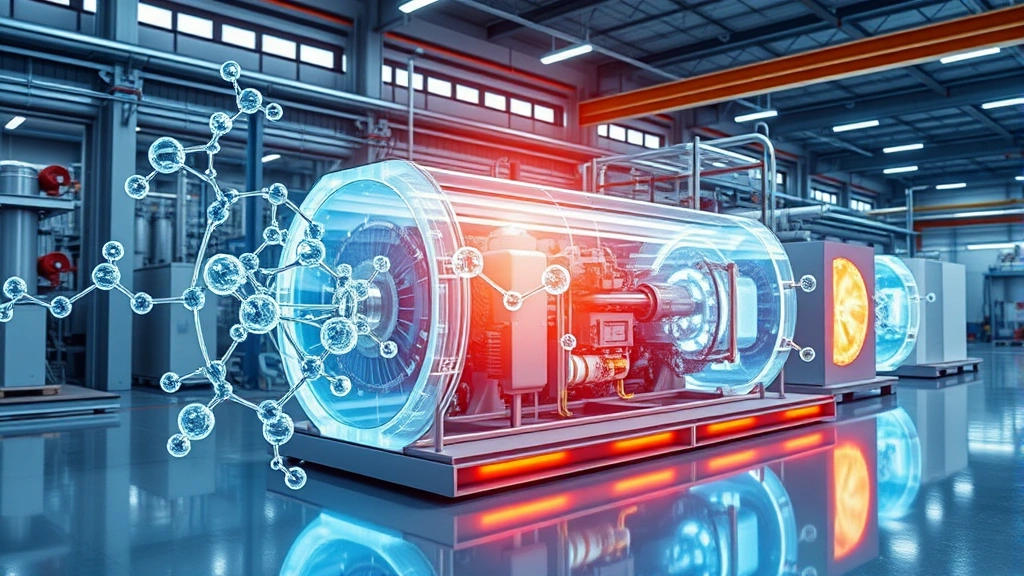
Production Methods and Environmental Impact
The sustainability of diatomic gases depends critically on production methodologies. Hydrogen production through electrolysis powered by renewable electricity generates minimal environmental impact, producing only water as a byproduct. Solar-powered electrolysis systems, concentrated solar thermal hydrogen production, and wind-powered facilities represent emerging technologies that align hydrogen production with renewable energy infrastructure. These green hydrogen pathways, while currently representing small percentages of total hydrogen production, demonstrate viable routes toward scaling sustainable diatomic gas production.
Conventional hydrogen production through steam methane reforming generates approximately 9-12 metric tons of carbon dioxide per metric ton of hydrogen produced. This significant carbon footprint undermines hydrogen’s sustainability credentials unless coupled with carbon capture and storage technologies. Blue hydrogen pathways implementing 90%+ carbon capture rates improve environmental performance but require substantial additional investment and energy inputs. The energy penalty associated with carbon capture and compression processes must be carefully evaluated within comprehensive lifecycle assessments.
Oxygen and nitrogen production through cryogenic air separation consumes substantial electricity, typically 0.4-0.6 kilowatt-hours per cubic meter of separated gas. Transitioning air separation units to renewable electricity sources would dramatically reduce their environmental footprints. Membrane-based separation technologies and pressure-swing adsorption systems offer lower-energy alternatives for specific applications, though they generally produce lower purity products. Selecting appropriate production technologies based on specific application requirements optimizes environmental performance across diatomic gas production sectors.
Industrial symbiosis opportunities enable more efficient diatomic gas production. Facilities producing hydrogen through steam methane reforming can integrate carbon capture systems utilizing the concentrated CO₂ streams. Oxygen produced as a byproduct of air separation can supply adjacent industrial processes, eliminating transportation energy. These integrated approaches maximize resource efficiency and minimize waste, embodying circular economy principles within diatomic gas production infrastructure.
Comparing Diatomic Gases to Traditional Energy Sources
Evaluating diatomic gases as energy solutions requires honest comparison with existing alternatives. Fossil fuels—coal, petroleum, and natural gas—currently dominate global energy systems due to established infrastructure, proven reliability, and economic competitiveness. However, their substantial carbon emissions and associated climate impacts increasingly render them incompatible with global decarbonization targets. Natural gas, while cleaner than coal, remains fundamentally carbon-intensive, making the transition to hydrogen-based systems strategically important for emissions reductions.
Renewable electricity from solar and wind sources offers the cleanest energy pathway but faces intermittency challenges requiring energy storage solutions. Diatomic gases, particularly hydrogen, serve crucial roles in renewable energy integration by enabling long-duration energy storage and seasonal load balancing. Power-to-gas systems convert excess renewable electricity into hydrogen, storing energy chemically for later utilization. This complementary relationship positions diatomic gases not as replacements for renewables but as essential infrastructure supporting renewable energy dominance in decarbonized energy systems.
Nuclear energy, another low-carbon electricity source, could power hydrogen production through electrolysis, creating synergies between nuclear and hydrogen technologies. Advanced reactors with high-temperature outputs could potentially enable thermochemical hydrogen production pathways requiring less electricity input. These technological combinations demonstrate how diatomic gases integrate with diverse energy sources within comprehensive decarbonization strategies rather than serving as standalone solutions.
Biomass and biofuels represent renewable carbon sources that might incorporate diatomic gases in production processes. Hydrogen can enhance biofuel quality through hydrotreatment processes, improving energy density and reducing emissions. These integrated approaches illustrate how diatomic gases support broader sustainability frameworks encompassing multiple energy pathways and industrial applications. Visit sustainable energy solutions resources for comprehensive comparative analyses across energy technologies.
Infrastructure and Implementation Challenges
Transitioning to diatomic gas-based energy systems requires substantial infrastructure investment and technological standardization. Hydrogen pipelines, refueling stations, and fuel cell manufacturing facilities represent capital-intensive projects requiring coordinated development across regions. Current hydrogen pipeline networks remain limited primarily to industrial regions in Europe, North America, and Asia, with significant expansion required for widespread hydrogen economy development. Building this infrastructure demands policy support, regulatory frameworks, and coordinated investment from both public and private sectors.
Safety considerations associated with hydrogen handling necessitate specialized training, equipment standards, and regulatory compliance across production, storage, transportation, and utilization. Hydrogen’s high flammability and wide explosive range require careful engineering and operational protocols. However, decades of industrial experience with hydrogen in chemical and refining sectors demonstrate that safe hydrogen handling at scale is technically achievable. Standards development organizations including the International Organization for Standardization continue refining hydrogen safety protocols and equipment specifications.
Economic competitiveness of hydrogen and other diatomic gas applications depends on technological maturation and scale deployment. Green hydrogen currently costs approximately $3-8 per kilogram, compared to $1-2 per kilogram for gray hydrogen. Reducing green hydrogen costs toward price parity with gray hydrogen requires continued technological innovation, manufacturing scale increases, and renewable electricity cost reductions. Policy mechanisms including carbon pricing, hydrogen subsidies, and renewable energy incentives accelerate cost reduction trajectories and market development.
Workforce development and skills training represent often-overlooked infrastructure requirements. Transitioning industrial facilities from conventional fossil fuels to hydrogen-based processes requires skilled technicians, engineers, and operators with specialized knowledge. Educational institutions and vocational training programs must align curricula with emerging hydrogen economy opportunities, ensuring workforce availability supports rapid deployment. Green technology innovations increasingly create employment opportunities across manufacturing, installation, and maintenance sectors.
Future Outlook and Technological Advances
Emerging technologies promise to enhance diatomic gas sustainability and economic performance. Advanced electrolyzers utilizing alkaline, proton exchange membrane, and solid oxide technologies continue improving efficiency, reducing capital costs, and expanding operational flexibility. Anion exchange membrane electrolyzers represent a promising frontier, potentially combining advantages of existing technologies while reducing material costs. These innovations collectively drive green hydrogen production toward economic competitiveness with conventional production methods.
Hydrogen storage technology innovations address current limitations constraining widespread deployment. Metal hydride systems, chemical hydrogen carriers, and underground storage expansion promise improved storage density, reduced energy penalties, and enhanced transportation efficiency. Liquid organic hydrogen carriers enable safe, efficient hydrogen transportation through existing logistics networks. These technological advances progressively eliminate infrastructure barriers currently limiting hydrogen economy development.
Fuel cell technology continues advancing across transportation, stationary power, and portable applications. Solid oxide fuel cells operating at high temperatures enable combined heat and power generation, improving overall system efficiency beyond 70%. Proton exchange membrane fuel cells achieve increasing power density, reducing size and cost per kilowatt. These improvements accelerate fuel cell adoption across diverse applications from heavy trucks to data centers requiring reliable backup power.
Integration of diatomic gases with digital technologies and smart energy systems enhances overall sustainability performance. Real-time monitoring of hydrogen production, storage, and utilization enables optimization of energy flows and efficiency improvements. Artificial intelligence applications in electrolysis operation, fuel cell performance management, and integrated energy system optimization promise significant performance enhancements. These digital-physical integrations exemplify how reducing environmental footprints increasingly depends on technological convergence across energy, materials, and information systems.
International collaboration and knowledge sharing accelerate diatomic gas technology deployment. The International Energy Agency, national hydrogen councils, and research consortiums facilitate technology transfer and best practice sharing. Global hydrogen projects connecting renewable energy regions with industrial demand centers demonstrate international commitment to hydrogen economy development. These collaborative frameworks support the coordinated transition necessary for achieving climate targets through sustainable energy systems.
Policy frameworks supporting diatomic gas infrastructure development continue evolving. The European Union’s hydrogen strategy, Japan’s hydrogen roadmap, and emerging hydrogen initiatives across the United States, South Korea, and Australia signal global recognition of hydrogen’s strategic importance. Carbon pricing mechanisms, renewable energy mandates, and hydrogen production incentives collectively create market conditions favoring sustainable diatomic gas development. However, long-term policy consistency and international alignment remain essential for achieving rapid deployment at required scales.
FAQ
Are diatomic gases truly renewable energy sources?
Diatomic gases themselves are not renewable resources; however, they can be produced through renewable processes. Green hydrogen produced via renewable electricity-powered electrolysis represents a renewable energy carrier. The sustainability depends entirely on production methods rather than the gases themselves. Gray hydrogen from natural gas reforming remains fossil fuel-dependent and carbon-intensive, while blue hydrogen includes carbon capture technologies that improve environmental performance.
How does hydrogen production impact overall energy efficiency?
Hydrogen production efficiency varies by method. Electrolysis achieves 70-90% efficiency converting electrical energy to hydrogen chemical energy, with higher efficiency at smaller scales. Steam methane reforming operates at 60-75% efficiency but produces significant carbon emissions. When considering end-to-end energy chains from primary energy sources through hydrogen production to utilization in fuel cells, overall system efficiency typically ranges 30-50%, comparable to conventional fossil fuel systems but with zero direct emissions when using renewable electricity.
What role do diatomic gases play in decarbonizing hard-to-abate sectors?
Diatomic gases, particularly hydrogen, offer decarbonization pathways for industrial sectors resistant to electrification. Steel production, cement manufacturing, chemical synthesis, and high-temperature heating processes can utilize hydrogen as a direct fossil fuel replacement. These hard-to-abate sectors represent approximately 30% of global energy-related emissions. Hydrogen enables these industries to maintain production capabilities while eliminating direct carbon emissions, making it strategically essential for comprehensive climate change mitigation.
How do current hydrogen costs compare to fossil fuels?
Green hydrogen currently costs $3-8 per kilogram, while gray hydrogen costs $1-2 per kilogram. When accounting for carbon pricing mechanisms and environmental externalities, hydrogen becomes increasingly competitive. As renewable electricity costs continue declining and electrolyzer technologies mature, green hydrogen costs are projected to decline toward $2 per kilogram by 2030, achieving economic parity with gray hydrogen and enabling rapid market expansion. Cost reductions vary by region based on renewable resource availability and policy support.
What are the main barriers to widespread hydrogen adoption?
Primary barriers include infrastructure development costs, lack of standardized safety protocols, limited hydrogen refueling station networks, and uncertain regulatory frameworks. Economic competitiveness with established fossil fuels, despite improving, remains challenging without policy support. Technological maturation of specific applications, particularly heavy transportation and industrial heating, continues advancing but requires demonstration projects and commercial deployment. These barriers are surmountable through coordinated policy support, continued technological innovation, and strategic infrastructure investment.
Can diatomic gases replace renewable electricity in energy systems?
No, diatomic gases serve complementary roles rather than replacement functions. Solar and wind electricity generation forms the foundation of decarbonized energy systems. Diatomic gases, primarily hydrogen, enable renewable energy integration through energy storage, seasonal load balancing, and direct utilization in applications unsuitable for electrification. This complementary relationship positions diatomic gases as essential infrastructure supporting renewable energy dominance rather than as alternative primary energy sources.
Diatomic gases represent neither complete energy solutions nor technological panaceas, but rather crucial components within comprehensive sustainability frameworks. Hydrogen’s zero-emission combustion, superior energy density, and versatile applications position it as strategically important for decarbonization. However, realizing this potential requires transitioning from gray to green hydrogen production, developing necessary infrastructure, and integrating diatomic gases with renewable electricity systems. The future energy landscape will inevitably incorporate diatomic gases alongside renewable electricity, energy efficiency improvements, and diverse technology pathways. Understanding their specific roles, limitations, and optimal applications enables strategic deployment supporting global sustainability objectives. For comprehensive information on sustainable energy pathways, explore the SustainWise Hub Blog for additional resources and detailed analyses.


