Is Gas Line Installation Eco-Friendly? Expert Insight on Environmental Impact
Gas line installation remains a common infrastructure choice for residential and commercial properties, yet its environmental implications deserve careful examination. While natural gas is often marketed as a cleaner alternative to other fossil fuels, the process of installing gas lines involves significant considerations regarding emissions, safety, and long-term sustainability. This comprehensive guide explores whether gas line installation aligns with eco-conscious living and what alternatives homeowners should consider.
As we transition toward a more sustainable future, understanding the full lifecycle impact of our energy infrastructure choices becomes increasingly critical. From installation practices to operational emissions, every aspect of gas line systems affects our environmental footprint. We’ll examine expert insights, regulatory standards, and emerging technologies that are reshaping how we think about residential gas infrastructure.
Understanding Gas Line Installation and Its Environmental Footprint
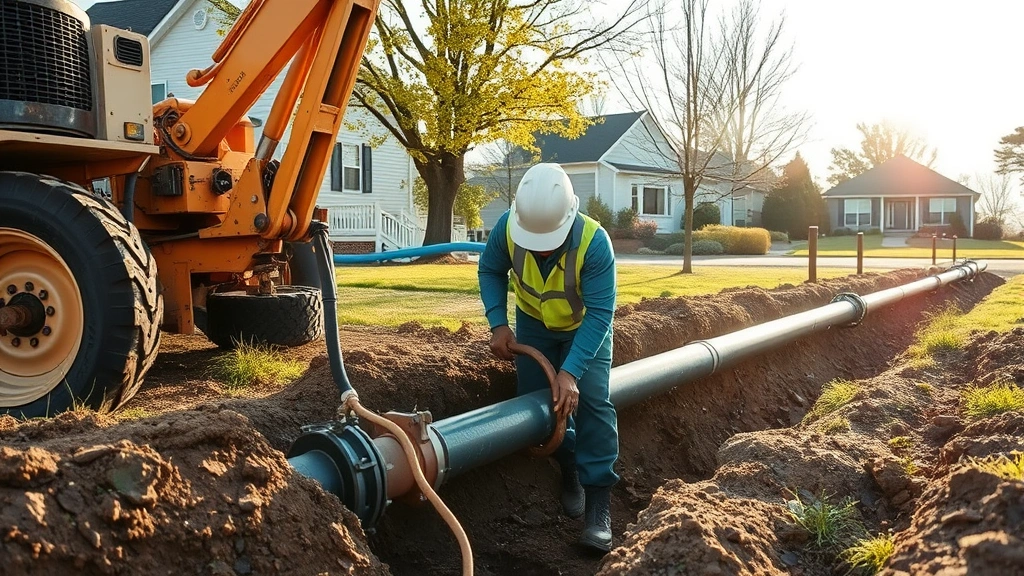
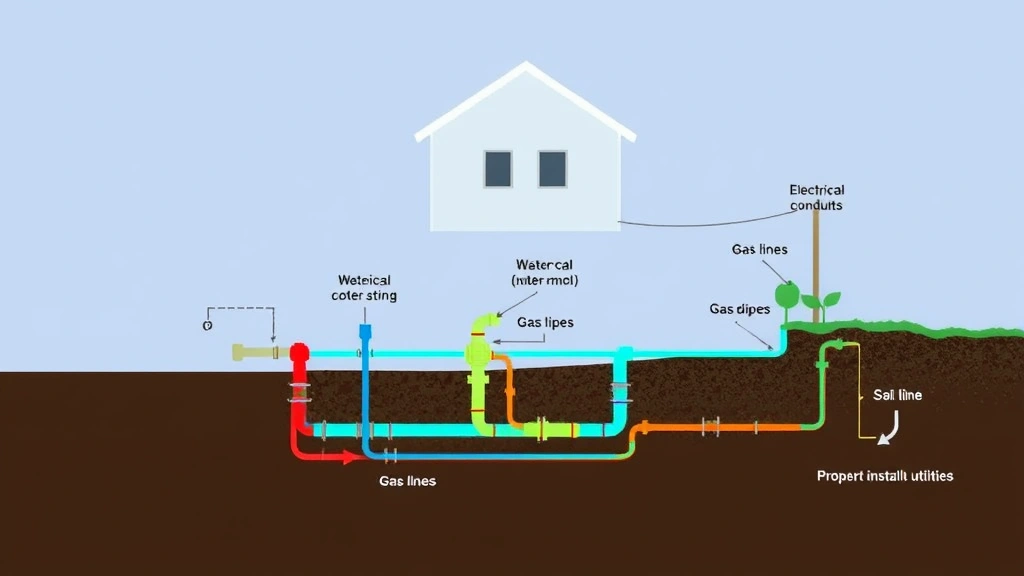
Gas line installation involves laying underground or above-ground piping networks that transport natural gas from distribution centers to individual properties. The installation process itself generates environmental impacts through equipment operation, material production, and land disruption. Understanding these factors helps property owners make informed decisions about their energy infrastructure.
The environmental footprint of gas line installation begins with the materials used. Modern gas lines typically utilize polyethylene or steel piping, both of which require significant manufacturing energy. Polyethylene production involves fossil fuel extraction and chemical processing, while steel production contributes substantially to global carbon emissions. When considering whether gas line installation aligns with sustainability goals, it’s essential to evaluate these upstream impacts alongside operational considerations.
Installation processes also involve excavation equipment that consumes fossil fuels and disturbs soil ecosystems. The depth and length of installation vary by property and terrain, affecting the overall environmental burden. Longer installations across residential areas require more extensive excavation, soil removal, and restoration efforts. These temporary impacts, while reversible, still contribute to the overall environmental cost of establishing gas infrastructure.
Regulatory compliance during installation requires proper pressure testing, leak detection, and safety verification. While these measures protect public safety, they also consume resources and extend project timelines. Modern sustainable energy solutions increasingly emphasize minimizing these environmental impacts through efficient installation practices and advanced detection technologies.
Lifecycle Emissions: From Installation to Operation
The true environmental impact of gas line installation extends far beyond the initial installation phase. A comprehensive lifecycle analysis must account for operational emissions over the system’s 50-year lifespan. Natural gas combustion produces carbon dioxide and water vapor, contributing directly to greenhouse gas emissions. The efficiency of appliances connected to these lines—furnaces, water heaters, and stoves—significantly influences overall environmental performance.
Operational emissions from natural gas combustion represent the largest environmental cost. When burned, natural gas produces approximately 50% fewer carbon emissions than coal but still generates substantial CO2. A typical household using natural gas for heating and hot water produces 4-5 metric tons of carbon dioxide annually. Over a 50-year system lifespan, this accumulates to significant cumulative emissions that must be weighed against alternatives.
Installation-related emissions, while smaller in absolute terms, contribute to the total environmental burden. Equipment operation during installation, material transportation, and site restoration collectively generate 100-500 tons of CO2 equivalent per mile of pipeline installed, depending on terrain and installation method. For a typical residential installation spanning 50-200 feet, this represents 0.5-2 tons of installation-specific emissions.
When exploring whether natural gas is renewable, it’s crucial to recognize that operational emissions dwarf installation impacts. However, both contribute to the total environmental cost. Homeowners should consider the combined lifecycle impact when deciding between gas infrastructure and alternative energy systems.
” alt=”underground-pipeline-installation-sustainable-practices” style=”width: 100%; max-width: 600px; margin: 30px 0; border-radius: 8px;”>
Methane Leakage: The Hidden Environmental Cost
Perhaps the most significant environmental concern associated with gas line systems is methane leakage. Methane is a potent greenhouse gas with a global warming potential approximately 25-28 times greater than carbon dioxide over a 100-year period. Even small leaks in residential gas lines accumulate across millions of properties, creating substantial environmental consequences.
Gas line installations are susceptible to leakage at connection points, joints, and valves. Studies indicate that 1-2% of natural gas distributed through residential networks escapes before reaching end users. This “fugitive methane” represents wasted energy and direct environmental harm. A single small leak—barely perceptible to homeowners—can release 10-20 pounds of methane annually, equivalent to the carbon footprint of driving a car 2,000 miles.
Detection and prevention of methane leaks require ongoing maintenance and monitoring. Professional inspections using specialized equipment can identify leaks before they become significant. However, many homeowners remain unaware of potential leaks in their systems. Regular maintenance—checking connections, inspecting visible piping, and addressing unusual gas smells—helps minimize these environmental impacts.
The EPA has established guidelines for methane emissions monitoring and reduction, recognizing the critical importance of addressing this issue. Homeowners committed to reducing their environmental impact should prioritize leak detection as part of their annual maintenance routine. This proactive approach can prevent significant methane releases and demonstrates commitment to sustainable living practices.
Comparing Gas Lines to Alternative Energy Solutions
To properly assess whether gas line installation is eco-friendly, comparison with alternative energy systems provides essential context. Electric heat pumps, solar thermal systems, and electric resistance heating offer different environmental profiles that deserve careful consideration. Each alternative involves distinct installation impacts, operational emissions, and long-term sustainability characteristics.
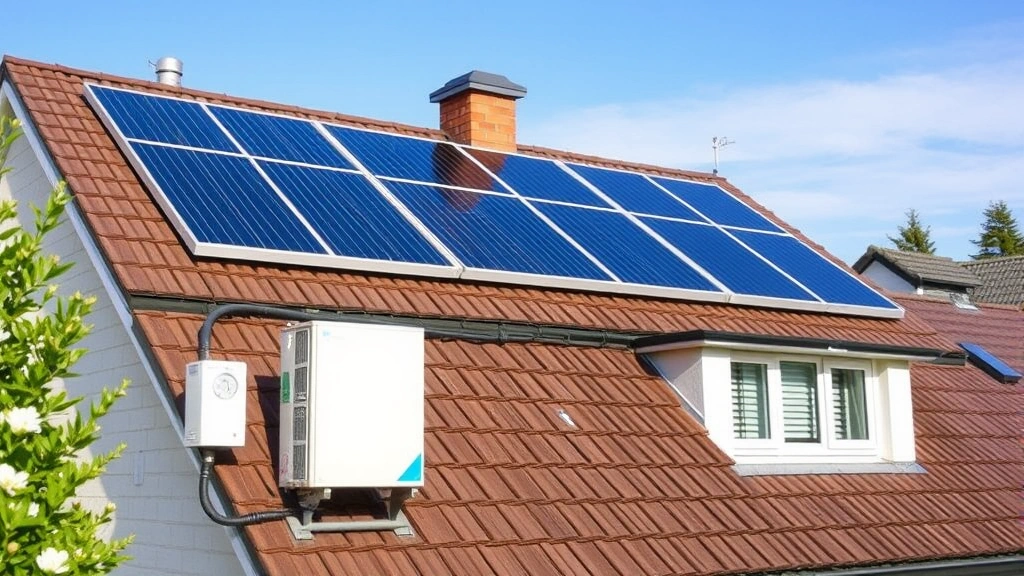
Electric heat pumps represent perhaps the most promising alternative to gas heating systems. These systems move heat rather than generating it through combustion, achieving efficiency ratings of 300-400%. When powered by renewable electricity, heat pumps produce zero direct emissions. The electricity grid’s carbon intensity varies by region, but in areas with significant renewable energy penetration, heat pump installations offer substantially lower environmental impact than gas systems.
Solar thermal systems directly harness the sun’s energy for water heating and space heating, eliminating operational emissions entirely. However, solar installation requires manufacturing and mounting materials, generating upfront environmental costs. Over a 25-year lifespan, solar thermal systems typically produce 80-90% lower emissions than gas systems, making them attractive for environmentally conscious homeowners in suitable climates.
When considering how to save energy at home with practical tips, energy efficiency improvements often prove more impactful than simply switching fuel types. Insulation upgrades, air sealing, and efficient appliances reduce overall energy demand, benefiting all heating systems. A well-insulated home with a gas heating system may produce fewer total emissions than a poorly insulated home with electric heating.
The environmental comparison ultimately depends on regional electricity sources, installation constraints, and homeowner priorities. In regions with coal-heavy electricity grids, gas heating may produce lower emissions than electric alternatives. Conversely, in areas with renewable energy dominance, electric systems substantially outperform gas infrastructure. Consulting local utility data and lifecycle assessments helps inform individual decisions.
” alt=”renewable-energy-alternatives-solar-panels-heat-pump-installation” style=”width: 100%; max-width: 600px; margin: 30px 0; border-radius: 8px;”>
Best Practices for Environmentally Responsible Gas Installation
For property owners who choose to proceed with gas line installation, implementing best practices minimizes environmental impact. Working with certified professionals, using high-quality materials, and following rigorous installation standards ensures the most efficient and safe system possible. These practices reduce both immediate environmental costs and long-term operational impacts.
Selecting certified and experienced installers ensures compliance with safety codes and environmental standards. Professionals trained in modern installation techniques minimize excavation damage, reduce material waste, and implement proper pressure testing procedures. Certification programs often include environmental responsibility training, ensuring installers understand and prioritize sustainability considerations.
Material selection significantly influences the environmental footprint of installed systems. High-density polyethylene piping, while still petroleum-based, offers advantages over alternatives: it’s flexible, reducing connection points where leaks occur; it’s durable, extending system lifespan; and it’s recyclable at end-of-life. Specifying premium materials during installation prevents costly replacements and reduces cumulative environmental impact.
Proper sizing of gas lines ensures efficient operation and reduces waste. Oversized piping increases material usage and system volume, while undersized lines create pressure issues and inefficiency. Professional load calculations determine optimal pipe diameters, balancing performance with environmental responsibility. This technical detail significantly influences the system’s overall sustainability profile.
Installation documentation and regular maintenance schedules help track system performance and identify emerging issues. Creating a maintenance log—recording inspection dates, any repairs, and leak tests—enables homeowners to monitor their system’s environmental performance. This proactive approach identifies problems before they escalate, preventing significant methane releases and operational inefficiency.
Consider installing green technology innovations alongside gas infrastructure to offset environmental impacts. Smart thermostats optimize heating schedules, reducing overall consumption. Weatherization improvements decrease heating demands. These complementary upgrades enhance the sustainability profile of any heating system.
Future Technologies and Sustainable Alternatives
The future of residential gas infrastructure increasingly incorporates renewable natural gas and advanced efficiency technologies. Renewable natural gas—produced from organic waste, wastewater, and agricultural byproducts—offers a pathway toward sustainable gas heating. When sourced responsibly, this alternative maintains existing infrastructure compatibility while dramatically reducing lifecycle emissions.
Biogas and biomethane production from organic waste streams represents an emerging opportunity for sustainable energy. These processes convert waste materials into usable fuel, reducing landfill emissions while providing renewable energy. As production scales and distribution networks develop, renewable natural gas could substantially improve the environmental profile of existing gas infrastructure.
Hybrid heating systems combining gas and electric technologies represent another promising development. These systems utilize gas for peak heating demands while relying on electric heat pumps during moderate weather, optimizing efficiency and reducing overall emissions. Hybrid approaches allow gradual transitions away from fossil fuels while maintaining reliable heating performance.
Advanced leak detection technologies—including acoustic sensors, infrared imaging, and distributed fiber-optic monitoring—improve methane emissions tracking and prevention. These technologies enable rapid identification and repair of leaks, preventing significant environmental impacts. As detection becomes more sophisticated and affordable, system performance and environmental responsibility will improve dramatically.
Policy developments increasingly favor emissions reductions in residential heating. Many jurisdictions now restrict new natural gas connections, requiring electric heating systems for new construction. Existing homeowners may face incentives—or eventually mandates—to transition away from gas infrastructure. Understanding these evolving regulatory landscapes helps inform long-term decision-making about gas line systems.
The trajectory toward decarbonized heating systems suggests that new gas line installations may represent increasingly obsolete infrastructure. Homeowners installing gas systems today should consider the 50-year operational lifespan and potential future regulatory requirements. Investments in efficiency, renewable alternatives, or hybrid systems may offer better long-term value and environmental alignment.
Frequently Asked Questions
Is natural gas cleaner than other fossil fuels?
Natural gas produces approximately 50% fewer carbon emissions than coal when burned, making it cleaner in direct comparison. However, this advantage diminishes significantly when accounting for methane leakage throughout the distribution system. Additionally, renewable energy sources produce substantially fewer emissions than any fossil fuel option.
How often should gas lines be inspected for leaks?
Professional inspections should occur annually or whenever unusual gas odors are detected. Homeowners should also visually inspect accessible piping quarterly for corrosion or damage. Regular maintenance prevents small leaks from accumulating into significant environmental and safety problems.
What is the typical lifespan of a residential gas line installation?
Modern gas lines typically last 50-80 years with proper maintenance. However, environmental considerations suggest that shorter-lived alternatives may become preferable as renewable energy technologies improve and costs decrease. Planning for eventual system replacement helps with long-term sustainability goals.
Can existing gas line installations be converted to renewable natural gas?
Yes, existing infrastructure can utilize renewable natural gas without modifications. As biomethane production increases and distribution networks develop, homeowners can potentially transition to renewable fuel sources while maintaining current appliances and piping systems.
How do electric heating systems compare environmentally to gas lines?
Electric heat pumps powered by renewable electricity produce zero operational emissions. Even in regions with fossil fuel-heavy electricity grids, heat pumps typically produce 30-50% fewer lifecycle emissions than gas systems. Comparison depends heavily on local electricity sources and installation efficiency.
What are the upfront costs of gas line installation?
Residential gas line installation typically costs $1,500-$5,000 depending on distance, terrain, and complexity. While generally less expensive than electric heating system installation, this lower upfront cost should be weighed against higher long-term operational emissions and environmental impacts.


