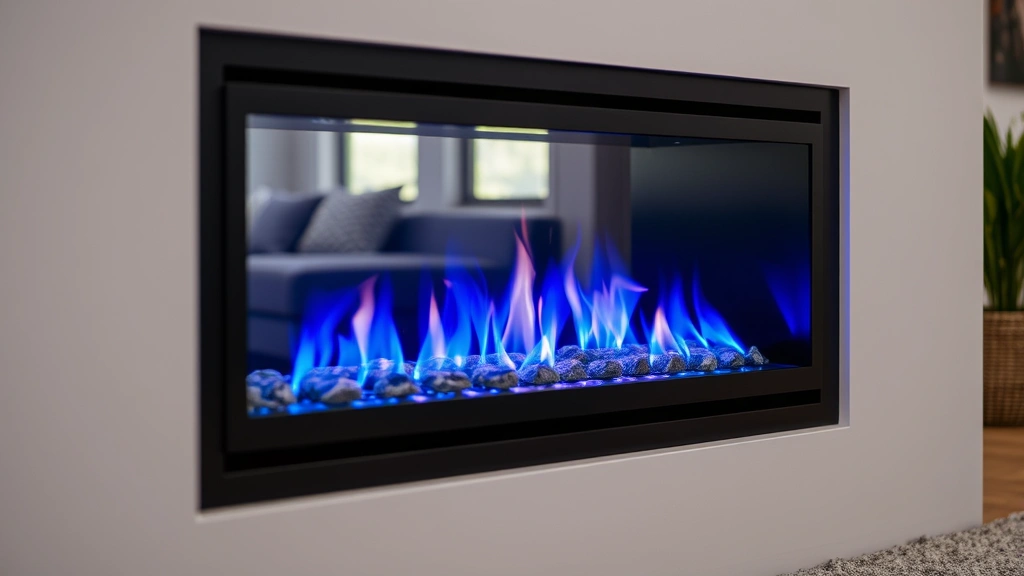
Gas Logs: Are They Eco-Friendly? Expert Insights
Gas logs have become increasingly popular in modern homes as a convenient alternative to traditional wood-burning fireplaces. They offer the aesthetic appeal of a cozy fire without the hassle of chopping, storing, and burning wood. However, as environmental consciousness grows, homeowners are asking critical questions about the sustainability of gas logs and their impact on our planet. This comprehensive guide explores the ecological implications of gas logs, comparing them to other heating alternatives and examining whether they truly deserve a place in eco-conscious homes.
The debate over gas logs’ environmental friendliness is nuanced and multifaceted. While they produce fewer particulates than wood fires, they rely on natural gas—a fossil fuel with its own carbon footprint and extraction concerns. Understanding the full lifecycle impact of gas logs requires examining their emissions, efficiency, and comparison to renewable heating alternatives. By diving deep into the science and sustainability metrics, we can help you make an informed decision about whether gas logs align with your environmental values.
Emissions and Carbon Footprint
Gas logs produce significantly lower emissions compared to traditional wood-burning fireplaces. When wood burns, it releases not only carbon dioxide but also particulate matter, volatile organic compounds (VOCs), and other air pollutants that contribute to indoor and outdoor air quality degradation. Gas logs, conversely, produce primarily carbon dioxide and water vapor, making them a cleaner-burning option from an immediate air quality perspective.
However, the carbon footprint extends beyond what comes out of your fireplace. Natural gas extraction, processing, and transportation all contribute to the overall environmental impact. According to the EPA, natural gas accounts for approximately 30% of U.S. electricity generation and heating, making its lifecycle emissions a legitimate environmental concern. When you burn one unit of natural gas, you’re contributing to these upstream emissions from drilling and pipeline infrastructure.
The efficiency of gas logs directly affects their carbon footprint. Most decorative gas logs operate at 70-90% efficiency, meaning they convert 70-90% of the fuel’s energy into heat. This is substantially better than wood fireplaces, which typically operate at 10-15% efficiency. However, this efficiency advantage diminishes when gas logs are used as decorative elements rather than primary heating sources, as they may operate when heating isn’t necessary.
Methane leakage presents another critical environmental consideration. Natural gas is primarily methane, a greenhouse gas approximately 84-86 times more potent than carbon dioxide over a 20-year period. Even small leaks during extraction and transmission significantly amplify the climate impact of gas logs. This is why proper gas leak detection is essential for minimizing environmental harm.
Energy Efficiency Compared to Other Options
When evaluating gas logs’ eco-friendliness, efficiency metrics reveal important distinctions. Traditional wood fireplaces lose most heat up the chimney, making them one of the least efficient heating methods available. Gas logs eliminate this problem by containing the combustion process and directing heat into your living space. However, efficiency alone doesn’t determine environmental impact—the source of energy matters equally.
Compared to electric heating, gas logs generally perform similarly in terms of room heating efficiency, though electric heat pumps can achieve 200-400% efficiency through heat transfer technology. When compared to modern heat pump systems powered by renewable electricity, gas logs appear considerably less efficient from a lifecycle perspective. Implementing sustainable energy solutions like heat pumps represents a more environmentally responsible choice for climate-conscious homeowners.
Gas logs’ efficiency advantage becomes more meaningful when considering their role in supplemental heating. Using gas logs to heat specific rooms while maintaining lower temperatures elsewhere can reduce overall energy consumption compared to heating an entire home. This targeted heating approach, combined with practical energy-saving strategies, can help minimize your household’s environmental impact.

Environmental Impact of Natural Gas
Understanding whether gas logs are eco-friendly requires examining the broader environmental implications of natural gas as an energy source. Natural gas is a fossil fuel formed from ancient organic matter, and its extraction involves drilling deep into the earth, often in environmentally sensitive areas. Hydraulic fracturing (fracking), used to extract much of today’s natural gas, raises concerns about groundwater contamination, methane emissions, and habitat disruption.
The International Energy Agency reports that methane emissions from oil and gas operations represent a significant climate challenge, with fugitive emissions occurring throughout the supply chain. When methane escapes during extraction, processing, and transportation, it contributes substantially to climate change before ever reaching your home’s fireplace.
The extraction process also raises questions about land use and ecosystem preservation. Natural gas drilling requires infrastructure development, including pipelines, compressor stations, and processing facilities. These developments fragment habitats and can disrupt wildlife migration patterns. For environmentally conscious homeowners, supporting demand for natural gas contributes to these ecological disruptions.
However, natural gas does produce fewer emissions per unit of energy than coal or oil, positioning it as a transitional fuel in the shift toward renewable energy. Some environmental experts view natural gas as an acceptable bridge fuel while society transitions to zero-carbon energy sources. This perspective suggests gas logs might be defensible as a temporary solution, though long-term sustainability demands moving beyond all fossil fuels.
Proper gas line installation and maintenance minimize methane leakage from your home’s system. Ensuring your gas delivery infrastructure is installed and maintained correctly prevents unnecessary emissions and supports safer, more efficient operation.

Installation and Maintenance Considerations
The environmental impact of gas logs extends beyond fuel combustion to include installation and ongoing maintenance. Professional gas line installation ensures your system operates safely and efficiently, preventing leaks that waste fuel and increase emissions. Proper installation also maximizes the structural integrity of gas delivery systems, reducing the need for frequent repairs.
Regular maintenance is crucial for environmental responsibility. Over time, gas logs can develop small leaks or inefficiencies that increase fuel consumption without proportional heat output. Scheduling annual inspections before the heating season helps identify and address these issues. Dirty burners, corroded components, or damaged seals all reduce efficiency and increase emissions.
When repairs become necessary, professional gas line repair services ensure work meets safety and environmental standards. Attempting DIY repairs risks creating gas leaks, which waste resources and increase environmental harm. Professional technicians have the expertise to identify problems, implement solutions, and verify system integrity.
Installation materials also carry environmental weight. High-quality, durable materials reduce the need for replacement and repair, decreasing the lifecycle environmental impact. Some manufacturers now offer low-emission gas log systems with improved combustion technology that further reduces pollutant output. Researching products with environmental certifications helps identify options aligned with sustainability values.
Sustainable Heating Alternatives
For homeowners prioritizing environmental responsibility, several alternatives to gas logs deserve consideration. Electric heat pumps represent one of the most promising technologies, achieving exceptional efficiency by transferring heat rather than generating it through combustion. When powered by renewable electricity, heat pumps produce zero direct emissions and offer superior environmental performance compared to gas logs.
Wood pellet stoves, while still combustion-based, offer carbon-neutral heating when fueled by sustainably harvested pellets. Pellets made from forestry waste or sustainably managed forests represent renewable resources, unlike fossil fuels. However, pellet stoves still produce particulates and require careful maintenance to minimize air pollution.
Solar thermal heating systems capture the sun’s energy to heat water for space heating and domestic use. Combined with battery storage and backup systems, solar heating can substantially reduce reliance on gas logs or other fossil fuel heating. While initial installation costs are higher, long-term operational savings and environmental benefits justify the investment for many homeowners.
Radiant heating systems, powered by renewable electricity or efficiently produced heat, offer comfortable warmth while reducing energy consumption compared to traditional heating methods. These systems can be combined with renewable energy sources for maximum environmental benefit. Exploring comprehensive sustainable energy solutions reveals numerous options superior to gas logs from a climate perspective.
Health and Safety Factors
Beyond environmental impact, gas logs raise health and safety considerations relevant to sustainability. While gas logs produce fewer particulates than wood fires, they still release combustion byproducts into your home. Proper ventilation ensures these emissions exit safely, but poorly maintained systems can allow carbon monoxide and other harmful gases to accumulate indoors.
Indoor air quality directly affects respiratory health and quality of life. Households with vulnerable populations—children, elderly members, or those with respiratory conditions—should carefully evaluate gas logs’ safety. The CDC provides guidance on indoor air quality and combustion appliance safety, emphasizing the importance of proper installation and maintenance.
From an environmental justice perspective, communities near natural gas extraction and processing facilities experience disproportionate health impacts from air and water pollution. Supporting demand for gas logs contributes to these environmental inequities. Choosing renewable heating alternatives helps shift markets toward technologies that don’t concentrate pollution in vulnerable communities.
Safety concerns also relate to gas leaks, which pose immediate risks to household members while wasting resources. Using a gas leak detector provides peace of mind and prevents both safety hazards and environmental damage. Regular safety inspections complement leak detection, ensuring comprehensive system integrity.
FAQ
Are gas logs better for the environment than wood-burning fireplaces?
Yes, gas logs produce significantly fewer particulates and air pollutants than traditional wood fireplaces. They operate at 70-90% efficiency compared to wood fireplaces’ 10-15%, converting more fuel energy into usable heat. However, this doesn’t make them truly eco-friendly—natural gas remains a fossil fuel with extraction and methane leakage concerns. They’re a cleaner option than wood but inferior to renewable heating alternatives.
Do gas logs contribute to climate change?
Gas logs burn natural gas, a fossil fuel that releases carbon dioxide when combusted. Additionally, methane leakage throughout the natural gas supply chain amplifies climate impact. While gas logs are more efficient than many alternatives, they still contribute to greenhouse gas emissions. Renewable heating sources like electric heat pumps powered by clean electricity offer genuinely climate-friendly heating.
What’s the difference between decorative and functional gas logs?
Decorative gas logs prioritize aesthetics over heat output and efficiency, while functional gas logs are designed to provide meaningful heating. If you’re using gas logs primarily for ambiance rather than heat, their environmental impact is harder to justify since you’re burning fuel without substantial heating benefit. Functional gas logs make more environmental sense when used as legitimate heat sources.
How can I make my gas logs more environmentally responsible?
Ensure professional gas line installation and regular maintenance to maximize efficiency and prevent leaks. Use gas logs strategically for zone heating rather than running them continuously. Schedule annual inspections and promptly address any repairs. Use gas leak detection technology to identify and prevent methane emissions. Most importantly, consider transitioning to renewable heating alternatives when feasible.
What are the best eco-friendly alternatives to gas logs?
Electric heat pumps powered by renewable electricity represent the most sustainable option, achieving superior efficiency with zero direct emissions. Solar thermal heating systems capture renewable energy directly. Sustainably sourced wood pellet stoves offer carbon-neutral heating. Radiant heating systems powered by clean electricity provide comfortable, efficient warmth. Explore comprehensive sustainable energy solutions to find options matching your home’s specific needs and climate.
Is natural gas considered renewable energy?
No, natural gas is a fossil fuel formed from ancient organic matter and is definitively non-renewable. Once extracted and burned, it cannot be naturally replenished on human timescales. For detailed information about renewable versus non-renewable energy sources, explore whether natural gas is renewable and how it compares to truly sustainable energy options.
How much does it cost to maintain gas logs?
Annual maintenance typically costs $100-300 for professional inspections and cleaning. Repairs for damaged components, leaks, or corroded parts can range from $200-1000+ depending on severity. Investing in regular maintenance prevents costly repairs and ensures efficient operation, reducing fuel consumption and environmental impact. Professional technicians providing gas line repair services can assess your system’s condition and recommend cost-effective maintenance strategies.
Can gas logs be used as a primary heating source?
Yes, modern gas logs can serve as primary heating sources, particularly in mild climates or for zone heating strategies. When used as primary heat, their efficiency advantage becomes more meaningful environmentally. However, even as primary heat sources, gas logs remain less sustainable than renewable alternatives. For comprehensive home heating strategies, explore practical energy-saving approaches combining efficient heating with conservation measures.
What certifications should I look for in eco-friendly gas logs?
ENERGY STAR certification indicates superior efficiency standards. Look for products meeting EPA emissions standards for decorative hearth appliances. Some manufacturers pursue third-party environmental certifications verifying reduced emissions and sustainable manufacturing practices. Research specific product certifications and environmental claims before purchasing.
How do gas logs compare to electric fireplaces?
Electric fireplaces produce zero direct emissions and offer 100% efficiency converting electricity to heat. When powered by renewable electricity, they’re significantly more sustainable than gas logs. However, if your electrical grid relies heavily on fossil fuels, the overall environmental benefit diminishes. Gas logs offer more aesthetic realism, while electric options provide superior environmental performance and safety characteristics.


