Gas Station Liberty: Eco-Friendly Innovations Transforming Fuel Retail
The gas station industry stands at a critical crossroads as environmental consciousness reshapes consumer expectations and regulatory frameworks tighten globally. Gas Station Liberty represents a transformative movement within the fuel retail sector, where traditional petroleum-focused operations are evolving into multi-functional sustainability hubs. This shift reflects broader recognition that convenience retailers can pioneer meaningful environmental progress while maintaining operational efficiency and profitability.
Modern gas stations increasingly incorporate renewable energy technologies, electric vehicle charging infrastructure, and cleaner fuel alternatives. These innovations demonstrate that environmental responsibility and business viability are not mutually exclusive—they are complementary forces driving industry evolution. Understanding these developments helps consumers make informed choices while supporting businesses committed to ecological stewardship.

The Evolution of Gas Station Sustainability
Traditional gas stations have operated largely unchanged for decades, prioritizing fuel distribution efficiency while environmental impacts remained secondary concerns. However, contemporary gas stations increasingly embrace sustainability principles that fundamentally reshape their operational models. This transformation addresses multiple environmental challenges simultaneously: reducing carbon emissions, minimizing groundwater contamination risks, and decreasing overall ecological footprints.
The shift toward Gas Station Liberty reflects consumer demand for cleaner energy options and regulatory pressures mandating emissions reductions. Progressive fuel retailers recognize that environmental investments enhance brand reputation, attract eco-conscious consumers, and position businesses advantageously within emerging regulatory landscapes. Sustainable energy solutions implemented at gas stations demonstrate commitment to long-term environmental stewardship.
Safety remains paramount in this evolution. Proper gas line installation protocols ensure that new sustainable infrastructure integrates seamlessly with existing systems while maintaining rigorous safety standards. Additionally, facilities implementing alternative fuel options require specialized knowledge in handling diverse fuel types, making professional gas line repair services essential for operational reliability.
Early adopters of sustainable gas station models report increased customer loyalty, improved operational margins through energy efficiency, and reduced regulatory compliance costs. These facilities often serve as community gathering spaces for environmentally conscious consumers seeking validation that their purchasing decisions support genuine ecological progress.
Electric Vehicle Charging Infrastructure
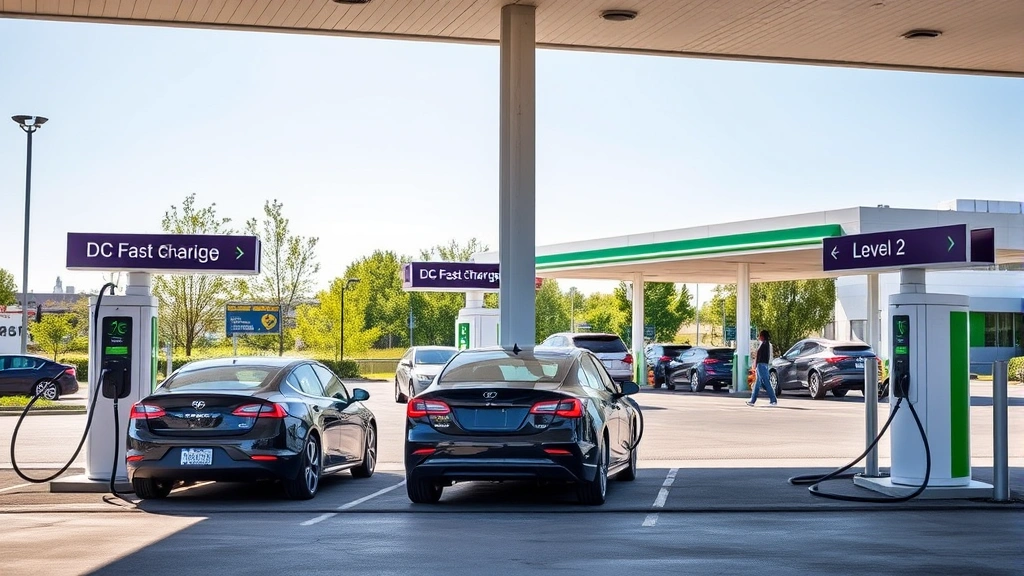
Electric vehicle adoption accelerates globally, with projections indicating EVs will constitute majority market share within two decades. Gas stations strategically position themselves as comprehensive mobility hubs by installing Level 2 and DC fast-charging stations. This diversification captures emerging consumer segments while transitioning businesses toward sustainable transportation futures.
Level 2 chargers, typically providing 240-volt service, accommodate daily commuting needs and enable charging during shopping visits. DC fast chargers deliver 80% battery capacity within 20-30 minutes, supporting long-distance travel and addressing range anxiety concerns. Progressive gas stations install multiple charging stations, creating convenient charging networks that encourage EV adoption.
Infrastructure investment requires significant capital, but government incentives, tax credits, and declining equipment costs improve financial viability. Federal programs and state-level initiatives provide substantial subsidies for charging station installation, reducing operator burden. The U.S. Department of Energy provides comprehensive guidance on charging infrastructure development and funding opportunities.
Charging station networks create valuable data insights regarding consumer behavior, peak demand periods, and infrastructure utilization patterns. This information enables operators to optimize placement strategies, predict maintenance needs, and enhance customer experiences through app-based reservation systems and real-time availability updates.
Integration with renewable energy sources amplifies environmental benefits substantially. Solar panels, wind turbines, and battery storage systems powering EV chargers create closed-loop sustainability models where renewable energy directly supports transportation electrification. These facilities become tangible demonstrations that clean energy transitions are technically feasible and economically viable.
Alternative Fuel Options and Biofuels
Beyond electric powertrains, gas stations increasingly offer diverse fuel alternatives addressing different vehicle types and consumer preferences. Biodiesel, ethanol blends, compressed natural gas (CNG), and hydrogen fuel represent transitional options supporting emissions reductions while existing vehicle fleets gradually electrify.
Understanding is natural gas renewable reveals important nuances about fuel sustainability. While natural gas produces fewer emissions than petroleum, it remains a fossil fuel requiring continued extraction and processing. However, renewable natural gas derived from organic waste offers significantly lower carbon intensity, representing genuine progress toward zero-emission energy systems.
Biodiesel production from recycled cooking oil and other renewable sources reduces petroleum dependence while supporting circular economy principles. Ethanol blends, particularly higher concentrations like E15 and E85, decrease fossil fuel consumption and support domestic agricultural sectors. These alternatives appeal to consumers seeking immediate emissions reductions without purchasing new vehicles.
Hydrogen fuel stations represent frontier sustainability technology, offering zero-emission vehicle operation with rapid refueling comparable to gasoline experiences. While hydrogen infrastructure remains limited, pioneering gas stations in California, Germany, and Japan demonstrate technical viability and growing consumer interest. As hydrogen production increasingly utilizes renewable electricity through electrolysis, this fuel pathway gains credibility as long-term transportation solution.
Proper handling of alternative fuels requires specialized equipment and training. Professional natural gas detector systems and similar monitoring equipment ensure safe alternative fuel management, protecting staff and customers while maintaining regulatory compliance.
Renewable Energy Integration
Progressive gas stations increasingly operate as distributed renewable energy producers, installing solar photovoltaic arrays and small-scale wind turbines that generate on-site electricity. These installations power facility operations, EV charging infrastructure, and compressed air systems, reducing grid electricity consumption while lowering operational costs.
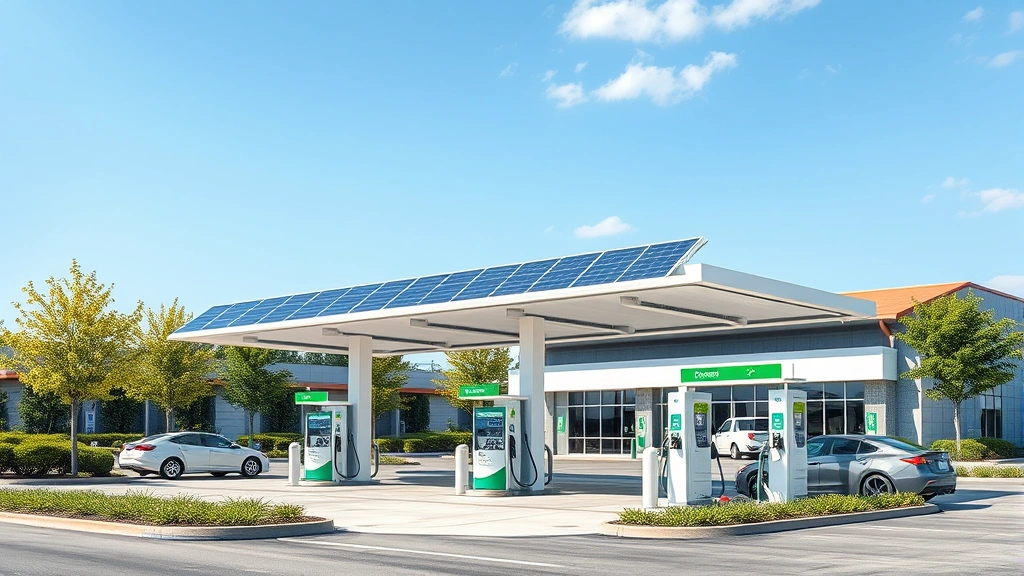
Solar canopies over parking areas and fuel pumps serve dual purposes: generating electricity while providing weather protection for customers. Architectural integration of renewable energy systems enhances facility aesthetics while demonstrating environmental commitment. Battery storage systems capture excess generation during peak production periods, enabling utilization during high-demand evening hours.
Geothermal heating and cooling systems maintain comfortable facility temperatures while consuming minimal energy. These ground-source heat pumps operate efficiently across diverse climates, significantly reducing HVAC-related electricity consumption. Combined with solar generation and battery storage, comprehensive renewable integration creates nearly self-sufficient facilities.
Net metering arrangements allow facilities to feed excess renewable generation back to utility grids, earning credits offsetting consumption during cloudy periods or high-demand seasons. This creates additional revenue streams while supporting broader grid stability and renewable energy adoption. EPA renewable energy resources provide detailed information about facility-level renewable integration strategies.
Smart Technology and Emissions Reduction
Digital technologies optimize gas station operations, reducing waste and improving environmental performance. IoT sensors monitor equipment efficiency, predict maintenance needs before failures occur, and identify optimization opportunities. Real-time data analytics reveal consumption patterns, enabling targeted efficiency improvements.
Smart fuel dispensers incorporate advanced metering technologies that reduce spill incidents and vapor emissions. Automated shut-off mechanisms prevent overfilling, protecting groundwater quality while preventing product loss. Enhanced vapor recovery systems capture fuel vapors during pumping operations, preventing atmospheric release of volatile organic compounds.
Traffic flow optimization algorithms reduce vehicle idling times, particularly relevant for commercial fleets. Efficient routing systems minimize unnecessary driving while improving customer experience through reduced wait times. Connected infrastructure enables dynamic pricing strategies that encourage off-peak charging and fueling, balancing demand while supporting grid stability.
Digital payment systems and mobile applications reduce paper consumption while enhancing convenience. Loyalty programs incentivizing sustainable choices—such as reduced pricing for biofuel purchases or EV charging—influence consumer behavior toward environmentally beneficial decisions. How to save energy at home principles extend to commercial facility operations through similar technological applications.
Building management systems integrate heating, cooling, lighting, and equipment operation into coordinated efficiency frameworks. Occupancy sensors eliminate unnecessary lighting in unused areas, while dynamic lighting adjusts intensity based on natural daylight availability. These systems reduce energy consumption by 20-30% compared to conventional facility management approaches.
Sustainable Business Practices
Environmental excellence extends beyond technological innovation to encompass comprehensive operational practices. Progressive gas stations implement waste reduction programs, recycling initiatives, and sustainable procurement policies supporting broader circular economy objectives.
Groundwater protection receives heightened attention through improved spill containment, regular equipment inspections, and proactive contamination monitoring. Double-walled fuel storage tanks with leak detection systems prevent environmental contamination while ensuring regulatory compliance. Staff training emphasizes spill prevention and rapid response protocols, protecting both environmental quality and business reputation.
Community engagement initiatives position gas stations as environmental stewardship leaders. Educational programs about EV benefits, alternative fuel advantages, and energy efficiency encourage consumer adoption of sustainable practices. Partnerships with environmental organizations amplify impact while building brand credibility among eco-conscious communities.
Supply chain sustainability considerations influence product selection and vendor relationships. Prioritizing suppliers with strong environmental credentials, fair labor practices, and transparent operations aligns business practices with stated sustainability commitments. Certification programs like B Corp and ISO 14001 provide external validation of genuine environmental performance.
Employee engagement proves critical for sustainability success. Training programs ensure staff understand environmental policies and can communicate sustainability benefits to customers. Recognition programs acknowledging employee contributions to environmental goals foster organizational culture supporting ecological responsibility. Competitive compensation and benefits attract talented individuals committed to meaningful work.
Financial transparency regarding environmental investments demonstrates genuine commitment beyond superficial greenwashing. Public sustainability reports documenting emissions reductions, renewable energy generation, waste diversion rates, and other key metrics enable accountability and continuous improvement. Third-party certifications and audits validate reported performance, building consumer confidence.
FAQ
What makes a gas station truly eco-friendly?
Genuine eco-friendly gas stations combine multiple sustainability elements: renewable energy generation, EV charging infrastructure, alternative fuel options, smart technology optimization, and transparent environmental reporting. Facilities implementing isolated initiatives without comprehensive strategies may engage in greenwashing rather than authentic sustainability.
Are electric vehicle chargers at gas stations convenient?
Modern EV charging networks offer excellent convenience, particularly DC fast chargers enabling 20-30 minute charging for long-distance travel. Level 2 chargers suit daily commuting, providing full charges during shopping visits. Mobile apps display real-time availability, reducing frustration and supporting trip planning.
How do alternative fuels compare to gasoline environmentally?
Environmental benefits vary significantly. Biodiesel reduces lifecycle emissions 50-80% compared to petroleum diesel. Ethanol blends decrease fossil fuel consumption but require agricultural inputs. Hydrogen and renewable natural gas offer substantial reductions when produced from renewable sources. Each option suits different vehicle types and consumer circumstances.
What regulatory drivers encourage gas station sustainability?
Clean air regulations, emissions reduction mandates, renewable energy standards, and zero-emission vehicle requirements create business incentives for sustainability. EPA air quality standards drive emissions reductions while state-level policies support renewable energy and EV infrastructure development.
Can renewable energy truly power gas station operations?
Yes. Solar, wind, and geothermal systems can generate substantial on-site electricity. Combined with battery storage and grid connections, renewable energy reliably powers facility operations and EV charging. Many pioneering facilities operate net-zero or net-positive energy models.
How do safety considerations factor into sustainable gas stations?
Safety remains paramount. Professional gas line installation and gas line repair services ensure new sustainable infrastructure meets rigorous safety standards. Monitoring equipment like natural gas detectors protect staff and customers while maintaining regulatory compliance.
What consumer choices support gas station sustainability?
Choosing facilities offering EV charging, alternative fuels, and renewable energy demonstrates market demand for sustainability. Supporting businesses with transparent environmental reporting and third-party certifications encourages continued investment. Advocacy for supportive policies amplifies individual consumer impact.


