Are Giant Gas Stations Eco-Friendly? Expert Analysis
Giant gas stations have become ubiquitous fixtures across the American landscape, serving millions of drivers daily. These sprawling fuel retail operations promise convenience and competitive pricing, but their environmental footprint remains a critical question in our transition toward sustainable transportation. As climate concerns intensify and consumer awareness grows, understanding whether these massive fueling hubs align with ecological principles requires a comprehensive examination of their operational practices, emissions profiles, and role in the broader energy ecosystem.
The environmental impact of giant gas stations extends far beyond the fuel pumps themselves. These facilities consume substantial energy, manage hazardous materials, generate waste, and influence consumer behavior toward fossil fuel dependence. This analysis explores the complex relationship between giant gas stations and environmental sustainability, examining both their current practices and their potential for ecological improvement.
Environmental Impact of Giant Gas Stations
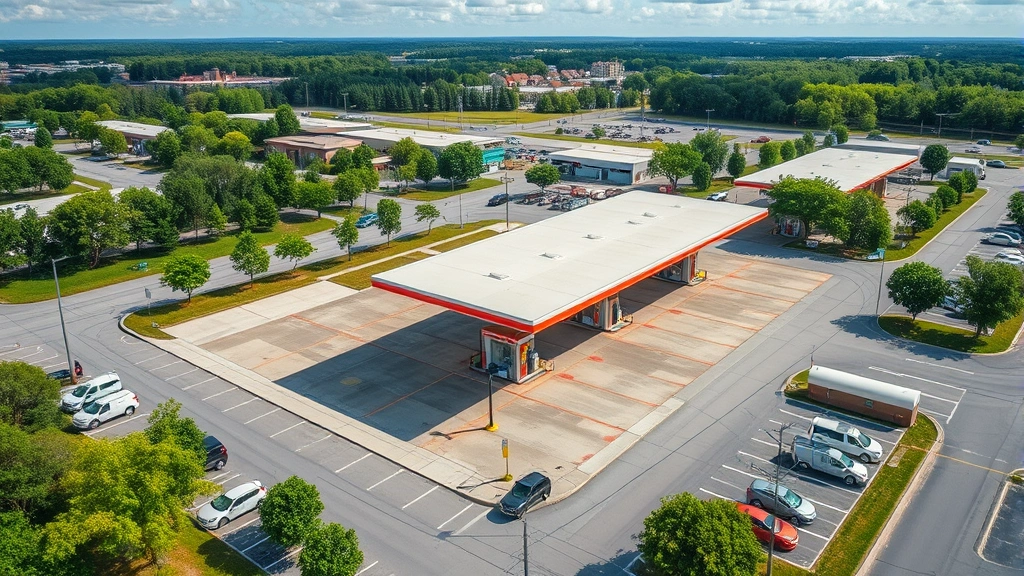
Giant gas stations represent significant environmental concerns across multiple dimensions. These large-scale operations typically feature dozens of fuel pumps, extensive underground storage tanks, and comprehensive retail facilities that collectively consume enormous quantities of electricity and water. The average large gas station generates approximately 50-100 metric tons of carbon dioxide annually through direct operations, not including the emissions from fuel combustion by vehicles.
The primary environmental challenges associated with giant gas stations include:
- Groundwater contamination risks from aging underground storage tanks and potential leaks containing benzene, toluene, and other volatile organic compounds
- Vapor emissions during fuel dispensing and tank refilling operations, contributing to ground-level ozone formation
- Energy consumption from lighting, HVAC systems, and convenience store operations running 24/7
- Stormwater runoff contaminated with oil, grease, and heavy metals from vehicle fueling areas
- Waste generation including used motor oil, filters, antifreeze, and packaging materials
Understanding these impacts is essential for evaluating whether sustainable energy solutions can adequately address the environmental challenges posed by traditional gas retail infrastructure.

Operational Practices and Emissions
The operational footprint of a giant gas station extends significantly beyond fuel sales. These facilities operate continuously, maintaining climate-controlled environments year-round while powering extensive lighting systems, refrigeration units, and point-of-sale equipment. The convenience store component—often a substantial portion of giant gas stations—requires additional energy investment for maintaining product freshness and customer comfort.
Direct emissions from giant gas stations include:
- Stationary combustion emissions from backup generators and heating systems, typically using diesel or natural gas
- Fugitive emissions during fuel transfer from delivery trucks to underground storage tanks
- Evaporative emissions from gasoline volatilization, particularly during hot weather months
- Vehicle idling emissions as customers queue for pumps or wait for service
- Delivery truck emissions from frequent fuel replenishment shipments
The Environmental Protection Agency regulates emissions from gas stations through Stage I and Stage II vapor recovery systems. However, compliance varies significantly, and many older giant gas stations operate with outdated equipment that fails to capture all emissions. Modern facilities employ vapor recovery technology that captures gasoline vapors during fueling, preventing their release into the atmosphere. These systems can reduce emissions by 95% compared to uncontrolled operations, though implementation costs often deter smaller operators and some larger chains.
Fuel Quality and Environmental Standards
Giant gas stations benefit from regulatory oversight regarding fuel quality standards, which have improved environmental outcomes over decades. The EPA’s gasoline regulations mandate specific formulations designed to reduce tailpipe emissions and prevent engine fouling. Tier 3 standards, implemented in recent years, require lower sulfur content and reduced aromatic hydrocarbons in gasoline, contributing to improved air quality.
Modern gasoline sold at major gas stations contains:
- Detergents and additives that reduce engine deposits and improve fuel efficiency
- Ethanol blending (typically 10% ethanol in regular gasoline) that reduces petroleum dependency and carbon intensity
- Lower sulfur concentrations that minimize particulate matter emissions
- Reduced volatility during summer months to prevent excessive evaporation
However, these improvements remain incremental enhancements to fossil fuel combustion rather than transformative solutions. The fundamental issue persists: burning gasoline generates greenhouse gases regardless of fuel quality improvements. This reality underscores why examining advantages of electric vehicles becomes increasingly important for comprehensive sustainability strategies.
Alternative Fuels and Diversification
Leading giant gas stations have begun diversifying beyond traditional gasoline, recognizing market shifts toward alternative fuels. However, adoption rates remain disappointingly slow. Major chains now offer:
- E85 ethanol blends at selected locations, providing higher renewable fuel content for compatible vehicles
- Biodiesel blends for diesel vehicles, reducing fossil fuel consumption
- Electric vehicle charging stations at premium locations, though coverage remains sparse
- Natural gas fueling stations in select markets, though natural gas renewable status remains debated
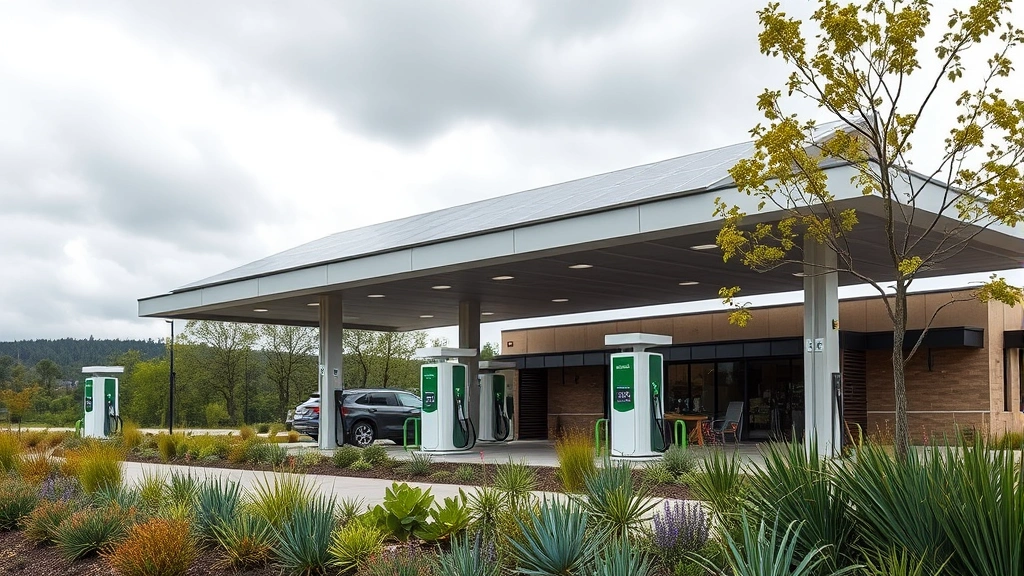
The expansion of EV charging infrastructure at gas stations represents a critical transition point. Progressive operators recognize that electric vehicle adoption will eventually reduce gasoline demand, necessitating business model evolution. Some giant gas stations now feature Level 2 and DC fast-charging equipment, though these remain concentrated in affluent urban markets rather than equitably distributed across communities.
The infrastructure investment required for comprehensive alternative fuel support challenges traditional gas station economics. Installing EV charging requires electrical grid upgrades, substantial capital expenditure, and ongoing maintenance. Many giant gas stations lack adequate electrical capacity for multiple fast chargers simultaneously, necessitating expensive infrastructure retrofits.
Consumer Behavior and Fossil Fuel Dependence
Giant gas stations significantly influence consumer transportation choices through convenience and affordability. Their widespread availability reinforces fossil fuel dependence by making gasoline purchasing effortless and routine. The psychological effect of abundant fuel infrastructure cannot be underestimated—easy access to cheap gasoline perpetuates vehicle-dependent transportation patterns.
The convenience store component of giant gas stations further embeds these facilities into daily consumer routines. By combining fuel sales with snacks, beverages, and impulse purchases, operators create destination attractions beyond basic refueling. This model maximizes profit margins while normalizing car dependency and fossil fuel consumption.
From sustainability perspectives, this behavioral reinforcement represents a significant environmental concern. Each giant gas station serves as a psychological anchor point affirming that personal vehicle use remains the default transportation method. Marketing campaigns emphasizing rewards programs and loyalty benefits further entrench consumer attachment to these facilities.
Sustainability Initiatives and Green Upgrades
Progressive giant gas station operators have implemented various sustainability initiatives, though these often represent incremental improvements rather than fundamental transformation:
- LED lighting systems reducing electricity consumption by 75% compared to traditional fixtures
- Energy-efficient HVAC equipment with programmable thermostats and improved insulation
- Renewable energy integration including solar panels and small wind turbines at select locations
- Water conservation systems for restroom facilities and external washing areas
- Waste reduction programs emphasizing recycling and proper hazardous material disposal
- Sustainable packaging initiatives reducing single-use plastics in convenience stores
These upgrades improve operational efficiency and reduce environmental harm, yet they don’t fundamentally address the core issue: giant gas stations exist primarily to distribute fossil fuels. Sustainability initiatives function as supplementary improvements rather than transformative changes to business models rooted in carbon-intensive energy.
Some operators have achieved LEED certification for new facilities, demonstrating that green building practices can be applied to gas station construction. These certified facilities incorporate sustainable materials, efficient water systems, and renewable energy components. However, certification costs often exceed $500,000 per location, limiting adoption primarily to major corporate brands in high-value markets.
Comparison with Smaller Retailers
Interestingly, smaller independent gas stations and convenience stores often demonstrate better environmental performance on a per-transaction basis. Smaller facilities consume less total energy and water, generate less waste, and create fewer emissions through reduced customer throughput. However, smaller retailers frequently lack resources for modern environmental compliance systems, vapor recovery equipment, and pollution prevention measures.
The paradox emerges that while giant gas stations generate greater absolute environmental impact, they often maintain superior compliance with environmental regulations due to corporate resources and regulatory scrutiny. Smaller operators may operate outdated equipment lacking vapor recovery systems or proper tank maintenance protocols, creating localized environmental hazards despite lower overall throughput.
Giant gas stations’ scale advantage enables investment in advanced environmental technologies that smaller competitors cannot afford. This creates a situation where environmental compliance correlates with corporate size rather than fundamental sustainability. The most environmentally responsible approach would involve reducing fuel retail infrastructure entirely through green technology innovations that minimize fossil fuel dependency.
Future Outlook and Industry Transformation
The future of giant gas stations appears fundamentally challenged by electrification trends and climate policy. Industry analysts predict significant decline in gasoline demand over the next two decades as electric vehicle adoption accelerates. This structural shift forces gas station operators toward strategic transformation or obsolescence.
Potential pathways for giant gas stations include:
- Transition to EV charging networks where fueling infrastructure becomes charging infrastructure, requiring substantial operational restructuring
- Diversification into convenience retail where fuel sales become secondary revenue sources rather than primary business drivers
- Integration with renewable energy systems where stations function as distributed energy resources supporting grid stability
- Conversion to alternative fuel networks focusing on hydrogen, compressed natural gas, or synthetic fuels
- Site repurposing where prime commercial real estate transitions to community facilities, housing, or green spaces
Forward-thinking corporations have begun pilot programs testing these transition models. Some major brands now operate pilot EV charging stations exclusively, testing operational models for a post-gasoline future. Others invest in hydrogen fueling infrastructure, recognizing hydrogen’s potential role in heavy transportation decarbonization.
Policy frameworks will significantly influence this transition timeline. Federal fuel economy standards and state-level emission regulations accelerate electrification, potentially making traditional gas stations economically unviable within 15-20 years in progressive markets.
FAQ
Are giant gas stations required to use vapor recovery systems?
EPA regulations mandate Stage I and Stage II vapor recovery systems at most gas stations nationally. Stage I captures vapors during fuel delivery, while Stage II captures vapors during customer fueling. However, enforcement varies by state, and some older facilities operate with exemptions. Requirements became federal standards in 1994 for new construction, though retrofitting existing stations remained optional in many jurisdictions until recently.
How much carbon dioxide does a typical giant gas station produce annually?
Direct operational emissions from a large gas station average 50-100 metric tons of CO2 annually from electricity consumption, heating, and vehicle idling. However, the indirect emissions from gasoline sold at a typical giant gas station—approximately 3-4 million gallons annually—generate roughly 35,000-40,000 metric tons of CO2 when combusted in vehicles. This represents the true environmental cost, vastly exceeding direct operational emissions.
Can giant gas stations become environmentally sustainable?
Giant gas stations can improve environmental performance through energy efficiency, renewable energy integration, and advanced pollution controls. However, fundamental sustainability requires transitioning away from fossil fuel distribution entirely. Incremental improvements reduce harm without addressing the core incompatibility between fossil fuel retail and climate stability.
Why do giant gas stations offer so few EV charging stations?
Several factors explain limited EV charging deployment: electrical grid limitations requiring expensive upgrades, uncertain return on investment as charging adoption remains nascent, real estate constraints limiting installation space, and business model uncertainty as operators question long-term viability. Additionally, many gas station owners lack expertise in EV charging technology and maintenance.
How do giant gas stations impact local air quality?
Gas stations contribute to ground-level ozone formation through volatile organic compound emissions and nitrogen oxide releases. They also generate particulate matter and toxic air contaminants including benzene and formaldehyde. Studies document elevated cancer risk in communities with high gas station density, particularly affecting low-income neighborhoods where facilities concentrate.
Are independent gas stations more or less environmentally friendly than corporate chains?
This question lacks simple answers. Corporate chains typically maintain superior environmental compliance and modern equipment but generate greater absolute environmental impact through scale. Independent operators often lack resources for advanced environmental systems but may operate lower-throughput facilities. Environmental performance correlates more with age of equipment and regulatory compliance than with corporate versus independent status.


