
National Gas Prices Impact on Sustainability: A Comprehensive Report
The national average gas price has become far more than a simple economic indicator—it’s a critical factor shaping our collective approach to sustainability and environmental responsibility. When fuel costs fluctuate, they create ripple effects throughout entire economies, influencing consumer behavior, investment in renewable energy, and our progress toward climate goals. Understanding this relationship is essential for anyone concerned about building a more sustainable future.
Rising gas prices often serve as a catalyst for change, prompting individuals and businesses to reconsider their energy consumption patterns and explore cleaner alternatives. Conversely, periods of low prices can stall momentum in green technology adoption and renewable energy development. This report examines the complex interplay between national gas pricing and sustainability initiatives, exploring how market forces shape environmental outcomes and what strategies can help us decouple economic growth from fossil fuel dependence.
How Gas Prices Drive Consumer Behavior
The national average gas price directly influences household budgets and purchasing decisions in measurable ways. When prices spike, consumers become more conscious of fuel efficiency, vehicle selection, and travel patterns. Research from the Environmental Protection Agency indicates that price-driven behavioral changes can lead to reduced overall energy consumption, though these changes are often temporary and price-dependent.
High gas prices incentivize people to carpool, use public transportation, or work from home—all behaviors that reduce carbon emissions. However, the sustainability benefit diminishes when prices fall, as consumers return to previous consumption patterns. This cyclical relationship reveals a fundamental challenge: relying on market prices alone is insufficient for achieving sustained environmental progress. We need complementary policies and infrastructure investments that make sustainable choices economically attractive regardless of fuel prices.
Home heating and cooling also respond to energy price signals. When natural gas prices rise, households become more motivated to improve insulation, upgrade to efficient heating systems, or explore renewable heating alternatives like heat pumps. Check out our guide on how to save energy at home for practical strategies that yield long-term savings independent of price fluctuations.

Impact on Renewable Energy Investment
Fossil fuel prices create a competitive landscape that either favors or hinders renewable energy development. When the national average gas price climbs, solar, wind, and other renewable technologies become more economically competitive. Investors allocate capital toward projects that promise better returns, and suddenly, a wind farm becomes more attractive than natural gas infrastructure.
The inverse is equally problematic: low fossil fuel prices squeeze renewable energy projects’ financial viability. Between 2015 and 2020, when crude oil prices collapsed, renewable energy investment experienced significant headwinds. Conversely, recent years of elevated energy prices have accelerated deployment of solar panels, wind turbines, and battery storage systems across the United States.
This volatility creates uncertainty in the renewable energy sector, making long-term planning difficult for developers and manufacturers. To achieve climate goals outlined in international agreements, we need price stability mechanisms and government incentives that decouple renewable energy investment from fossil fuel market cycles. Explore sustainable energy solutions to understand how communities are building resilience through diversified energy portfolios.
Policy interventions like renewable energy tax credits, production tax credits, and carbon pricing mechanisms can help level the playing field. When implemented effectively, these tools ensure that renewable energy competes on total cost of ownership rather than just immediate price signals.
Transportation and Mobility Shifts
Transportation represents America’s largest source of greenhouse gas emissions, and fuel prices directly influence vehicle purchasing and usage patterns. High national average gas price levels accelerate adoption of fuel-efficient vehicles and electric vehicles. The International Transport Forum documents how price elasticity in fuel markets drives consumers toward lower-emission alternatives.
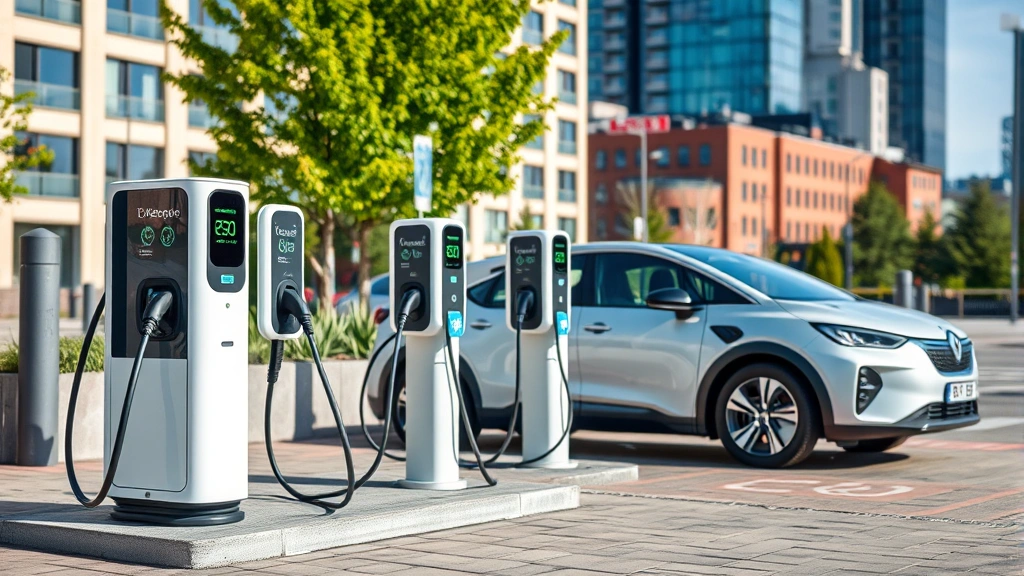
Electric vehicles have experienced explosive growth during periods of elevated gas prices, though adoption rates remain influenced by upfront costs and charging infrastructure availability. When gas prices spike, the total cost of ownership calculation shifts favorably toward EVs, even accounting for higher purchase prices. Our comprehensive analysis of advantages of electric vehicles demonstrates how price dynamics interact with environmental benefits.
Public transportation usage also correlates with fuel prices. Commuters shift to buses, trains, and rideshare services when driving becomes expensive. Cities that capitalize on these periods by expanding transit infrastructure create lasting sustainable transportation networks. However, without sustained investment and policy support, transit gains often reverse when prices fall.
The gig economy and delivery services add complexity to this picture. Rising fuel costs increase delivery expenses, potentially raising consumer prices for goods and services. This creates secondary effects that ripple through retail, food systems, and supply chain sustainability.
Economic Trade-offs and Environmental Justice
While elevated gas prices drive some positive sustainability outcomes, they create serious economic hardship for low-income households and rural communities. Environmental justice requires that we acknowledge these trade-offs explicitly. Families with limited financial resources spend disproportionately higher percentages of income on energy and transportation, making them vulnerable to price volatility.
Rural residents face particular challenges, as public transportation alternatives are limited and longer commutes are necessary. High fuel prices in rural areas can threaten livelihoods and limit economic opportunity. This reality highlights why market-based solutions alone are insufficient—we need targeted support for vulnerable populations during energy transitions.
Understanding whether natural gas is renewable also involves examining who bears the costs of energy transitions. Just transitions require investing in worker retraining, community economic development, and affordable clean energy access for all income levels.
Policy makers must balance environmental goals with economic equity. Carbon pricing mechanisms, when designed thoughtfully, can include rebates or dividends that protect low-income households while maintaining price signals that encourage sustainability. Subsidies for renewable energy and EV adoption should prioritize accessibility for disadvantaged communities.
Strategies for Sustainable Energy Independence
Rather than relying on fuel price volatility to drive sustainability, we should implement comprehensive strategies that create durable environmental progress. These approaches address the fundamental challenge of decoupling economic activity from fossil fuel consumption:
- Renewable Energy Deployment: Accelerate solar, wind, geothermal, and other renewable installations through tax incentives, grants, and streamlined permitting. Explore green technology innovations that are transforming energy systems.
- Energy Efficiency Standards: Implement building codes, appliance standards, and vehicle efficiency requirements that reduce consumption regardless of fuel prices.
- Carbon Pricing: Establish carbon taxes or cap-and-trade systems that internalize environmental costs into fossil fuel prices, creating permanent price advantages for clean energy.
- Transportation Infrastructure: Invest in electric vehicle charging networks, public transit, and cycling infrastructure that make low-carbon mobility convenient and affordable.
- Grid Modernization: Upgrade electrical infrastructure to support distributed renewable generation, energy storage, and smart demand management.
- Industrial Transition: Support manufacturing sectors in shifting toward clean processes, circular economy practices, and low-carbon materials.
These strategies work synergistically. When renewable energy becomes cheaper through technological advancement and scale, when charging infrastructure is ubiquitous, and when building efficiency is standard practice, the national average gas price becomes less relevant to sustainability outcomes. Individuals and businesses make sustainable choices because they’re economically rational and convenient, not because fuel prices forced them.
Future Outlook and Policy Solutions
The energy landscape is fundamentally transforming. Battery technology improvements, solar cost declines, and wind efficiency gains continue accelerating. The International Energy Agency projects that renewable energy will become the dominant global electricity source within the next decade, driven largely by cost competitiveness rather than environmental mandates.
However, this transition requires intentional policy support and investment. Key policy priorities include:
- Federal and State Coordination: Align climate goals across governmental levels, creating consistent signals for private investment and consumer behavior.
- Just Transition Support: Invest in worker retraining, pension protection, and economic diversification in fossil fuel-dependent communities.
- Infrastructure Investment: Fund electric vehicle charging, renewable energy transmission, and public transportation systems that reduce reliance on personal vehicles.
- Research and Development: Support breakthrough technologies like long-duration energy storage, green hydrogen, and advanced materials that enable deep decarbonization.
- International Cooperation: Work with trading partners to establish consistent carbon pricing and emission standards, preventing carbon leakage to less regulated regions.
The relationship between national average gas price and sustainability is ultimately about understanding that markets alone won’t solve climate change. Price signals matter, but they must be complemented by infrastructure investment, regulatory standards, technological innovation, and equitable policy design. When these elements align, we create conditions where sustainable choices become default options rather than sacrifices.
Visit the SustainWise Hub Blog for ongoing analysis of energy markets, sustainability trends, and practical guidance for reducing your environmental impact. Our sustainable energy solutions resources provide actionable strategies for individuals and organizations committed to building a clean energy future.
FAQ
How does the national average gas price affect renewable energy adoption?
High fuel prices increase renewable energy’s competitive advantage, attracting investment and accelerating deployment. Low prices have the opposite effect, slowing renewable energy growth. However, technological improvements and policy support can sustain renewable energy momentum regardless of fossil fuel prices.
Do high gas prices help or hurt low-income households?
While elevated gas prices may incentivize efficiency improvements and renewable energy adoption, they disproportionately burden low-income households that spend larger portions of income on energy and transportation. Equitable sustainability requires targeted support for vulnerable populations during energy transitions.
Can market prices alone drive sustainable energy transitions?
Market prices alone are insufficient. While price signals matter, durable sustainability requires complementary policies including carbon pricing, efficiency standards, infrastructure investment, and technological innovation. This comprehensive approach decouples economic growth from fossil fuel dependence.
What policies most effectively support sustainable energy transitions?
The most effective policies combine multiple approaches: renewable energy tax credits, carbon pricing mechanisms, building and vehicle efficiency standards, infrastructure investment in clean transportation and electricity transmission, research funding for breakthrough technologies, and just transition support for affected workers and communities.
How will future energy transitions affect gas prices?
As renewable energy becomes dominant, fossil fuel demand will decline, potentially lowering gas prices. However, carbon pricing mechanisms and supply constraints may prevent dramatic price declines. The goal is creating an energy system where clean energy is cheaper and more convenient than fossil fuels, making the national average gas price irrelevant to most consumers’ energy choices.


