Improve Tacoma Gas Mileage: Expert Tips for Better Fuel Efficiency
Your Toyota Tacoma is a reliable workhorse, but like any vehicle, it can consume more fuel than necessary without proper maintenance and driving habits. Whether you’re hauling cargo across Washington state or commuting daily, improving your Tacoma’s gas mileage directly reduces your carbon footprint while saving money at the pump. This comprehensive guide reveals expert strategies to maximize fuel efficiency, from simple maintenance tasks to driving techniques that make a measurable difference.
Gas mileage improvements aren’t just about personal savings—they represent a meaningful step toward reducing your environmental footprint through transportation choices. A Tacoma that runs efficiently consumes less gasoline, produces fewer emissions, and contributes less to air pollution. By implementing these evidence-based tips, you’ll transform your truck into a more sustainable vehicle while extending its lifespan and reliability.
Understanding Your Tacoma’s Fuel Consumption
The Toyota Tacoma typically achieves 18-23 miles per gallon depending on engine type, transmission, and driving conditions. First-generation models (1995-2004) and second-generation trucks (2005-2015) have different baseline efficiencies, while newer third-generation Tacomas (2016-present) benefit from improved engineering. Understanding your specific truck’s baseline performance helps you identify improvement opportunities and track progress.
Modern Tacomas with the 3.5L V6 engine and automatic transmission represent a balance between power and efficiency. Real-world fuel economy varies significantly based on terrain, weather, load, and individual driving patterns. Urban driving with frequent stops yields lower mileage than highway cruising. Towing capacity—a Tacoma strength—dramatically reduces efficiency, sometimes dropping mileage by 20-30% depending on trailer weight and aerodynamic profile.
To establish your baseline, track fuel consumption over several fill-ups by recording odometer readings and gallons pumped. This data reveals trends and validates improvements you implement. Many drivers discover they’re operating far below their truck’s potential efficiency simply through awareness and minor adjustments.
Essential Maintenance for Optimal Mileage
Regular maintenance is the foundation of fuel efficiency. A well-maintained engine runs cleaner, produces more power per gallon of fuel, and lasts longer. Neglecting basic service schedules can reduce gas mileage by 10-25%, effectively wasting fuel and money.
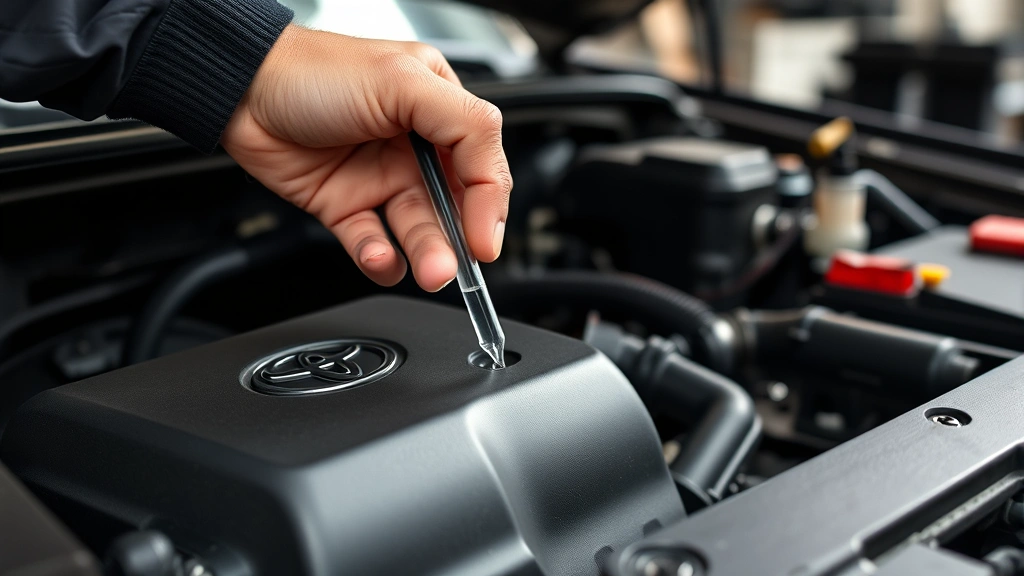
Engine Oil Changes: Using the manufacturer-recommended oil viscosity reduces internal friction. Synthetic oils often provide better protection and efficiency than conventional options. Follow Toyota’s service intervals—typically every 10,000 miles for modern Tacomas with synthetic oil. Dirty oil increases engine drag, forcing the engine to work harder and consume more fuel.
Air Filter Replacement: A clogged air filter restricts oxygen flow to the engine, forcing it to run rich (excess fuel). Replace your air filter every 15,000-30,000 miles or when visibly dirty. This simple $15-30 task can improve mileage by 3-5%. Your engine’s computer adjusts fuel injection based on air intake; a clean filter ensures proper air-fuel ratios.
Spark Plugs: Worn spark plugs cause incomplete combustion, wasting fuel. Modern Tacomas typically use long-life spark plugs (100,000+ miles), but inspection reveals wear patterns. Fouled or worn plugs reduce efficiency and increase emissions. Replace them proactively to maintain optimal combustion performance.
Fuel Injector Cleaning: Over time, fuel injectors accumulate deposits affecting spray patterns and combustion efficiency. Professional fuel system cleaning or quality fuel additives (discussed later) maintain injector performance. Clean injectors distribute fuel evenly, maximizing energy extraction per gallon.
Transmission Fluid: Automatic transmissions operate on precise fluid specifications. Degraded transmission fluid increases friction and reduces efficiency. Check your fluid color and condition; dark, burnt-smelling fluid indicates service is overdue. Proper transmission maintenance ensures smooth shifts and minimal power loss.
Regular maintenance connects directly to sustainable energy solutions for transportation. An efficiently-running vehicle reduces waste and environmental impact while maximizing the useful lifespan of your truck.
Tire Pressure and Alignment Optimization
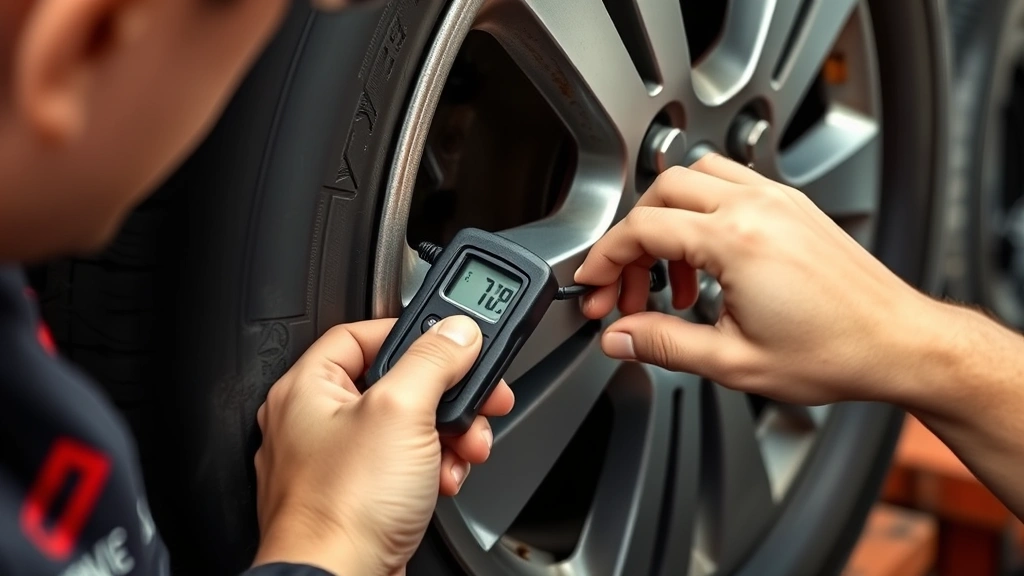
Tire pressure dramatically affects gas mileage—underinflated tires increase rolling resistance by 3-5% per PSI below specification. The Department of Energy estimates that properly inflated tires improve fuel economy by 3-5% overall. Check your Tacoma’s recommended pressure on the driver’s door jamb (not the tire sidewall maximum), typically 32-35 PSI depending on model year and load.
Monthly Pressure Checks: Cold tire pressure (measured before driving or at least 3 hours after) provides accurate readings. Temperature changes affect pressure—a 10-degree temperature drop reduces pressure by approximately 1 PSI. Winter driving in Washington state requires more frequent checks. Invest in a quality digital tire gauge ($15-25) for accurate readings.
Tire Rotation: Uneven tire wear increases rolling resistance. Rotate tires every 5,000-7,000 miles to promote even wear and extend tire life. Properly rotated tires maintain consistent contact patches, minimizing fuel consumption.
Wheel Alignment: Misalignment causes tires to drag slightly, increasing resistance and reducing mileage by 5-10%. Signs include pulling to one side, uneven tire wear patterns, or steering wheel vibration. Professional alignment ($75-200) pays dividends through improved efficiency and tire longevity. Proper alignment ensures all four tires roll true with minimal resistance.
Tire Selection: Low rolling resistance tires designed for fuel economy improve mileage by 3-5% compared to standard all-terrain tires. Brands like Michelin, Bridgestone, and Goodyear offer fuel-efficient options specifically engineered for pickup trucks. While more expensive initially, they provide better fuel economy, longer lifespan, and improved safety.
Driving Habits That Boost Efficiency
Your driving behavior significantly impacts fuel consumption—studies show aggressive driving can reduce mileage by 15-30%. Adopting smoother, more anticipatory driving techniques transforms your Tacoma’s efficiency.
Smooth Acceleration: Rapid acceleration demands maximum engine power and fuel delivery. Accelerate gradually and smoothly, allowing the engine to reach cruising RPM efficiently. Avoid jackrabbit starts from traffic lights; they waste fuel and increase emissions. Think of acceleration as a gentle climb rather than a sprint.
Maintain Steady Speeds: Consistent highway speeds around 50-60 MPH maximize efficiency. Every 5 MPH increase above 50 MPH reduces fuel economy by approximately 7% due to increased aerodynamic drag. Highway cruise control maintains steady speeds more effectively than manual throttle management, reducing fuel consumption on long drives.
Anticipatory Driving: Look ahead and anticipate traffic changes. Gentle braking and coasting preserve momentum better than frequent hard stops. Maintaining traffic flow reduces unnecessary acceleration and deceleration cycles that consume excess fuel. This defensive driving approach benefits safety and efficiency simultaneously.
Minimize Idling: Modern engines consume fuel while idling—typically 0.5-1 gallon per hour depending on engine size. Turn off the engine if you’ll wait more than 10 seconds (except when traffic flow demands otherwise). Unnecessary idling in drive-throughs, waiting areas, or during phone calls wastes fuel and increases emissions.
Warm-Up Period: Modern fuel-injected engines require minimal warm-up. Drive gently for the first few minutes rather than idling. Cold engines run rich, consuming more fuel. Gentle driving warms the engine faster while maintaining efficiency.
Adopting these habits aligns with broader principles of sustainability by reducing unnecessary consumption and environmental impact.

Weight Management and Load Reduction
Every additional pound your Tacoma carries requires more fuel to move. Pickup trucks excel at hauling, but unnecessary cargo reduces efficiency. The EPA estimates that every 100 pounds of extra weight reduces fuel economy by approximately 1% for typical vehicles.
Remove Unnecessary Items: Audit your truck bed and cabin regularly. Tools, equipment, and supplies accumulate. Remove items you don’t actively use. Roof racks, tool boxes, and bed covers add weight and aerodynamic drag. If you don’t need them constantly, consider removing them when not in use.
Optimize Payload Distribution: When hauling, distribute weight evenly across the truck bed. Concentrated weight in one area affects suspension geometry and rolling resistance. Proper weight distribution improves stability, tire wear, and fuel efficiency.
Upgrade to Lightweight Components: Consider aftermarket aluminum bed covers, lighter wheels, or composite tool boxes. A 50-100 pound reduction improves mileage by 0.5-1%. Over a year of driving, this translates to meaningful fuel savings and reduced emissions.
Towing Considerations: If you regularly tow, use the smallest appropriate trailer for your needs. Trailer aerodynamics matter as much as weight. Streamlined trailers consume less fuel than boxy designs. Properly distributed tongue weight (10-15% of total trailer weight) optimizes towing efficiency.
Aerodynamics and External Modifications
Wind resistance increases exponentially with speed. At highway speeds, aerodynamics dominate fuel consumption. Tacomas aren’t sports cars, but strategic modifications reduce drag.
Tonneau Covers: Hard tonneau covers reduce fuel consumption by 5-10% by streamlining the truck bed profile. Soft covers provide less benefit but still improve aerodynamics compared to open beds. Covers also protect cargo and improve security—dual benefits beyond fuel economy.
Bed Extenders and Fender Flares: These popular modifications increase drag. If you use bed extenders for cargo containment, evaluate whether benefits outweigh efficiency costs. Fender flares add style but increase aerodynamic resistance.
Grille Covers and Bumper Design: Cold air intake systems improve engine breathing and performance, sometimes improving efficiency. However, aggressive bumper modifications increase frontal area and drag. Stock bumpers represent a reasonable balance between protection and aerodynamics.
Suspension Height: Lifted suspensions increase frontal area and aerodynamic drag, reducing fuel economy by 5-10% depending on lift height. Stock suspension geometry represents the manufacturer’s efficiency-optimized configuration. If you prefer lifting for capability, accept the efficiency trade-off as a design choice.
Tire Size: Larger diameter tires increase rolling resistance and aerodynamic drag. Staying with manufacturer-recommended sizes optimizes efficiency. If you upgrade to larger tires, expect 5-10% efficiency reduction depending on size increase.
Technology and Monitoring Tools
Modern vehicles provide real-time efficiency data. Your Tacoma’s onboard computer displays fuel economy information—use it actively to track improvements and identify inefficient driving patterns.
Fuel Economy Display: Most modern Tacomas feature real-time and average fuel economy displays. Monitor these constantly. The real-time display shows immediate feedback for driving behavior—accelerate smoothly and watch the number improve. This gamification motivates efficiency-conscious driving.
Trip Computer: Use trip computers to track fuel consumption over specific routes. Compare performance under different conditions. Highway driving typically shows better mileage than city driving, but comparing identical routes reveals the impact of your improvements.
OBD-II Scanners: Bluetooth-enabled diagnostic scanners ($25-100) connect to your truck’s computer, providing detailed performance data. Monitor oxygen sensor readings, fuel trim values, and engine load. Abnormal readings indicate maintenance issues affecting efficiency.
Mobile Apps: Applications like Fuelly allow you to log fuel fill-ups and track efficiency trends over months and years. Community comparisons show how your truck performs against similar vehicles. This data-driven approach identifies which modifications and habits yield the best results for your specific Tacoma.
GPS and Route Planning: Navigation apps optimize routes to minimize distance and time. Shorter routes consume less fuel regardless of efficiency. Avoiding traffic congestion reduces idling and stop-and-go driving that destroys fuel economy.
Fuel Quality and Additives
Gasoline quality varies between stations and brands. Premium fuel doesn’t necessarily improve efficiency unless your engine is designed for it. Most Tacomas run optimally on regular 87-octane fuel.
Detergent Fuel: EPA-certified gasoline contains detergents that keep fuel injectors and intake valves clean. Top-tier gasoline brands (Shell, Chevron, Mobil, Costco) contain additional detergents. Consistent use of quality fuel prevents carbon buildup affecting combustion efficiency.
Fuel Additives: Aftermarket fuel system cleaners (Techron, Redline, Gumout) remove deposits from injectors and combustion chambers. Using quality additives every 3,000-5,000 miles maintains fuel system cleanliness. Clean fuel systems burn fuel more completely, improving efficiency by 2-5%.
Ethanol Content: E10 fuel (10% ethanol) is standard in most states. Ethanol contains less energy than pure gasoline, slightly reducing mileage. Some Tacoma owners report better efficiency with pure gasoline when available, though the difference is typically 1-2%. Ethanol provides environmental benefits through reduced emissions despite minor efficiency trade-offs.
Fuel Temperature: Fuel density varies with temperature. Cooler fuel provides slightly better mileage. This explains why early morning fill-ups sometimes show better economy than afternoon fills—cooler fuel is denser and contains more energy per gallon.
Quality fuel connects to sustainable energy solutions by ensuring complete combustion and minimal emissions. Cleaner-burning fuel reduces your truck’s environmental impact while improving efficiency.
FAQ
What is a realistic gas mileage improvement I can expect?
Realistic improvements range from 5-20% depending on your starting point and which strategies you implement. Maintenance alone typically yields 5-10%. Adding driving habit changes and tire optimization can reach 15-20%. Dramatic improvements require combining multiple strategies—maintenance, driving behavior, weight reduction, and aerodynamic modifications together.
Should I switch to synthetic oil to improve gas mileage?
Synthetic oil provides 1-3% efficiency improvement over conventional oil while offering superior protection and longer service intervals. For long-term ownership, synthetic oil saves money through extended drain intervals despite higher initial cost. Use manufacturer-recommended viscosity (typically 0W-20 for modern Tacomas) regardless of type.
Does cruise control really improve fuel economy?
Yes, cruise control maintains steady speeds more consistently than manual throttle management, improving highway fuel economy by 5-10% compared to variable manual driving. On mountainous terrain, cruise control may hunt for gears, reducing efficiency. Use cruise control on flat, consistent terrain for maximum benefit.
How much does a tonneau cover improve mileage?
Quality hard tonneau covers improve highway fuel economy by 5-10%. Soft covers provide 2-5% improvement. Benefits vary based on driving patterns—highway driving shows larger improvements than city driving. The payback period typically ranges from 1-3 years depending on annual mileage and fuel prices.
Can I improve gas mileage by modifying my Tacoma’s engine?
Performance modifications like cold air intakes and tuning chips typically prioritize power over efficiency. Modest efficiency improvements (1-3%) are possible with careful tuning, but most performance modifications reduce fuel economy. Focus on maintenance and driving habits for reliable efficiency gains.
How often should I check tire pressure?
Check tire pressure monthly and before long road trips. Temperature changes affect pressure—check more frequently during seasonal transitions. Underinflated tires are the most common cause of preventable fuel economy loss. Make it a habit with your monthly fuel fill-up.
What’s the impact of driving style on fuel economy?
Driving style is one of the most significant factors affecting fuel economy. Smooth acceleration, steady speeds, and anticipatory driving can improve mileage by 15-30% compared to aggressive driving. This single factor offers the largest improvement potential with zero cost.
Should I upgrade to low rolling resistance tires?
Low rolling resistance tires improve fuel economy by 3-5% while lasting longer than standard tires. The premium cost ($20-50 per tire) is recovered through fuel savings within 1-2 years for typical drivers. They’re particularly beneficial if you drive 15,000+ miles annually.
Does air conditioning affect fuel economy?
Air conditioning increases fuel consumption by 10-20% depending on ambient temperature and usage intensity. Using AC on highway driving has less impact than city driving. At highway speeds, open windows increase aerodynamic drag more than AC usage, so AC is more efficient. In city driving, opening windows is more efficient than running AC.
How does altitude affect Tacoma gas mileage?
Higher altitude reduces air density, making the engine work harder to produce power. Fuel economy typically decreases 5-10% per 5,000 feet of elevation gain. This is temporary—mileage returns to normal at lower altitudes. Plan accordingly for mountain driving and understand that efficiency losses at altitude aren’t permanent problems.
Improving your Tacoma’s gas mileage represents a practical investment in sustainability. By combining regular maintenance, smart driving habits, and strategic modifications, you’ll reduce fuel consumption, lower emissions, and save money. Start with energy-saving practices that apply to all aspects of your life, including transportation choices. Track your improvements using your truck’s onboard computer and fuel economy apps. Each gallon of fuel saved represents less environmental impact and more money in your pocket. Your Tacoma will thank you with improved reliability and longevity, making these efficiency investments truly worthwhile.
Consider how vehicle efficiency connects to broader sustainability goals. Electric vehicle advantages continue improving, but optimizing your current truck’s efficiency extends its useful lifespan while reducing environmental impact. For those considering future vehicles, this foundation of efficiency-conscious thinking will inform smarter transportation choices. The principles you apply to your Tacoma—reducing waste, optimizing performance, and minimizing environmental impact—apply universally to sustainable living.


