Gas Prices Rising? Economist Explains Why and What It Means for Your Wallet
Gasoline prices have become a hot-button issue affecting households across the nation. Whether you’re commuting to work, running errands, or planning a road trip, the rising cost at the pump hits your budget hard. Understanding why gas prices are going up requires examining a complex web of global supply chains, geopolitical tensions, refinery capacity, demand fluctuations, and environmental regulations. This comprehensive guide breaks down the economic factors driving fuel costs and explores sustainable alternatives that can help you navigate this challenging landscape.
The energy market operates on principles of supply and demand, but petroleum pricing extends far beyond simple economics. Crude oil prices, influenced by OPEC decisions, global production disruptions, and speculative trading, form the foundation of what you pay at the pump. When you combine these wholesale factors with refining costs, distribution expenses, taxes, and retailer margins, you get the final price displayed on gas station signs. Recent years have seen unprecedented volatility in these markets, creating uncertainty for consumers and policymakers alike.
Global Supply Disruptions and Crude Oil Scarcity
One of the primary drivers of rising gas prices is disruption in the global crude oil supply. Major oil-producing regions face various challenges that limit production capacity. Weather events, political instability, and infrastructure failures in key producing nations directly impact worldwide oil availability. When supply tightens while demand remains steady or increases, prices inevitably rise.
The International Energy Agency (IEA) tracks global oil production metrics closely. Supply shocks from unexpected production losses, whether due to hurricanes in the Gulf of Mexico, sanctions on major producers, or maintenance shutdowns at critical facilities, can send shockwaves through energy markets within hours. These disruptions create uncertainty that traders factor into their price calculations, often leading to speculative price increases that exceed the actual supply shortage.
Long-term supply concerns also weigh on prices. Many mature oil fields are declining in production, requiring constant investment in new exploration and development to maintain output levels. The transition toward renewable energy has deterred some investment in new oil infrastructure, knowing that demand may eventually decline. This creates a precarious balance where current production struggles to meet present demand, pushing prices higher.
OPEC Production Cuts and Market Control
The Organization of the Petroleum Exporting Countries (OPEC) wields significant influence over global oil prices through coordinated production decisions. When OPEC members agree to reduce output, they intentionally restrict supply to support prices. These production cuts, while benefiting oil-producing nations’ revenues, directly harm consumers at the gas pump.
OPEC’s strategy involves balancing member interests with global market conditions. During periods of weak demand or oversupply, production cuts help prevent prices from collapsing to unprofitable levels. However, when geopolitical tensions or supply disruptions reduce non-OPEC production, OPEC’s refusal to increase output proportionally can create artificial scarcity. This gives OPEC considerable power to influence fuel costs worldwide.
Recent OPEC+ agreements (which include non-OPEC producers like Russia) have maintained production constraints despite global economic pressures. These decisions reflect the cartel’s long-term strategy to maximize revenues and maintain market influence, even as consumers struggle with higher energy costs. Understanding natural gas news and energy market dynamics helps consumers grasp how production decisions trickle down to retail prices.
Refinery Capacity and Infrastructure Challenges
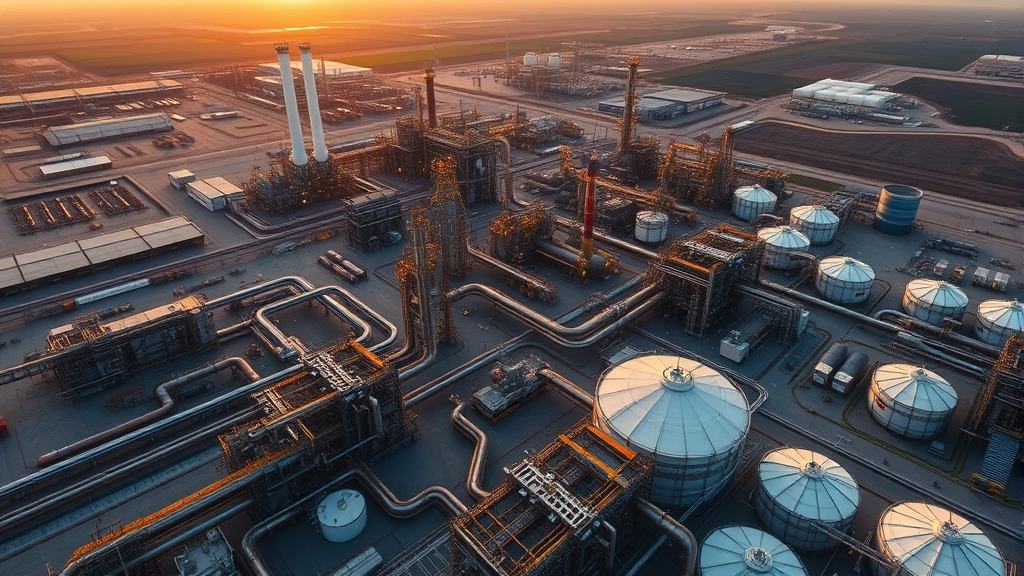
Even when crude oil is available, gasoline prices depend heavily on refinery capacity. Refineries convert crude oil into usable gasoline, diesel, and other petroleum products. The United States and global refining infrastructure operate near maximum capacity during peak demand periods, leaving little room for unexpected disruptions.
Refinery maintenance, mechanical failures, or environmental compliance issues can temporarily reduce output, tightening supply. Additionally, refineries require substantial capital investment to maintain and upgrade operations. Aging infrastructure in many developed nations struggles to meet modern efficiency and environmental standards, limiting expansion possibilities. When refinery utilization rates spike, refiners can charge higher margins, increasing the final cost consumers pay.
The geographic distribution of refineries also matters. Some regions lack sufficient local refining capacity, requiring fuel imports from distant refineries. Transportation costs, logistics complexity, and regional supply imbalances create price variations across different areas. A single refinery outage in a supply-constrained region can cause significant local price spikes.
Geopolitical Tensions and Energy Security
International conflicts and political instability in oil-producing regions create uncertainty that translates directly into higher prices. Tensions in the Middle East, sanctions on major producers, and trade disputes all disrupt energy markets. Markets price in the risk of potential supply losses, often causing prices to rise even before actual disruptions occur.
Sanctions regimes, particularly those targeting major oil producers, reduce available global supply. When geopolitical risks increase, traders demand risk premiums on crude oil futures contracts, pushing prices upward. This phenomenon explains why gas prices sometimes spike suddenly without immediate supply disruptions—markets are hedging against potential future problems.
Energy security concerns also influence long-term investment decisions. Nations dependent on imported oil face vulnerability to supply interruptions, encouraging them to pursue sustainable energy solutions and diversify energy sources. However, the transition away from fossil fuels takes decades, leaving current consumers subject to geopolitical energy market volatility.
Seasonal Demand Variations
Gasoline demand fluctuates seasonally, creating predictable price patterns. Summer driving season typically sees increased fuel consumption as families take road trips and commute patterns shift. Refineries must prepare for these demand surges by producing higher volumes of gasoline, increasing operational strain and costs.
Winter presents different challenges. Refineries must switch to winter-blend gasoline formulations that meet different vapor pressure standards, requiring production adjustments and additional processing. Seasonal transitions between blend specifications create temporary supply tightness as refineries adjust their output mix. Additionally, winter weather can disrupt production and transportation, further constraining supply.
Demand elasticity varies across regions and economic conditions. During economic booms, increased driving and commercial activity raise fuel consumption. Conversely, economic downturns reduce demand. The relationship between economic growth and gas prices creates a complex feedback loop affecting consumers’ purchasing power and spending patterns.
Environmental Regulations and Fuel Specifications
Environmental protection standards significantly impact gasoline production costs and availability. The Environmental Protection Agency (EPA) mandates specific fuel formulations to reduce emissions and protect air quality. These regulations require refineries to produce specialized fuel blends that meet stringent environmental criteria.
Different regions mandate different fuel specifications. California, for example, requires unique gasoline formulations stricter than federal standards. This regional fragmentation reduces refinery flexibility and increases production costs. Refineries must maintain separate production lines or make expensive adjustments to meet varying regional requirements, costs ultimately passed to consumers.
Renewable fuel mandates, such as ethanol blending requirements, also affect fuel prices and availability. The Renewable Fuel Standard (RFS) mandates blending renewable fuels into gasoline, but limited availability of advanced biofuels can create supply constraints. These environmental policies, while beneficial for climate goals, create short-term price pressures on consumers.
Understanding the connection between environmental regulations and energy costs helps consumers appreciate the trade-offs between environmental protection and affordability. Exploring green technology innovations transforming our future reveals long-term solutions that can decouple transportation from fossil fuel price volatility.
Inflation and Currency Fluctuations
Crude oil trades globally in U.S. dollars, making currency exchange rates crucial to gasoline pricing. When the dollar strengthens, oil becomes more expensive for foreign buyers, potentially reducing demand and stabilizing prices. Conversely, dollar weakness makes oil cheaper internationally, increasing demand and pushing prices higher.
Inflation erodes purchasing power across the economy, including energy costs. Rising labor costs, transportation expenses, and material prices increase refinery operating costs. Inflation in crude oil-producing nations affects their willingness to increase production, as their revenues don’t stretch as far when inflation erodes their purchasing power.
Central bank policies influence both currency values and inflation rates, indirectly affecting fuel prices. Monetary tightening to combat inflation can strengthen currencies and reduce fuel costs, but also slows economic growth and fuel demand. These interconnected economic factors create complex price dynamics that economists continuously analyze.
Sustainable Alternatives to Rising Gas Costs
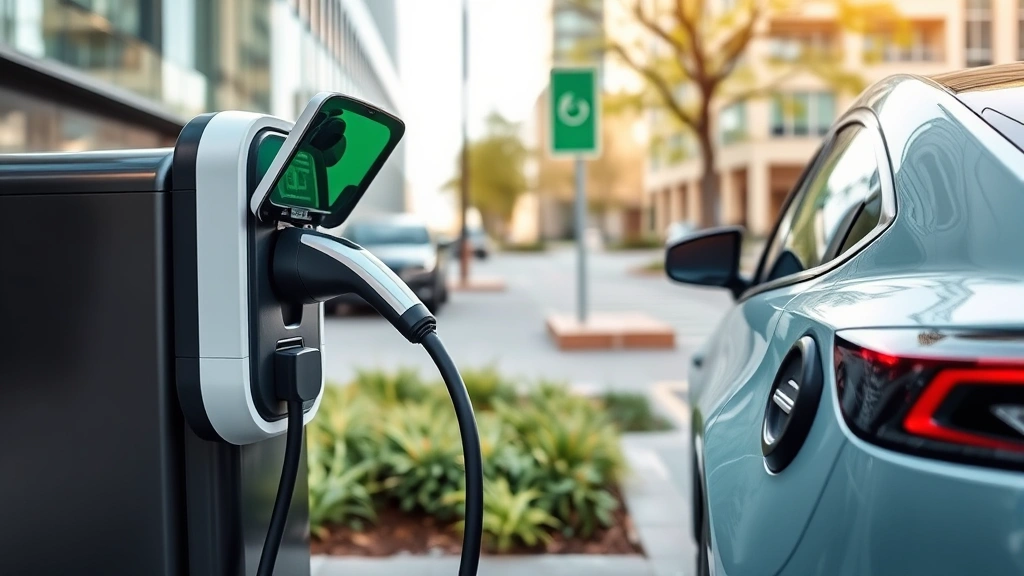
As gas prices remain volatile, exploring sustainable transportation alternatives becomes increasingly practical. Advantages of electric vehicles extend beyond environmental benefits—they insulate drivers from fossil fuel price volatility. Electric vehicles (EVs) operate on electricity, which generally provides more stable pricing than gasoline markets.
Home energy management also plays a role in overall energy costs. Learning how to save energy at home with practical tips for greener, cost-effective living extends conservation principles beyond transportation. Reducing overall energy consumption decreases your carbon footprint while lowering utility bills.
Public transportation, carpooling, and remote work arrangements reduce individual fuel consumption and expenses. Combining these strategies with vehicle maintenance optimization—keeping tires properly inflated, using recommended motor oil grades, and maintaining regular tune-ups—can improve fuel efficiency by 10-15%.
For those unable to immediately switch to electric vehicles, hybrid vehicles offer a middle ground, combining conventional engines with electric motors to improve fuel efficiency significantly. Plug-in hybrids provide flexibility for daily commutes while maintaining range for longer trips.
Long-term transportation planning should consider the declining cost trajectory of electric vehicles and expanding charging infrastructure. Visit the EPA’s FuelEconomy.gov for detailed vehicle efficiency comparisons and cost-benefit analyses. The U.S. Department of Energy provides comprehensive resources on sustainable energy solutions and incentive programs.
Advocacy for climate-conscious energy policy also matters. Supporting initiatives that accelerate renewable energy adoption, improve public transportation infrastructure, and encourage vehicle electrification creates systemic change reducing long-term fossil fuel dependence. Visit the International Energy Agency for global energy transition insights.
For the latest updates on energy markets and sustainability trends, explore our SustainWise Hub Blog, your resource for comprehensive sustainability information and actionable environmental guidance.
Frequently Asked Questions
Why do gas prices fluctuate so much?
Gas prices fluctuate due to multiple interconnected factors: crude oil supply disruptions, OPEC production decisions, refinery capacity constraints, geopolitical tensions, seasonal demand variations, currency exchange rates, and speculative trading. These variables change constantly, creating daily price movements. Some factors (like weather) are unpredictable, while others (like seasonal demand) follow patterns but vary in magnitude.
Can the government control gas prices?
Governments have limited direct control over gas prices in market economies. They can release strategic petroleum reserves temporarily to increase supply, implement price controls (though these often backfire), or adjust fuel taxes. Long-term solutions involve investing in renewable energy infrastructure, improving fuel efficiency standards, and reducing petroleum dependence. However, global market forces ultimately determine crude oil prices.
Are rising gas prices temporary or permanent?
This depends on underlying factors. Supply disruptions typically cause temporary spikes, while structural changes (like declining oil field production or accelerating energy transitions) create longer-term price pressures. Economists expect continued volatility as the world transitions toward renewable energy, with fossil fuel prices reflecting increasing scarcity premiums.
How can I reduce my gasoline expenses immediately?
Immediate strategies include improving driving habits (smooth acceleration, maintaining consistent speeds), properly maintaining your vehicle, carpooling, using public transportation for commutes, and combining errands into single trips. Checking tire pressure monthly, using the recommended motor oil grade, and keeping your fuel filter clean can improve efficiency by 10-15%. Longer-term solutions include transitioning to electric or hybrid vehicles.
What’s the relationship between gas prices and inflation?
Rising energy costs contribute significantly to overall inflation. When gas prices increase, transportation costs rise for businesses, increasing costs for goods and services. This creates inflationary pressure across the economy. Conversely, falling energy prices can help reduce inflation. Central banks monitor energy prices closely when making monetary policy decisions affecting interest rates and inflation control.
Will electric vehicles solve high gas prices?
Electric vehicles eliminate dependence on volatile gasoline markets for individual drivers, but don’t directly address crude oil prices affecting others. However, widespread EV adoption reduces overall petroleum demand, which could eventually moderate crude oil prices. The transition requires investment in charging infrastructure and vehicle manufacturing capacity, taking decades to substantially impact global oil markets.


