Adjustable Gas Block: Expert Insights & Benefits
An adjustable gas block represents a significant advancement in firearm engineering and sustainability-focused mechanical design. This precision component allows shooters and manufacturers to optimize gas flow regulation in rifle systems, reducing waste and improving operational efficiency. Understanding how adjustable gas blocks work and their environmental implications connects directly to broader principles of sustainable engineering practices that minimize resource consumption and extend equipment lifespan.
The mechanics of gas regulation in firearms parallel industrial efficiency improvements seen across manufacturing sectors. By implementing adjustable gas blocks, users can fine-tune their systems to specific ammunition types and conditions, reducing unnecessary wear on components and extending the operational life of expensive equipment. This approach embodies the sustainability principle of maximizing resource efficiency and minimizing waste—concepts that extend beyond firearms into everyday consumer products and industrial applications.

What Is an Adjustable Gas Block?
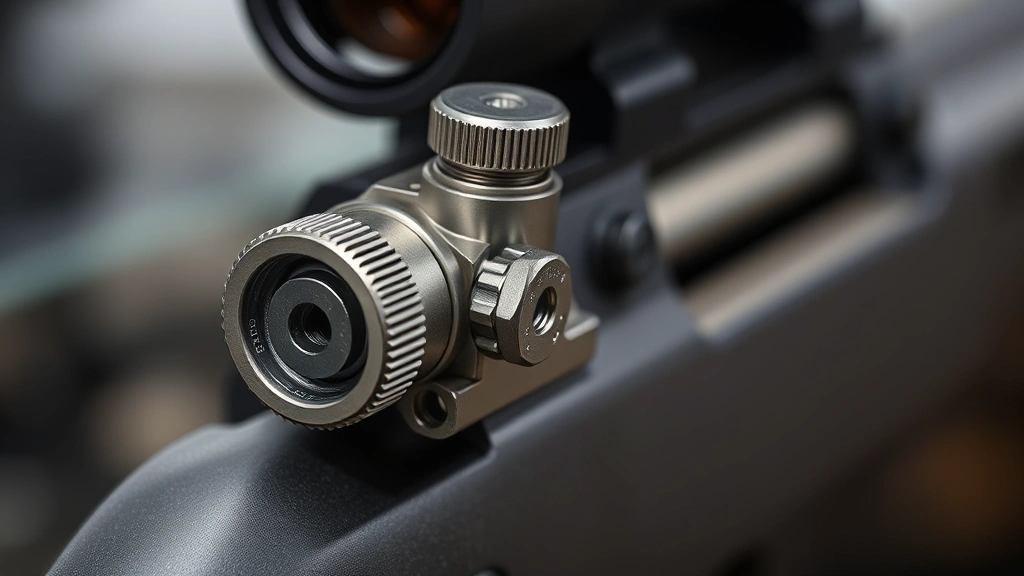
An adjustable gas block is a mechanical component installed on rifle gas tubes that allows shooters to regulate the amount of propellant gas flowing back into the firearm’s action. Unlike fixed gas blocks that provide a single, predetermined gas volume, adjustable variants feature a screw or lever mechanism enabling real-time flow optimization. This technology originated in military applications but has become increasingly popular among civilian shooters seeking performance customization and operational flexibility.
The fundamental design incorporates a gas port with an adjustable valve that can be opened or closed to varying degrees. This adjustment capability means users can match their rifle’s gas system to specific ammunition loads, barrel lengths, and environmental conditions. When exploring sustainable manufacturing practices, adjustable gas blocks exemplify how engineered solutions can reduce material waste by extending product lifecycles—a shooter can adapt one rifle to multiple ammunition types rather than requiring separate firearms for different applications.
Modern adjustable gas blocks come in various configurations, including set-screw designs, lever-operated systems, and rotating collar mechanisms. Each design prioritizes ease of adjustment and reliability under demanding conditions. The precision engineering required to manufacture these components demonstrates how mechanical innovation supports practical efficiency improvements, much like the green technology innovations transforming manufacturing.
How Adjustable Gas Blocks Work
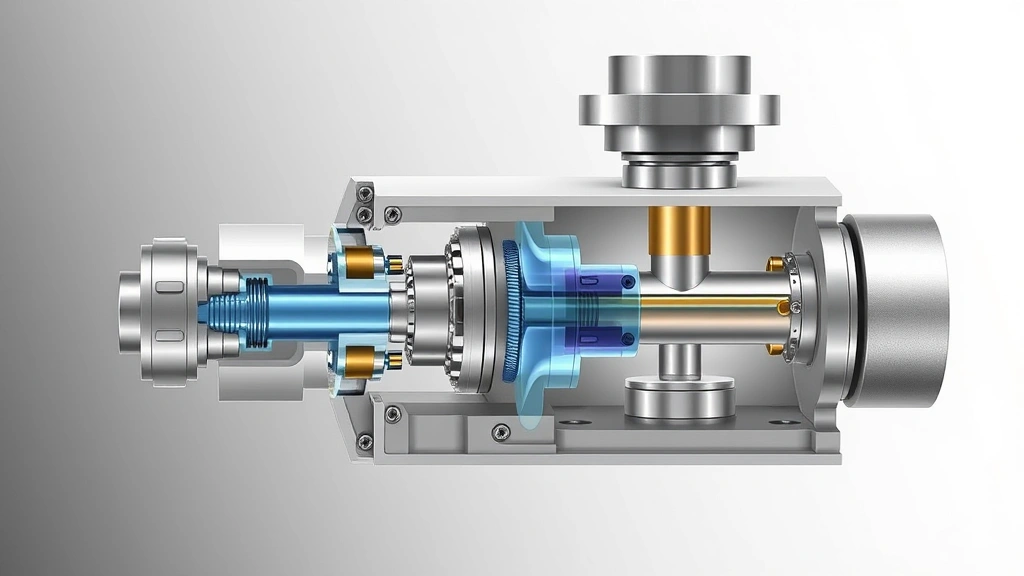
Understanding the operational mechanics of adjustable gas blocks requires familiarity with basic firearm gas system principles. When a cartridge fires, expanding gases push the bullet down the barrel while excess gas pressure is redirected through a gas port into the gas tube. This gas then cycles the bolt carrier group backward, ejecting the spent casing and chambering a new round. An adjustable gas block intercepts this gas flow and regulates its volume before it reaches the action.
The adjustment mechanism typically uses a threaded screw or rotating collar that opens or closes the gas port opening. Turning the adjustment screw clockwise reduces gas flow, while counterclockwise rotation increases it. This simple mechanical principle allows shooters to achieve the perfect balance—enough gas to reliably cycle the action with their specific ammunition, but not so much that the system operates with excessive force. Excessive gas flow accelerates wear on internal components, increases recoil, and reduces shooter control, making proper adjustment critical for performance optimization.
Temperature variations, ammunition quality inconsistencies, and suppressor use all affect required gas flow rates. An adjustable system accommodates these variables without requiring component changes. This adaptability mirrors industrial efficiency principles where sustainable energy solutions emphasize flexible systems that respond to variable conditions. By maintaining optimal gas flow regardless of circumstances, adjustable blocks reduce stress on components and extend equipment lifespan—a core sustainability objective.
Key Benefits and Advantages
Adjustable gas blocks deliver multiple practical and efficiency-related advantages that appeal to serious shooters and manufacturers alike. The primary benefit involves customization capability—users can optimize their rifle’s performance for their specific ammunition, environmental conditions, and shooting preferences. This eliminates the one-size-fits-all limitations of fixed gas blocks that often require compromise.
Enhanced reliability represents another significant advantage. By precisely matching gas flow to ammunition specifications, shooters ensure their rifles cycle correctly with various loads without short-stroking or over-gassing. This reliability improvement reduces mechanical failures and extends component life, directly supporting sustainability goals by maximizing equipment utility before replacement becomes necessary. The ability to reduce your environmental footprint through extended product lifecycles applies directly to firearm ownership and maintenance practices.
Improved shooter control and reduced felt recoil enhance shooting accuracy and comfort. When gas flow is properly tuned, the rifle cycles smoothly without violent rearward impulses. This control improvement benefits both competitive shooters seeking performance advantages and recreational shooters prioritizing comfort and safety. Additionally, suppressor compatibility becomes straightforward—shooters can adjust gas flow to compensate for back-pressure created by suppressors, maintaining reliable operation without component changes.
Cost efficiency emerges as a practical benefit. Rather than purchasing multiple rifles or barrel assemblies for different ammunition types or applications, shooters can maintain a single rifle and adjust it as needed. This consolidation approach reduces overall equipment investment while maintaining functional flexibility—an economic sustainability principle that aligns with broader environmental consciousness.
Installation and Setup Guide
Installing an adjustable gas block requires moderate mechanical skills and basic tools. The process begins with removing the gas tube from the rifle barrel. This typically involves loosening set screws or removing roll pins that secure the gas tube to the barrel. Once removed, the old fixed gas block can be driven off the gas tube using a punch and hammer, though some designs require careful disassembly of internal components.
The new adjustable gas block slides onto the gas tube in place of the original component. Proper alignment ensures the adjustment mechanism faces an accessible direction—typically upward or to the side for convenient operation. Once positioned correctly, the gas block is secured using the manufacturer’s recommended fastening method, which may involve set screws, pins, or other mechanical locks. Proper torque specifications prevent loosening during use while avoiding over-tightening that could damage components.
Initial setup involves establishing baseline gas flow adjustment. Most shooters begin with the adjustment fully open, then fire test rounds to verify function. If the rifle short-strokes or fails to cycle, gas flow is sufficient. If the action cycles excessively hard or the rifle over-gases, adjustment is reduced incrementally until smooth, reliable operation is achieved. This tuning process typically requires several range sessions and load testing to perfect.
Documentation of successful settings proves valuable for future reference. Recording the specific ammunition type, environmental conditions, and adjustment position creates a reference guide for achieving optimal performance with different loads. This systematic approach to equipment optimization demonstrates the methodical efficiency thinking that underlies sustainability blog content focused on maximizing resource utility.
Choosing the Right Adjustable Gas Block
Selecting an appropriate adjustable gas block requires evaluating several technical specifications and design characteristics. Barrel diameter compatibility proves essential—gas blocks are manufactured for specific barrel profile dimensions, including standard .750-inch diameter tubes, mid-length profiles, and specialized military specifications. Measuring barrel diameter ensures proper fit and secure installation.
Adjustment mechanism type significantly impacts user experience. Set-screw designs offer simplicity and reliability but require tools for adjustment in the field. Lever-operated systems enable quick adjustments without tools, benefiting shooters who frequently change ammunition or environmental conditions. Rotating collar mechanisms provide intermediate adjustment speed and security. Evaluating your anticipated usage frequency and adjustment needs guides mechanism selection.
Material construction and manufacturing quality directly affect durability and reliability. Premium adjustable gas blocks feature stainless steel or nitride-finished components that resist corrosion and wear. Investment in quality components aligns with sustainability principles emphasizing durable, long-lasting equipment over disposable alternatives. High-quality gas blocks maintain adjustment settings reliably and resist environmental degradation, extending service life and reducing replacement frequency.
Compatibility with existing rifle systems requires verification. Some adjustable gas blocks feature integrated rails or specific mounting configurations that may conflict with other components. Consulting manufacturer specifications and user reviews provides valuable insight into real-world compatibility. Additionally, considering whether your rifle uses carbine-length, mid-length, or rifle-length gas systems ensures the selected block matches your platform’s specifications.
Maintenance and Longevity
Proper maintenance practices maximize adjustable gas block lifespan and ensure consistent performance. Regular inspection for corrosion or debris accumulation maintains functionality, particularly in harsh environmental conditions. Periodically cleaning the adjustment mechanism prevents carbon buildup that could interfere with fine-tuning capability. Light application of appropriate lubricants—gun-specific oils or specialized coatings—protects against rust while maintaining mechanical smoothness.
Verification of adjustment retention prevents unintended drift during use. Shooting sessions subject gas blocks to vibration and recoil impulses that could shift adjustment settings. Periodic function checks confirm settings remain locked in place. Some designs feature locking mechanisms or threadlocker applications that secure adjustment screws permanently until intentional readjustment becomes necessary.
Environmental exposure management extends component life significantly. Storage in dry conditions with appropriate protective coatings prevents corrosion. When firearms are used in wet environments, prompt drying and maintenance prevent rust development. These basic stewardship practices embody the sustainability principle of maximizing equipment value through proper care, whether applied to vehicles, tools, or firearms.
Documentation of maintenance activities creates historical records supporting informed decisions about component replacement or upgrade timing. Tracking adjustment settings, ammunition types tested, and performance observations builds valuable knowledge that optimizes future adjustments and troubleshooting efforts.
Environmental Impact Considerations
The environmental implications of adjustable gas block technology extend beyond immediate firearm performance optimization. By enabling single-rifle systems to function effectively with diverse ammunition loads, adjustable blocks reduce the total number of firearms required to accomplish various shooting objectives. This consolidation approach decreases overall manufacturing demand, reducing the environmental footprint associated with firearm production.
Manufacturing efficiency improvements in precision component production contribute to broader industrial sustainability. Modern adjustable gas blocks are manufactured using CNC machining and precision casting techniques that optimize material utilization and minimize waste. As manufacturing technologies advance, waste reduction and energy efficiency improvements benefit all precision-engineered products, demonstrating how niche innovations drive broader industrial progress.
Extended equipment lifespan represents a fundamental sustainability benefit. By maintaining single firearms through adjustable tuning rather than requiring replacement purchases, shooters reduce consumption patterns and associated environmental impacts. This principle parallels broader consumer sustainability initiatives emphasizing durability, repairability, and optimization over frequent replacement—concepts central to understanding sustainability in modern consumer culture.
Material science advances in adjustable gas block construction increasingly incorporate recycled materials and environmentally responsible manufacturing processes. Premium manufacturers implement waste reduction programs and sustainable sourcing practices that minimize environmental impact. Supporting manufacturers committed to environmental responsibility encourages broader industry adoption of sustainable practices.
FAQ
What is the primary function of an adjustable gas block?
An adjustable gas block regulates propellant gas flow into a rifle’s action, allowing shooters to optimize performance for specific ammunition types, environmental conditions, and operational requirements. This customization capability improves reliability, reduces component wear, and extends equipment lifespan.
Can adjustable gas blocks be installed on any rifle?
Adjustable gas blocks are compatible with most modern rifles using direct impingement or piston-driven gas systems. However, compatibility depends on barrel profile, gas tube length, and specific platform specifications. Always verify compatibility before purchasing components.
How often should adjustable gas block settings be checked?
Regular inspection after significant ammunition changes, environmental condition shifts, or extended shooting sessions ensures settings remain optimal and securely locked. Most shooters verify settings seasonally or when transitioning between ammunition types.
Are adjustable gas blocks legal for civilian use?
Yes, adjustable gas blocks are legal civilian components in most jurisdictions. They are standard aftermarket parts available from numerous manufacturers and retailers. Always verify local firearms regulations before purchasing or modifying firearms.
What is the cost range for quality adjustable gas blocks?
Premium adjustable gas blocks typically range from $50 to $150, depending on design complexity, material quality, and manufacturer reputation. Investment in quality components ensures reliability and longevity, supporting long-term cost efficiency and sustainability objectives.
Can adjustable gas blocks improve suppressor compatibility?
Yes, adjustable gas blocks excel at accommodating suppressor back-pressure by allowing gas flow reduction to compensate for increased pressure. This capability eliminates the need for specialized components or separate rifle configurations for suppressed and unsuppressed operation.


