Amoco’s Green Initiatives: Are They Enough?
As climate change accelerates and consumers increasingly demand sustainable alternatives, major energy corporations face mounting pressure to demonstrate genuine environmental commitment. Amoco, once an independent oil giant and now part of BP, has made various public declarations about reducing carbon emissions and supporting cleaner energy. Yet the question remains: do these initiatives represent meaningful progress, or are they merely greenwashing tactics designed to maintain market share while the world transitions toward renewable energy?
Understanding Amoco’s environmental efforts requires examining their specific programs, comparing them against industry standards, and evaluating their actual impact on carbon reduction and sustainability. This comprehensive analysis explores whether Amoco’s green initiatives constitute adequate steps toward a sustainable future or fall short of what’s necessary to address the climate crisis.
Amoco’s Corporate History and Environmental Responsibility
Amoco Corporation operated as an independent petroleum company for over a century before BP acquired it in 1998. During its independent years, Amoco faced numerous environmental controversies, including the devastating 1989 Exxon Valdez incident involving its partner company and various refinery pollution issues. The merger with BP marked a significant shift in corporate structure, yet questions about environmental accountability persisted.
When BP absorbed Amoco, the company rebranded many stations under the BP flag while maintaining the Amoco name in select markets, primarily in the Midwest. This dual-branding strategy meant that Amoco stations became extensions of BP’s broader corporate sustainability agenda. Today, understanding Amoco’s green initiatives requires examining BP’s overarching environmental strategy and how those commitments translate to individual Amoco gas station locations.
The transition from independent operator to subsidiary has created complexity in assessing environmental responsibility. While Amoco stations benefit from BP’s resources and stated commitments to renewable energy, they also inherit the criticisms leveled against BP’s energy portfolio, which remains heavily dependent on fossil fuels despite recent diversification efforts.
Current Green Initiatives at Amoco Gas Stations
Amoco gas stations have implemented several environmental programs aimed at reducing their operational footprint and supporting customer sustainability choices. These initiatives span fuel efficiency improvements, alternative fuel availability, and station infrastructure upgrades.
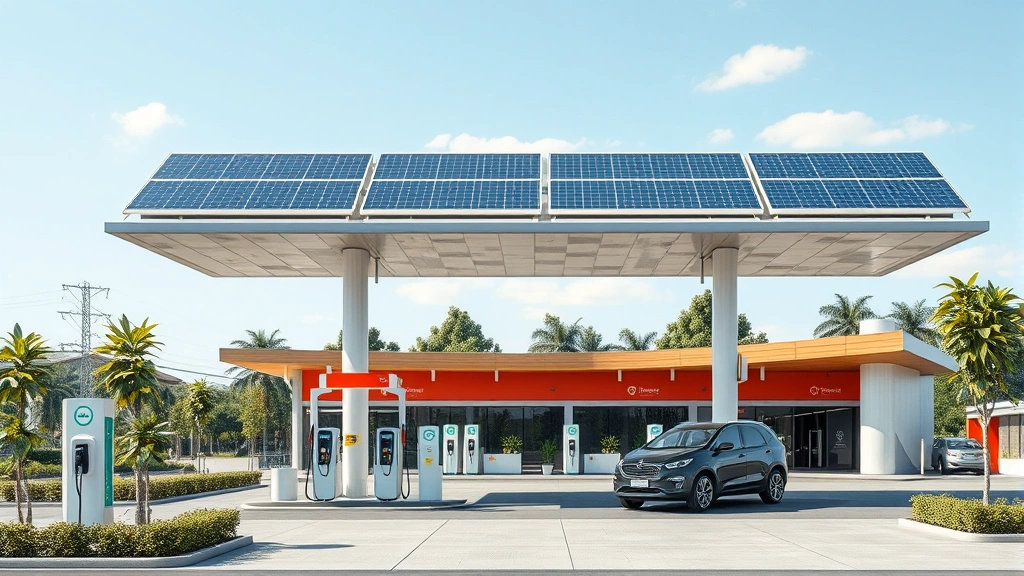
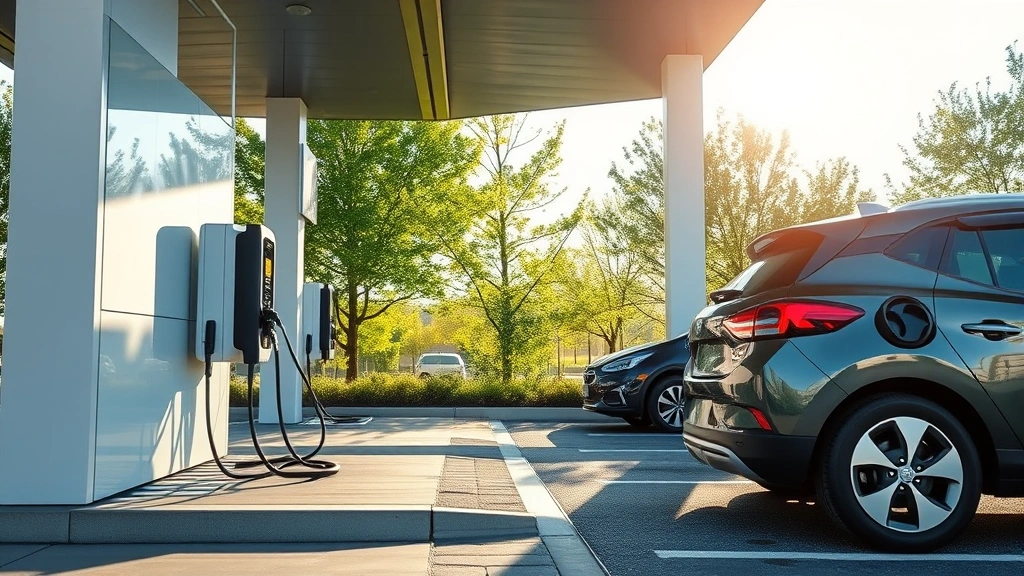
Electric Vehicle Charging Infrastructure: Many Amoco locations now feature electric vehicle charging stations, acknowledging the shift toward transportation electrification. This infrastructure supports the broader transition documented in our guide on advantages of electric vehicles, making EV ownership more practical for consumers concerned about charging accessibility. While this represents progress, the availability remains limited compared to Tesla’s Supercharger network or other dedicated EV charging networks.
Fuel Efficiency Programs: Amoco promotes premium gasoline products designed to enhance engine efficiency and reduce emissions. Their Amoco Ultimate fuel contains detergents intended to improve combustion efficiency, potentially lowering fuel consumption and associated carbon emissions. However, efficiency gains from premium fuels are marginal—typically 2-3% improvement—and don’t address the fundamental issue of fossil fuel dependency.
Station Efficiency Upgrades: New and renovated Amoco stations incorporate LED lighting, improved HVAC systems, and water conservation measures. These operational improvements reduce the environmental impact of station facilities themselves, though they represent a small fraction of overall energy consumption within Amoco’s operations.
Biofuel Blends: Select Amoco locations offer ethanol-blended gasoline options, including E10 and E15 fuel variants. These blends reduce reliance on pure petroleum and lower net carbon emissions when considering the full lifecycle of biofuel production, though agricultural impacts and land-use changes associated with biofuel crops present their own environmental concerns.
Carbon Reduction Commitments and Targets
As a BP subsidiary, Amoco operates under BP’s publicly stated climate commitments. In 2020, BP announced ambitious plans to become a net-zero company by 2050, with interim targets to reduce carbon intensity by 35-40% by 2030 and 65-70% by 2040. These commitments represent significant pledges, yet their achievability and actual implementation at Amoco gas station locations warrant scrutiny.
BP’s strategy emphasizes reducing carbon intensity—emissions per unit of energy produced—rather than absolute emissions reductions. This distinction matters significantly: the company can improve carbon intensity while total emissions remain stable or even increase if energy production grows. Critics argue this approach allows continued fossil fuel expansion while claiming environmental progress.
Regarding specific Amoco initiatives, the company has committed to:
- Reducing upstream emissions through improved extraction and processing efficiency
- Investing in renewable energy projects alongside fossil fuel operations
- Supporting customer transitions to lower-carbon transportation options
- Improving operational efficiency across station networks
However, detailed metrics specifically attributable to Amoco stations remain limited. Most publicly available data aggregates Amoco’s performance within BP’s broader corporate reporting, making it difficult to assess whether individual Amoco locations actually achieve stated environmental goals.
Renewable Energy Integration Efforts
BP’s renewable energy investments have expanded significantly, positioning the company as a diversified energy provider rather than purely oil-focused. Through BP subsidiary operations and strategic partnerships, renewable capacity has grown, though fossil fuels still dominate the portfolio.
For Amoco specifically, renewable integration manifests primarily through:
Solar-Powered Station Operations: Select Amoco stations have incorporated rooftop solar arrays to offset operational electricity consumption. These installations generate 20-30% of typical station power requirements, reducing grid electricity demand and associated emissions. However, solar deployment remains inconsistent across the network, concentrated in high-sunlight regions and newer facilities.
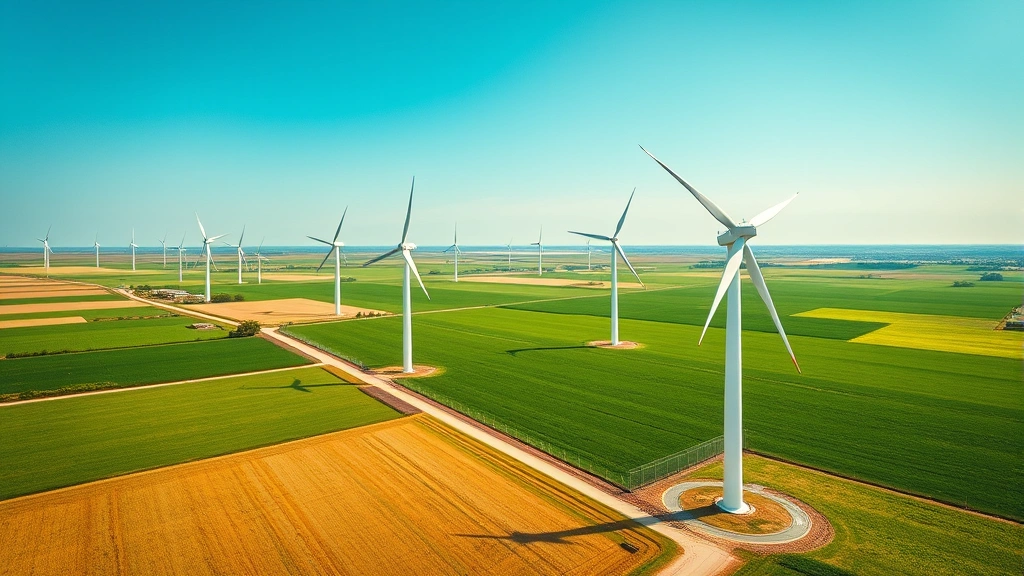
Wind Energy Procurement: BP’s renewable energy division operates wind farms that supply power to corporate operations, including Amoco stations. This procurement allows Amoco to claim renewable energy sourcing, though the percentage of total energy from wind remains modest within the broader energy portfolio.
Hydrogen Exploration: BP has invested in hydrogen technology development, viewing it as a future transportation fuel. While hydrogen shows promise for decarbonization, current production methods remain energy-intensive, and infrastructure for hydrogen refueling is virtually nonexistent at Amoco locations. This represents a long-term possibility rather than a current initiative.
Learn more about transitioning away from traditional energy sources by exploring sustainable energy solutions, which provides comprehensive context for understanding the energy transition landscape.
Comparison with Industry Competitors
Evaluating Amoco’s green initiatives requires benchmarking against other major fuel retailers and energy companies. This comparison reveals both strengths and significant gaps in Amoco’s sustainability efforts.
Shell and ExxonMobil: These competitors have made similar climate commitments, though implementation varies. Shell operates a broader renewable energy portfolio and has committed to more aggressive carbon reduction timelines. ExxonMobil’s renewable investments remain relatively modest compared to peers, positioning Amoco slightly ahead in some categories.
Chevron: Chevron has implemented similar EV charging infrastructure at select locations and maintains comparable fuel efficiency programs. However, Chevron’s renewable energy investments exceed Amoco’s, particularly in geothermal and solar development.
Specialized EV Networks: Tesla, ChargePoint, and Electrify America operate dedicated EV charging networks with significantly greater infrastructure investment and charging speed capabilities. These competitors demonstrate that comprehensive EV support requires specialized infrastructure focus, which traditional fuel retailers like Amoco address secondarily.
Independent Retailers: Smaller fuel retailers often feature locally-focused sustainability initiatives, though they lack the capital for large-scale renewable investments. Amoco’s scale provides advantages for implementing systematic changes, yet this advantage hasn’t translated to industry-leading initiatives.
Challenges and Limitations
Despite stated commitments, Amoco faces substantial structural challenges limiting the effectiveness of current green initiatives:
Business Model Dependency: Amoco’s core business model—selling gasoline and diesel—directly conflicts with climate goals. Transitioning away from fossil fuel sales threatens the fundamental revenue model, creating organizational resistance to transformative change. Incremental improvements in efficiency and emissions don’t address this fundamental tension.
Infrastructure Lock-In: Decades of investment in petroleum infrastructure create financial and operational lock-in. Amoco stations, distribution networks, and refining partnerships are designed for fossil fuel commerce. Converting this infrastructure to primarily serve renewable energy or EV charging would require massive capital reallocation that shareholders resist.
Greenwashing Concerns: Critics argue that Amoco’s environmental messaging emphasizes minor initiatives while downplaying continued fossil fuel expansion. The strategic placement of EV chargers at a handful of stations creates positive publicity disproportionate to actual impact. This selective messaging exemplifies greenwashing—presenting an environmentally conscious image without corresponding operational transformation.
Limited Geographic Coverage: Many green initiatives concentrate in affluent urban and suburban areas where EV adoption and premium fuel sales are highest. Rural and lower-income communities served by Amoco stations often lack access to these sustainability options, creating environmental justice concerns.
Measurement and Accountability: Amoco’s public reporting on emissions reductions and renewable energy usage often lacks specificity and third-party verification. Without rigorous measurement standards, claims about environmental progress become difficult to validate independently.
Understanding these limitations provides context explored in our article on is natural gas renewable, which examines how energy companies sometimes present transitional fuels as sustainable solutions while continuing fossil fuel dependency.
Future Outlook and Necessary Changes
For Amoco’s green initiatives to become genuinely adequate, substantial changes in corporate strategy and investment priorities are necessary. Current efforts, while positive, represent marginal improvements within an essentially unchanged business model.
Accelerated EV Infrastructure Investment: Amoco should dramatically expand EV charging availability, positioning stations as multi-fuel distribution hubs serving both traditional and electric vehicles. This requires capital investment comparable to renewable energy companies, not secondary initiatives appended to fossil fuel operations.
Renewable Energy Transition: Rather than maintaining fossil fuels as the primary product, Amoco should develop comprehensive renewable energy retail operations. This might include expanded solar installations, wind energy distribution, and eventually hydrogen refueling infrastructure. The company’s retail network advantage could position it as a distributed renewable energy provider.
Transparent Accountability: Amoco should implement third-party verified emissions reporting specific to station operations, not aggregated corporate data. Quarterly sustainability reports detailing carbon reduction progress, renewable energy percentages, and EV charging usage would increase accountability and enable meaningful assessment.
Just Transition Support: As the company transitions away from fossil fuel dependency, supporting affected communities and workers is essential. Amoco should invest in worker retraining programs and community development initiatives in areas dependent on traditional fuel retail.
Explore practical approaches to supporting this transition through our guide on how to save energy at home, which demonstrates how individual and organizational commitment to efficiency creates systemic change.
The role of emerging technologies is explored in our comprehensive resource on green technology innovations, which contextualizes Amoco’s initiatives within broader technological transformation opportunities.
FAQ
Does Amoco offer electric vehicle charging at all locations?
No. EV charging availability varies significantly by location, with greater availability at newer stations and in urban markets. Rural Amoco stations typically lack charging infrastructure. Check individual station websites or the Amoco app to confirm EV charging availability before visiting.
Are Amoco’s biofuel blends truly more sustainable?
Ethanol-blended fuels reduce net petroleum consumption and lower tailpipe emissions. However, agricultural production of biofuel crops involves land use, water consumption, and pesticide application with environmental costs. Biofuels represent improvement over pure petroleum but aren’t fully sustainable solutions.
How much has Amoco reduced carbon emissions?
Specific Amoco emissions data isn’t publicly disaggregated from BP’s corporate reporting. BP claims carbon intensity reductions aligned with 2030 targets, but absolute emissions reduction remains unclear. The distinction between intensity and absolute reduction is crucial—intensity improvements don’t guarantee lower total emissions.
Should I preferentially use Amoco stations for environmental reasons?
Amoco’s green initiatives don’t substantially differentiate it from competitors like Shell or Chevron. If environmental concerns drive your fuel choice, the most impactful decision is transitioning to electric vehicles. Among fuel retailers, differences in environmental impact are marginal compared to vehicle type differences.
What percentage of Amoco’s energy comes from renewable sources?
Public data on Amoco-specific renewable energy percentages isn’t available. BP’s overall renewable energy comprises roughly 20% of capacity, though this includes all BP operations globally. Individual Amoco station renewable energy percentages vary dramatically based on local solar installation and grid sourcing.
Is BP’s net-zero 2050 commitment credible?
Climate scientists generally view 2050 net-zero targets as insufficient for limiting warming to 1.5°C, requiring earlier transition dates. Additionally, achieving net-zero through carbon offsets rather than emissions elimination raises concerns about real-world climate impact. Independent analysis suggests BP’s commitment requires significant acceleration to meet climate science recommendations.


