
Top Cookware for Gas Stoves: Chef’s Picks for Sustainable Cooking
Cooking on a gas stove offers unparalleled heat control and immediate temperature adjustments, making it a favorite among professional chefs and home cooks alike. However, selecting the right cookware can significantly impact your cooking efficiency, food quality, and overall kitchen sustainability. The best cookware for gas stoves combines responsive heat distribution, durability, and eco-friendly materials that align with modern environmental consciousness.
As we explore sustainable living practices and ways to reduce your environmental footprint, choosing quality cookware that lasts decades rather than years becomes an important consideration. Investing in superior cookware reduces waste, saves money long-term, and improves your cooking experience. This comprehensive guide examines the top cookware options specifically designed for gas stove cooking, featuring materials, construction methods, and sustainability credentials that modern eco-conscious cooks demand.
Why Gas Stove Cookware Matters
Gas stoves deliver direct flame heat with exceptional responsiveness, but this advantage requires cookware specifically engineered for optimal performance. Unlike electric stovetops, gas flames create uneven heating patterns that demand cookware with superior heat distribution capabilities. The cookware you choose directly influences cooking efficiency, energy consumption, and whether heat reaches food evenly or creates hot spots that burn ingredients.
Understanding sustainability principles extends to kitchen choices. Purchasing durable, high-quality cookware reduces the cycle of replacement consumption that characterizes disposable kitchen culture. When you invest in cookware engineered for gas stoves, you minimize waste, decrease your household’s environmental impact, and support manufacturers committed to responsible production practices.
Gas stove cookware requires flat, stable bottoms that maintain complete contact with grates, excellent thermal conductivity for rapid heat transfer, and handles designed to withstand direct flame exposure. The combination of these technical requirements with environmental responsibility creates a compelling argument for thoughtful cookware selection that benefits both your kitchen and our planet.

Stainless Steel Cookware Excellence
Stainless steel represents the gold standard for gas stove cookware, offering exceptional durability, versatility, and sustainability credentials. High-quality stainless steel cookware features multi-ply construction with aluminum or copper cores sandwiched between outer stainless steel layers, creating superior heat distribution that eliminates hot spots common with single-layer pans.
Professional chefs favor stainless steel because it responds immediately to temperature adjustments—a critical advantage when cooking on gas. The material withstands high heat without degradation, resists corrosion indefinitely, and maintains appearance after decades of daily use. Unlike non-stick coatings that wear away, stainless steel improves with proper seasoning and care, becoming more effective over time.
Sustainability advantages of stainless steel include complete recyclability at end-of-life, absence of harmful chemical coatings, and longevity that prevents premature disposal. Many premium stainless steel cookware sets come with lifetime warranties, indicating manufacturer confidence in durability. When you purchase quality stainless steel cookware, you’re making a sustainable kitchen investment that typically outlasts three generations of use.
Look for cookware featuring tri-ply or five-ply construction, magnetic stainless steel bases for secure gas grate contact, and handles riveted rather than welded for enhanced longevity. Brands like All-Clad, Demeyere, and Zwilling maintain strict quality standards and transparent manufacturing practices that appeal to environmentally conscious consumers.
Cast Iron: The Sustainable Choice
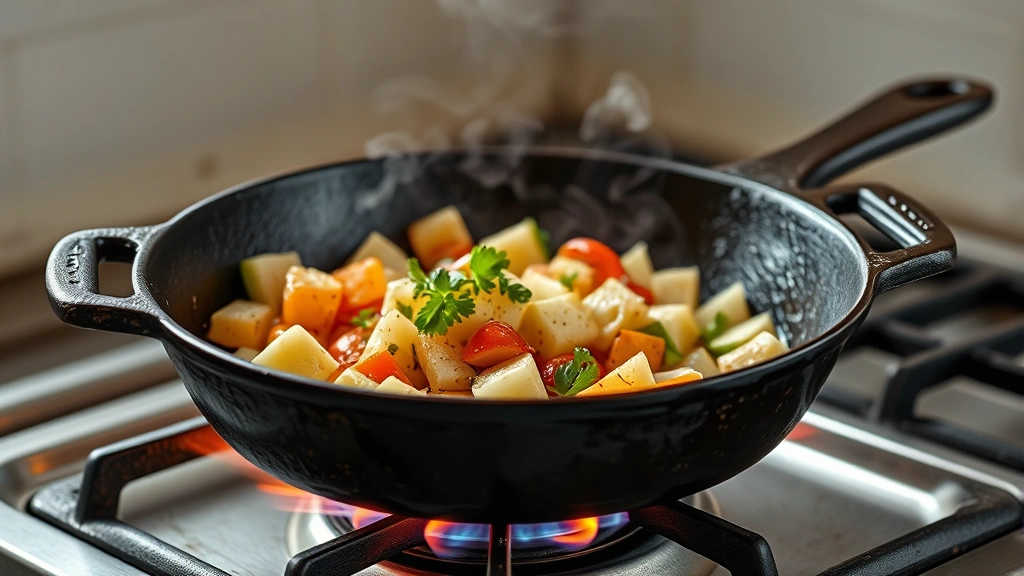
Cast iron cookware represents the ultimate sustainable cooking solution, offering unmatched longevity and performance characteristics perfectly suited for gas stove cooking. A well-maintained cast iron skillet can function effectively for over 100 years, making it perhaps the most environmentally responsible cookware investment available. Cast iron’s thermal mass creates exceptional heat retention, allowing for even cooking and energy efficiency on gas flames.
The sustainability story of cast iron extends beyond longevity. Cast iron requires no chemical non-stick coatings, eliminating concerns about PFOA and similar compounds that contaminate waterways. The material is infinitely recyclable—old cast iron can be melted and reformed indefinitely without quality degradation. This circular economy potential makes cast iron fundamentally different from modern alternatives that eventually become toxic waste.
Gas stoves and cast iron form a perfect pairing. The open flame directly contacts the pan’s surface, and cast iron’s superior heat retention means you can lower flame intensity while maintaining cooking performance, reducing energy consumption. Cast iron develops seasoning—a natural non-stick patina that improves with use—making older pans more functional than new ones.
Contemporary cast iron manufacturers like Field Company and Smithey produce cookware using traditional methods with sustainable sourcing practices. These producers often highlight their environmental commitments and transparent supply chains. Vintage cast iron from estate sales and antique shops offers exceptional value while extending the lifecycle of existing products, embodying the sustainable energy and resource principles that define modern environmental responsibility.
Proper cast iron maintenance—cleaning with minimal water, occasional seasoning with food-grade oil, and dry storage—ensures decades of reliable performance. The learning curve for cast iron care is minimal, and the rewards of owning cookware that improves with age represent a meaningful shift toward sustainable consumption.
Copper-Bottom Construction Benefits
Copper-bottom cookware combines stainless steel durability with copper’s exceptional thermal conductivity, creating professional-grade cookware perfectly optimized for gas stoves. Copper conducts heat approximately 25 times faster than stainless steel alone, enabling rapid temperature response and uniform heat distribution across the entire pan surface.
The copper layer—typically bonded to stainless steel bases—ensures that gas flames heat the entire cookware surface evenly, eliminating hot spots that cause uneven cooking or burning. This efficiency means you can cook with lower flame intensity while achieving superior results, directly reducing energy consumption and supporting your commitment to green technology innovations.
Copper-bottom cookware requires slightly more maintenance than stainless steel alone, as copper develops natural patina over time. However, this darkening doesn’t affect performance and actually indicates the development of seasoning. Many cooks appreciate the aesthetic evolution that comes with regular use, viewing patina development as evidence of a well-loved kitchen tool.
Sustainability considerations for copper cookware include the metal’s excellent recyclability and the durability that copper-bonded construction provides. Cookware featuring proper copper bonding typically lasts 30+ years with normal use, and the copper layer can be re-bonded if separation occurs, extending useful life indefinitely. French copper cookware from manufacturers like Mauviel represents the pinnacle of this category, combining heritage craftsmanship with modern performance standards.
Non-Stick Eco-Friendly Options
Modern non-stick cookware has evolved significantly, with manufacturers developing ceramic and alternative coatings that eliminate PFOA and similar harmful chemicals associated with traditional non-stick surfaces. For gas stove cooking, ceramic non-stick cookware offers convenience without the environmental and health concerns of conventional options.
Ceramic non-stick coatings derive from silica-based materials that bond to cookware surfaces without requiring fluorinated compounds. These coatings provide genuine non-stick performance for everyday cooking while remaining inert at normal cooking temperatures. Brands like GreenPan and Our Place have pioneered ceramic non-stick technology with transparent ingredient disclosure and third-party testing that validates safety claims.
The sustainability advantage of modern non-stick options lies in their safety profile and the reduced oil requirements for cooking. When ceramic non-stick surfaces function properly, they enable healthier cooking with minimal added fats. However, ceramic coatings gradually wear with use—typically lasting 2-3 years with proper care—making them less sustainable than cast iron or stainless steel over extended periods.
If you choose ceramic non-stick cookware for gas stoves, prioritize brands committed to sustainability principles and transparent manufacturing. Look for cookware manufactured by companies that publish environmental impact assessments and source materials responsibly. Avoid products with vague ingredient descriptions or manufacturers unwilling to disclose coating compositions.
For gas stove use, ceramic non-stick cookware should feature reinforced bases and heat-resistant handles rated for open flame exposure. The cookware should maintain flat contact with gas grates and respond predictably to temperature adjustments. Quality ceramic non-stick cookware typically costs more than conventional non-stick options but delivers superior performance and safety.
Carbon Steel Performance
Carbon steel cookware occupies a middle ground between cast iron and stainless steel, offering rapid heat response, lighter weight, and excellent durability. Carbon steel develops natural seasoning like cast iron while remaining more responsive to temperature changes than traditional cast iron. For gas stove cooking, carbon steel delivers performance characteristics that appeal to both home cooks and professionals.
The sustainability profile of carbon steel resembles cast iron—the material is infinitely recyclable, requires no chemical coatings, and improves with age. Carbon steel cookware typically costs less than comparable stainless steel or copper-bottom options, making it accessible for budget-conscious cooks seeking quality. A well-maintained carbon steel pan functions effectively for 50+ years, representing excellent environmental value.
Carbon steel requires seasoning similar to cast iron but develops non-stick properties more quickly due to thinner construction and lighter weight. The material conducts heat more rapidly than cast iron, enabling better temperature control on gas stoves. Many professional kitchens maintain carbon steel woks and sauté pans alongside stainless steel cookware, recognizing carbon steel’s unique advantages.
Manufacturers like Smithey and Field Company produce high-quality carbon steel cookware with transparent production practices. Vintage carbon steel cookware from restaurant supply sources often represents exceptional value, as commercial-grade pans typically outlast domestic versions. Purchasing vintage cookware extends product lifecycles and supports circular economy principles central to sustainable living.
Material Comparison Guide
Selecting the optimal cookware material requires understanding trade-offs between performance, durability, cost, and environmental impact. Here’s a comprehensive comparison of top cookware materials for gas stove cooking:
- Stainless Steel: Excellent durability, no seasoning required, versatile, recyclable, moderate heat conductivity, requires multi-ply construction for optimal performance, higher cost
- Cast Iron: Exceptional longevity (100+ years), superior heat retention, improves with age, requires seasoning, heavy weight, excellent recyclability, moderate cost, steeper learning curve
- Copper-Bottom: Rapid heat conductivity, professional-grade performance, exceptional heat distribution, requires maintenance, higher cost, excellent recyclability, 30+ year lifespan
- Carbon Steel: Lighter than cast iron, rapid heat response, improves with age, requires seasoning, excellent recyclability, lower cost, 50+ year lifespan, responsive temperature control
- Ceramic Non-Stick: Convenient non-stick surface, healthier cooking option, no PFOA exposure, shorter lifespan (2-3 years), lower cost, less sustainable long-term
The optimal choice depends on your cooking style, budget, and commitment to sustainability. Professional cooks typically maintain multiple cookware types, using each for specific applications. Home cooks benefit from starting with quality stainless steel and adding cast iron or carbon steel as skills develop.
Maintenance Tips for Longevity
Proper maintenance extends cookware lifespan significantly, maximizing your environmental investment and ensuring optimal performance on gas stoves. Here are essential practices for maintaining each cookware type:
- Stainless Steel Care: Hand wash with mild soap and warm water immediately after cooking, avoid abrasive scrubbers that damage surfaces, dry thoroughly to prevent water spotting, periodically polish with appropriate stainless steel cleaner to maintain appearance
- Cast Iron Maintenance: Clean with hot water and minimal soap while pan is warm, scrub stubborn residue with coarse salt and oil, dry thoroughly with towel, apply thin oil layer before storage, avoid prolonged water contact that causes rust
- Copper-Bottom Protection: Hand wash with non-abrasive sponges, dry immediately to prevent oxidation, periodically polish copper exterior with appropriate products, avoid dishwasher use that damages copper bonding
- Carbon Steel Seasoning: Similar to cast iron, build seasoning through regular cooking with oils, clean while warm with minimal soap, dry completely, store in dry location to prevent rust formation
- Ceramic Non-Stick Care: Use non-metal utensils exclusively, hand wash with soft sponges, avoid high heat that degrades coating, store carefully to prevent chipping, replace when non-stick properties diminish
Regular maintenance prevents premature deterioration and ensures your cookware performs optimally throughout its lifespan. Many sustainability experts recommend viewing cookware maintenance as an investment in reducing consumption and supporting circular economy principles. When you maintain cookware properly, you’re directly reducing waste and supporting environmental responsibility in your kitchen.
Store cookware in dry locations with adequate ventilation, avoid stacking without protective layers between pieces, and inspect regularly for damage that might affect performance. When cookware does eventually require replacement, research recycling options in your community. Many metal recycling facilities accept cookware, ensuring materials re-enter the manufacturing cycle rather than landfills.
FAQ
What cookware material heats fastest on gas stoves?
Copper-bottom cookware heats fastest due to copper’s exceptional thermal conductivity—approximately 25 times faster than stainless steel alone. Carbon steel also responds quickly, making it an excellent choice for cooks prioritizing rapid temperature response. Aluminum cores in multi-ply stainless steel cookware provide rapid heating while maintaining stainless steel’s durability and sustainability advantages.
Is non-stick cookware safe for gas stoves?
Modern ceramic non-stick cookware is safe for gas stoves when manufactured by reputable companies using PFOA-free formulations. However, some non-stick coatings can degrade at high temperatures. Always verify manufacturer specifications for maximum safe temperature ratings and open flame compatibility. Traditional PTFE-based non-stick cookware should be avoided due to health and environmental concerns associated with PFOA and similar compounds.
Can you use stainless steel cookware on gas stoves?
Yes, stainless steel cookware performs excellently on gas stoves, particularly multi-ply construction featuring aluminum or copper cores. The flat, stable base maintains contact with gas grates, and the responsive heat distribution accommodates gas flames’ rapid temperature changes. Professional kitchens rely extensively on stainless steel for gas stove cooking.
How do I prevent hot spots when cooking on gas stoves?
Multi-ply cookware with aluminum or copper cores effectively prevents hot spots by distributing heat evenly across the pan surface. Cast iron and carbon steel also minimize hot spots due to superior heat retention and thermal mass. Using appropriate flame intensity—medium rather than high—and allowing pans to preheat properly also reduces hot spot development.
What’s the most sustainable cookware choice?
Cast iron and carbon steel represent the most sustainable cookware options due to infinite recyclability, absence of chemical coatings, and exceptional longevity (50-100+ years). These materials improve with age, require no replacement, and support circular economy principles. High-quality stainless steel cookware ranks second in sustainability due to excellent durability and recyclability, though it requires more energy-intensive manufacturing than cast iron.
Should I buy cookware sets or individual pieces?
Individual pieces offer superior flexibility, allowing you to purchase only cookware you’ll actually use. Sets often include redundant sizes and unnecessary pieces that consume storage space and resources. Purchasing strategically—perhaps starting with quality stainless steel pans and adding cast iron pieces—allows you to build a collection aligned with your cooking style while supporting sustainable consumption practices.
How often should I replace gas stove cookware?
Quality cookware rarely requires replacement. Stainless steel cookware typically lasts 20-30 years or longer with proper care. Cast iron and carbon steel can function for 50-100+ years or indefinitely. Even ceramic non-stick cookware—the shortest-lived option—typically performs for 2-3 years before replacement becomes necessary. Investing in quality initially minimizes long-term replacement frequency and supports environmental responsibility.


