Is Natural Gas Sustainable? Arkansas Insights into Energy’s Complex Reality
Natural gas has long been positioned as a bridge fuel in the transition away from coal and oil, particularly across the South and Southwest United States. In Arkansas and Oklahoma, where energy production significantly impacts regional economies and environmental outcomes, the question of natural gas sustainability becomes increasingly urgent. While natural gas produces fewer emissions than coal when burned, the complete lifecycle of extraction, processing, transportation, and combustion reveals a more complicated environmental picture that demands closer examination.
Arkansas sits at a unique crossroads in America’s energy landscape. The state has substantial natural gas reserves, particularly in the Fayetteville Shale formation, which has driven significant economic development and job creation. However, this resource extraction comes with environmental trade-offs that residents and policymakers must carefully weigh. Understanding whether natural gas truly qualifies as a sustainable energy source requires looking beyond marketing claims to examine scientific evidence, environmental impacts, and long-term viability.
Understanding Natural Gas and Its Role in Energy Production
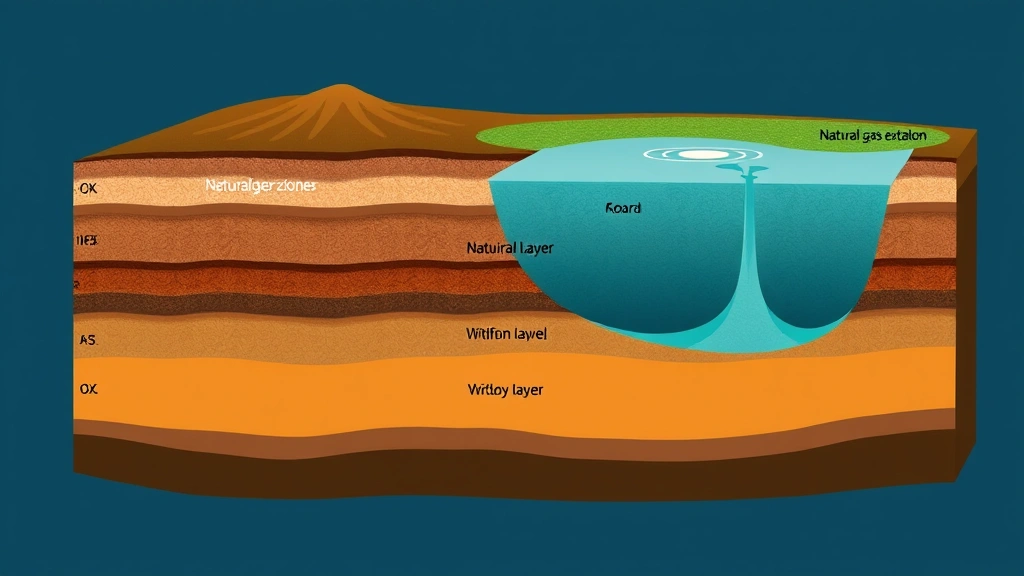
Natural gas is a fossil fuel composed primarily of methane, extracted from deep underground reserves through conventional drilling or hydraulic fracturing (fracking). In the context of sustainable energy solutions, natural gas occupies a controversial middle ground. When compared directly to coal, natural gas combustion produces approximately 50% fewer carbon dioxide emissions. This advantage has made it attractive to policymakers seeking transitional fuels while renewable energy infrastructure develops.
However, sustainability encompasses far more than just carbon emissions during fuel combustion. The principles of sustainability require evaluating entire systems—from resource extraction through end use and disposal. Natural gas must be assessed on its complete lifecycle impact, including the energy required to extract it, the infrastructure needed to transport it, and the environmental consequences of development activities.
Arkansas’s Fayetteville Shale formation represents one of the nation’s largest natural gas reserves, with production ramping up significantly in the 2000s and 2010s. The economic injection from this industry has been substantial, supporting thousands of jobs in drilling, processing, and related services. Yet this economic benefit cannot be evaluated in isolation from environmental and social costs that extend across generations.
Environmental Impact of Natural Gas Extraction in Arkansas
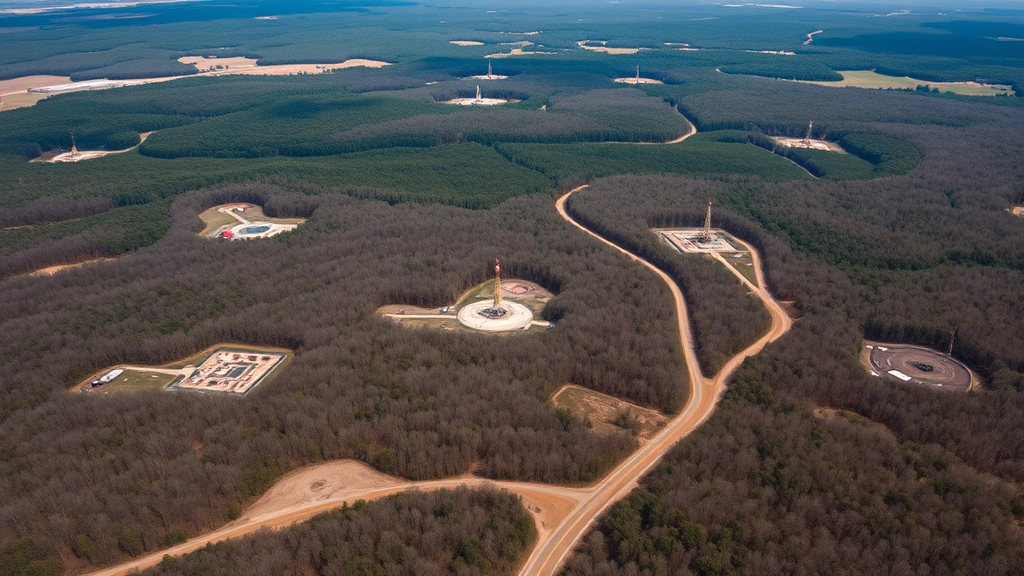
The process of extracting natural gas from shale formations in Arkansas involves drilling thousands of wells across landscapes that were previously undeveloped. This industrial transformation creates visible environmental changes: cleared land for drilling pads, networks of access roads, pipeline corridors, and processing facilities. These physical alterations fragment habitats and alter ecosystems that support wildlife and plant communities.
Beyond surface-level changes, shale gas extraction in Arkansas requires intensive water usage and creates wastewater management challenges. The Fayetteville Shale play encompasses areas overlying the Ozark aquifer, a critical freshwater resource for the region. Development activities raise concerns about potential groundwater contamination, though the industry maintains strict safety protocols. Local communities have documented instances where water quality concerns emerged following drilling operations, leading to ongoing disputes about causation and liability.
Air quality represents another significant environmental concern. Natural gas operations emit volatile organic compounds (VOCs) and nitrogen oxides that contribute to ground-level ozone formation. In rural areas of Arkansas and Oklahoma where gas production occurs, air quality monitoring data occasionally shows elevated pollution levels during peak production periods. Residents living near drilling operations report odor issues and respiratory concerns, though establishing direct causation requires rigorous epidemiological research.
The cumulative land-use impacts across Arkansas’s gas-producing regions deserve serious consideration. When hundreds of drilling pads, compressor stations, and pipeline routes crisscross a landscape, the ecological fragmentation becomes substantial. Wildlife corridors are disrupted, and sensitive habitats face degradation from both direct disturbance and indirect effects like increased noise and light pollution.
Methane Emissions: The Hidden Climate Concern
Perhaps the most critical sustainability issue surrounding natural gas involves methane leakage throughout the supply chain. While natural gas combustion for electricity or heating produces roughly half the carbon dioxide of coal, methane itself is a potent greenhouse gas. When measured over a 100-year period, methane has approximately 28-34 times the warming potential of carbon dioxide. Over a 20-year period, this multiplier reaches 80-86 times.
The EPA’s greenhouse gas inventory documents that methane leakage from natural gas systems represents a significant portion of U.S. climate emissions. Leaks occur at multiple points: during extraction at the wellhead, during processing and compression, through pipeline transportation, at distribution facilities, and even from consumer appliances. Industry estimates suggest leak rates of 1-2% of production, but independent studies using atmospheric measurements have found higher rates in certain regions.
In Arkansas and Oklahoma, where natural gas production is concentrated, methane emissions from the energy sector contribute meaningfully to regional greenhouse gas inventories. Research conducted by atmospheric scientists using satellite data and ground-based monitoring has identified methane hotspots correlating with active gas production regions. If these emissions are factored into sustainability assessments, natural gas appears significantly less favorable as a climate solution.
The climate impact of methane is particularly concerning because it operates on a shorter timescale than carbon dioxide. Methane remains in the atmosphere for approximately 12 years before breaking down, while CO2 persists for centuries. This means that reductions in methane emissions provide relatively rapid climate benefits—a critical advantage in our narrow window for limiting warming to 1.5-2 degrees Celsius.
Water Resources and Hydraulic Fracturing
Hydraulic fracturing, the primary extraction method for Fayetteville Shale gas, requires injecting massive volumes of water mixed with chemicals deep underground to create fractures that release trapped gas. A single well may require 5-10 million gallons of water during the fracturing process. Across the thousands of wells developed in Arkansas, cumulative water consumption becomes enormous—competing with agricultural irrigation, municipal supplies, and ecosystem needs.
The injected fracking fluid contains proprietary chemical mixtures that operators are not required to fully disclose, citing trade secrets. This opacity makes independent environmental assessment difficult. However, documented cases of groundwater contamination near drilling operations, though disputed by industry, have raised legitimate concerns about whether current regulations adequately protect water resources.
Wastewater from natural gas operations must be managed carefully. In Arkansas, much of this wastewater is injected into deep disposal wells, a practice regulated by the EPA’s Underground Injection Control program. However, disposal well injection itself carries risks—the U.S. Geological Survey has documented links between wastewater injection and increased seismic activity in several regions, including Oklahoma where injection-induced earthquakes have become a documented concern.
For Arkansas residents concerned about how to reduce your environmental footprint, understanding water impacts of energy production becomes personally relevant. Every unit of natural gas consumed represents water consumption at the extraction stage, plus additional water use in power generation if used for electricity production. This multi-stage water demand makes natural gas a relatively water-intensive energy source compared to wind and solar alternatives.
Economic Benefits vs. Environmental Costs
The natural gas industry has brought genuine economic benefits to Arkansas and Oklahoma. Direct employment in drilling, completion, and production operations, plus indirect jobs in supporting industries, has provided income to thousands of workers. Tax revenues from natural gas production have funded schools, roads, and public services. Royalty payments to landowners who lease their mineral rights have created wealth in rural communities.
However, economic analysis becomes incomplete without accounting for environmental and health externalities—costs borne by society rather than the companies capturing profits. When air quality degradation increases respiratory disease rates, those healthcare costs aren’t reflected in natural gas price calculations. When groundwater contamination requires expensive remediation, those costs fall on municipalities and residents rather than energy companies. When ecosystems lose functionality, the loss of services like pollination, water filtration, and carbon storage isn’t factored into profit statements.
Economists call these unaccounted costs “externalities,” and they represent a fundamental market failure. The true cost of natural gas, if environmental and health impacts were internalized into pricing, would be substantially higher. This economic reality suggests that comparing natural gas to renewable energy alternatives requires honest accounting of all costs, not just direct production expenses.
The sustainable energy solutions that gain traction in forward-thinking regions typically involve moving beyond fossil fuels entirely rather than optimizing their extraction. States and regions that have invested in wind, solar, and energy efficiency have found that economic benefits ultimately exceed those from continued fossil fuel dependence—particularly as renewable technology costs continue declining and carbon pricing mechanisms become more prevalent.
Comparing Natural Gas to Renewable Energy Alternatives
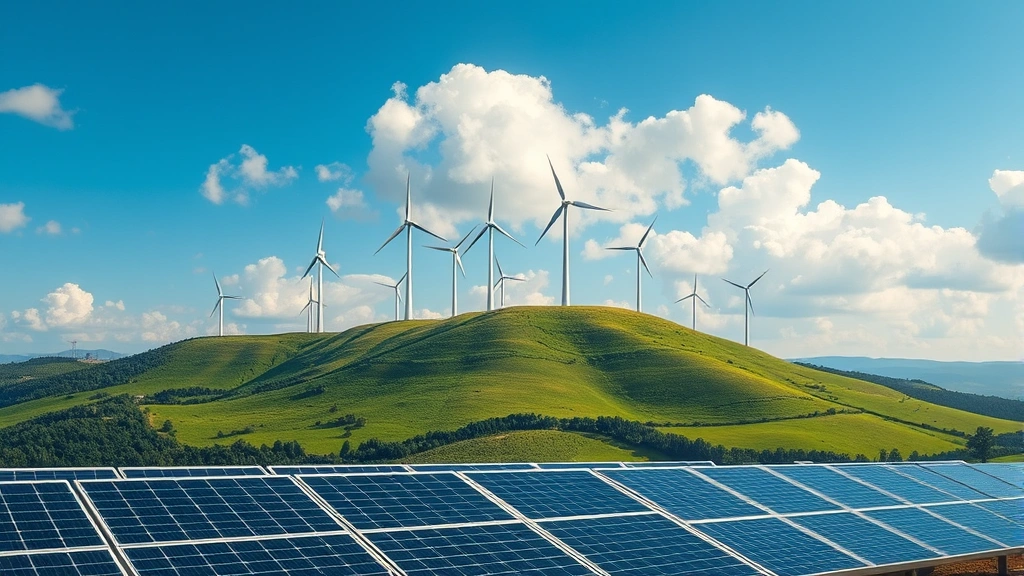
Arkansas possesses substantial renewable energy potential that remains largely underdeveloped. The state receives adequate solar radiation for utility-scale solar facilities, particularly in western regions. Wind resources in the Ozark plateau could support significant wind generation. Additionally, Arkansas’s existing hydroelectric capacity and potential for pumped-storage hydroelectricity provide energy storage solutions that complement variable renewables.
When comparing natural gas to renewables across sustainability metrics, the advantages of renewables become clear: zero operational emissions, minimal water consumption, no extraction impacts, and declining costs. The latest cost analyses show solar and wind are now cheaper than natural gas on a purely economic basis before even accounting for environmental externalities.
The transition to renewable energy does present real challenges—grid integration, energy storage, workforce transitions, and infrastructure investment. However, these challenges are technical and economic problems with known solutions, unlike the fundamental incompatibility between fossil fuel combustion and climate stability. Germany, Denmark, and Costa Rica have demonstrated that high renewable penetration is technically feasible at scale.
For consumers and businesses in Arkansas and Oklahoma concerned about energy sustainability, exploring advantages of electric vehicles and renewable electricity sources represents a practical step toward reducing dependence on natural gas. Electric heating systems powered by renewable electricity eliminate direct fossil fuel combustion while supporting clean energy development.
Regulatory Framework in Arkansas and Oklahoma
Both Arkansas and Oklahoma regulate natural gas production through state agencies, though regulatory stringency varies. Arkansas’s Department of Energy and Environment oversees oil and gas operations, while Oklahoma’s Corporation Commission manages energy development. These agencies balance economic development interests with environmental protection—a tension that shapes regulatory outcomes.
Federal oversight through the EPA’s Clean Air Act and Clean Water Act provides baseline environmental protections, but federal regulations have been subject to significant variation depending on administration priorities. The EPA has established methane emission standards for oil and gas operations, though implementation and enforcement have fluctuated with political changes.
Stronger regulatory frameworks that limit methane emissions, require comprehensive water monitoring, and establish robust financial assurance for site remediation would improve the environmental profile of natural gas operations. However, even with optimal regulation, natural gas remains a fossil fuel whose combustion contributes to climate change. Regulation can minimize harm but cannot eliminate the fundamental sustainability challenge.
Moving Toward True Energy Sustainability
Answering whether natural gas is sustainable requires clear-eyed assessment: it is less harmful than coal or oil, but significantly more harmful than renewable energy sources and energy efficiency. Positioning natural gas as a long-term solution represents a dangerous delay in the transition to truly sustainable energy systems.
For Arkansas and Oklahoma, a sustainable energy future involves strategic planning for economic transition away from fossil fuel dependence. This requires investment in renewable energy infrastructure, workforce development for clean energy jobs, and support for communities dependent on fossil fuel production. Several states have successfully managed energy transitions, demonstrating that planning and investment create opportunity rather than just loss.
Individuals and organizations can contribute to this transition through multiple pathways: supporting renewable energy policies, choosing renewable electricity options where available, investing in energy efficiency, exploring electric vehicle adoption, and advocating for sustainable energy investments in their communities. The SustainWise Hub Blog provides ongoing resources for understanding energy sustainability issues and identifying practical actions.
Technology like natural gas detectors can help identify leaks in home systems, reducing emissions and safety risks. However, individual leak detection is a harm-reduction measure, not a sustainability solution. True sustainability requires systemic transitions in how society generates, distributes, and consumes energy.
The scientific consensus is clear: limiting climate change to manageable levels requires rapid decarbonization of energy systems. Natural gas cannot be part of the solution at scale—it must be part of the problem being phased out. Arkansas and Oklahoma have opportunities to lead this transition, creating economic benefits while protecting environmental and human health for future generations.
FAQ
Is natural gas truly cleaner than coal?
Natural gas produces approximately 50% fewer carbon dioxide emissions than coal during combustion. However, this advantage is substantially reduced when methane leakage throughout the supply chain is factored in. Some lifecycle analyses show natural gas and coal producing similar climate impacts when all emissions are counted, particularly if methane leak rates exceed 3-4%.
What are the main environmental concerns with Arkansas natural gas production?
Primary concerns include methane emissions contributing to climate change, water consumption and potential groundwater contamination from hydraulic fracturing, air quality impacts from operations, habitat fragmentation from drilling infrastructure, and induced seismic activity from wastewater injection. These impacts vary geographically and depend on specific operational practices and regulatory oversight.
Can natural gas be part of a sustainable energy future?
Natural gas might play a limited transitional role in specific applications where renewable alternatives aren’t yet viable, such as certain industrial processes. However, natural gas cannot be the foundation of a sustainable energy system. The climate emergency requires moving directly to renewable energy and electrification rather than investing heavily in natural gas infrastructure that would lock in fossil fuel dependence for decades.
What renewable energy alternatives exist for Arkansas?
Arkansas has significant solar potential, particularly in western regions; viable wind resources in elevated areas; existing hydroelectric capacity; and potential for energy storage solutions. Combined with aggressive energy efficiency improvements, these resources could meet substantial portions of the state’s electricity needs while creating economic opportunities in clean energy sectors.
How can individuals reduce natural gas consumption?
Practical steps include improving home insulation and weatherization to reduce heating needs, switching to electric heat pumps for space and water heating, choosing induction cooking over gas ranges, installing renewable electricity systems where feasible, and supporting policies that incentivize clean energy adoption. These changes reduce both environmental impact and energy costs over time.


