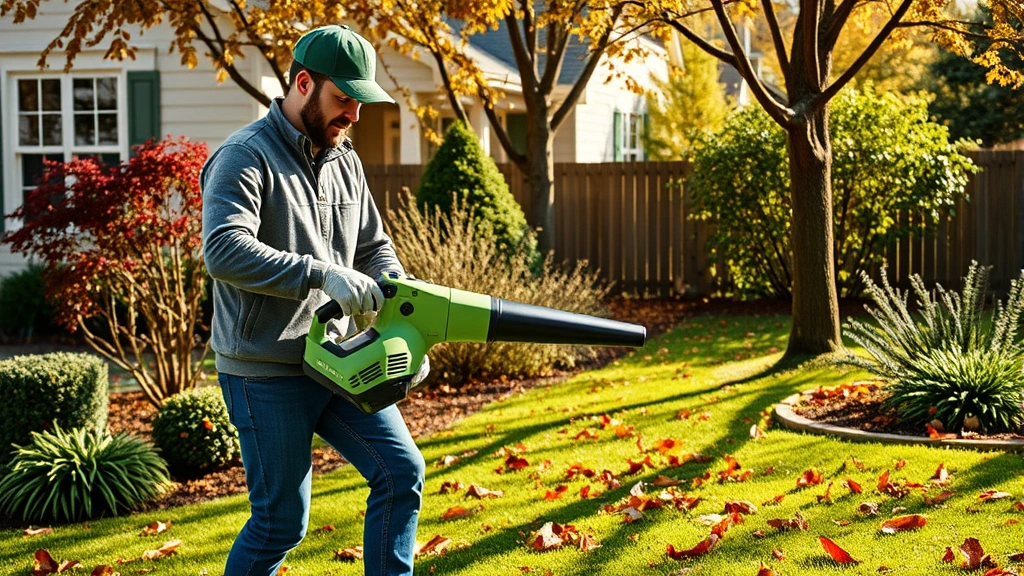
Eco-Friendly Gas Blowers? Expert Reviews & Sustainable Alternatives
The debate over gas-powered leaf blowers has intensified as environmental awareness grows. While traditional gasoline blowers remain popular for their power and reach, their carbon footprint and emissions raise legitimate sustainability concerns. This comprehensive guide examines whether truly eco-friendly gas blowers exist, reviews top models, and explores alternatives that align with environmental values.
Many homeowners face a dilemma: they want efficient yard maintenance without compromising their commitment to environmental stewardship. Gas blowers deliver performance but contribute to air pollution and greenhouse gas emissions. Understanding the full environmental impact—from fuel consumption to noise pollution—helps inform better purchasing decisions for conscious consumers seeking the best gas powered leaf blower options available today.
Understanding Gas Blower Environmental Impact
Gas-powered leaf blowers represent a significant source of pollution despite their relatively small size. A single gas blower produces emissions equivalent to driving a car for several hours, according to research from the EPA’s air pollution division. These machines emit volatile organic compounds (VOCs), nitrogen oxides, and particulate matter that contribute to ground-level ozone formation and respiratory problems.
The environmental cost extends beyond air quality. Gas blowers consume fossil fuels, contributing to climate change through carbon dioxide emissions. A typical gas blower burns approximately one gallon of fuel per season for average homeowners, translating to roughly 15 pounds of CO2 released into the atmosphere. Additionally, noise pollution from gas blowers affects neighborhood quality of life and wildlife habitats.
Understanding these impacts helps contextualize why environmental organizations increasingly advocate for alternatives. The cumulative effect of millions of gas blowers operating across residential areas creates measurable air quality degradation, particularly in densely populated regions.

Reviewing Top Eco-Conscious Gas Blower Models
Several manufacturers have responded to environmental concerns by developing more efficient gas blower models. These machines incorporate advanced engine technology to reduce emissions while maintaining performance standards expected by professional and residential users.
Stihl BR 600 Magnum represents a leading option for environmentally-minded consumers. This professional-grade blower features a fuel-efficient engine that achieves improved combustion efficiency through advanced carburetor design. The BR 600 produces 27.9 cc of displacement with lower hydrocarbon emissions compared to older models, though it remains a fossil fuel-dependent device.
Echo PB-580T offers another consideration for those seeking reduced environmental impact. This model incorporates Echo’s proprietary technology that minimizes fuel consumption and emissions. The lightweight design (10.1 lbs) reduces operator fatigue while the efficient engine design lowers overall carbon output per operating hour.
Husqvarna 570BTS combines power with environmental consciousness through its modern engine architecture. The backpack design distributes weight effectively, reducing physical strain and allowing longer operation with less fuel consumption. This model meets current emissions standards while delivering professional-level performance.
These models represent incremental improvements rather than revolutionary changes. They still rely on fossil fuels and produce emissions, but their efficiency gains reduce environmental harm compared to older gas blower technology. For consumers unable to transition to electric alternatives, these models represent the most responsible gas-powered options available.
Emissions Standards and Certifications
Understanding regulatory frameworks helps identify genuinely eco-friendly gas blowers. The EPA established Tier 3 emissions standards for small engines, which took effect in 2020. These regulations require manufacturers to reduce hydrocarbon and nitrogen oxide emissions significantly.
Look for blowers bearing the EPA Tier 3 certification label, which indicates compliance with current emissions standards. However, certification alone doesn’t make a gas blower truly eco-friendly—it simply means the manufacturer met minimum legal requirements. Many models on the market predate these standards and produce substantially higher emissions.
EPA small engine standards represent the most relevant regulatory framework for U.S. consumers. California maintains even stricter standards through CARB (California Air Resources Board) regulations, and equipment certified for California use typically represents the cleanest gas-powered options available.
Third-party certifications from environmental organizations provide additional guidance. The Green Seal program evaluates equipment environmental performance comprehensively, though few gas blowers currently achieve this certification due to their inherent fossil fuel dependency.
When evaluating gas blower models, prioritize those meeting the latest emissions standards and check manufacturer specifications for hydrocarbon emission rates. Lower numbers indicate reduced environmental impact, though consumers should recognize that even the cleanest gas blowers remain inherently carbon-intensive.
Performance vs. Sustainability Trade-offs
Selecting the best gas powered leaf blower requires balancing performance needs against environmental values. Gas blowers excel at clearing large properties quickly, particularly in wet conditions where organic debris clumps together. Their power-to-weight ratio surpasses most electric alternatives, making them ideal for professional landscaping operations.
However, this performance advantage carries environmental costs that homeowners must weigh carefully. A typical residential property generating moderate leaf debris could accomplish the same task with an electric blower operating for 30-45 minutes, producing zero emissions and minimal noise. The performance advantage of gas blowers matters less for occasional homeowners than for professional operators managing multiple properties daily.
Property size significantly influences this decision. For lots under one acre with moderate debris, electric alternatives often provide sufficient performance without environmental compromise. Larger properties with dense trees or commercial applications present stronger cases for gas-powered equipment, though even here alternatives deserve consideration.
The sustainability perspective suggests asking critical questions: Does your property truly require gas blower power, or does convenience and speed drive preference? Could you accomplish yard maintenance through alternative methods—hand raking, mulching, or composting? These questions help align purchasing decisions with genuine environmental values rather than defaulting to familiar technology.
Sustainable energy solutions increasingly offer competitive performance for most residential applications, making the performance-sustainability trade-off less stark than historically true.
Electric and Battery Alternatives
Modern electric leaf blowers represent the most genuinely eco-friendly option for most homeowners. Cordless battery-powered models have evolved dramatically over recent years, offering performance approaching or matching gas blowers for residential use while producing zero emissions and operating quietly.
Battery Technology Advances
Lithium-ion battery technology has revolutionized electric garden equipment. Contemporary batteries provide runtime sufficient for most residential properties—typically 30-60 minutes depending on power level selected. Multiple battery systems allow sequential operation, enabling unlimited runtime through battery swapping.
The environmental advantage extends beyond operation. Electric blowers require no oil changes, spark plug maintenance, or fuel storage, eliminating associated waste streams. Battery recycling programs increasingly offer responsible end-of-life management, though fossil fuel consumption during electricity generation remains a consideration depending on regional power grid composition.
Top Electric Blower Models
DeWalt 60V Max produces professional-quality results with cordless convenience. This model delivers comparable power to many gas blowers while operating at fraction of the noise level. The 60V battery system works across multiple DeWalt tools, creating ecosystem value for homeowners with diverse yard needs.
Makita 36V LXT offers another excellent option, particularly for those with existing Makita battery systems. The lightweight design (3.6 lbs) reduces operator fatigue during extended use, and the brushless motor technology maximizes efficiency and runtime.
EGO Power+ represents an innovative approach with their proprietary battery platform. The 56V system delivers impressive power while the company’s expansive product ecosystem allows battery sharing across numerous yard tools, incentivizing transition from gas-powered equipment.
Advantages of electric vehicles extend to yard equipment—zero emissions during operation, dramatically reduced noise, minimal maintenance, and increasingly favorable total cost of ownership over equipment lifespan.
Making the Right Choice for Your Property
Determining whether to pursue gas, electric, or alternative yard maintenance approaches requires honest assessment of your specific situation. This decision framework helps align purchases with environmental values while meeting practical needs.
Assessment Criteria
Property Size: Properties under one acre typically function well with electric equipment. Larger properties may benefit from gas power for time efficiency, though multiple battery systems can overcome this limitation.
Debris Volume: Moderate leaf debris suggests electric adequacy. Heavy debris requiring frequent operation might warrant gas equipment, though professional services could provide alternative solutions.
Climate and Conditions: Wet, heavy leaves in cold climates present challenges for some electric systems. Research specific model performance in your regional conditions before deciding.
Frequency of Use: Occasional seasonal use favors electric equipment—lower maintenance, no fuel storage concerns, and environmental benefits outweigh performance advantages. Professional operators with daily use might justify gas equipment despite environmental costs.
Budget Considerations: Electric blowers typically cost less upfront than comparable gas models, though battery systems represent additional investment. Calculate total five-year ownership costs including fuel, maintenance, and replacement parts.
Alternative Approaches
Consider whether yard blowing remains necessary. Many environmental advocates question the widespread use of blowers for leaf management. Alternative approaches include:
- Mulching leaves into lawn as natural fertilizer
- Composting collected leaves for garden use
- Hand raking for small areas and exercise benefits
- Environmental sustainability examples that minimize equipment use altogether
- Professional services using efficient equipment
These approaches reduce consumption, lower costs, and eliminate emissions entirely. For many homeowners, this represents the most eco-conscious choice available.
Implementation Strategy
If you decide gas blowers remain necessary, prioritize models meeting current emissions standards and featuring fuel-efficient engines. Maintain equipment properly—clean air filters, use fresh fuel, and perform scheduled maintenance to maximize efficiency and minimize emissions.
For those transitioning to electric equipment, invest in quality batteries and chargers from reputable manufacturers. Research specific models’ performance in your climate and debris conditions. Consider battery systems compatible with other yard tools to maximize ecosystem value.
If exploring alternatives like composting or reduced blowing frequency, start with small changes. You may discover yard maintenance satisfaction through less resource-intensive approaches while reducing environmental impact significantly.
FAQ
Are gas leaf blowers really that bad for the environment?
Yes, gas blowers produce significant emissions despite small size. A single gas blower operates at pollution levels equivalent to driving a car for extended periods. The cumulative effect across millions of residential units creates measurable air quality degradation and contributes to climate change through CO2 emissions.
Do EPA-certified gas blowers qualify as eco-friendly?
EPA certification indicates compliance with emissions standards but doesn’t make equipment truly eco-friendly. Certified models produce substantially lower emissions than older equipment, but they remain fossil fuel-dependent and carbon-intensive. They represent the most responsible gas-powered option without being genuinely sustainable.
Can electric blowers handle heavy wet leaves?
Modern electric blowers perform well in most conditions, though very heavy wet debris sometimes challenges battery-powered models. Research specific model reviews for your regional conditions. Professional-grade electric equipment increasingly matches gas performance for residential applications.
What’s the total cost comparison between gas and electric blowers?
Electric blowers typically cost less upfront but may require battery system investment. Calculate five-year costs including gas, maintenance, spark plugs, oil, and replacement parts for gas models versus battery replacement costs for electric equipment. Electric often proves more economical long-term.
Should I switch from my existing gas blower?
Consider your property size, debris volume, usage frequency, and environmental values. If your current equipment functions adequately and you use it infrequently, replacement may not align with sustainability principles. However, when purchasing new equipment, electric alternatives deserve serious consideration.
Are there sustainable alternatives to leaf blowing?
Yes, several alternatives reduce or eliminate blower use: mulching leaves into lawns, composting collected debris, hand raking for exercise, and accepting natural leaf decomposition. Many environmental advocates view these approaches as more sustainable than any powered equipment.
What maintenance reduces gas blower emissions?
Regular maintenance including clean air filters, fresh fuel use, spark plug replacement, and proper carburetor adjustment maximizes efficiency and minimizes emissions. Poorly maintained gas equipment produces significantly higher pollution levels than well-maintained units.
How do battery electric blowers compare to corded electric models?
Battery models offer convenience without extension cord limitations, though corded equipment eliminates battery replacement costs and provides unlimited runtime. Battery technology has advanced sufficiently that cordless models now dominate the market for most residential applications.


