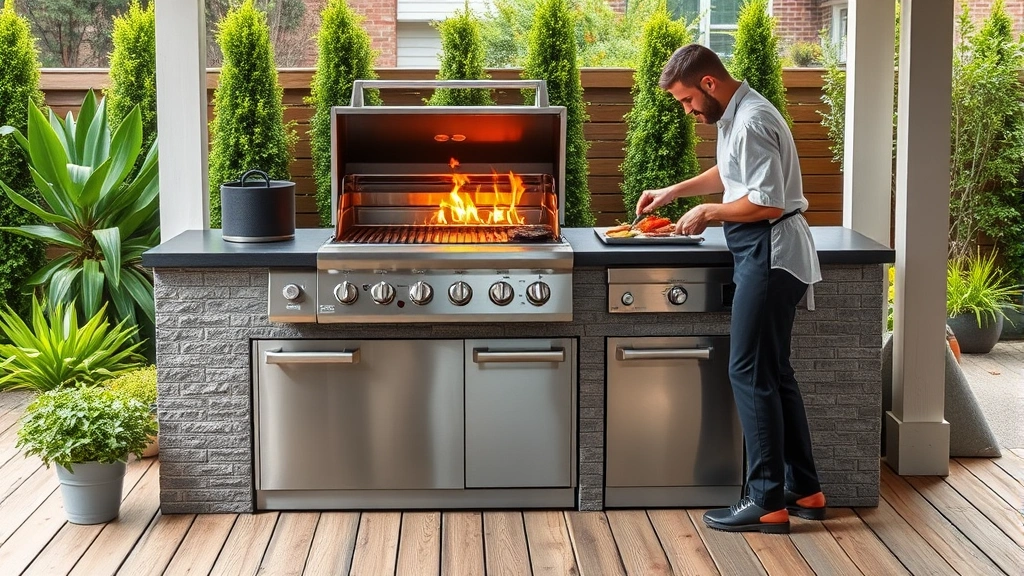
Top Natural Gas Grills: Chef’s Picks for Quality, Performance & Sustainability
Natural gas grills have become the go-to choice for outdoor cooking enthusiasts who value convenience, reliability, and consistent heat control. Whether you’re a seasoned pitmaster or a casual backyard entertainer, selecting the right natural gas grill can transform your outdoor cooking experience. Unlike charcoal or propane alternatives, natural gas grills offer the advantage of being permanently connected to your home’s gas line, eliminating the need for tank refills while providing cost-effective, continuous fuel supply.
In this comprehensive guide, we’ll explore the best natural gas grills on the market, examining their features, performance metrics, and how they align with both culinary excellence and environmental consciousness. As outdoor cooking continues to grow in popularity, understanding the sustainability implications of your grill choice becomes increasingly important. Natural gas grills, when properly maintained and used efficiently, represent a more environmentally responsible option compared to some alternatives, offering lower emissions and better fuel efficiency.
Understanding Natural Gas Grills: Key Advantages
Natural gas grills deliver exceptional benefits that extend beyond simple convenience. The primary advantage lies in their reliability—once installed, your grill is always ready to use without worrying about propane tank levels or charcoal supplies. This permanence makes natural gas grills ideal for frequent grilling households where spontaneous cooking sessions are common.
From an environmental perspective, natural gas produces approximately 25% fewer carbon emissions than charcoal and operates more efficiently than propane systems. When you explore how to reduce your environmental footprint, choosing efficient cooking appliances represents a meaningful step. Natural gas burns cleaner with minimal particulate matter, and the direct connection to your home’s infrastructure eliminates the carbon footprint associated with manufacturing and transporting replacement fuel containers.
Temperature precision is another hallmark of quality natural gas grills. Multiple burners with independent controls allow you to create different heat zones, essential for both searing proteins and slow-cooking vegetables. This versatility makes natural gas grills suitable for everything from high-heat searing to gentle warming zones, accommodating various cooking techniques simultaneously.
Cost efficiency over time presents a compelling financial argument. While natural gas grills typically have higher upfront installation costs, the per-unit fuel expense is substantially lower than propane or charcoal alternatives. For households that grill regularly, this savings accumulates significantly over the grill’s lifespan.

Top-Rated Natural Gas Grill Models
Premium Selection: The Weber Genesis II LX
The Weber Genesis II LX represents the pinnacle of natural gas grill engineering, combining professional-grade performance with user-friendly features. This model boasts three high-performance burners delivering 39,000 BTUs of total cooking power, precise flavorizer bars for heat distribution, and a spacious 507-square-inch cooking surface. The integrated thermometer provides real-time temperature monitoring, while the side burner offers additional cooking flexibility for sauces and side dishes.
Construction quality distinguishes the Genesis II LX from competitors—cast iron grates retain heat exceptionally well, promoting superior searing capabilities. The stainless steel exterior resists weather-related deterioration, and the modular design simplifies component replacement, extending the grill’s operational lifespan. This durability aligns with sustainable consumption principles by reducing the need for premature replacement.
Mid-Range Excellence: The Char-Broil Performance Series
For those seeking excellent value without premium pricing, the Char-Broil Performance Series delivers impressive functionality. Featuring TRU-Infrared technology that distributes heat evenly across the cooking surface, this model prevents hot spots and ensures consistent results. The 3-burner configuration provides 36,000 BTUs of power with a generous 480-square-inch cooking area.
The Performance Series incorporates stainless steel construction with a side burner and integrated thermometer. Char-Broil’s reputation for reliability and straightforward maintenance makes this line appealing to homeowners prioritizing practicality. The modular burner system allows for easy replacement if individual components require servicing.
Budget-Friendly Option: The Dyna-Glo Premier
The Dyna-Glo Premier demonstrates that quality natural gas grills needn’t demand premium investment. This 3-burner model delivers 33,000 BTUs across a 407-square-inch cooking surface, suitable for small to medium-sized gatherings. Porcelain-coated cast iron grates provide reliable heat retention, while the open-cart design offers convenient storage for grilling accessories and fuel connections.
Despite its accessible price point, the Dyna-Glo maintains respectable construction standards with stainless steel side shelves and a built-in thermometer. This model proves ideal for apartment dwellers or those beginning their natural gas grilling journey.
Essential Features to Look For
When evaluating best gas grill options, understanding critical features ensures informed purchasing decisions.
BTU Output and Heat Distribution
British Thermal Units (BTUs) measure fuel energy output, though higher BTU counts don’t automatically indicate superior performance. A 40,000-BTU grill with poor heat distribution underperforms compared to a 35,000-BTU model with optimized flavorizer bars. Look for even heat distribution across the cooking surface, achievable through quality flavorizer bars or infrared technology.
Cooking Surface Area
The primary cooking surface should accommodate your typical gathering size. A 500+ square-inch cooking area suits families and frequent entertainers, while 350-400 square inches works for couples and small gatherings. Consider whether a side burner adds practical value for your cooking style.
Grate Material and Quality
Cast iron grates retain heat exceptionally well and develop seasoning over time, improving non-stick properties naturally. Stainless steel grates resist rust and require minimal maintenance, though they don’t retain heat as effectively. High-quality grates should be thick enough to withstand years of use without warping.
Build Materials and Durability
Stainless steel cabinets resist rust and weathering significantly better than painted steel. Powder-coated finishes provide adequate protection when properly maintained. Examine internal construction—reinforced brackets and quality welds indicate longevity. Modular burner systems allow individual component replacement, extending overall lifespan and supporting sustainable consumption practices.
Temperature Control Precision
Independent burner controls with at least three heat settings allow precise temperature management. Electronic ignition systems with battery backup ensure reliable startup in various weather conditions. Some premium models include integrated thermometers with temperature gauges for accurate monitoring.
Warranty and Support
Manufacturer warranties typically range from 2 to 15 years depending on brand and model tier. Extended warranties covering parts and labor provide valuable protection for premium investments. Responsive customer support and readily available replacement parts indicate manufacturer commitment to long-term customer satisfaction.
Installation and Safety Considerations
Proper natural gas grill installation proves critical for both safety and optimal performance. Professional installation ensures correct gas line connections, appropriate pressure regulation, and compliance with local building codes. Most municipalities require licensed professionals to handle gas connections, so prioritize certified installers in your area.
Safety considerations include ensuring adequate clearance from structures—most codes require at least 10 feet from windows and overhanging structures, and 3 feet minimum from adjacent walls. Grills must sit on stable, level surfaces to prevent tipping and ensure even heat distribution. Never operate natural gas grills indoors or in enclosed spaces, as this creates dangerous carbon monoxide accumulation.
Regular safety inspections should include checking hose connections for leaks using soapy water solution—bubbles indicate gas escape requiring immediate attention. Ensure the gas line shutoff valve remains accessible and functional. Many manufacturers recommend annual professional inspections to verify system integrity and safety compliance.
When considering sustainable energy solutions, natural gas infrastructure represents an established, efficient system when properly maintained. However, proper installation and regular safety verification remain non-negotiable requirements.
Maintenance and Longevity
Extending your natural gas grill’s lifespan through proper maintenance maximizes your investment’s value while reducing the environmental impact of premature replacement. Regular cleaning prevents grease buildup that can impede burner performance and create fire hazards. After each use, allow the grill to cool, then scrape cooking surfaces with a grill brush to remove food residue and buildup.
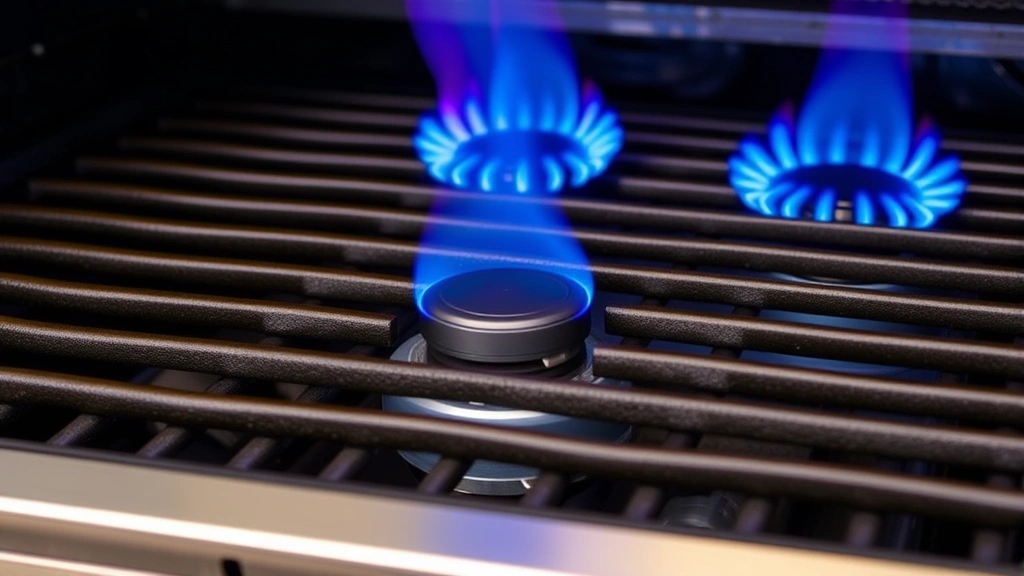
Monthly maintenance should include checking burner flame patterns—flames should be blue with minimal yellow tips. Yellow-tipped flames indicate incomplete combustion, suggesting burner cleaning is needed. Most burners can be removed and cleaned with warm soapy water and a soft brush, restoring proper function.
Seasonal deep cleaning involves removing grates, flavorizer bars, and other removable components for thorough washing. Inspect the interior for grease accumulation and debris, clearing the grease trap completely. Replace any corroded or damaged components promptly to prevent further deterioration.
Weather protection significantly impacts longevity. A high-quality grill cover protects against UV exposure, precipitation, and temperature fluctuations that degrade finishes and internal components. During off-season months, covering your grill prevents unnecessary weathering. In harsh climates, consider storing the grill in a protected location during winter months.
Hose inspection should occur annually, looking for cracks, brittleness, or corrosion. Hoses typically require replacement every 3-5 years as rubber degrades over time. Using hoses rated for natural gas ensures proper safety and performance—propane hoses aren’t suitable for natural gas applications.
Comparing Fuel Types: Natural Gas vs. Alternatives
Understanding how natural gas grills compare to alternative fuel options helps contextualize your purchasing decision within broader sustainability frameworks.
Natural Gas vs. Propane
Natural gas offers superior environmental credentials and lower operational costs compared to propane. Propane requires manufacturing, distributing, and transporting pressurized containers, creating additional carbon footprint beyond the fuel itself. Natural gas connects directly to existing home infrastructure, eliminating packaging waste and distribution emissions. For frequent grilling households, the cost savings are substantial—natural gas typically costs 30-50% less per cooking session than propane.
However, propane offers portability and flexibility for renters or those without natural gas infrastructure. Propane grills can be relocated easily, making them suitable for apartments or temporary installations. For most permanent residential installations, natural gas represents the more sustainable and economical choice.
Natural Gas vs. Charcoal
Charcoal grilling delivers distinctive flavor profiles unmatched by gas alternatives, appealing to purists and competition pitmasters. However, charcoal production, distribution, and combustion create significantly higher environmental impacts. Charcoal manufacturing involves deforestation and energy-intensive processing, while burning charcoal produces higher emissions than natural gas.
Natural gas provides superior convenience and temperature control, making it practical for weeknight cooking and spontaneous entertaining. Charcoal excels for low-and-slow smoking applications and special occasions where flavor complexity justifies additional preparation time.
Natural Gas vs. Electric Grills
Electric grills represent the lowest-emission option when powered by renewable energy sources. However, most electrical grids still rely substantially on fossil fuels, limiting the environmental advantage unless paired with renewable energy plans. Electric grills also struggle with heat output and temperature consistency compared to gas alternatives.
Natural gas offers a practical middle ground—lower emissions than charcoal, superior performance to electric models, and convenience exceeding propane systems. For most households seeking to balance sustainability with functionality, natural gas represents the optimal choice. Those interested in comprehensive sustainability strategies should explore advantages of electric alternatives across various applications.
Budget Recommendations by Tier
Budget Tier: $300-$600
Entry-level natural gas grills like the Dyna-Glo Premier offer solid functionality for occasional users and small households. These models provide essential features—reliable burners, adequate cooking surface, and basic temperature control. While lacking premium construction, budget-tier grills deliver reasonable durability with proper maintenance.
Mid-Range Tier: $600-$1,500
Mid-range options including the Char-Broil Performance Series provide excellent value with improved construction quality and advanced features. These models suit regular grilling households, offering better heat distribution, larger cooking surfaces, and more durable materials. The performance-to-price ratio peaks in this tier, delivering professional-grade results without luxury pricing.
Premium Tier: $1,500-$3,500+
Premium models like the Weber Genesis II LX incorporate high-grade materials, advanced technology, and superior craftsmanship. These grills target serious cooking enthusiasts and those prioritizing long-term durability. Premium construction and warranty coverage justify higher investment for households planning 15+ years of regular use.
Explore top tier gas brands to compare premium options and their specific advantages.
When evaluating budget tiers, calculate long-term cost of ownership including fuel, maintenance, and replacement frequency. Premium models often deliver lower per-year costs through extended lifespan and superior fuel efficiency, making them more economical for frequent users despite higher initial investment.
FAQ
What size natural gas grill do I need?
Grill size depends on your household and entertaining habits. Small households (1-2 people) need 300-400 square inches; families of 4-6 require 400-500 square inches; large gatherings benefit from 500+ square inches. Consider your typical entertaining frequency and guest count when selecting size.
How long do natural gas grills typically last?
Well-maintained natural gas grills last 15-20+ years. Budget models may require replacement after 8-10 years, while premium grills with proper care exceed 20 years. Maintenance frequency and environmental conditions significantly impact longevity.
Can I convert a propane grill to natural gas?
Some grills offer conversion kits allowing propane-to-natural gas conversion. However, not all models support conversion—check manufacturer specifications before attempting. Professional installation ensures proper conversion and safety compliance.
What’s the difference between BTU ratings?
BTU measures energy output, but doesn’t directly correlate with cooking performance. A well-designed 35,000-BTU grill may outperform a poorly designed 45,000-BTU model. Prioritize even heat distribution and construction quality over raw BTU numbers.
How often should I clean my natural gas grill?
Clean cooking surfaces after each use to prevent grease buildup. Monthly inspections should verify burner performance and flame patterns. Seasonal deep cleaning addresses accumulated debris and corrosion. Annual professional inspections ensure safety and longevity.
Are natural gas grills more eco-friendly than propane?
Yes, natural gas produces lower emissions, requires no packaging or transportation of fuel containers, and costs less per cooking session. The direct connection to home infrastructure eliminates the carbon footprint associated with propane distribution and manufacturing.
What warranty coverage should I expect?
Budget models typically offer 2-5 year warranties; mid-range grills provide 5-10 year coverage; premium brands often include 10-15 year warranties. Extended warranty options extend coverage for parts and labor, providing valuable protection for larger investments.
Can natural gas grills be used in apartments?
Many apartments prohibit permanent natural gas grill installations. Check lease terms and local regulations before planning installation. Propane or electric grills may be permitted alternatives. Consult your landlord and building management regarding acceptable outdoor cooking appliances.


