World’s Largest Gas Station? Expert Insights on Scale, Sustainability, and the Future of Fuel
The concept of the “world’s largest gas station” sparks curiosity about infrastructure scale, commercial operations, and the evolving energy landscape. While determining an absolute winner depends on how you measure—by number of pumps, daily throughput, or physical footprint—several contenders dominate global rankings. Understanding these massive fuel distribution hubs reveals insights into logistics, environmental impact, and the critical transition toward sustainable energy solutions that our planet desperately needs.
As we examine the world’s largest gas stations, it’s essential to consider not just their operational scale but also their role in carbon emissions and the infrastructure challenges they represent. These facilities serve millions of drivers daily, making them pivotal points where reducing environmental footprint initiatives can have meaningful impact. The industry is undergoing transformation, with major operators investing in electric vehicle charging, renewable energy integration, and cleaner fuel options.
Identifying the World’s Largest Gas Stations
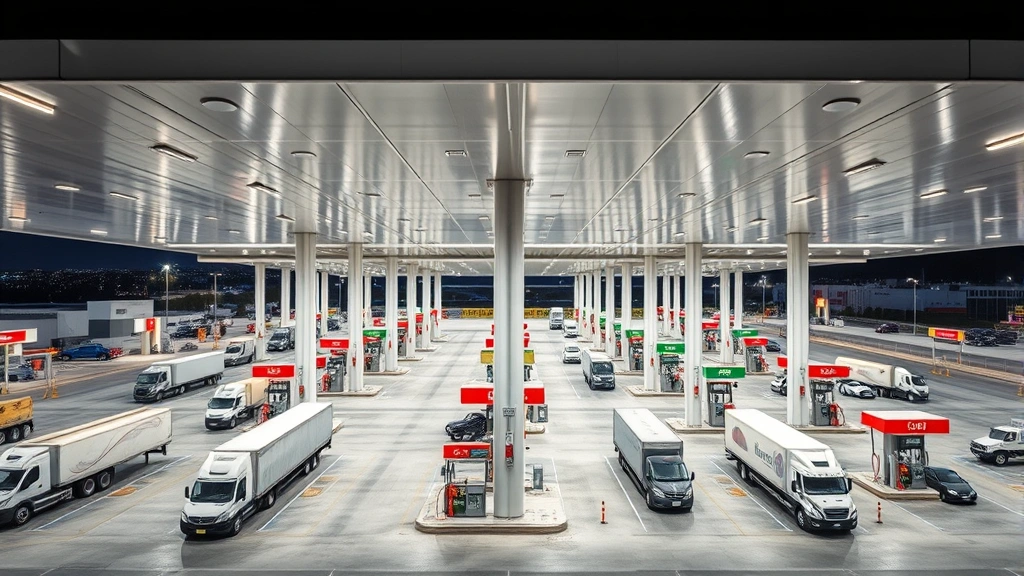
Determining the world’s largest gas station requires examining multiple criteria. The Bossier City Pilot Flying J Travel Center in Louisiana consistently ranks among the largest in North America, featuring over 100 parking spaces for heavy trucks and an expansive convenience store footprint exceeding 100,000 square feet. However, international competitors present formidable alternatives.
In the Middle East, Saudi Arabia operates some of the world’s most strategically positioned and massive fuel distribution complexes. The Jeddah Fuel Distribution Center handles enormous volumes, though exact specifications remain proprietary. Similarly, the Singapore Changi Airport fuel facility represents one of the most sophisticated and largest by throughput capacity, serving aviation fuel needs for one of the world’s busiest airports.
The distinction between “largest” varies significantly: a station measuring by daily fuel volume might differ from one measured by physical acreage or number of service points. The Love’s Travel Stops and Country Stores network operates facilities approaching this scale, while Speedway stations in densely populated areas compete through transaction volume rather than physical size.
Understanding these operations provides context for broader discussions about definition of sustainability in commercial infrastructure. These facilities employ hundreds of workers, serve thousands of customers daily, and consume substantial energy resources.
Scale and Operational Metrics
The operational scale of the world’s largest gas stations defies typical consumer expectations. A mega-travel center like Bossier City’s Pilot Flying J operates 24/7, serving approximately 5,000 vehicles daily during peak seasons. The facility includes:
- Over 100 fuel pumps dedicated to heavy trucks
- Multiple restaurant franchises and food service operations
- Laundry facilities, shower rooms, and rest areas
- Substantial retail inventory exceeding typical convenience stores by 10-fold
- Dedicated maintenance and truck service bays
- Parking for 200+ vehicles including cars, trucks, and commercial rigs
Daily fuel throughput at these megastations can exceed 15,000 gallons per hour during peak times. The economic impact extends beyond fuel sales—these facilities generate millions in annual revenue through food services, retail, and ancillary services. Employment typically ranges from 200-400 workers per location, making them significant economic engines for surrounding communities.
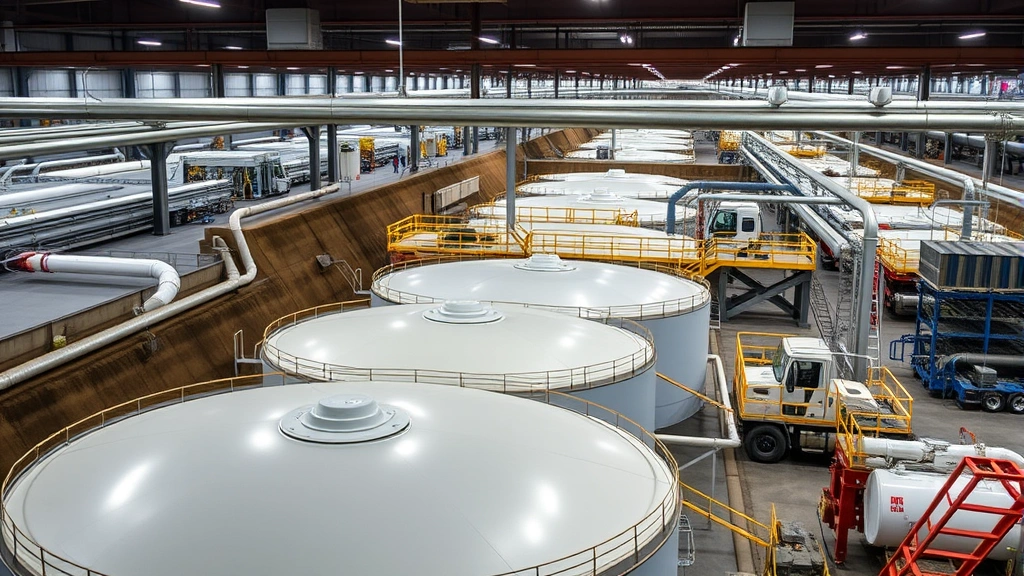
The infrastructure requirements are staggering: underground storage tanks hold 30,000-50,000 gallons of various fuel grades, sophisticated pump management systems coordinate simultaneous transactions, and advanced point-of-sale systems process thousands of daily transactions. Climate control systems maintain comfortable environments across 100,000+ square feet, consuming substantial electricity.
These operational metrics directly connect to environmental considerations and the principles of sustainability that modern operators increasingly embrace.
Environmental Impact and Carbon Emissions
The environmental footprint of the world’s largest gas stations extends far beyond the fuel they dispense. A single megastation’s operations generate multiple environmental impacts requiring careful management:
Direct Emissions: Serving 5,000+ vehicles daily means facilitating combustion of approximately 75,000 gallons of gasoline and diesel weekly. This generates substantial carbon dioxide emissions, contributing to climate change. A typical gallon of gasoline produces approximately 20 pounds of CO2 when burned, meaning a large station facilitates release of 1.5 million pounds of CO2 monthly.
Facility Operations: The energy consumption for lighting, climate control, and equipment in a 100,000+ square foot facility rivals small commercial buildings. Monthly electricity consumption can exceed 500,000 kilowatt-hours, typically sourced from grid power with variable renewable energy percentages depending on regional infrastructure.
Water Usage: Cleaning facilities, restrooms, and food service operations consume 10,000+ gallons daily. While municipal water systems typically treat this water, the extraction and treatment processes carry environmental costs.
Waste Generation: Food service operations, retail sales, and customer activities generate substantial waste streams. Proper waste management, recycling programs, and hazardous waste handling (used oil, batteries, cleaning supplies) require sophisticated infrastructure.
According to the EPA’s transportation emissions data, fuel distribution infrastructure contributes meaningfully to overall transportation sector emissions. The American Petroleum Institute reports that fuel retail operations account for approximately 0.3% of total U.S. energy consumption.
Sustainability Initiatives in Fuel Distribution
Leading operators of the world’s largest gas stations increasingly implement sustainable energy solutions addressing environmental concerns. These initiatives represent meaningful progress toward reducing the sector’s carbon footprint:
Electric Vehicle Charging Infrastructure: Major chains including Pilot Flying J, Love’s, and Shell now install Level 2 and DC fast-charging stations at their largest facilities. This dual-fuel approach positions these stations as transition hubs supporting the EV revolution while maintaining traditional fuel services.
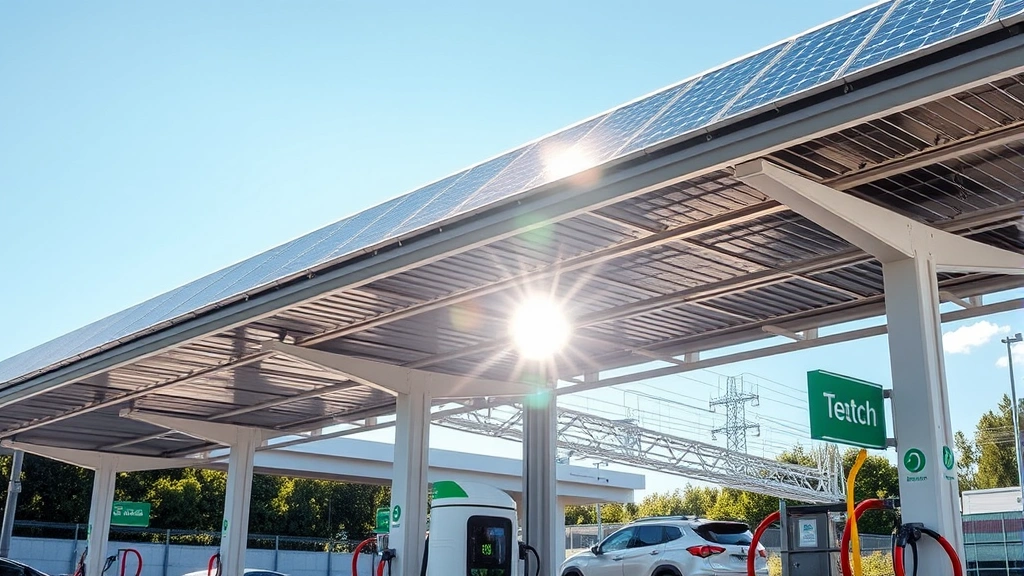
Solar and Renewable Energy Integration: Forward-thinking operators install rooftop solar arrays on facility canopies, generating electricity for operations while reducing grid dependence. Some facilities now produce 30-50% of their electricity needs through on-site renewables.
Energy Efficiency Upgrades: LED lighting systems, high-efficiency HVAC equipment, and smart building management systems reduce operational energy consumption by 20-40%. Newer facilities incorporate passive solar design and advanced insulation.
Sustainable Fuel Options: Major stations now offer biodiesel blends, renewable diesel, and compressed natural gas (CNG) alternatives. These lower-carbon options reduce lifecycle emissions compared to conventional petroleum fuels by 20-80% depending on feedstock and production methods.
Water Conservation: Advanced water recycling systems, low-flow fixtures, and rainwater harvesting systems reduce freshwater consumption. Some facilities achieve 50% reductions in water usage through conservation technology.
Waste Reduction Programs: Comprehensive recycling programs, composting initiatives for food waste, and plastic reduction strategies minimize landfill contributions. Several megastations now achieve waste diversion rates exceeding 70%.
The Future of Gas Stations and Alternative Fuels
The world’s largest gas stations face transformation as transportation electrifies and energy systems decarbonize. Industry analysts predict significant evolution in the coming decades:
Hybrid Fuel Infrastructure: Future megastations will serve multiple fuel types simultaneously—traditional gasoline and diesel, electric charging (Level 2 and DC fast), hydrogen fuel cells, and sustainable aviation fuel (SAF). This diversification ensures relevance across the energy transition timeline.
Hydrogen Economy Integration: Several pilot projects now test hydrogen production and distribution at major fuel facilities. Hydrogen fuel cells produce zero emissions, offering promise for heavy-duty transportation. By 2040, hydrogen stations may represent 10-15% of major fuel distribution networks.
Grid Services and Energy Storage: Large EV charging networks at megastations can provide grid stabilization services, storing excess renewable energy during low-demand periods and supplying power during peaks. This transforms gas stations into critical energy infrastructure.
Smart Mobility Hubs: Future stations will integrate multimodal transportation options—EV charging, autonomous vehicle support, public transit connections, bike-sharing, and micro-mobility solutions. This ecosystem approach reduces overall transportation emissions.
Decentralized Renewable Production: On-site wind turbines combined with solar arrays could enable stations to produce substantial energy portions locally. Battery storage systems smooth generation variability, improving reliability.
Understanding green technology innovations reshaping the sector reveals that the largest fuel stations are transitioning toward comprehensive energy distribution hubs.
Global Leaders in Sustainable Fuel Infrastructure
Several operators lead the industry in implementing sustainability at their largest facilities:
Shell: The energy giant operates numerous megastations worldwide, with significant investments in EV charging infrastructure. Their “Shell Recharge” network now includes 500,000+ charging points globally, with integration at major fuel stations accelerating.
BP: Beyond Petroleum’s sustainability initiatives include hydrogen pilot projects and renewable energy integration at key locations. Their “bp pulse” charging network complements traditional fuel services at strategic locations.
Pilot Flying J: North America’s largest travel center operator has committed to net-zero operations by 2050, implementing solar installations, EV charging, and renewable fuel options at major facilities.
TravelCenters of America: This major operator invests heavily in EV infrastructure and facility modernization, positioning their megastations as transition-ready hubs.
European Leaders: Operators like OMV (Austria) and Repsol (Spain) lead European sustainability efforts, with comprehensive renewable integration and electric mobility support across their networks.
These leaders recognize that the latest sustainability developments require proactive infrastructure adaptation rather than reactive compliance.
FAQ
Which gas station is actually the largest in the world?
The Bossier City Pilot Flying J in Louisiana is widely considered North America’s largest travel center with over 100 fuel pumps and 100,000+ square feet. However, international facilities like Singapore’s aviation fuel centers and Middle Eastern distribution hubs rival or exceed it by throughput capacity. “Largest” depends on measurement criteria—physical footprint, daily volume, or pump count.
How much fuel does the world’s largest gas station sell daily?
Megastations serve approximately 5,000 vehicles daily, dispensing roughly 75,000 gallons weekly or approximately 10,700 gallons daily on average. Peak season volumes can double or triple these figures.
What environmental impact do mega gas stations have?
A single large station facilitates approximately 1.5 million pounds of CO2 emissions monthly through fuel combustion, consumes 500,000+ kilowatt-hours of electricity monthly, and uses 10,000+ gallons of water daily. Operational waste streams require comprehensive management systems.
Are gas stations installing EV chargers?
Yes, major operators including Shell, BP, Pilot Flying J, and Love’s rapidly expand EV charging infrastructure at their largest facilities. These stations increasingly serve as transition hubs supporting both traditional fuel and electric vehicle customers.
Will gas stations disappear as electric vehicles become mainstream?
Rather than disappearing, gas stations will evolve into comprehensive energy distribution hubs offering multiple fuel types, EV charging, hydrogen services, and smart mobility options. This transition will take 20-40 years, with traditional fuel services gradually declining as vehicle electrification accelerates.
How can consumers support sustainable fuel practices?
Choose stations offering renewable fuel blends, utilize EV charging when available, support operators implementing sustainability initiatives, and consider ways to reduce your environmental footprint through fuel-efficient driving and vehicle electrification when feasible.