
Natural Gas: Renewable or Not? Expert Insight
Natural gas is nonrenewable—a fossil fuel formed over millions of years. Despite lower emissions than coal, it depletes finite reserves and leaks methane. True sustainability requires transitioning to renewables.

Gas Fireplaces: Sustainable Heating Option? Expert Insight
Gas fireplaces offer heating efficiency but present environmental challenges. Expert analysis reveals when they're sustainable choices and how to operate them responsibly.
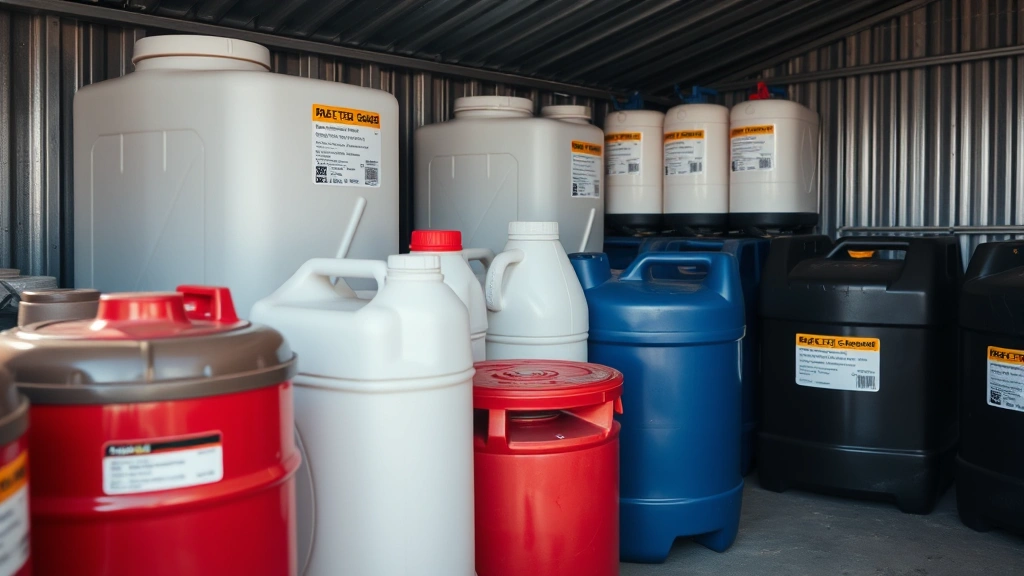
Dispose of Old Gas Safely: Expert Tips Inside
Learn safe, legal methods to dispose of old gasoline. Expert tips on identifying degraded fuel, finding disposal facilities, and preventing future accumulation of hazardous materials.

Remove Gas Smell from Clothes: Pro Tips
Learn proven methods to eliminate stubborn gasoline odors from clothing using natural remedies, commercial products, and professional techniques that protect fabric quality.

Gas Line Depth: Safety Standards Explained
Gas lines are typically buried 18-24 inches deep in residential areas, though depths vary by location, climate, and local codes. Understanding these safety standards protects your property and prevents dangerous accidents.

Find Eco-Friendly Gas? Top Stations Listed
Discover eco-friendly gas stations near you using GetUpside rewards. Find sustainable fuel options, top-tier retailers, and maximize savings while reducing your carbon footprint.

Gas Stoves & Sustainability: Expert Insight
GE Profile gas stoves offer convenience but carry environmental costs through methane emissions, energy inefficiency, and indoor air quality impacts. Explore sustainable alternatives.

GE Gas Range Parts: A Comprehensive Guide
Master GE gas range parts maintenance with our comprehensive guide. Learn about burners, ignition systems, oven components, and sustainable repair practices for optimal performance.

Are Electric Cars Greener? Data Insights
Electric cars produce 50-70% fewer emissions than gasoline vehicles over their lifetime, despite manufacturing impacts. Grid composition and driving patterns determine environmental benefits.
Gas Weight Per Gallon: What You Need to Know
Gasoline weighs approximately 6.3 pounds per gallon. Understanding this metric affects fuel efficiency, vehicle performance, and environmental impact calculations. Learn practical applications.